Introduction to Hide Your Curtain Rod
The concealment of curtain rods has become an increasingly popular practice in the realm of interior design, offering an effective solution for enhancing aesthetics within a living space. As homeowners and designers seek to create cohesive, visually appealing environments, the idea of hiding curtain rods emerges as an essential component in achieving a polished look. By effectively blending curtain rods with their surroundings, one can foster a more harmonious connection between windows and walls, thereby elevating the overall decor.
There are several reasons why individuals may choose to hide their curtain rods. Firstly, it contributes to a cleaner appearance, allowing for a minimized visual clutter that enhances the spaciousness of a room. Exposed curtain rods can often disrupt the flow of a space, drawing attention away from other well-thought-out design elements. By camouflaging these components, a seamless and uninterrupted design narrative can unfold, leading to an atmosphere that feels both inviting and sophisticated.
Moreover, the concealment of curtain rods can serve a functional purpose. Many options available in the market, such as decorative cornices or valances, not only mask the rods but also provide the added benefit of light control and privacy. This allows homeowners to tailor their spaces according to their specific needs while still maintaining a chic and unified design. Additionally, hiding curtain rods can facilitate the illusion of taller ceilings, which is often a desired aesthetic in interior design.
Incorporating curtain rod concealment techniques encourages creativity in interior design. By exploring various materials and styles, designers can match curtain rod solutions more effectively with the overall theme of the space, amplifying both its functionality and appeal. Embracing this concept ultimately leads to well-rounded spaces that reflect the personality and taste of those inhabiting them.
Understanding Curtain Rod Types
Curtain rods are an essential component in any window treatment scheme, serving both functional and aesthetic purposes. There are several types of curtain rods available, each with unique characteristics that may affect their visibility and integration into your decor. Understanding these types can significantly impact strategies for concealment.
The standard curtain rod is perhaps the most common choice. Typically made from materials like wood, metal, or plastic, standard rods are mounted on brackets above the window frame. Their visibility will depend on the brackets’ design and the choice of curtains. With a carefully selected curtain style and color, standard rods can blend seamlessly into the background, providing an elegant look while maintaining functionality.
In contrast, tension rods are primarily used for lightweight curtains and are generally found in areas like small bathrooms or kitchens. These rods operate by fitting snugly between two walls, which eliminates the need for visible brackets. As such, tension rods can be a suitable option for those seeking a minimalist aesthetic, as they are often concealed entirely when the curtains are drawn.
Track systems represent another option, popular for their ability to allow curtains to glide smoothly open and closed. These systems can be recessed into the ceiling or mounted on walls, making them less conspicuous than traditional rods. Often used in theater settings or for sheer drapery, track systems can be completely hidden, thereby enhancing the overall ambiance of a room without distraction from the hardware itself.
Overall, the choice of curtain rod can play a significant role in your interior design approach. Assessing various types based on their visibility will empower you to select the most suitable option for your concealment strategies, ensuring that your window treatments enhance rather than distract.
Using Valances to Hide Curtain Rods
When looking to enhance your interior decor while cleverly concealing curtain rods, valances serve as an aesthetically pleasing solution. A valance, typically a short curtain or fabric that hangs at the top of a window, can effectively disguise the often unsightly curtain hardware while adding a touch of style to any room. Choosing the right fabric and design for your valance is essential in ensuring it complements the existing decor. Consider fabrics that are consistent with the room’s color scheme and texture, such as soft cottons or luxurious silks. Additionally, look for patterns or prints that harmonize with other elements in your space, providing a seamless visual flow.
Valances come in various styles, including box pleated, flat, and swagged designs. Box pleated valances offer a structured appearance that adds sophistication to formal spaces, while flat valances create a clean and minimalist look. For a more relaxed and casual feel, swagged valances can introduce a sense of softness and elegance. The choice of style will largely depend on the overall theme of your room and personal taste. It is advisable to measure the width of your window and select a valance that is appropriate in size to achieve the desired effect.
The installation process for valances is relatively straightforward. Start by determining the mounting location; placing the valance six inches above the window frame is typically recommended. Use a sturdy rod or brackets that can support the weight of the fabric. After securing the brackets, drape the valance over the rod, ensuring that it hangs evenly. Finishing touches like adjusting the fabric to create a uniform look can improve the overall appearance, successfully using valances to conceal curtain rods while enhancing your decor.
Incorporating Drapery to Fully Obscure Rods
When it comes to hiding the curtain rod, the selection of drapery plays a crucial role. By choosing the right type of fabric, homeowners can effectively use sheer or blackout drapes to seamlessly obscure the necessary hardware. First and foremost, the length of the drapes is vital; they should ideally extend from the curtain rod to just above the floor or the window sill, contributing to an elegant, flowing appearance. This approach not only provides the desired aesthetic but also adds a touch of sophistication to the space.
For those looking to achieve maximum coverage, opting for full and lush drapes is essential. Curtains with a fullness ratio of 2:1 or 3:1 in relation to the window width will result in a more opulent look while ensuring the curtain rod remains hidden. Additionally, selecting fabrics that have a certain weight will help in maintaining the drapes’ structure, ensuring they hang beautifully and conceal the hardware consistently over time.
To hang or attach the drapes correctly, there are several practical steps to follow. First, ensure your curtain rod is securely installed. Next, position the drapery rings or hooks at intervals that allow the fabric to gather naturally. This will hide the rod, creating a dramatic effect as the fabric cascades down. Moreover, using curtain clips can also be an effective method to attach the drapes, providing flexibility in adjusting the height and creating a stunning visual impact. By implementing these techniques, homeowners can elegantly conceal rod hardware, transforming their window treatments into a cohesive part of the room’s design.
Creative Fabric Solutions: Using Panels and Fabric Covers
One innovative approach to hide curtain rods while enhancing a room’s aesthetic involves utilizing fabric panels or covers. This DIY method enables homeowners to customize their window treatments, creating a seamless look that elevates interior decor. Fabric solutions, from chic wraps to decorative panels, provide an excellent opportunity to incorporate personal style while effectively concealing unsightly rods.
To begin, selecting the appropriate fabric is essential. Lightweight materials such as cotton, linen, or sheer fabrics work well, as they can be easily manipulated and draped. It is advisable to choose colors and patterns that complement the existing room decor. For instance, if the room features neutral tones, vibrant fabric options can introduce a fresh pop of color, whereas matching the curtain fabric can create an elegant, uniform look.
Once the fabric is chosen, the next step is to create the cover itself. This can be done by cutting the fabric into the desired length and width to effectively obscure the curtain rod. For a more polished look, consider sewing the fabric edges or using fabric adhesive to prevent fraying. Additionally, measuring the distance between the curtain rod and ceiling can ensure the panels achieve the right drape and length.
Attaching the fabric panels securely is a crucial aspect of this project. Velcro strips, magnetic tape, or decorative clips can be excellent options for easy installation and removal, allowing for flexibility and easy washing. Alternatively, creating a rod pocket at the top of the panels can allow them to slide over the existing curtain rod seamlessly. Utilizing these creative fabric solutions effectively transforms curtain rods into aesthetically pleasing elements of the room’s design.
Using Molding and Architectural Features
Incorporating molding and architectural features into interior design provides a sophisticated solution for concealing curtain rods. This approach enhances the aesthetic appeal of a room while effectively integrating functional elements into the overall decor. Cornices, crown molding, and various trims can serve as elegant disguises for curtain rods, allowing homeowners to maintain a clean and polished look.
One of the primary benefits of using molding is the wealth of design possibilities it offers. Available in a variety of styles, materials, and finishes, cornices and moldings can be tailored to match any room’s theme. For example, a classic wooden cornice may lend a traditional atmosphere, while a sleek, minimalist modern molding can complement contemporary spaces. Additionally, these architectural features can be painted or stained to blend seamlessly with existing color palettes and enhance cohesion throughout the room.
When installing molding or cornices to hide your curtain rods, precise measurements are essential. Start by determining the right height at which the cornice should be placed, ensuring it not only conceals the hardware but also aligns well with the desired visual proportions of the window. Using a level, mark the spots for brackets or screw holes, ensuring it is securely fastened. Adhering to proper installation techniques will ensure longevity and stability against wear, especially in high-traffic areas.
Moreover, consider design ideas that incorporate additional features such as LED strip lighting within the cornice for added ambiance, or unique embellishments that further define the character of the room. Mixing molding styles can also provide an interesting contrast, drawing attention to architectural features while providing a functional solution for concealing curtain rods. Overall, the use of molding and architectural elements not only enhances the visual appeal but also allows for a seamless blend of form and function in your home decor.
Creating Illusions with Paint and Wall Treatments
Utilizing paint and wall treatments can be an effective method for diverting attention away from curtain rods, enhancing the overall aesthetic of a space. One of the simplest yet most impactful techniques involves painting the curtain rods the same color as the wall. This approach creates a seamless look, making the curtain rods less visible and blending them into the surrounding area. By choosing a paint that perfectly matches the wall color, the visual distraction created by the curtain rods is minimized, allowing other design elements in the room to take precedence. It not only offers a clean, streamlined appearance but also enhances the room’s cohesiveness.
In addition to matching colors, incorporating patterns and textures onto walls can also be a potent strategy. For example, a wallpaper with a dynamic pattern can draw the eye away from the curtain rods and instead redirect it toward the interesting wall treatment. Textured walls can add a tactile dimension that engages viewers, further allowing them to overlook the hardware used for curtains. By opting for bold designs or intricate textures, one can effectively minimize the curtain rods’ prominence as they will appear secondary to the overall visual composition on the walls.
Moreover, strategic placement of wall art or decorative elements can further enhance this illusion. Hanging artwork or shelves near the curtain area can draw the eye upward or outward, distracting from the curtain rods. Using mirrors can also contribute to this effect, as reflective surfaces can create a sense of depth, further reducing the focus on the curtain hardware. Ultimately, through thoughtful application of paint and wall treatments, one can achieve a beautifully designed space where curtain rods are maintained in functionality while remaining visually understated.
Hiding Rods with Creative Hardware Choices
When it comes to enhancing the aesthetics of your interiors while simultaneously minimizing the visibility of your curtain rods, the choice of hardware plays a crucial role. Creative hardware solutions can effectively conceal curtain rods, making them an attractive and integral part of your decor. One popular option is the use of concealed brackets. These are specifically designed to minimize protrusion from the wall, allowing the curtain rod to sit closer to the surface. This choice not only ensures that the rod is less visible, but also provides a streamlined appearance that blends seamlessly with your curtains.
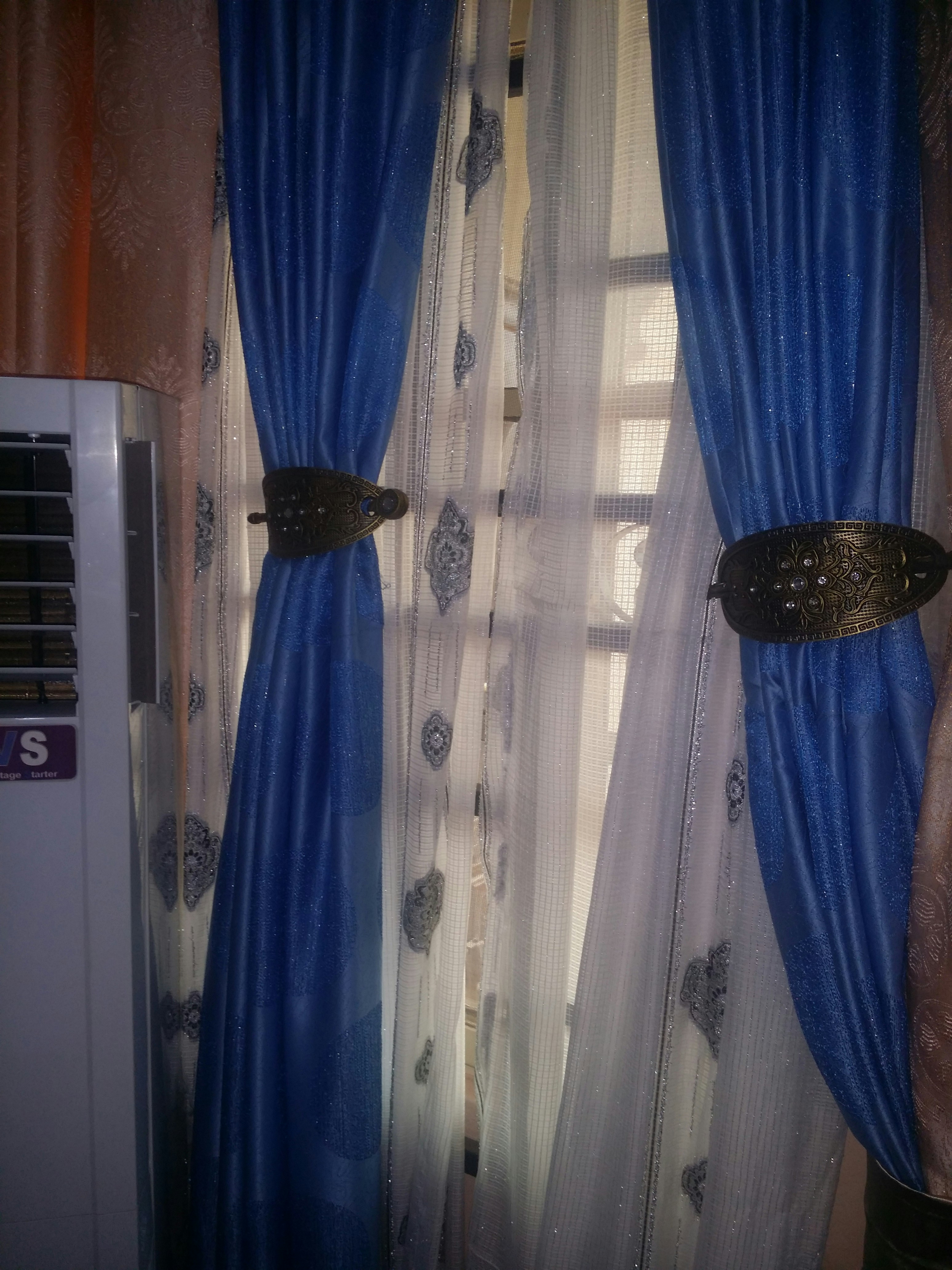
Another effective solution involves the use of clip rings. By attaching your curtains to these rings, you can create a softer silhouette, offering an elegant look that distracts from the rod itself. Clip rings come in various finishes and styles, allowing you to customize the aesthetic to suit your space while effectively hiding the rod from view. They also facilitate smooth opening and closing of curtains, further enhancing functionality.
For those looking for bespoke options, companies now offer custom hardware solutions designed to integrate with your decor. From decorative rod covers to ornamental finials, these creative choices enable homeowners to present a more cohesive interior design. Some of these systems even include motorized options which can further reduce visibility and maximize the operation of your window treatments. Custom hardware can truly transform not only the function of your curtains, but also how they contribute to the overall look of the room.
By selecting the right hardware, you can cleverly hide your curtain rods while enhancing the visual appeal of your space. The combination of concealment and aesthetics is key to achieving a polished and sophisticated look in your interiors without compromising on the effectiveness of your window treatments.
Conclusion: Choosing the Right Method for Your Style
When it comes to hiding curtain rods, various creative solutions have been explored, each offering unique benefits that cater to different tastes and aesthetic preferences. The methods discussed, such as employing decorative drapery, utilizing curtain track systems, or incorporating shelves and other architectural elements, each provide pragmatic and visually appealing options. Selecting the right approach depends significantly on individual style, room decor, and the practical implications associated with each method.
For instance, if a minimalist and clean look aligns with your personal aesthetic, using a ceiling-mounted curtain track may seamlessly integrate into your space while keeping the focus on the fabric itself. Conversely, if your decor leans towards eclectic, utilizing decorative rods complemented by ornate brackets can serve as a focal point, celebrating the curtain’s ornamental aspects. Additionally, the use of shelves provides both functionality and display opportunities, bridging the gap between practicality and design.
Moreover, it is essential to consider the room’s overall ambiance. A light, airy space may benefit from sheer fabrics paired with understated rods, while a more dramatic room can embrace bold and striking solutions. As you navigate these choices, think about how blending different techniques can enhance your design vision. Combining elements, like using concealed mounts alongside decorative trims, can create an individual aesthetic that tells a unique story within your home.
Ultimately, the key to achieving a harmonious look is to reflect on what resonates with your style while ensuring that the chosen method aligns with the function and theme of the respective room. Through creative experimentation and consideration of multiple approaches, you can beautifully conceal your curtain rods, allowing the drapes to enhance your space while contributing to an overall polished appearance.