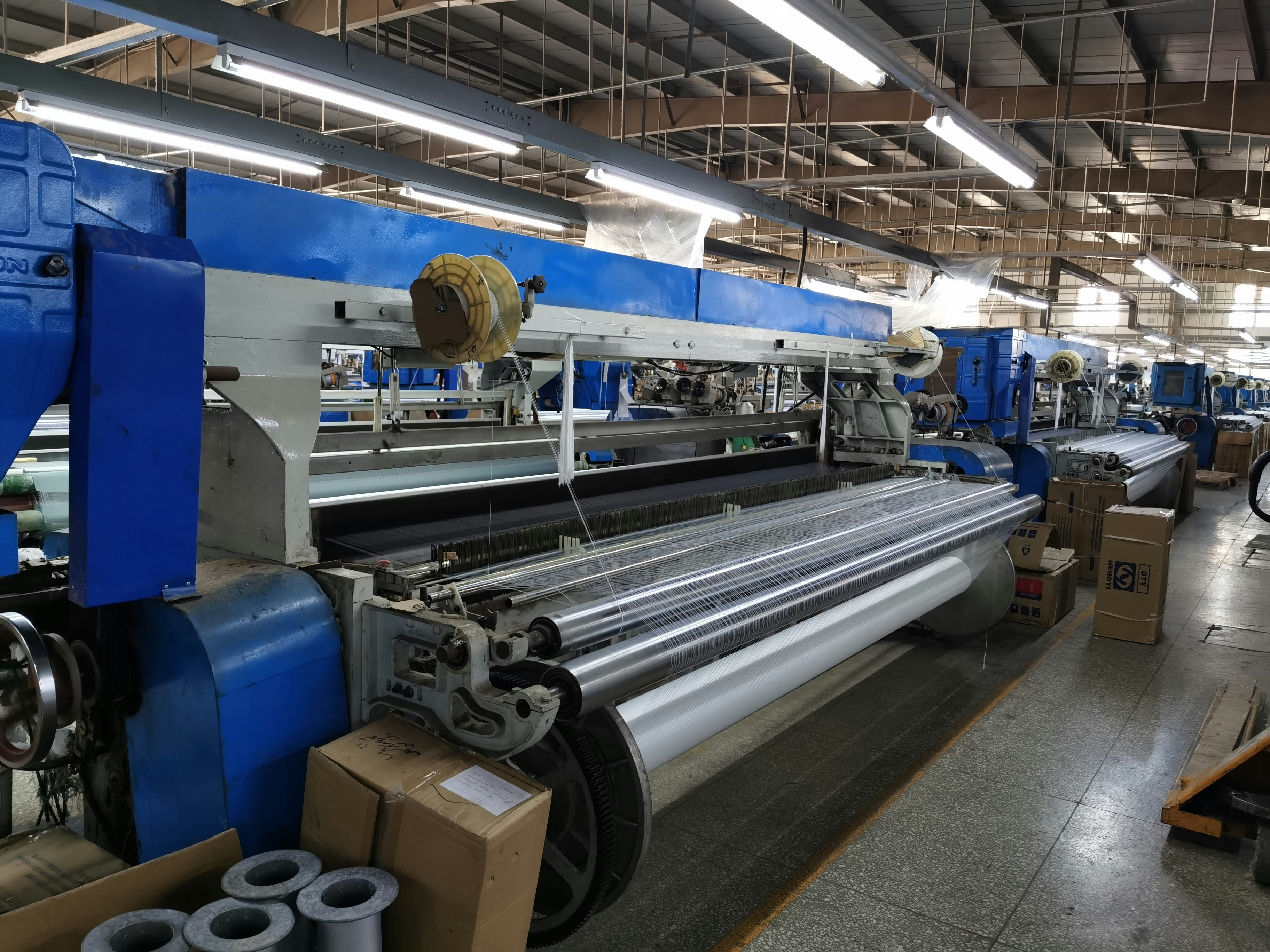
Introduction to the Global Textile Industry
The global textile industry is a vital component of the world economy, encompassing a wide range of activities from fiber production to garment manufacturing. As one of the largest industries worldwide, it generates millions of jobs and is a significant driver of trade and economic development. The sector includes notable players, such as multinational corporations and regional manufacturers, who collectively shape the landscape of textile production. Major textile companies are often key exporters, reflecting the industry’s importance in international trade.
Trends such as sustainability and technological advancements have become increasingly influential in shaping the global textile industry. As consumers and businesses prioritize eco-friendly practices, there has been a notable shift towards sustainable manufacturing methods, including the use of organic fibers, recycling initiatives, and reduced water consumption. This transition not only helps to minimize the environmental impact of textile production but also aligns with growing consumer demand for sustainable products.
Technological innovations, such as automation, artificial intelligence, and advanced textiles, are also transforming the landscape. These developments enhance efficiency in production processes and enable the customization of products, catering to diverse consumer preferences. Furthermore, digital transformation is facilitating better supply chain management and transparency, allowing companies to meet customer expectations with agility.
Understanding the dynamics of the global textile industry is essential for stakeholders seeking to navigate its complexities and harness emerging opportunities. As the sector continues to evolve, recognizing the critical role that textile manufacturing plays in international trade and its adaptations to sustainability and technology will be fundamental to achieving future growth and competitiveness in the market.
Criteria for Ranking Textile Manufacturing Companies
Ranking the largest textile manufacturing companies in the world involves a multifaceted evaluation process that incorporates various critical criteria. Among these, revenue stands out as a primary indicator of a company’s magnitude and financial strength in the industry. High revenue indicates robust sales performance and reflects the company’s market competitiveness. Analysts typically focus on the latest annual reports to ascertain gross revenues, which provide a clear view of the company’s financial vitality.
Another significant criterion is production capacity. This metric assesses the ability of textile manufacturers to produce goods at scale. Companies with higher production capacities can meet market demand more effectively, thereby solidifying their position in the global marketplace. This capacity must be analyzed alongside efficiency metrics, which illustrate not only how much a company can produce but also the cost-effectiveness of their operations.
Market presence is equally critical in determining a company’s ranking. This refers to the geographical reach, market share, and brand recognition of the manufacturers. Companies that operate on a global scale often command higher rankings due to their influence and ability to cater to diverse markets. Their established networks for distribution and supply chain management further bolster their industry standing.
Innovation capabilities play a pivotal role in this assessment as well. The ability of a company to adopt new technologies, develop innovative products, and implement sustainable practices is increasingly vital in the textile industry. Firms that lead in innovation are more likely to adapt to changing consumer demands and industry trends, earning them a prominent place in rankings.
In essence, the evaluation of textile manufacturing companies within this context is a comprehensive process that blends revenue analysis, production capabilities, market presence, and innovation metrics to ascertain each firm’s overall impact within the global textile sector.
Top 10 Largest Textile Manufacturers Worldwide
The textile manufacturing industry is crucial to the global economy, with several companies standing out due to their substantial influence, innovation, and production capacity. Below are profiles of the top ten largest textile manufacturers, highlighting their key facts and contributions to the industry.
1. Arvind Limited
Founded in 1931, Arvind Limited is headquartered in Ahmedabad, India. The company generates an annual revenue of approximately $1.5 billion and specializes in denim, woven fabrics, and textiles for various applications. Arvind’s commitment to sustainability and advanced technology positions it as a leader in the textile sector.
2. Vardhman Textiles Limited
Established in 1965, Vardhman Textiles is located in Ludhiana, India. With an annual revenue of around $1.1 billion, the company manufactures yarns, fabrics, and garments. Its focus on quality and innovation has made it one of the top players in the textile market.
3. China National Textile and Apparel Council (CNTAC)
As a governmental organization, CNTAC supervises the textile industry in China. Established in 2001, it oversees several manufacturing subsidiaries, contributing to China’s position as the largest producer of textiles worldwide.
4. Toray Industries, Inc.
Founded in 1926 and headquartered in Tokyo, Japan, Toray Industries operates with an annual revenue of approximately $18 billion. It manufactures synthetic fibers and textile products, with a strong emphasis on technological innovation.
5. DuPont de Nemours, Inc.
Known for its exceptional chemical and fiber products since 1802, DuPont is based in Wilmington, Delaware, USA. With revenues exceeding $20 billion, it focuses on high-performance materials and fibers, setting industry standards.
6. W. L. Gore & Associates, Inc.
Founded in 1958, W. L. Gore has its headquarters in Newark, Delaware, USA. The company has annual revenues of about $3.5 billion and is best known for its innovative GORE-TEX® fabric, a leader in waterproof and breathable textiles.
7. Lenzing AG
Based in Austria, Lenzing was established in 1938 and specializes in the production of sustainable fiber products, generating roughly $2 billion in revenue. Its eco-friendly approach has earned it recognition as a pioneer in the textile industry.
8. Adidas AG
Founded in 1949, Adidas is based in Herzogenaurach, Germany, and generates an annual revenue of approximately $30 billion. Though primarily noted for its sportswear, Adidas also plays a significant role as a textile manufacturer.
9. Indorama Ventures PLC
Founded in 1994 and based in Bangkok, Thailand, Indorama Ventures operates with an annual revenue of about $11 billion, focusing on polyester and textile manufacturing, and emphasizes sustainability in its production processes.
10. Shenzhou International Group Holdings Limited
Established in 2005 and headquartered in Ningbo, China, Shenzhou International has a revenue of about $3 billion. It is one of the largest garment manufacturers globally, supplying notable brands with high-quality apparel.
These companies are significant contributors to the textile manufacturing landscape, showcasing a dedication to quality, innovation, and sustainability within the industry.
Regional Analysis of Textile Manufacturing Powerhouses
The textile manufacturing industry has a diversified global presence, with several regions emerging as significant players in this sector. Asia stands out as the leading region, predominantly due to its vast labor pool, cost-effective production capabilities, and established supply chains. Countries like China, India, and Bangladesh are the dominant forces in this area, leveraging both economies of scale and advanced manufacturing technologies. These nations benefit from government support through incentives and favorable trade agreements, enhancing their competitive edge.
However, challenges in Asia include rising labor costs and environmental concerns. As sustainability becomes a focal point for consumers and regulators alike, manufacturing companies are increasingly pressured to adopt eco-friendly practices. This shift not only adds costs but also requires significant investment in technology and processes to comply with new regulations.
In contrast, Europe is renowned for its high-quality textile production, particularly in luxury and specialized fabrics. Countries such as Italy and Germany position themselves as leaders in innovation and craftsmanship, allowing them to maintain a strong foothold in niche markets. The European textile industry faces unique challenges, including the need to compete with lower-cost manufacturing regions and the effects of stringent labor and environmental regulations that can increase operational costs.
The Americas present a mixed landscape for textile manufacturing. While the United States has seen a shift towards reshoring in recent years, aiming to regain its lost manufacturing prowess, it still competes with both Asian and Central American manufacturers offering lower costs. Latin America has emerged as a site for textile production, particularly for companies focused on fast fashion, attracting investment due to geographic proximity to U.S. markets and favorable trade agreements.
Geographical factors, therefore, play a critical role in shaping the textile manufacturing landscape. Understanding the strengths and challenges unique to each region allows companies to strategize effectively, adapt to market shifts, and harness opportunities that align with global trends.
Innovations in Textile Manufacturing: Technology and Sustainability
The textile manufacturing industry is currently undergoing a significant transformation driven by technological advancements and a growing emphasis on sustainability. As companies strive to enhance their production capabilities while reducing environmental impact, various innovations have emerged, contributing to a more efficient and eco-friendly manufacturing process.
One of the foremost advancements is automation, which has significantly streamlined operations in textile manufacturing. By incorporating robotics and automated machinery, companies can increase production speed and reduce labor costs. Automation not only alleviates the burden on workers but also leads to more consistent product quality. Furthermore, advanced machinery can minimize waste during the cutting and sewing processes, aligning the production practices with contemporary sustainability goals.
Artificial Intelligence (AI) plays a pivotal role in optimizing manufacturing efficiencies. AI technologies help in demand forecasting, inventory management, and even in designing textile products that resonate better with consumer preferences. Machine learning algorithms analyze market trends and consumer behavior, enabling companies to make informed decisions that improve resource allocation and reduce excess inventory, which can contribute to waste.
On the sustainability front, innovations such as waterless dyeing and the use of recycled materials have gained traction in textile manufacturing. Waterless dyeing technologies drastically reduce water usage, which has been a critical concern in the industry. Moreover, companies are increasingly using recycled fibers, turning waste products into raw materials for new products. This not only conserves resources but also diminishes the overall environmental footprint associated with textile production.
In conclusion, the integration of technology and sustainability in textile manufacturing is essential for modern enterprises. By embracing automation and AI, along with sustainable practices, companies can reduce costs, enhance efficiency, and minimize their environmental impact, ultimately leading to a more responsible and competitive industry.
Challenges Facing Textile Manufacturers in 2026
The textile manufacturing sector is poised for several significant challenges as it navigates the complex landscape of 2026. One of the primary hurdles includes supply chain disruptions. Recent global events have underscored the vulnerabilities present in international supply chains, which have often resulted in delays, increased costs, and inventory shortages. Manufacturers must adapt to these challenges by diversifying their supplier bases and investing in more robust logistics solutions. Implementing advanced technologies such as blockchain may also help enhance supply chain transparency, ensuring that materials are sourced reliably and sustainably.
Additionally, regulatory pressures are expected to intensify in various regions, particularly concerning environmental practices and labor laws. Governments and organizations worldwide are increasingly prioritizing sustainability, imposing stricter regulations that demand manufacturers adhere to eco-friendly production methods. This shift towards compliance not only necessitates financial investments but also requires a cultural change within organizations to embrace sustainable practices throughout the manufacturing process.
Moreover, shifting consumer demands towards sustainability and ethical production will significantly reshape industry standards in 2026. Today’s consumers are more informed and conscientious than ever, often choosing brands that align with their values regarding environmental stewardship and ethical labor practices. Therefore, textile manufacturers must actively engage with these consumers, potentially re-evaluating their production methods, sourcing strategies, and marketing approaches to meet expectations. Developing eco-friendly products that appeal to an environmentally conscious market segment is crucial for retaining relevance in an increasingly competitive field.
In light of these challenges, the textile manufacturing industry will need to innovate continually, embracing change and adaptation. Successful companies will be those that proactively identify potential roadblocks and strategize effectively to overcome them, positioning themselves as leaders amid the evolving landscape of 2026.
Case Studies of Successful Textile Manufacturers
The textile industry is characterized by its dynamic nature, necessitating manufacturers to adopt innovative strategies to remain competitive. Several case studies illustrate how successful textile manufacturers have excelled in adapting to market changes, utilizing cutting-edge technology, and embracing sustainability.
One remarkable example is Inditex, the parent company of renowned fashion retailer Zara. Inditex has redefined the fast-fashion model through its “just-in-time” production strategy, which allows it to respond swiftly to changing consumer preferences. By integrating real-time data analysis into their supply chain, the company can design and produce garments based on current trends, which significantly reduces lead times and inventory costs.
Another noteworthy case is Bosch, a leader in textile machinery manufacturing. Bosch has embraced automation and smart technology in its textile production processes. Their investment in Industry 4.0 technologies, such as IoT-enabled machines, has enhanced efficiency and product quality. By adopting a data-driven approach, they have streamlined operations, reduced waste, and significantly cut operational costs.
Furthermore, Patagonia stands out for its commitment to sustainability in the textile sector. This company has pioneered the use of recycled materials in its product lines, setting a benchmark for environmental responsibility. Patagonia’s initiatives to promote fair trade practices and their transparent supply chain management serve as a model for other manufacturers. They have succeeded not only by inspiring loyalty among environmentally conscious consumers but also by leading a broader industry shift towards sustainable practices.
These case studies demonstrate that successful textile manufacturers are those who not only innovate but also foresee and adapt to the sustainable trends and technological advancements shaping the future of the industry. As the market continues to evolve, the emphasis on agility, sustainability, and customer-centric strategies becomes increasingly vital for all players in the textile market.
Future Trends in the Textile Manufacturing Industry
The textile manufacturing industry is poised for significant transformation over the coming years, largely driven by three key trends: the adoption of circular economy practices, the rising influence of e-commerce on supply chain strategies, and evolving consumer behaviors. These trends collectively reflect a shift toward sustainability, efficiency, and responsiveness in the industry.
One of the most noteworthy changes is the increasing commitment to circular economy practices. This approach emphasizes reducing waste and prolonging the lifecycle of textile products through recycling and repurposing. Companies are beginning to implement strategies that minimize textile waste, while also engaging in practices that focus on the reuse of materials. For instance, brands are exploring innovative recycling technologies that convert used textiles back into raw materials, fostering a more sustainable manufacturing model.
Another significant factor reshaping the industry is the impact of e-commerce on supply chain strategies. As online shopping continues to gain traction, textile manufacturers are adapting their operations to meet the growing demand for quick turnaround times and customized products. This shift necessitates a reevaluation of traditional supply chains, leading to more agile manufacturing processes. Brands are investing in digital technologies, such as data analytics and artificial intelligence, to optimize inventory management and streamline production cycles.
Moreover, consumer behavior is evolving, with a pronounced preference for sustainable and ethically produced textiles. This shift is particularly evident among younger generations, who prioritize transparency and sustainability in fashion. As a response, textile manufacturers are likely to enhance their focus on sustainable sourcing practices and transparent communication with consumers about their production processes.
In conclusion, the textile manufacturing industry is on the brink of substantial change. The integration of circular economy practices, adaptations to e-commerce dynamics, and shifts in consumer preferences are expected to shape the future landscape of textile manufacturing, fostering a more sustainable and efficient industry.
Conclusion: The Future Landscape of Textile Manufacturing
The textile manufacturing industry is undergoing significant transformations, driven by advancements in technology, shifts in consumer preferences, and the pressing need for sustainability. As outlined in this blog post, the largest textile manufacturing companies are not only focusing on meeting current demands but are also strategically adapting to the future landscape of this vital sector. The emphasis on innovation, such as the integration of automation and digitalization, is critical for enhancing operational efficiency and product quality.
Moreover, sustainability has emerged as a cornerstone of the industry’s evolution. Leading textile manufacturers are increasingly adopting eco-friendly practices, sourcing raw materials responsibly, and reducing waste throughout the production process. This commitment not only caters to environmentally conscious consumers but also fortifies the companies’ positioning in a market that is progressively valuing corporate responsibility.
Furthermore, the global landscape of textile manufacturing is influenced by geopolitical factors and trade dynamics. Companies must remain vigilant in navigating these changes to maintain a competitive edge. The ability to respond promptly to disruptions, while also understanding the regional nuances of consumer behavior, will play a pivotal role in determining which companies will thrive.
In conclusion, the future of textile manufacturing hinges on a proactive approach that prioritizes adaptability and innovation. Companies that embrace change and continually seek to improve their sustainability practices will be well-positioned to meet the evolving demands of consumers and regulatory bodies alike. As the industry progresses, staying informed and prepared for potential challenges will be essential for sustained growth and success in this dynamic market.