Introduction to Rayon Fabric
Rayon is a semi-synthetic fiber that has its roots in the late 19th century, developed as an alternative to silk. Initially called ‘artificial silk,’ rayon was created through a process of regeneration from cellulose, primarily derived from wood pulp. This unique characteristic distinguishes rayon from entirely synthetic fabrics such as polyester or nylon, as it combines natural materials with chemical processing.
There are several types of rayon fabric, with the most common varieties being viscose, modal, and lyocell. Viscose rayon is known for its smooth texture and vibrant color retention, making it a popular choice in high-fashion garments. Modal, a type of rayon made specifically from beech tree pulp, boasts increased durability and a silky feel, often preferred for activewear and loungewear. Lyocell, on the other hand, emerges from a closed-loop process where solvents are recycled, rendering it more eco-friendly. It is appreciated for its breathability and moisture-wicking properties, ideal for casual and formal clothing.
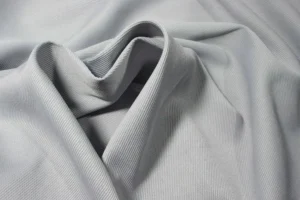
What sets rayon apart from other fabrics is its versatility and luxurious drape, which mimics natural fibers like cotton and wool. This fabric possesses a soft texture and is breathable, providing comfort in various climates. Furthermore, rayon has a tendency to absorb moisture, lending it an exceptional capability for dyeing and producing bold, saturated colors. However, it is essential to understand that rayon also has certain inherent limitations; it tends to wrinkle easily and can shrink if not cared for properly, particularly during washing and drying.
Understanding the fundamental characteristics of rayon is crucial for appropriate handling and maintenance, as this knowledge will provide insights into its behavior when exposed to heat, particularly in the dryer.
Understanding Fabric Shrinkage
Will rayon shrink in the dryer?Fabric shrinkage is a common concern among fabric users, particularly when it comes to laundering and drying garments. Essentially, fabric shrinkage refers to the reduction in size of a textile, which can occur for various reasons. Understanding this phenomenon involves recognizing both the physical and chemical processes that contribute to shrinkage, as well as the specific characteristics of different fibers.
There are two primary types of fabric shrinkage: physical and chemical. Physical shrinkage occurs when fibers contract after being exposed to heat, moisture, or agitation during washing and drying. This type of shrinkage is particularly common in natural fibers, such as cotton and wool, which tend to relax and shrink when subjected to these conditions.
Chemical shrinkage, on the other hand, happens as a result of alterations in fiber structure due to chemical treatments or finishes. For instance, some fabrics are treated with resins or other chemicals to prevent shrinkage; however, these treatments may become ineffective over time or through repeated laundering, leading to unexpected size alterations.
Different types of fibers react uniquely to heat and moisture. Synthetic fibers, such as polyester or nylon, generally exhibit less shrinkage compared to natural fibers because of their inherent properties and chemical composition. Rayon, which is a semi-synthetic fiber derived from natural cellulose, falls somewhere in between. It can shrink when exposed to moisture and high temperatures, making it crucial to follow specific care instructions.
Several factors contribute to fabric shrinkage, including the fiber composition, the textile construction, and the conditions under which the fabric has been processed and cared for. By understanding these elements, consumers can take proactive measures to minimize unwanted shrinkage, ensuring garments maintain their intended fit and appearance after washing and drying.
Rayon’s Reaction to Heat and Moisture
Rayon is a unique fabric, derived from cellulose, and its molecular structure contributes significantly to its reactions to heat and moisture. Unlike synthetic fibers like polyester or nylon, rayon is more akin to natural fibers, which makes it sensitive to environmental conditions. The cellulose fibers in rayon are less stable when subjected to high temperatures and humidity, causing notable changes in their dimensions.
When rayon is exposed to heat, the hydrogen bonds that maintain the structure of the fibers may break down. This breakdown is particularly exacerbated when moisture is present. The fibers absorb water, which can lead to swelling; if subsequently placed in a dryer on a high heat setting, this can trigger shrinkage due to the contraction of the fibers as they dry. Such conditions are critical to consider, especially for garments made of rayon that are frequently laundered.
Moreover, the degree of shrinkage can vary based on how the rayon is processed. For instance, rayon that has been mercerized, a process that treats the fabric with sodium hydroxide, tends to be more resistant to shrinkage than regular rayon. However, regardless of processing, if rayon items are placed in a dryer, the risk of shrinkage remains. It is essential to recognize that rayon’s reaction to heat and moisture significantly differs from fabrics such as cotton or polyester, which are generally more resilient under similar conditions.
Understanding rayon’s sensitivity to heat and moisture is crucial for proper garment care. To maintain the integrity of rayon fabrics, it is advisable to wash them in cold water and air dry, avoiding the dryer whenever possible. By doing so, one can minimize the fabric’s tendency to shrink and preserve its texture and fit over time.
Does Rayon Shrink in the Dryer?
Rayon is a popular fabric known for its silk-like feel and breathability; however, its care requirements can be somewhat complex. One of the most frequently asked questions regarding rayon is whether it shrinks in the dryer. The answer is nuanced and requires an understanding of rayon’s composition and how it reacts to heat and moisture during the drying process.
Rayon is a semi-synthetic fiber made from regenerated cellulose. This means that it is derived from natural sources, but its manufacturing process alters its properties significantly. When rayon is exposed to high temperatures, especially in a dryer, it becomes susceptible to shrinking. The degree of shrinkage can depend on several factors, including the fabric’s initial construction, the textile blends (if it is mixed with other fibers), and the heat settings used in the dryer.
Experts suggest that rayon can experience shrinkage ranging from 3% to 10% if dried on high heat. Different washing and drying methods can influence this outcome considerably. For example, using a delicate cycle with low or no heat in the dryer is less likely to cause significant shrinkage. Additionally, pre-shrunk rayon fabrics may hold their size better than untreated fabrics. Another factor that contributes to shrinkage is moisture; wet rayon is more prone to shrinking than when it is dry. Therefore, allowing rayon garments to air-dry is often recommended to maintain their original dimensions.
In light of these considerations, consumers should be cautious when drying rayon items. Consulting care labels for recommended drying methods and settings can minimize the risk of unintended shrinkage. Ultimately, understanding the care requirements of rayon will enable individuals to enjoy their garments without the concern of compromising size and fit.
Preventing Rayon Shrinkage
Rayon is a versatile fabric that offers a luxurious feel and remarkable drape, making it a popular choice in clothing. However, it is equally renowned for its tendency to shrink, especially when exposed to heat. To help maintain the integrity of rayon garments, it is crucial to adopt best practices for washing, drying, and ironing.
When washing rayon, always opt for cold water. Hot water can facilitate the fiber’s shrinkage, so adjusting the washing temperature is the first step towards preserving your clothes. It is advisable to use a gentle cycle to minimize agitation, further reducing the risk of shrinkage. Additionally, using a mild detergent specifically designed for delicate fabrics can help prevent damage.
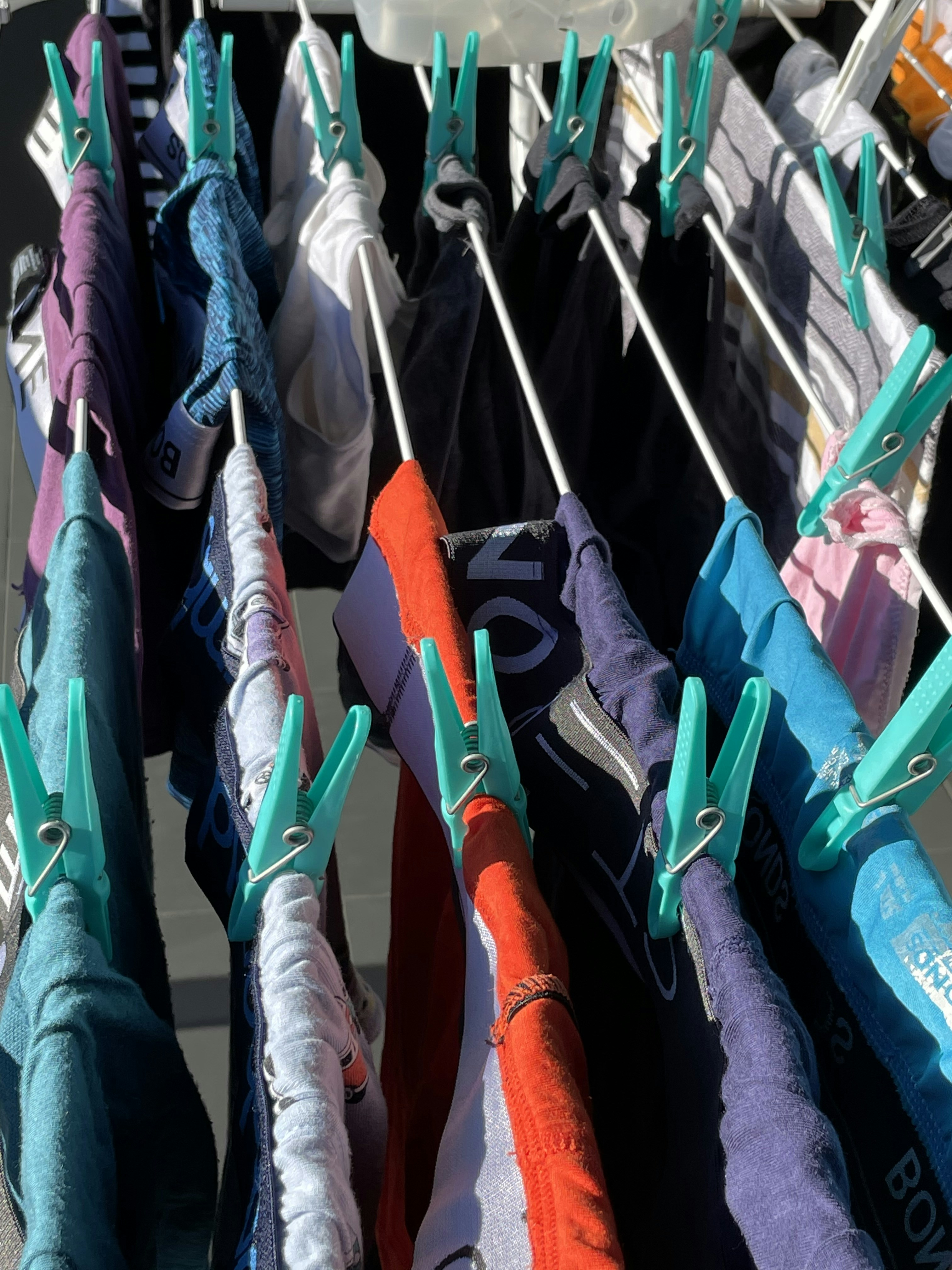
After washing, the drying phase is critical. Air drying is the preferred method for rayon garments. Lay the clothing flat on a clean towel or drying rack, which helps absorb moisture without exposing the fabric to heat. If using a dryer is unavoidable, select the lowest heat setting and a delicate cycle. Even then, it is wise to remove the garment while it is slightly damp. This reduces the likelihood of shrinkage and allows the fabric to finish drying without contraction.
Ironing rayon requires special attention as well. Always set the iron to a low temperature to avoid burning or melting the fibers. It is beneficial to iron rayon while it is still slightly damp or use a steam setting, which can help smooth out wrinkles without applying too much direct heat.
By adhering to these guidelines for washing, drying, and ironing rayon, one can significantly mitigate the risk of shrinkage, ensuring that these elegant garments maintain their original fit and feel for years to come.
When a rayon garment experiences shrinkage, it can be disheartening, especially if it was a favorite piece in your wardrobe. Fortunately, there are several methods available that may help restore the original fit of your rayon clothing. It is essential, however, to approach repairs with care to avoid further damage.
One common technique for repairing shrunk rayon is the use of lukewarm water and a gentle stretching method. Begin by filling a basin with lukewarm water and add a few drops of a mild, unscented fabric conditioner. Submerge the shrunk rayon item in the mixture, allowing it to soak for approximately 30 minutes. This will help relax the fibers of the fabric.
After soaking, remove the garment and gently wring it out to eliminate excess water. While the fabric is still damp, lay it flat on a clean towel. Gradually stretch the fabric back to its original size. It is crucial to apply even pressure to avoid distorting the shape of the garment. Hold the fabric in place with weights or additional towels to maintain the stretched form as it dries.
Another technique involves the use of steam. A garment steamer can be handy for this purpose. Hang the garment on a sturdy hanger and steam from a safe distance, taking care not to burn the fabric. As you steam, gently pull the fabric in the affected areas to help it expand back to its original size.
If these methods do not yield satisfactory results, professional alteration services are an option. A skilled tailor may be able to make adjustments that can help salvage the garment. It is advisable to consult a professional who is experienced with rayon materials, as they will be familiar with the best techniques for repair.
Rayon Care Tips
Rayon is a versatile and soft fabric known for its vibrant colors and luxurious feel. However, to maintain its beautiful appearance and prolong its life, specialized care is essential. Start with the washing process; always check the care label for specific instructions, but generally, opting for cold water and a gentle cycle is advisable. Hand washing is an excellent alternative, providing even greater control over the care of the garment.
When it comes to stain removal, prompt action is key. Blot the stain without rubbing, as this could damage the fibers. Use a mild detergent mixed with water to treat the stain, allowing it to sit for a few minutes before rinsing thoroughly with cool water. For more stubborn stains, consider professional cleaning services that specialize in rayon care, as certain chemicals can worsen the situation.
Drying rayon requires caution as well. To avoid shrinkage, lay the garment flat on a clean, absorbent towel or hang it to air dry away from direct sunlight. It’s essential to avoid the dryer altogether, as heat can cause significant damage to rayon, leading to unwanted shrinkage and distortion of the fabric’s shape. If ironing is necessary, it’s best to do so while the fabric is slightly damp. Use the lowest heat setting and place a thin cloth between the iron and the rayon to prevent direct contact, which could lead to scorching.
Finally, storage is also a crucial aspect of rayon garment care. Hang rayon clothing on padded hangers to maintain their shape and prevent wrinkles. For long-term storage, fold the garment carefully in acid-free tissue paper to preserve its appearance. By following these rayon care tips, you can keep your garments looking fresh and elegant for years to come.
Comparison with Other Fabrics
When assessing the shrinkage tendencies of various fabrics, it is essential to consider the characteristics of rayon in comparison to other common materials, such as cotton, polyester, and wool. Each of these fabrics exhibits different behaviors when subjected to washing and drying processes, influencing their durability and maintenance requirements.
Rayon, a semi-synthetic fiber known for its silk-like feel and breathability, can experience significant shrinkage, especially when exposed to high heat and rough washing conditions. This is primarily due to its cellulose-based composition, which can absorb water and expand during the washing process. If not treated with care, rayon items may shrink up to 10% after a wash and further more in the dryer.
Cotton, on the other hand, is a natural fiber that is generally more resilient than rayon. While cotton also has the potential to shrink, particularly in its raw state, the degree of shrinkage can be less severe if the cotton is pre-shrunk. Additionally, cotton’s ability to withstand higher dryer temperatures compared to rayon means that it is less likely to shrink if dried properly.
In contrast, polyester, a synthetic fabric, is well-known for its resistance to shrinkage and wrinkling. Polyester fibers retain their shape despite varying temperatures and do not absorb moisture as easily as rayon or cotton, resulting in minimal shrinkage issues. This makes polyester a favorable option for those looking for low-maintenance garments.
Lastly, wool, a natural fiber, behaves distinctly; it has a propensity to shrink drastically under high heat or agitation. Known for its elasticity, wool can felt if subjected to improper washing methods, leading to a permanent reduction in fabric size. Therefore, while rayon can shrink in the dryer, other fabrics such as polyester and, to an extent, pre-shrunk cotton showcase varied patterns of excess shrinkage under similar conditions.
Conclusion
In conclusion, understanding how to properly care for rayon fabrics is essential for maintaining their appearance and longevity. Rayon is a versatile material prized for its softness and breathability but requires special attention during laundry processes. One crucial aspect to recognize is the potential for rayon to shrink when subjected to high heat in the dryer. As discussed, rayon is a semi-synthetic fiber that can react sensitively to temperature changes, causing fibers to contract.
The importance of adhering to care instructions cannot be overstated. For rayon garments, it is advisable to air dry or utilize low heat settings to minimize the risk of shrinkage. Additionally, pre-washing and line drying can offer extra protection against unwanted alterations in size. It’s beneficial for consumers to remember that moisture and heat can be detrimental to rayon’s structural integrity.
Ultimately, the key takeaway is that with informed care practices, you can enjoy your rayon clothing without the fear of shrinkage. Proper maintenance not only preserves the fabric’s aesthetic qualities but also extends the lifespan of the garment. If you wish to maintain the beauty and comfort of your rayon garments, remember to avoid high heat and opt for more gentle drying techniques. By incorporating these practices into your routine, you can better ensure your rayon clothing remains in optimal condition for years to come.