Introduction to Mattress Covers in Tropical Settings
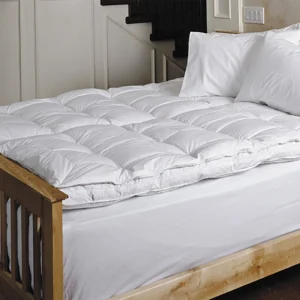
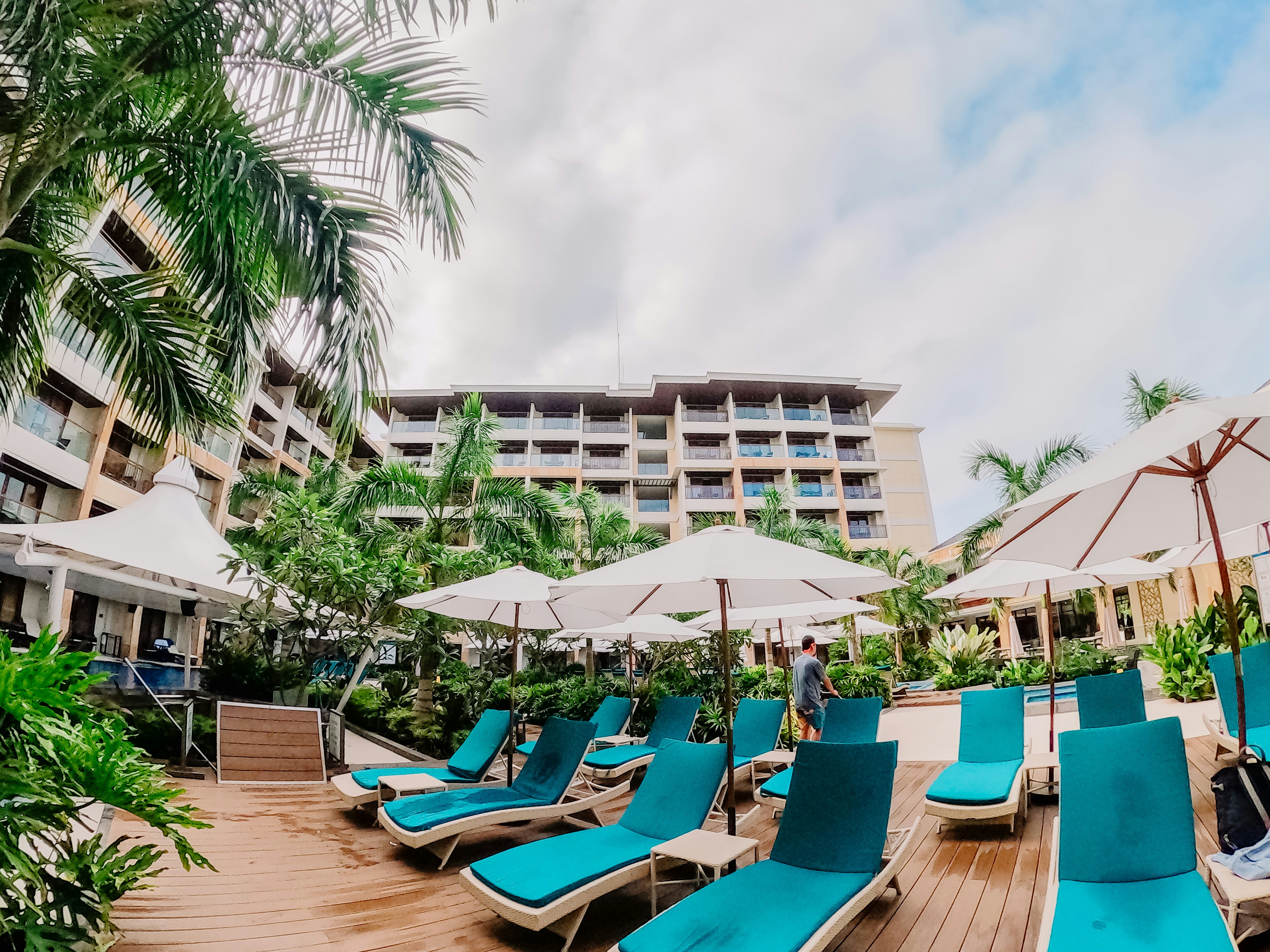
In tropical resorts, where hot and humid conditions prevail, the selection of appropriate mattress covers becomes crucial. Mattress covers serve as protective barriers for bedding, safeguarding them from moisture, allergens, and wear while enhancing comfort and hygiene. The significance of quality mattress covers extends beyond mere aesthetics; they play a critical role in maintaining a conducive sleeping environment for guests. In regions characterized by high humidity and heat, ensuring effective moisture management is of paramount importance.
When considering mattress covers for use in tropical settings, two popular material options emerge: breathable TPU (Thermoplastic Polyurethane) and vinyl. Each offers unique characteristics relevant to the challenges posed by the climate. Breathable TPU is recognized for its moisture-wicking properties and its ability to allow air circulation, consequently creating a cooler sleeping surface. This feature is essential in tropical resorts, where guests seek relief from surface heat accumulation, ensuring a comfortable night’s sleep.
On the other hand, vinyl mattress covers are often celebrated for their water resistance and durability. While they provide excellent protection against spills and allergens, they may not offer the same level of breathability as TPU. The risk of heat buildup can pose discomfort to guests, especially in tropical environments where sleeping under hot conditions can lead to disturbed rest. Therefore, it is essential for resort management to carefully evaluate the performance of these materials based on factors such as moisture control, durability, and guest comfort.
The choice between breathable TPU and vinyl mattress covers is a decision rooted in the unique needs of tropical resorts. Assessing the advantages and disadvantages of each material will help resort operators create the most inviting and comfortable atmosphere for their guests. This comparison, aimed at the specific environmental challenges of tropical locales, underscores the importance of selecting appropriate mattress covers for optimal guest satisfaction.
Understanding Breathable TPU Material
Thermoplastic polyurethane (TPU) is a versatile polymer that has gained significant attention in various industries, including the production of mattress covers for tropical resorts. This material is known for its unique combination of flexibility, durability, and water resistance, which makes it particularly suitable for applications requiring resilience against moisture and wear.
One of the standout characteristics of TPU is its impressive flexibility. This allows the material to adapt and conform to various shapes and surfaces, providing enhanced comfort for users. In tropical climates, where guest comfort is a priority, the ability of TPU to move with the body can greatly enhance the sleeping experience. Unlike rigid materials, TPU enables a more soothing interaction between the mattress and the sleeper, essential for promoting restful sleep in high-humidity environments.
Water resistance is another essential trait of TPU. This feature is critical for resorts situated in tropical areas where humidity and precipitation can be high, creating damp conditions that could lead to mold growth and mildew on traditional mattress covers. TPU’s water-repellent nature not only protects the mattress but also ensures that guests enjoy a hygienic and comfortable environment during their stay.
Furthermore, TPU is valued for its breathability. This attribute allows for enhanced air circulation within the mattress cover, reducing the buildup of heat and moisture. In tropical environments, adequate airflow can prevent discomfort caused by excessive warmth, offering guests a refreshing sleeping surface. The breathable nature of TPU contrasts sharply with vinyl covers, which may trap heat and humidity, ultimately diminishing comfort levels.
Overall, the advantageous characteristics of TPU, including flexibility, water resistance, and breathability, make it an ideal choice for mattress covers in tropical resorts seeking to prioritize guest comfort while maintaining durability and hygiene.
Exploring Vinyl Mattress Covers
Vinyl mattress covers have long been a popular choice for tropical resorts due to their distinctive properties and functionality. One of the standout features of vinyl is its exceptional water resistance, making it an ideal option for environments characterized by high humidity and exposure to moisture. This unique property helps protect the underlying mattress from spills, humidity, and even potential mold and mildew growth. For resorts, where maintaining cleanliness and hygiene is paramount, this quality provides a significant advantage.
In addition to water resistance, cleaning and maintenance of vinyl mattress covers is notably straightforward. A simple wipe down with a damp cloth often suffices to remove dirt, stains, and allergens, thus making it an appealing choice for busy resort staff. Such ease of cleaning ensures that the bedding remains fresh and inviting, contributing positively to the overall guest experience. Furthermore, vinyl covers are generally durable and able to withstand frequent usage, which is crucial in a resort setting where mattresses endure continuous turnover from guests.
However, despite these advantageous characteristics, vinyl mattress covers are not without their drawbacks. One notable concern is their tendency to retain heat, which can lead to discomfort during warm nights. The lack of breathability in vinyl covers may impede air circulation, causing discomfort for those sensitive to temperature regulation. For tropical resorts, where guests may expect cool, comfortable sleeping conditions, this can be a significant drawback. Additionally, the lack of breathability could lead to an increase in moisture buildup, potentially impacting the overall comfort of the bedding.
Balancing these advantages and disadvantages is essential for resorts considering vinyl mattress covers. While their durability and water resistance may suit the tropical climate, other factors such as heat retention must also be considered to ensure a positive guest experience.
Comfort and Breathability: A Comparative Analysis
The comfort levels and breathability of mattress covers are essential factors to consider, especially in tropical resorts where high humidity levels can impact guest experiences. Two common materials used in mattress covers are thermoplastic polyurethane (TPU) and vinyl. Each has distinct properties that affect temperature regulation and moisture control, directly influencing overall guest comfort.
TPU mattress covers offer enhanced breathability compared to vinyl. The structure of TPU allows for better air circulation, which helps in maintaining an even temperature throughout the night. This characteristic is particularly beneficial in tropical climates where excessive heat can lead to discomfort. Additionally, TPU is known for its moisture-wicking properties. It effectively draws moisture away from the surface, reducing the likelihood of sweat accumulation, which can result in a more comfortable sleep environment for guests.
On the other hand, vinyl mattress covers, while providing an excellent barrier against spills and stains, tend to trap heat. This material is less breathable, leading to potential issues with temperature regulation during warmer nights. The lack of airflow can create a clammy feeling, which may affect the overall comfort level for guests, particularly if they are sensitive to changes in temperature or humidity. Furthermore, vinyl is less effective in moisture management, as it can retain sweat and humidity, leading to an uncomfortable sleeping surface.
In summary, when comparing TPU and vinyl mattress covers, TPU emerges as a superior option regarding comfort and breathability. Its ability to facilitate air circulation and wick away moisture makes it more suitable for tropical resorts, ensuring that guests can enjoy a restful sleep amidst high humidity. By prioritizing these aspects in mattress cover selection, resort managers can enhance the overall guest experience, promoting enjoyment and satisfaction during their stay.
Durability and Maintenance Considerations
In the context of tropical resorts, where bedding materials are subjected to constant use by guests, the durability of mattress covers is a crucial factor. Two popular options in the market are breathable Thermoplastic Polyurethane (TPU) and vinyl mattress covers. Each has unique characteristics that determine its longevity and upkeep requirements.
Breathable TPU is renowned for its robust nature, making it an excellent choice for high-traffic environments. Its molecular structure lends itself to enhanced resistance to wear and tear, allowing it to withstand the rigors of daily use without significant degradation. In addition, TPU is less prone to cracking or tearing compared to vinyl, particularly under high temperatures and humidity typical in tropical climates. This resilience is vital for maintaining the aesthetics and functionality of mattresses, ensuring guest satisfaction and comfort.
Conversely, vinyl mattress covers are also durable but may not withstand similar conditions over extended periods. While vinyl is waterproof and offers good protection against spills and stains, it can become brittle and less flexible when exposed to heat and moisture. Thus, resort managers may find that vinyl mattress covers need to be replaced more frequently than their TPU counterparts, potentially increasing long-term costs.
Maintenance is another aspect to consider when evaluating these two materials. Breathable TPU covers are generally easier to clean. Most stains can be wiped away with a damp cloth and mild detergent, while high-quality TPU also resists mold and mildew, often requiring less intensive cleaning. In contrast, vinyl, while easy to clean with common disinfectants, may require more regular upkeep due to its tendency to show wear over time.
Ultimately, the choice between breathable TPU and vinyl mattress covers for tropical resort settings should be informed by an analysis of their durability and maintenance ease. Selecting the right material can lead to significant savings and improved guest experiences, thereby contributing to the overall success of the resort operation.
Environmental Impact and Sustainability
The shift towards sustainable practices in the hospitality sector is increasingly evident, as tropical resorts adapt to meet the preferences of eco-conscious travelers. This transformation necessitates a closer examination of the environmental impact associated with materials commonly used in bedding, such as breathable thermoplastic polyurethane (TPU) and vinyl. The ecological footprint of these materials is a critical consideration, especially for establishments striving for green certifications.
Breathable TPU is recognized for its environmentally-friendly properties. Made from non-toxic materials, TPU is free from harmful phthalates, which are often associated with vinyl production. The production process of TPU also tends to generate fewer volatile organic compounds (VOCs), leading to reduced air pollution and a lower health risk for both consumers and workers. Furthermore, TPU is more biodegradable compared to vinyl, which significantly contributes to its eco-friendliness. When disposed of, TPU breaks down more naturally over time, minimizing long-term environmental impacts.
On the other hand, vinyl, while widely used for its durability and waterproof qualities, poses several sustainability challenges. The manufacturing processes involved in producing vinyl can be energy-intensive and contribute to ecological harm. Vinyl is also non-biodegradable, resulting in long-lasting waste in landfills. Its production typically involves the use of fossil fuels, adding to its overall carbon footprint. Consequently, resorts utilizing vinyl mattress covers may find it more challenging to attain green certifications due to the environmental implications associated with its lifecycle.
In summary, as tropical resorts evaluate their material choices for mattress covers, the comprehensive understanding of the environmental impacts of both TPU and vinyl is essential. The selection of breathable TPU can enhance a resort’s commitment to sustainability, aligning with the growing demand for green practices in the hospitality industry.
Cost Analysis: TPU vs. Vinyl Mattress Covers
When it comes to the selection of mattress covers for tropical resorts, the cost implications for resort owners are of paramount importance. Two popular options available are breathable Thermoplastic Polyurethane (TPU) and traditional vinyl mattress covers. Analyzing the costs associated with both materials can assist in making an informed choice that aligns with budget considerations.
Initially, the purchase cost of TPU mattress covers tends to be higher than that of vinyl alternatives. This discrepancy can be attributed to the advanced manufacturing processes and material quality associated with TPU, which enhance its breathability and comfort levels. However, it is essential to assess the long-term investment rather than simply the upfront costs. TPU materials generally offer superior durability, resistance to punctures, and longevity compared to vinyl. In the context of humid tropical environments, breathable TPU covers are notably less prone to developing mold and mildew, which often necessitates replacement.
Furthermore, maintenance costs should also be factored into the overall budget analysis. TPU covers are often easier to clean and maintain, reducing the frequency and cost of deep cleaning services. In contrast, vinyl covers, while seemingly cost-effective at purchase, may require more frequent replacement due to wear and tear, translating into higher long-term expenditures.
As a result, while TPU mattress covers may represent a higher initial investment, they can lead to overall savings for resort owners by minimizing replacement and maintenance needs. Consequently, resorts must weigh the initial costs against potential long-term benefits to determine which option would result in the most economical choice. By conducting a comprehensive cost analysis, owners can make decisions that support both immediate operational budgets and strategic financial planning for future growth.
Real-World Applications and Case Studies
In recent years, several tropical resorts have integrated either breathable TPU or vinyl mattress covers as part of their bedding solutions. These real-world applications provide valuable insights into the performance of each material in demanding environments characterized by high humidity and heat. One prominent example is a luxury resort in the Maldives, where management opted for breathable TPU mattress covers. The success of this initiative was measured through guest feedback and a noticeable decrease in odor retention and moisture buildup. Guests reported improved comfort levels and a more pleasant sleep experience, attributing this to the cover’s breathability and moisture-wicking properties.
Conversely, a resort in Cancun initially implemented vinyl mattress covers to withstand the high moisture levels associated with the coastal environment. While vinyl proved effective in safeguarding the mattresses against spills and other insulations, challenges arose in terms of comfort and air circulation. Guest feedback indicated that many found the sleeping experience to be less comfortable due to heat retention. This resort later shifted back to breathable TPU alternatives, leading to superior guest satisfaction and enhanced room turnover rates, ultimately showcasing the benefits of scientific material selection in tropical climates.
Another case worth mentioning involves a budget-friendly resort in Bali that utilized vinyl covers primarily for cost-effectiveness and their waterproof features. While the financial outcome was advantageous, guests expressed concerns regarding the temperature regulation of the materials. The management recognized that investing in breathable covers might encourage longer stays and positive reviews in the highly competitive tropical resort market. These case studies illuminate the long-term benefits of investing in breathable TPU mattress covers over traditional vinyl options, thus highlighting the balance between guest comfort and operational efficacy in tropical resorts.
Conclusion and Recommendations
In evaluating breathable TPU and vinyl mattress covers, several crucial factors have emerged that will assist tropical resorts in making an informed decision suited to their specific needs. Comfort represents a vital aspect as guests seek restful experiences during their stay. Breathable TPU covers provide superior comfort due to their moisture-wicking properties and ability to regulate temperature, making them particularly suitable for humid climates often found in tropical locales. In contrast, while vinyl offers a waterproof barrier, it can impede airflow, potentially leading to discomfort for guests.
Durability is another critical consideration. Breathable TPU covers typically exhibit excellent resilience and maintain their integrity over time, making them a reliable choice for high-traffic environments. Vinyl covers, although robust and resistant to stains and spills, may not hold up as well under constant exposure to heat and humidity, leading to discoloration and breakdown. Therefore, for tropical resorts, the long-term durability offered by breathable TPU is likely to prove more cost-effective in the long run.
Furthermore, the environmental impact of mattress covers cannot be overlooked, especially in a global climate-conscious era. Breathable TPU is often viewed as a more sustainable option, commonly being made from non-toxic materials and having the potential for recyclability. In contrast, traditional vinyl production contributes significantly to pollution and is generally not recyclable. This aspect should resonate strongly with resorts committed to eco-friendly practices.
Finally, the cost efficiency of both cover types must be weighed. While initial investments in breathable TPU covers may be higher, their durability and guest satisfaction could lead to reduced replacement costs and improved occupancy rates. Therefore, resorts should consider the holistic benefits of investing in breathable TPU over the cheaper option of vinyl.
In conclusion, when balancing comfort, durability, environmental impact, and cost efficiency, breathable TPU mattress covers emerge as the superior choice for tropical resorts aiming to provide a quality guest experience while supporting sustainable practices.