Introduction to Antimicrobial Pillowcases
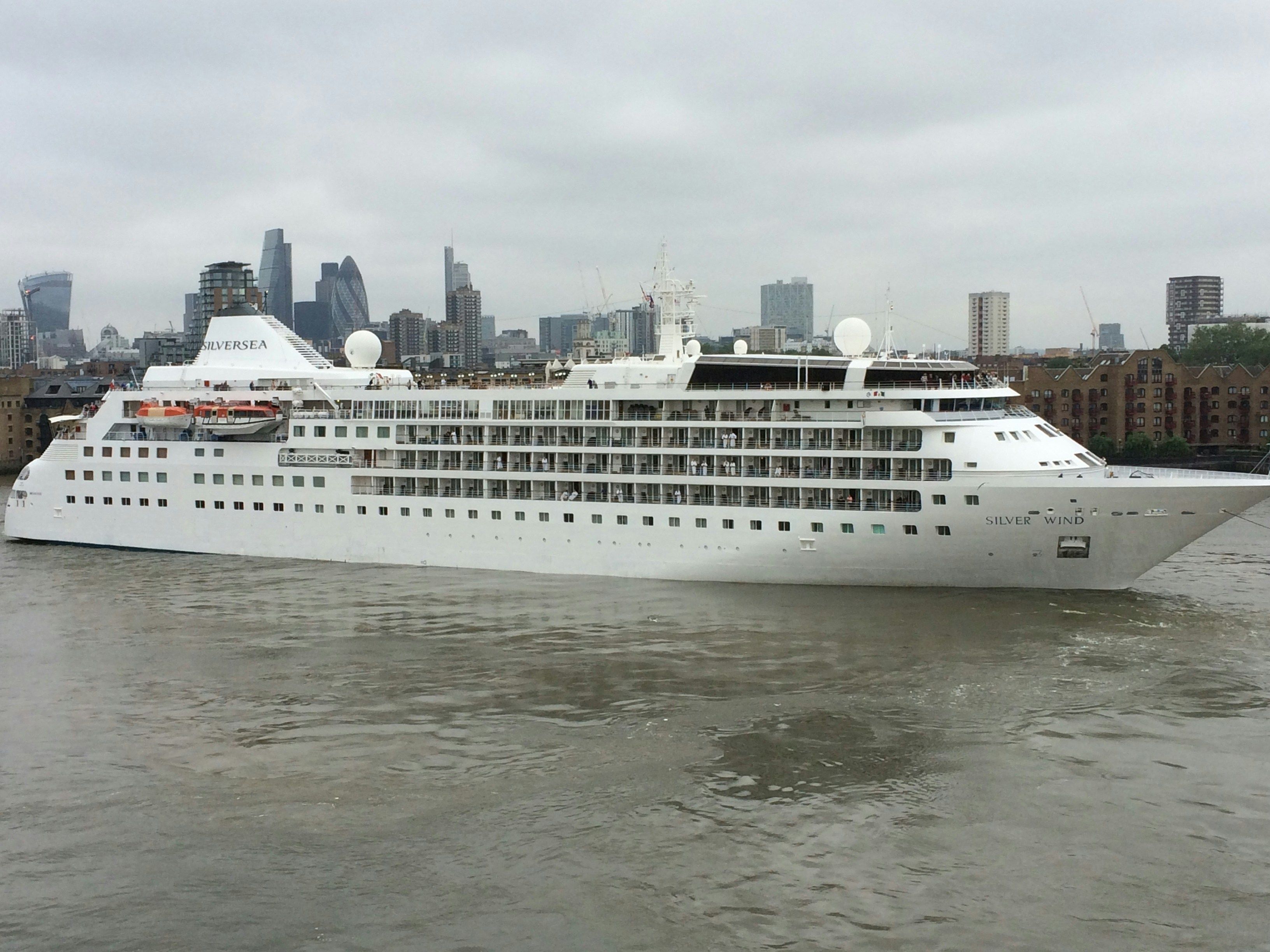
In recent years, the focus on hygiene and health in shared environments, such as cruise ships, has become paramount. With large numbers of individuals coming together in close quarters, the risk of germ transmission significantly increases. One innovative solution aimed at enhancing cleanliness and comfort in these scenarios is the introduction of antimicrobial pillowcases, particularly those infused with silver ion technology.
Antimicrobial pillowcases are specifically designed to inhibit the growth of harmful bacteria, viruses, and fungi, thereby maintaining a cleaner sleep surface. Unlike traditional pillowcases, which may harbor bacteria and become a breeding ground for allergens, antimicrobial options utilize advanced materials that actively combat microbial proliferation. Silver ion technology plays a crucial role in this preventive measure, as silver ions possess natural antimicrobial properties, which are effective in neutralizing a broad spectrum of pathogens.
The importance of using these specialized pillowcases extends beyond mere comfort; it is fundamentally a health-centric enhancement. By reducing the microbial load on surfaces where individuals rest their heads, antimicrobial pillowcases can contribute to better overall health for passengers and crew alike. The benefits of these products are particularly critical in environments like cruise ships where the rapid turnover of guests can lead to a variety of hygiene challenges.
In addition to promoting health, antimicrobial pillowcases can also improve user comfort. The material used in these pillowcases is often softer and more breathable than standard options, ensuring a restful sleep experience. Moreover, by maintaining a hygienic sleep environment, passengers can enjoy their journey without the worry of exposure to harmful pathogens. As cruise lines adopt these innovations, antimicrobial pillowcases are likely to become a standard feature in rooms, contributing significantly to the overall hygiene efforts onboard.
Understanding Silver Ion Technology
Silver ion technology is a sophisticated approach utilizing the natural antibacterial properties of silver to combat microbial growth. At the molecular level, this technology operates by releasing silver ions, which are positively charged particles that can disrupt key cellular processes in bacteria, mold, and fungi. When silver ions come into contact with microbial cells, they penetrate the cells’ membranes, leading to the disruption of vital cellular functions. This ultimately results in the inhibitance of growth and reproduction, rendering these microorganisms inactive.
The efficacy of silver ions as an antimicrobial agent is supported by numerous scientific studies, highlighting their ability to target a wide spectrum of pathogens. Notably, the release of silver ions is facilitated by the presence of moisture, which allows for an optimal reaction environment. This characteristic is particularly advantageous in maritime settings, where humid conditions may encourage microbial proliferation. In textiles, like pillowcases, this leads to a significant reduction in the presence of harmful bacteria, aiding in the enhancement of overall hygiene.
Moreover, silver ion technology offers a sustainable solution for maintaining textile hygiene, as it requires minimal washing and helps prolong the lifespan of fabrics. Unlike some traditional antimicrobial treatments that may degrade over time, silver ions remain effective throughout the life of the textile. The incorporation of silver ion technology in cruise ships not only contributes to improved passenger comfort but also aligns with the growing emphasis on health and safety standards within the hospitality industry.
In summary, the science behind silver ion technology reveals its powerful capabilities as an antimicrobial agent, making it a valuable innovation for textiles, especially in the demanding environment of cruise ships. Its ability to inhibit the growth of bacteria, mold, and fungi while maintaining fabric integrity is a testament to its effectiveness in promoting hygiene at sea.
The Need for Antimicrobial Solutions on Cruise Ships
The dynamic environment of cruise ships presents unique challenges in maintaining hygiene. With limited space and a rapid turnover of passengers, these floating hotels can become potential breeding grounds for harmful microorganisms. According to the Centers for Disease Control and Prevention (CDC), cruise ships have reported numerous outbreaks of illnesses, including norovirus, which can spread rapidly among passengers and crew. In fact, a CDC report noted that between 2008 and 2016, there were 230 reported outbreaks of gastrointestinal illness linked to cruise ships, highlighting the need for effective preventive measures.
The close quarters of cruise ship accommodations facilitate the easy transmission of germs. Passengers share amenities such as dining areas and pools, which exacerbates the risk of illness transmission. Research indicates that microbial populations thrive in environments where people congregate, making it essential for cruise lines to implement stringent hygiene protocols. Regular cleaning is necessary; however, incorporating antimicrobial solutions can enhance these efforts significantly.
Among the preventive strategies, the introduction of antimicrobial pillowcases with silver ion technology stands out as a promising innovation. Silver ions possess inherent antibacterial properties, offering an effective barrier against germs on frequently used items, such as pillows and linens. By employing such advanced materials, cruise ships can reduce the microbial load in passenger cabins, contributing to a safer and healthier environment.
Furthermore, several studies have demonstrated that using antimicrobial textiles can help lower the incidence of infections and enhance guest satisfaction. Cruise lines have a vested interest in maintaining their reputation, and by investing in antimicrobial solutions, they can better safeguard against potential health risks and provide a higher standard of care for their passengers.
Benefits of Using Antimicrobial Pillowcases on Cruise Ships
Antimicrobial pillowcases incorporating silver ion technology are rapidly gaining recognition for their numerous advantages, particularly in the context of cruise ships. One primary benefit is the significant reduction in the risk of infections. Silver ions possess inherent antimicrobial properties, which can deactivate a wide range of harmful bacteria and viruses that may be present on surfaces. This quality is especially pertinent in the close quarters of a cruise ship, where pathogens can spread easily among passengers and crew. By utilizing antimicrobial pillowcases, cruise lines can create a safer environment, which is paramount for the health and wellbeing of travelers.
In addition to mitigating infection risks, these innovative pillowcases significantly enhance passengers’ comfort. Conventional pillowcases often become breeding grounds for allergens and other irritants. However, by employing textiles treated with silver ions, cruise lines can offer a hygienically clean sleep surface, fostering better quality sleep for passengers. Comfort is a critical element in leisure travel, and when visitors feel secure in their sanitary conditions, their overall experience is likely to improve.
Moreover, implementing antimicrobial pillowcases contributes to the overall cleanliness of cruise ships. With reduced microbial growth, ship operators may find it easier to maintain cleaner accommodations, which can lead to higher passenger satisfaction and repeat business. An additional advantage is the potential for cost savings in laundry operations. By extending the lifespan of linens through antimicrobial properties, ships can reduce the frequency of laundering, consequently minimizing water usage and energy consumption. This not only slashes operational costs but also considerably lessens the environmental impact of cruise fleets, aligning with contemporary sustainability initiatives within the tourism industry. Overall, the integration of antimicrobial pillowcases on cruise ships promises to enhance both passenger comfort and operational efficiency, ultimately promoting a healthier maritime environment.
Case Studies on Antimicrobial Pillowcases in Hospitality
The hospitality industry, particularly cruise lines, has increasingly recognized the importance of hygiene and cleanliness in enhancing guest experience. A prominent example can be drawn from Cruise Line A, which implemented antimicrobial pillowcases infused with silver ion technology across its fleet. Following the introduction of these innovative materials, the cruise line reported a significant decrease in the incidence of skin irritations and infections among passengers. Feedback gathered through post-voyage surveys indicated that 87% of guests felt more comfortable and confident regarding their onboard accommodations, primarily attributing this to the enhanced hygiene standards established by these antimicrobial products.
Similarly, Hotel Chain B adopted a similar approach in its luxury establishments, incorporating antimicrobial pillowcases into all its guest rooms. The chain’s management noted a marked improvement in guest satisfaction scores, with positivity surrounding room cleanliness rising by 40% within six months of the change. Guests frequently commented on the visible measures taken to ensure their comfort and safety, reinforcing the chain’s commitment to cleanliness, particularly in the wake of the COVID-19 pandemic.
In a contrasting analysis, a selection of cruise lines that maintained traditional pillowcases without antimicrobial features observed a growing concern among passengers regarding hygiene levels. Complaints related to allergic reactions, along with increased anxiety about onboard sanitation, prompted these companies to reevaluate their linen choices. This comparative scenario showcased how the adoption of antimicrobial pillowcases significantly enhances hygiene standards and guest satisfaction, establishing a new benchmark in the hospitality sector.
Overall, the aforementioned case studies highlight not only the appreciation of guests for improved cleanliness through antimicrobial pillowcases but also the broader implications for customer loyalty and reputation management in the hospitality industry.
Selecting Quality Antimicrobial Pillowcases
When selecting antimicrobial pillowcases, particularly those utilizing silver ion technology, it is imperative to consider several key factors that contribute to their overall effectiveness and durability. First and foremost, the fabric type plays a crucial role in the performance of these pillowcases. Look for materials that not only provide a soft and comfortable feel but also possess inherent antimicrobial properties. Fabrics such as cotton blends, microfiber, or specially treated synthetic fibers are often recommended for their efficacy in combatting bacteria and promoting hygiene.
Another essential factor is the construction quality of the pillowcases. High-quality stitching and reinforcing seams can significantly enhance the longevity of the product and ensure that the antimicrobial treatment remains intact during regular washing. Ensure that the pillowcases can withstand frequent laundering without losing their functional attributes, as this is vital for maintaining a clean and hygienic environment aboard cruise ships.
Additionally, it is important to consider certification standards that relate to antimicrobial effectiveness. Look for pillowcases that have been independently tested and certified by recognized organizations. Such certifications often guarantee that the product meets specific standards in terms of antimicrobial efficacy, which adds an extra layer of reassurance for consumers.
Finally, it is beneficial to seek pillowcases that offer common features such as breathability, moisture-wicking capabilities, and hypoallergenic properties. Breathability ensures a comfortable sleep environment, while moisture-wicking helps to keep the pillowcase dry and free from bacteria. Hypoallergenic properties are particularly important for those who may have sensitivities to certain materials. By focusing on these characteristics, consumers can select high-quality antimicrobial pillowcases that provide maximum benefits in promoting hygiene and comfort during their voyages.
Challenges and Considerations
The implementation of antimicrobial pillowcases with silver ion technology on cruise ships presents various challenges and considerations that must be addressed to ensure their effectiveness and acceptance among passengers. One of the primary hurdles is the cost associated with these advanced materials. While the initial investment in antimicrobial pillowcases may be higher than traditional options, cruise lines need to evaluate the long-term benefits, such as reduced healthcare costs and improved passenger satisfaction. A comprehensive cost-benefit analysis can assist in making informed decisions regarding procurement.
Moreover, the laundering requirements of antimicrobial pillowcases pose additional challenges. Maintaining the efficacy of silver ion technology depends on proper cleaning and care. Cruise lines must ensure that their laundering facilities are equipped to handle these specialized fabrics without diminishing their antimicrobial properties. This necessitates staff training on handling and care procedures to maximize the lifespan and effectiveness of the pillowcases. Additionally, cruise lines may need to evaluate their current laundering processes to accommodate any new practices required for this technology.
Public perception is another significant consideration. Passengers may be skeptical about the benefits of antimicrobial products, viewing them as a marketing gimmick rather than a critical enhancement to hygiene. Cruise lines can overcome this challenge through effective communication strategies, emphasizing the proven science behind silver ion technology and its role in promoting a healthier onboard environment. Engaging in public awareness campaigns, providing transparent information about the materials used, and sharing testimonials can significantly influence passenger acceptance.
Finally, as environmental concerns grow, the sustainability of antimicrobial pillowcases should also be addressed. Cruise lines must seek suppliers that prioritize eco-friendly materials and practices to align with the broader commitment to sustainable tourism. By confronting these challenges, cruise lines can successfully adopt antimicrobial pillowcases that enhance onboard hygiene and passenger well-being.
Future Trends in Cruise Ship Hygiene
The cruise industry has witnessed significant shifts in hygiene practices, primarily driven by passenger expectations and global health challenges. As we look to the future, several trends are poised to emerge, enhancing how hygiene is prioritized on cruise ships. One major development is the advancement in fabric technology, particularly with the growing adoption of antimicrobial pillowcases featuring silver ion technology. This innovation not only reduces microbial growth on surfaces but also contributes to improved air quality aboard vessels, providing a safer environment for passengers and crew alike.
Sustainability considerations will also play a crucial role in shaping future hygiene practices. In light of increasing scrutiny over environmental impacts, cruise lines are likely to seek eco-friendly materials that maintain high hygiene standards while minimizing ecological footprints. The use of biodegradable fabrics, along with antimicrobial treatments, may become commonplace, allowing for both cleanliness and sustainability to coexist harmoniously. This dual focus aligns with the broader trend of greater corporate responsibility observed in various industries today.
The integration of comprehensive health protocols within onboard operations is another anticipated trend. With health security becoming a focal point, future cruise hygiene strategies may include enhanced sanitation measures, regular health screenings for passengers and crew, and real-time monitoring of hygiene standards across all areas of the ship. Experts in the cruise industry foresee that such protocols will not merely be reactionary but will evolve to create a baseline for healthier travel experiences, ensuring that safety and well-being are prioritized at all stages of the journey.
Overall, the evolution of hygiene standards in the cruise industry signifies a commitment to passenger welfare and environmental stewardship, creating pathways for innovation that will shape the future of maritime travel.
Conclusion and Recommendations
As the cruise industry continues to adapt to evolving health and safety standards, the integration of antimicrobial pillowcases featuring silver ion technology emerges as a significant innovation. Throughout this discussion, we have examined the critical role that such textile solutions play in enhancing hygiene onboard. The unique properties of silver ions serve not only to inhibit the growth of harmful bacteria and fungi but also contribute to a healthier sleeping environment, potentially reducing the risk of illness among passengers and crew.
Furthermore, the increased awareness of hygiene practices among travelers has set the stage for cruise lines to adopt advanced safety measures. By incorporating antimicrobial treatments into pillowcases, cruise operators can proactively address passenger concerns about cleanliness, thereby bolstering trust and enhancing the overall guest experience. It is imperative for cruise lines to prioritize these advancements, as they not only align with health regulations but also demonstrate a commitment to the well-being of customers.
In terms of recommendations, cruise lines should begin by conducting thorough assessments of their current bedding arrangements to identify areas where antimicrobial pillowcases can be integrated seamlessly. Collaborating with suppliers who specialize in innovative textile solutions ensures that the materials used meet industry standards for both performance and comfort. Additionally, training staff on the importance of maintaining hygiene standards with these products will further enforce the positive implications of using them.
Ultimately, the implementation of antimicrobial pillowcases with silver ion technology is a strategic investment that enhances hygiene and safety on cruise ships. By prioritizing these solutions, cruise lines not only protect their guests but also position themselves as leaders in the evolving landscape of maritime health standards.