Introduction to Polar Fleece
Can you iron polar fleece?Polar fleece is a synthetic fabric primarily made from polyester. This versatile material is known for its lightweight characteristics and exceptional warmth, making it an ideal choice for a range of clothing items and outdoor gear. Originating in the late 1970s, polar fleece was developed as an alternative to wool, providing both durability and ease of care. Its affordability and availability have since contributed to its widespread adoption in various industries.
One of the key properties of polar fleece is its impressive thermal insulation, which allows it to trap heat efficiently, keeping the wearer warm even in chilly conditions. It is also breathable and moisture-wicking, making it suitable for active wearers who require comfort during physical activities. The fabric is commonly used in jackets, sweatshirts, blankets, and hats, among other items.
In addition to its functional properties, polar fleece is admired for its soft texture and vibrant colors. This versatility has rendered it a favored choice for both casual and performance attire, appealing to various demographics ranging from outdoor enthusiasts to everyday consumers seeking comfort. Its easy-care properties, such as being machine washable and quick drying, further enhance its appeal, making polar fleece clothing and accessories practical for everyday use.
With the ongoing advancements in fabric technology, newer variations of polar fleece are continually being developed, including eco-friendly options that prioritize sustainable practices. As awareness of environmental impacts grows, the role of polar fleece in the textile industry continues to evolve, further solidifying its position as a functional and fashionable choice.
Why You Might Consider Ironing Polar Fleece
Ironing polar fleece may seem unnecessary to some, but there are several circumstances where one might consider this practice. Polar fleece, known for its softness and warmth, can sometimes develop wrinkles after washing or prolonged storage. These wrinkles can detract from the garment’s appearance, leading individuals to seek ways to restore its original look. Ironing may serve as a potential solution to smooth out these unsightly folds, resulting in a neater presentation and ultimately contributing to the overall aesthetics of the attire.
Another reason for ironing polar fleece is to freshen up the garment. Over time, even snugly wrapped fleece items can absorb odors despite proper washing. A gentle pressing can help release trapped smells, providing a renewed feeling of freshness. This can be especially beneficial before wearing polar fleece for special occasions or social events, where maintaining a polished appearance is crucial.
Caring for fleece items after washing is another vital consideration. Following laundry, polar fleece can become matted or lose its plush texture. Lightly ironing the fabric can aid in rejuvenating its tactile quality, ensuring that it remains soft and cozy. It is important, however, to utilize the appropriate settings on the iron, as high temperatures may damage the synthetic fibers.
Taking care to iron polar fleece with caution can help extend the lifespan of these beloved garments. Delicate treatments are essential in preserving the fabric’s integrity while achieving desired outcomes.
As such, whether for aesthetic reasons, to refresh a well-loved item, or to care for a recently washed piece, ironing polar fleece can be beneficial when done properly.
Is it Recommended to Iron Polar Fleece?
When it comes to caring for polar fleece, many experts and manufacturers advise against using an iron. One of the primary reasons is that polar fleece is made from polyester fibers, which can be damaged or altered by the heat of traditional ironing. The high temperatures of an iron can cause the fibers to melt or lose their shape, leading to irreversible damage to the fabric. Thus, if you are considering ironing your polar fleece garments, it is essential to understand the potential consequences of this action.
Additionally, polar fleece is designed to be both warm and lightweight, attributes that often stem from its unique woven texture. Ironing can flatten this texture, compromising the insulating properties that make polar fleece a favored choice for colder climates. When the fabric loses its structure, it may not trap air as effectively, diminishing its overall warmth and functionality.
Moreover, many polar fleece items come with a care label that advises against ironing. Manufacturers typically recommend alternative methods for maintaining the appearance of fleece items. For instance, if a polar fleece garment appears wrinkled, throwing it in the dryer on a low heat setting for a few minutes can often help to relax the fibers and restore a smooth appearance. In fact, steam generated from a shower can also help remove light wrinkles without the risk associated with direct heat.
In summary, it is generally advisable to avoid ironing polar fleece due to the risk of damaging the fabric, compromising its insulation properties, and disregarding manufacturers’ care instructions. Opting for safer alternatives can ensure the longevity and functionality of polar fleece garments.
Safe Ironing Techniques for Polar Fleece
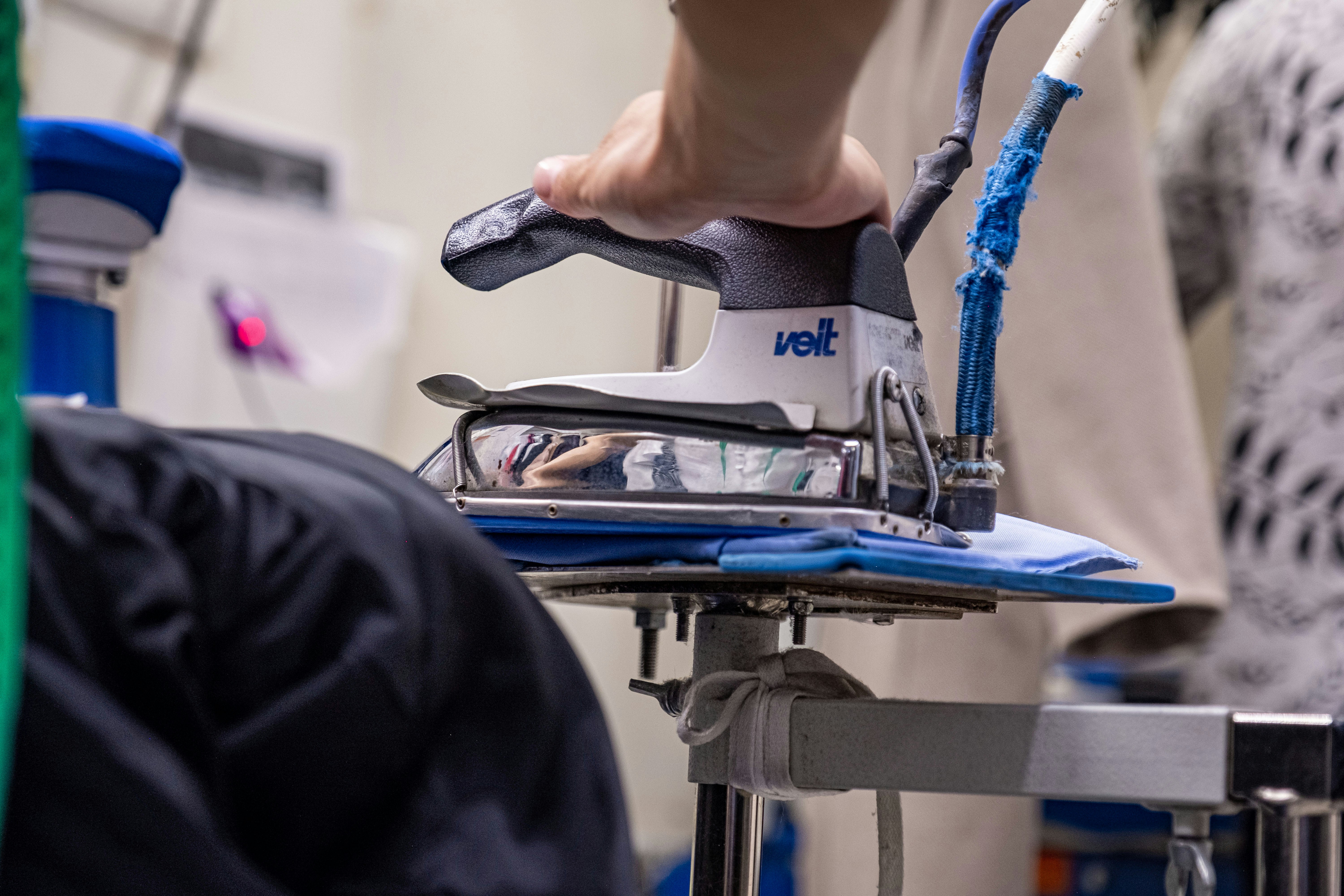
When it comes to ironing polar fleece, caution is essential to preserve the fabric’s integrity and softness. Polar fleece is a synthetic material made from polyester, which can be sensitive to high temperatures. Therefore, it is crucial to use proper techniques to ensure effective and safe ironing.
First, it is advisable to use the lowest heat setting available on your iron, ideally labeled as the “synthetic” setting. This low temperature minimizes the risk of melting or damaging the fibers of the fleece. Additionally, to further protect the fabric, you can place a clean cotton cloth or a pressing cloth over the fleece before applying the iron. This acts as a barrier and helps diffuse the heat more evenly.
When ironing, maintain a safe distance between the iron and the fleece. It is recommended to keep the iron at least a half-inch away from the fabric to avoid direct contact, which can lead to scorching or permanently altering the texture. If your iron has a steam feature, you may also use it cautiously. Holding the iron slightly above the fabric and allowing steam to penetrate can help eliminate wrinkles without direct heat.
If ironing still seems too risky, there are effective alternatives for smoothing out polar fleece. One popular method is using a fabric steamer, which allows you to remove wrinkles without the direct application of heat. Simply hang your garment and lightly steam the fabric from a distance, ensuring your movement is gentle to avoid over-saturating the fleece.
In conclusion, whether you choose to iron or use alternative methods like steaming, exercising caution is vital to keep your polar fleece looking its best. With the right techniques, you can maintain the softness and appearance of this cozy fabric while ensuring its longevity.
How to Properly Care for Polar Fleece
Polar fleece is a popular synthetic fabric known for its warmth and softness, often used in jackets, blankets, and other apparel. To ensure that polar fleece retains its cozy texture and appearance, proper care is essential. Initially, it is advisable to read the fabric care label, as manufacturers often provide specific washing and drying instructions tailored to their products.
Washing polar fleece should be performed in cold water using a gentle cycle. This helps to preserve the fabric’s fibers and prevents pilling, which can occur with harsher washing methods. It is best to avoid bleach and fabric softeners, as these can damage the synthetic fibers and compromise the insulating properties of the fleece. Instead, consider using a mild detergent designed specifically for synthetic fabrics.
When it comes to drying polar fleece, air drying is preferable. Hanging the garment on a line or laying it flat will help maintain its shape and prevent any shrinkage associated with direct heat. If using a dryer is necessary, a low heat setting can be utilized. However, keep in mind that direct exposure to high temperatures can lead to melting or deforming the material.
Additionally, storing polar fleece properly can help maintain its quality. It is recommended to fold polar fleece items and store them in a cool, dry location. Avoid tightly packing them into drawers or bins, as this can contribute to creasing. When taken care of properly, polar fleece does not typically wrinkle, reducing the need for ironing and ensuring its longevity and continued warmth.
Alternatives to Ironing Polar Fleece
While ironing polar fleece is typically not recommended due to the risk of damaging the fabric, there are several effective alternatives for maintaining its appearance and reducing wrinkles. One of the most recommended methods is steaming. Using a handheld steamer, you can gently apply steam to the fabric, allowing the warmth and moisture to relax the fibers and eliminate wrinkles. This method is not only safe for polar fleece but also helps preserve its texture and softness.
Another effective alternative is to utilize fabric softeners during the washing process. Fabric softeners can help reduce static cling in polar fleece, making it less prone to wrinkles. When washing your fleece garments, add a fabric softener to the rinse cycle according to the product instructions. This will leave the fabric feeling smoother, making it less likely to develop creases.
Proper drying methods play a crucial role in minimizing wrinkles on polar fleece. Instead of tossing polar fleece items in the dryer, consider air-drying them by laying them flat on a clean, dry surface. Avoid hanging them on a clothesline, as this can stretch the fabric and create new wrinkles. If you must use a dryer, set it to a low heat or delicate cycle, and promptly remove the items while they are still slightly damp. Shake them out gently to help restore their shape and prevent additional creasing.
Employing these alternatives will help you maintain the quality and appearance of your polar fleece without the risks associated with ironing. By incorporating steaming techniques, fabric softeners, and appropriate drying methods, you can effectively keep your fleece garments looking their best.
Common Misconceptions About Ironing Fleece Fabrics
When it comes to caring for fleece fabrics, misconceptions abound that can lead to improper handling and potential fabric damage. One prevalent myth is that ironing fleece is necessary to remove wrinkles. However, fleece is crafted from synthetic fibers that are inherently resistant to wrinkling. Thus, ironing is not only unnecessary but can also harm the fabric.
Another common misunderstanding is that all synthetic fabrics can be treated in the same manner. While some synthetic materials may be ironed at low temperatures, polar fleece has a unique structure that makes it particularly sensitive to heat. Exposing fleece to high temperatures can cause melting or singeing of the fibers, leading to irreversible damage. Therefore, it is crucial to treat fleece with care when aiming for a polished appearance.
Additionally, some individuals believe that using a pressing cloth will allow them to iron fleece safely. While pressing cloths can indeed protect certain fabrics, the heat sensitivity of fleece still poses a risk. Instead of ironing, it is recommended to steam the fabric lightly or hang it in a steamy bathroom to help release any stubborn creases without direct heat application. Doing so preserves the integrity of the fibers while effectively aiding in wrinkle removal.
Finally, it is important to note that washing and drying techniques can significantly influence the appearance of fleece. Many people mistakenly assume that tumble drying will lead to stiff or wrinkled fleece. On the contrary, using a low heat setting can help maintain the fabric’s softness without the risks associated with ironing. Hence, understanding these common misconceptions enables individuals to care for polar fleece correctly, ensuring the longevity of this popular fabric.
DIY Solutions for Wrinkled Polar Fleece
Polar fleece is a popular fabric known for its warmth, softness, and lightweight characteristics. However, it can sometimes become wrinkled, prompting questions about the best ways to smooth it out without resorting to ironing. Fortunately, there are several effective DIY solutions that can help eliminate wrinkles in polar fleece garments.
One simple method is to hang the wrinkled item in a steamy bathroom. The moisture in the air will help relax the fibers, allowing creases to fade away naturally. Just ensure the garment is hung securely and is not directly in contact with water to prevent any potential damage.
Another option is using the power of a hairdryer. By setting the hairdryer to a low heat setting, you can gently blow warm air over the wrinkled areas of the fleece. Maintain a safe distance to avoid overheating the fabric—doing this for just a few seconds can provide sufficient warmth to smooth out many wrinkles.
For those who prefer a more hands-on approach, a damp washcloth can be effective. Lightly mist the washcloth with water, then gently press it against the wrinkled areas. This method allows some moisture to penetrate the fleece, relaxing the fabric and reducing the visibility of wrinkles without the need for traditional ironing.
Lastly, if you have a steam iron with a vertical steaming function, you can utilize this feature. Hang the fleece garment up and run the steam over it from a distance. This way, you can freshen it up and smooth out the wrinkles without directly applying heat to the fabric, which can help preserve its texture and softness.
By applying these creative DIY solutions, individuals can effectively tackle wrinkles in polar fleece garments while maintaining their quality and appearance.
Conclusion: Best Practices for Polar Fleece Care
Caring for polar fleece requires attention to its unique properties to ensure its longevity and maintain its appearance. One of the primary takeaways is to always prioritize proper cleaning methods. It is advisable to wash polar fleece in cold water using a gentle detergent to retain its softness and vibrant colors. Avoiding fabric softeners is essential, as they can coat the fibers and diminish the fabric’s inherent wicking properties, which are crucial for moisture management.
Additionally, understanding the drying process is important for polar fleece care. While air drying is the safest method to prevent shrinkage, if a dryer is necessary, it should be set to a low heat or tumble dry setting. This helps maintain the original shape and texture of the fabric while avoiding damage. If wrinkles do occur, the best approach is to use a steamer, which can relax the fibers without direct heat, thus preventing potential melting.
Moreover, storing polar fleece properly can significantly impact its condition. It is best to fold polar fleece items instead of hanging them, as hanging can stretch the fabric over time. Keeping them in a cool, dry space away from direct sunlight can also prevent fading and deterioration, allowing for the fabric to remain in top-notch condition for years.
In essence, by following these best practices for cleaning, drying, and storing polar fleece, one can ensure that their garments and items not only remain functional but also retain their aesthetic appeal. With thoughtful handling, polar fleece can be enjoyed for its warmth and comfort without compromising its quality.