Introduction to Lyocell and Polyester
Is lyocell polyester?Lyocell and polyester are two popular fabrics utilized in diverse clothing and textile applications. Understanding their origins, production processes, and key characteristics is essential for anyone looking to make informed decisions about fabric choices.
Lyocell, a type of rayon, is made from the cellulose of wood pulp, primarily sourced from sustainable forests. The production process involves dissolving the cellulose in a solvent and then regenerating it into fibers through a wet spinning technique. This eco-friendly approach is one of the defining traits of lyocell, as the solvents used are largely non-toxic and can be recycled, minimizing environmental impact. Lyocell fibers are known for their softness, breathability, and moisture-wicking properties, making them an excellent choice for those seeking comfort and sustainability.
On the other hand, polyester is a synthetic fabric derived from petroleum-based products. The manufacturing process of polyester involves the polymerization of ethylene glycol and terephthalic acid. Polyester is known for its durability, moisture resistance, and quick-drying capabilities. These qualities make it a favored choice in activewear and outdoor clothing. However, the production of polyester is associated with environmental concerns, particularly due to its reliance on fossil fuels and the fact that it is not biodegradable, which poses challenges during disposal.
Both fabrics serve distinct purposes in the fashion and textile industry. While lyocell is celebrated for its sustainable credentials and comfort, polyester remains a dominant force due to its durability and versatility. Understanding these fabrics’ foundational aspects is key to recognizing their differences and applications in the fabric showdown.
The Manufacturing Process: How Each Fabric is Made
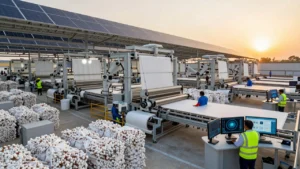
Understanding the manufacturing processes of lyocell and polyester reveals fundamental differences in their origins and environmental impact. Lyocell is derived from the natural cellulose found in wood pulp, typically sourced from sustainably managed forests. The production of lyocell involves a closed-loop process, wherein the wood pulp is dissolved in a solvent called N-Methylmorpholine N-oxide. This method minimizes waste, as the solvent is regenerated and reused, resulting in a production cycle that adheres to eco-friendly principles.
In contrast, polyester is a synthetic fabric, primarily made from polyethylene terephthalate (PET), which is derived from petroleum-based products. Its manufacturing process begins with the polymerization of crude oil and natural gas. The resulting PET is then melted and extruded through spinnerets to form fibers. This production process is often criticized for its high energy consumption and the generation of greenhouse gases, contributing to a larger environmental footprint.
Furthermore, the finish of these fabrics also diverges significantly. Lyocell undergoes minimal chemical processing, allowing it to retain its biodegradable qualities. Once discarded, lyocell fibers can decompose over time in proper conditions, presenting a sustainable clothing option. Conversely, polyester is not biodegradable and contributes to landfill accumulation through microplastic shedding during washing. This distinction highlights the broader implications of fabric choice beyond immediate aesthetics and performance.
Ultimately, the sustainability of lyocell compared to polyester stems from the natural versus synthetic debate, where lyocell offers a more eco-conscious alternative in the textile industry.
Properties of Lyocell: What Makes it Unique?
Lyocell, a fiber made from the cellulose of wood pulp, is gaining recognition in the textile industry for its unique properties. Among its most prominent characteristics is its breathability. This property allows air to circulate through the fabric, making it an excellent choice for warm weather and active wear. The breathable nature of lyocell also contributes to comfort, enabling users to remain cool and dry throughout the day.
Another significant quality of lyocell is its moisture-wicking ability. This fiber can effectively absorb and release moisture, which helps to keep the skin dry and comfortable, particularly during physical activities. This feature makes lyocell ideal for athletic apparel and undergarments. Its moisture management properties also contribute to a healthier wearing experience, as they can reduce the growth of bacteria and unpleasant odors.
Softness is a hallmark of lyocell. The fabric has a smooth texture that feels gentle against the skin, often compared to silk or cotton. This softness does not come at the expense of durability; lyocell is known for its strength and resilience, making it suitable for various clothing types. Its ability to hold its shape and resist wrinkles ensures that garments maintain their appearance even after multiple washes.
Moreover, lyocell is recognized for its environmental benefits, particularly its biodegradability. Unlike synthetic fibers, which can take decades to decompose, lyocell breaks down naturally, posing less of a threat to ecosystems. The responsible sourcing of wood pulp, combined with a closed-loop production process that recycles water and solvents, makes lyocell a sustainable alternative in the textile industry. This eco-friendly aspect, paired with its comfort and practical characteristics, in turn, makes lyocell a favored material among environmentally conscious consumers.
Properties of Polyester: The Characteristics You Should Know
Polyester is a synthetic fabric that has garnered attention in the textile industry due to its numerous advantageous properties. One of its most notable characteristics is durability. Polyester fibers are known for their strength, which allows them to withstand wear and tear, making them ideal for garments, upholstery, and various other applications. This resilience also means that polyester fabrics can endure multiple washing and drying cycles without significant degradation.
Another significant property of polyester is its wrinkle resistance. Unlike natural fibers such as cotton, polyester maintains its shape and does not crease easily, allowing for garments that look fresh and well-kept for longer periods. This characteristic not only enhances the aesthetic appeal of polyester clothing but also reduces the time and effort spent on maintenance, appealing to the modern consumer who values convenience.
In addition to durability and wrinkle resistance, polyester exhibits excellent moisture-wicking properties. Polyester fibers repel water, allowing sweat to evaporate quickly, which adds to the comfort of wearing polyester during physical activities. This feature makes polyester a popular choice for activewear, sports gear, and outdoor clothing, as it helps regulate body temperature.
Versatility is another hallmark of polyester. It can be blended with other fibers, such as cotton or wool, to enhance certain characteristics while mitigating others. This adaptability enables polyester to be used in a wide range of applications, from clothing and household items to industrial textiles. Moreover, polyester is available in various colors and patterns, allowing for creative designs in fashion and home decor.
These combined characteristics not only contribute to the popularity of polyester within the textile industry but also help manufacturers and consumers make informed choices regarding fabric selection for various purposes.
Environmental Impact: Lyocell vs. Polyester
The environmental impact of textiles is a critical consideration for consumers seeking sustainable fashion alternatives. When comparing lyocell and polyester, key factors such as water usage, pollution, and biodegradability emerge as significant points of interest. Lyocell, a fiber derived from sustainably sourced wood pulp, is known for its low environmental footprint. The production process utilizes a closed-loop system that recycles water and solvents, thereby minimizing pollutant discharge and conserving resources. In this way, lyocell offers a more eco-friendly option in the realm of textile manufacturing.
On the contrary, polyester, which is a synthetic fiber made from petrochemicals, is associated with higher resource consumption and pollution. The production of polyester involves extensive use of water and energy, contributing to significant carbon emissions. Additionally, due to its petroleum-based origins, the degradation of polyester fibers can take hundreds of years, resulting in long-lasting pollution in landfills and oceans. Integrating such synthetic materials into fashion leads to increased environmental challenges, including microplastic contamination in water systems.
Another vital factor is the biodegradability of these fibers. Lyocell boasts an advantage in this area, as it is biodegradable and can decompose naturally under appropriate conditions. This feature aligns with the growing demand for eco-conscious materials that lessen our ecological footprint. In stark contrast, polyester’s reliance on fossil fuels and its resistance to decomposition pose significant environmental hurdles. Therefore, for those advocating for sustainable practices in fashion, the choice between lyocell and polyester is profound.
Ultimately, the environmental implications of these fabrics extend beyond personal choice to larger conversations around sustainable production and consumption. As consumers and manufacturers alike seek more responsible options, understanding the environmental ramifications of lyocell compared to polyester is essential in making informed decisions for a greener future.
Comfort and Wearability: Which Fabric Wins?
When it comes to comfort and wearability, both Lyocell and polyester present distinct characteristics that cater to different consumer preferences. Lyocell, a fiber derived from natural cellulose, is renowned for its superior breathability and moisture-wicking properties. This means that garments made from Lyocell can effectively regulate temperature, keeping the wearer cool in warm conditions and warm in cooler environments. This adaptability is particularly advantageous for those with sensitive skin, as Lyocell is typically softer and less abrasive compared to polyester.
On the other hand, polyester, a synthetic fiber, is primarily appreciated for its durability and resilience. While polyester fabrics may not offer the same level of breathability as Lyocell, advances in textile technology have led to the development of moisture-wicking polyester blends that can provide reasonable comfort. However, some consumers report discomfort due to static cling or a tendency for synthetic fibers to trap body heat, which may lead to an uncomfortable wearing experience during extended use.
When evaluating the wearability of each fabric, it is essential to consider personal preference and use cases. For example, active individuals engaged in sports or physical activities may prefer the moisture management capabilities of Lyocell, as it enhances performance by keeping the wearer dry. Conversely, polyester may still attract those looking for cost-effective options that require less maintenance and are resistant to wrinkles and shrinking.
In summary, both Lyocell and polyester have unique strengths regarding comfort and wearability. Ultimately, the choice between these two fabrics will depend on individual preferences, lifestyle needs, and one’s sensitivity to fabrics, making it essential to consider these factors when selecting the ideal clothing material.
Cost Comparison: Is Lyocell Worth the Investment?
When considering fabric choices, the cost is a significant factor that can influence a consumer’s decision. Lyocell and polyester are two popular fabrics, each with differing price points, manufacturing processes, and market demand, which impact their overall cost.
Lyocell is generally considered more expensive than polyester, primarily due to its manufacturing process. Derived from natural wood pulp, the production of lyocell involves a more environmentally friendly closed-loop process. This sustainable method reduces waste and harmful emissions but requires a higher initial investment in technology and materials, thus elevating the price of lyocell-containing products. On average, consumers can expect to pay a higher price for garments made from lyocell compared to those crafted from polyester, which is a synthetic fiber produced using petrochemicals.
Polyester, on the other hand, tends to be more economical. Its production is less complex and can be scaled up easily, leading to lower costs. The widespread availability of polyester also plays a role in maintaining its affordability. Due to its high demand in the fashion industry and the global market, polyester remains a go-to fabric for budget-friendly clothing options.
Furthermore, market dynamics and consumer trends significantly influence the cost of both lyocell and polyester. As sustainability becomes a greater priority for consumers, there is an increasing shift towards eco-friendly materials such as lyocell, potentially driving its prices up even further. Ultimately, when weighing the cost against the benefits, consumers should consider the durability, environmental impact, and comfort that lyocell offers in contrast to more affordable polyester options.
In conclusion, while lyocell may come with a higher upfront cost than polyester, many consumers find value in its sustainability, comfort, and durability, making it a worthwhile investment for those who prioritize these qualities in their textile choices.
Fashion Trends: Where Do They Fit In?
As our understanding of fabrics evolves, so do the fashion trends that embrace their unique qualities. In the realm of modern fashion, both lyocell and polyester have carved out distinct niches that resonate with designers and consumers alike. Lyocell, known for its environmentally friendly properties and luxurious feel, has gained considerable traction among sustainable fashion advocates. Major designers such as Stella McCartney and Eileen Fisher frequently incorporate lyocell into their collections, promoting the idea that style and sustainability can coexist harmoniously.
Lyocell fabrics are celebrated for their softness, breathability, and moisture-wicking capabilities, making them ideal for various garments, from fluid dresses to casual wear. In recent seasons, flowing maxi dresses and tailored jumpsuits made from lyocell have become fashion staples, reflecting a shift towards comfort and versatility in clothing. This fabric’s natural drape also lends an effortless elegance to designs, making it a favored choice for both ready-to-wear lines and high-end couture.
On the other hand, polyester retains its status as a versatile and widely used fabric in the fashion industry. Renowned for its durability and wrinkle resistance, polyester is a top choice for fast fashion brands aiming to deliver trendy designs that appeal to a broad audience. Furthermore, polyester blends are common, as they can enhance the inherent qualities of other fibers, providing additional structure or stretch to garments.
In current style cycles, polyester is often featured in activewear, outerwear, and fitted clothing, embodying a practical approach that caters to a busy, contemporary lifestyle. With innovations in fabric technology, performance-enhancing polyester materials are becoming increasingly popular, making their way into athleisure and performance-focused collections.
In conclusion, while lyocell and polyester each serve vital roles within the fashion industry, the choice between the two often reflects a designer’s philosophy on sustainability, comfort, and style-driven innovation. The continued exploration of these materials showcases an exciting intersection of technique and trend, suggesting that both fabrics are likely to remain influential in shaping future fashion landscapes.
Conclusion: Making the Right Choice for You
As we have explored throughout this blog post, the comparison between lyocell and polyester reveals notable differences in their composition, environmental sustainability, comfort, and maintenance. Lyocell, derived from sustainable wood pulp, offers a biodegradable option that is softer to the touch and more absorbent, making it an appealing choice for those prioritizing environmental impact and comfort. On the other hand, polyester stands out for its durability, affordability, and resistance to wrinkles, offering practicality for everyday use.
When deciding between these fabrics, it is essential to consider your individual needs and preferences. If you are environmentally conscious and seek a fabric that feels luxurious against the skin, lyocell may be the more suitable choice. Alternatively, if you require a sturdy material that withstands wear and tear while remaining budget-friendly, polyester could be the better option. The various applications of both fabrics further illustrate their strengths, from everyday apparel to specialized activewear.
Ultimately, the decision hinges on personal lifestyle, climate considerations, and the intended use of the fabric. As you evaluate your options, weigh the pros and cons highlighted in this discussion, and consider how each material aligns with your values, comfort, and durability requirements. By taking the time to assess these factors, you can arrive at a well-informed decision that best meets your needs.