Introduction to Viscose vs Cotton
Viscose and cotton are two popular fabrics, each with distinct characteristics, origins, and applications. Understanding these fabrics is essential for making informed decisions in the realms of fashion and textile choice.
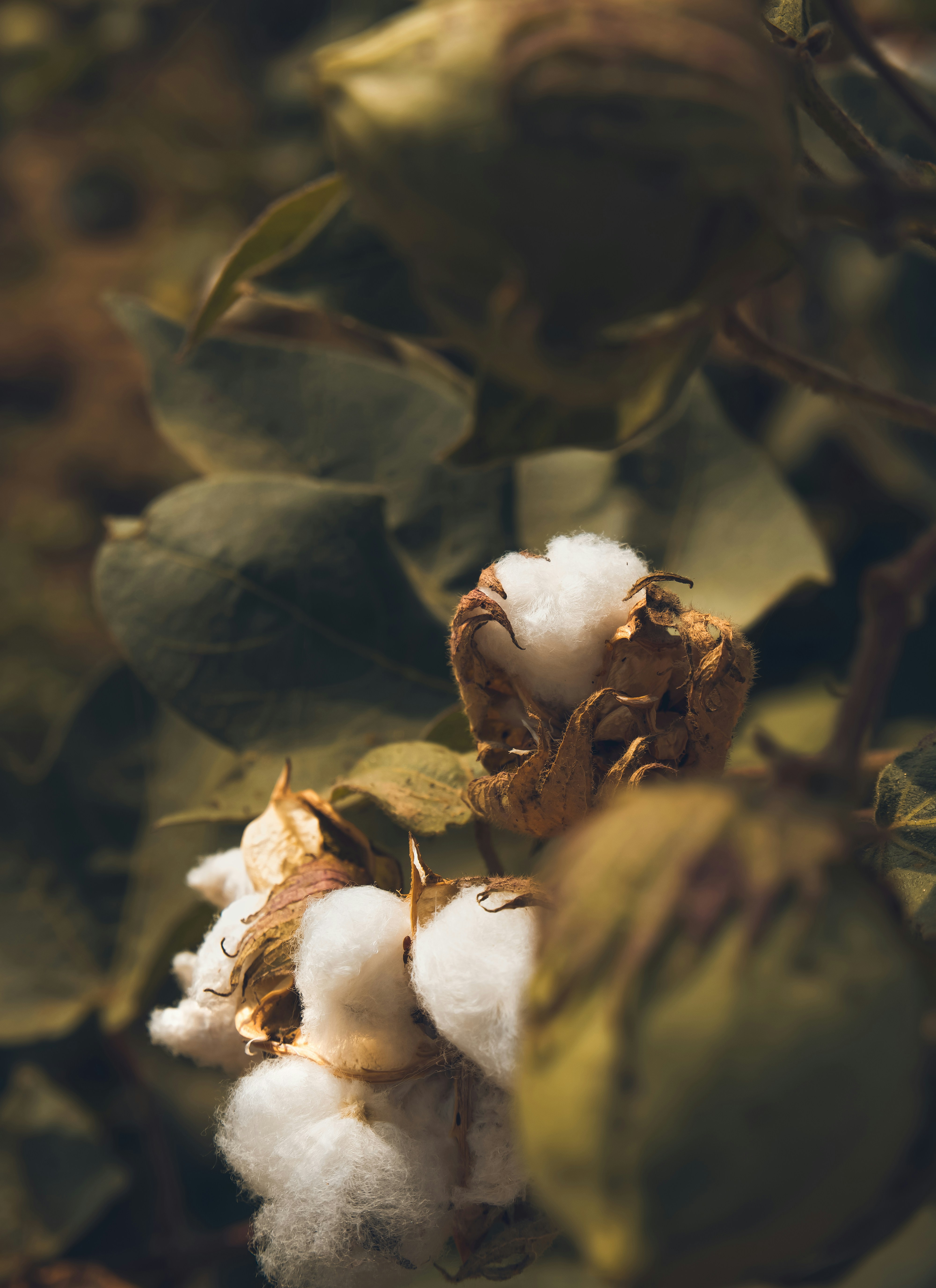
Cotton is a natural fiber obtained from the fluffy bolls of cotton plants, primarily belonging to the genus Gossypium. This fabric has been utilized for thousands of years, appreciated for its softness, breathability, and versatility. Due to its excellent moisture absorption properties, cotton is favored for a variety of clothing and household textiles, ranging from t-shirts and dresses to bed linens and towels. The fabric’s durability ensures that it can withstand frequent washing and wearing, making it a staple in the textile industry.
On the other hand, viscose is a semi-synthetic fiber derived from wood pulp, making it an innovative fabric that combines natural and synthetic elements. First developed in the late 19th century, viscose is often utilized as an alternative to silk, known for its smooth texture and luxurious drape. This fabric is particularly popular in women’s clothing, including dresses, blouses, and linings, as it offers a comfortable wearing experience. Moreover, viscose has excellent moisture-wicking properties, which contribute to its growing use in activewear and hot-weather garments.
Both cotton and viscose have their unique advantages and drawbacks. Cotton is cherished for its natural fiber guidelines and ability to be sustained in various climates. In contrast, viscose, while not as environmentally friendly as cotton due to its production process, presents a lightweight alternative ideal for fashionable designs. Exploring these characteristics paves the way for a deeper analysis of the differences and similarities between viscose and cotton, setting the stage for an insightful comparison of the two fabrics.
Viscose and cotton are two prominent types of fabrics, each with distinct compositions and production processes. Understanding the differences in their composition is crucial for consumers and manufacturers alike, especially when considering sustainability and environmental impacts.
Cotton is a natural fiber that originates from the fluffy seed fibers of the cotton plant. To produce cotton fabric, the cotton bolls are harvested, and the raw fibers are extracted and cleaned to remove impurities. These fibers are then spun into yarn and woven or knitted to create the final textile. One of the key benefits of cotton is its biodegradability, making it a more environmentally friendly choice compared to synthetic fibers. However, conventional cotton farming can involve significant pesticide and water usage, raising environmental concerns.
In contrast, viscose, often referred to as rayon, is a semi-synthetic fiber made from regenerated cellulose. The production of viscose begins with wood pulp, commonly sourced from fast-growing trees. This pulp undergoes a chemical process to dissolve the cellulose, resulting in a viscous solution that is then extruded through spinnerets to form fibers. These fibers can be bleached and dyed before being spun into yarn and woven into fabric. Although viscose can mimic the qualities of silk or cotton, the chemical processes involved can also pose environmental challenges. The use of hazardous chemicals in its production can lead to pollution if not managed properly.
When comparing the two fabrics, one must consider not only the raw materials but also the environmental impacts of their respective production methods. While cotton has a strong reputation for being a natural and versatile fabric, viscose presents a unique alternative with a luxurious feel but requires critical scrutiny regarding its manufacturing practices.
Properties of Viscose Fabric
Viscose fabric, a popular material in the fashion industry, is known for its unique properties that set it apart from other textiles. One of the most significant characteristics of viscose is its soft and silky texture, which provides a luxurious feel against the skin. This smooth surface makes it an appealing choice for garments such as dresses, blouses, and linings, where comfort is paramount.
Another notable property of viscose is its excellent breathability. Viscose fibers are able to wick moisture away from the body, allowing air circulation and keeping the wearer comfortable even in warm conditions. This inherent breathability makes viscose suitable for summer clothing or activewear, where sweat evaporation is essential. Additionally, viscose can absorb dyes effectively, resulting in vibrant and rich colors that appeal to both manufacturers and consumers alike.
When it comes to drape, viscose fabric excels. Its fluid hand allows garments to fall gracefully, creating a flattering silhouette. This drapability is a significant advantage in fashion design, as it enables the creation of elegant and flowing styles. Moreover, viscose has a natural sheen that gives it a lustrous finish, enhancing the aesthetic appeal of garments. This shine can elevate simple designs into more sophisticated pieces, making viscose a favorable option for evening wear and formal attire.
However, despite its many advantages, viscose does have some limitations. It tends to be less durable than some other fabrics, particularly when wet, and may require careful washing to maintain its quality. Understanding these properties of viscose fabric is crucial for textile professionals and consumers when selecting materials for various applications, ensuring the right balance between form and function in their choices.
Properties of Cotton Fabric
Cotton fabric is renowned for its natural characteristics, making it a popular choice in the textile industry. One of its most significant attributes is its softness, which contributes to the comfort of cotton garments against the skin. This softness arises from the fibers produced by the cotton plant, which are long and flat, resulting in a silky touch that entices many consumers. The comfort associated with cotton makes it an ideal material for clothing, particularly for items intended for everyday wear such as t-shirts, pajamas, and undergarments.
Durability is another crucial characteristic of cotton fabric. It exhibits strength and resilience, allowing it to withstand significant wear and tear. When cared for properly, cotton fabric can maintain its integrity over time, resisting fraying, fading, and degradation. This durability is particularly advantageous for apparel that is frequently laundered or utilized in demanding environments.
Furthermore, cotton has excellent moisture-wicking abilities. It effectively absorbs sweat and moisture, which enhances the comfort of the wearer in humid conditions. This property makes cotton extraordinarily favorable for summer clothing and athletic apparel, as it helps to regulate body temperature and keeps the wearer dry. Moreover, its ability to breathe allows air to circulate around the skin, reducing the risk of discomfort during prolonged wear.
In addition to its practical characteristics, cotton fabric is also hypoallergenic, making it suitable for those with sensitive skin or allergies. These combined properties of softness, durability, and moisture-wicking abilities underscore why cotton remains a predominant choice in the production of clothing and textiles, catering to a diverse range of uses and markets.
Comfort and Wearability Comparison
When assessing comfort and wearability between viscose and cotton, it is crucial to consider how each fabric interacts with the skin and adapts to varying climates. Viscose, a semi-synthetic fiber derived from natural sources, is known for its luxurious feel and smooth texture. It often drapes elegantly against the body, providing a sensation similar to silk, which can enhance comfort, particularly in warmer weather. This attribute makes viscose a popular choice for seasonally warm clothing, as it feels lightweight and breathable against the skin.
In contrast, cotton is an entirely natural fiber that has long been celebrated for its breathability and absorbency. Cotton fabrics enable air circulation, allowing sweat to evaporate, which can keep the body cooler under hot conditions. This property renders cotton particularly comfortable for casual wear and undergarments. Furthermore, the soft texture of cotton minimizes skin irritation, making it a go-to choice for those with sensitive skin.
Regarding temperature regulation, both fabrics exhibit unique benefits. Viscose, while breathable, can absorb moisture but may not release it as efficiently as cotton. In humid conditions, this may result in the fabric sticking to the skin, which could compromise comfort. Conversely, cotton’s moisture-wicking properties help in keeping the wearer dry, making it advantageous in hotter climates. On cooler days, cotton retains warmth without being overly insulating, while viscose can also provide a cozy layer, though it may not be as warm as cotton.
Ultimately, the choice between viscose and cotton will depend on individual preferences and specific uses. Viscose may excel in providing a luxurious, soft feel, ideal for formal wear, whereas cotton is favored for general comfort and practicality, particularly in casual and everyday clothing.
Care and Maintenance of Viscose vs Cotton
When it comes to the care and maintenance of viscose and cotton fabrics, understanding the specific needs of each material is essential to ensure their longevity and appearance. Both fabrics require different handling, especially regarding washing and drying procedures.
Viscose, being a semi-synthetic fiber derived from cellulose, is more delicate compared to cotton. It is advisable to wash viscose garments by hand or on a gentle cycle using cold water. The use of mild detergents is recommended to preserve the fabric’s sheen and drape. Avoiding bleach or harsh chemicals is crucial as they can compromise the integrity of the fibers. Additionally, it is best to air dry viscose clothing by laying them flat on a clean towel, avoiding direct sunlight, to prevent shrinkage and fading.
Cotton, a natural fiber, is generally more durable than viscose. It can typically withstand machine washing in warm to hot water. For colored cotton items, it is wise to use cold water to prevent fading. Furthermore, cotton fabrics are less prone to wrinkling and can often be tumble dried on a low setting. If a crisper finish is desired, a warm iron can be used, but it is advisable to check the care label for specific instructions pertaining to the fabric blend.
Both fabrics have their unique maintenance requirements, and while cotton is often easier to care for, viscose requires a gentler approach. Paying attention to the care instructions can significantly affect the lifespan and appearance of the garments. By adopting appropriate washing techniques and drying methods, one can keep both viscose and cotton fabrics looking fresh and vibrant for many seasons to come.
Environmental Impact and Sustainability
The textile industry is increasingly focusing on sustainability, making the environmental impact of fabric production a critical consideration for consumers and manufacturers alike. Both viscose and cotton fabrics are popular, yet they differ significantly in their environmental implications, particularly concerning water usage and chemical treatments.
Cotton is known for its high water consumption during cultivation. It is estimated that producing a single kilogram of cotton requires around 10,000 liters of water. This expansive water usage raises concerns, especially in areas facing water scarcity. Additionally, conventional cotton farming often relies heavily on pesticides and fertilizers, which can lead to soil degradation and pollution in local ecosystems. However, there is a growing movement towards organic cotton. This variant is produced without synthetic chemicals, significantly reducing its overall environmental impact and promoting biodiversity.
On the other hand, viscose, derived from wood pulp, presents its unique challenges. The production of viscose typically involves chemical treatments that can be harmful to the environment if not managed properly. The process consumes a substantial amount of water and energy while also generating pollutants. However, recent innovations have led to more sustainable practices, including closed-loop production systems that recycle chemicals and minimize waste. These practices help mitigate the environmental footprint associated with viscose production.
In recent years, both fabric alternatives have seen initiatives aimed at sustainability. Various brands are investing in more environmentally friendly methods of sourcing and producing fabrics, aiming to reduce water usage, eliminate harmful chemicals, and promote sustainable forestry for viscose. These efforts are essential as consumers become increasingly conscious of the ecological impacts tied to their clothing choices.
Ultimately, while both viscose and cotton hold potential sustainability issues, advancements in production practices are moving the industry toward more environmentally responsible solutions. The choice between these fabrics depends not only on their performance characteristics but also their environmental impact and the sustainability efforts associated with their production.
Cost Comparison
The cost of fabrics plays a significant role in consumer choices, especially when considering viscose and cotton. It is essential to analyze the factors affecting the pricing of these two popular materials. Cotton, traditionally hailed for its softness and breathability, has been a staple in the textile market for centuries. The prices for cotton fabrics can vary significantly depending on the quality, type, and sourcing methods. Organic cotton, for instance, often costs more due to its environmentally friendly production processes.
Conversely, viscose, which is derived from regenerated cellulose, generally has a different pricing structure. The production of viscose involves a complex process, making it somewhat cheaper than high-quality cotton. However, the availability of viscose fibers can also be influenced by fluctuations in wood pulp prices, which can lead to variations in market prices. In terms of production, viscose can be produced in large quantities, often resulting in lower costs due to economies of scale.
When comparing viscose and cotton, it is notable that while cotton is widely available globally, viscose may fluctuate in cost based on environmental regulations and the sustainability practices of manufacturers. For instance, in markets where environmental concerns dictate production methods, viscose can become comparable in cost to higher-end cotton options. Furthermore, depending on the intended application, consumers may find they are willing to pay more for the durability and comfort of cotton, especially in products like clothing and bed linens.
Ultimately, the choice between viscose and cotton in terms of cost will depend on individual preferences, application needs, and budget considerations. Understanding the nuances of these fabrics can aid consumers in making informed decisions that align with their financial and practical requirements.
Conclusion: Which Fabric Should You Choose?
When selecting between viscose and cotton fabrics, it is imperative to consider several factors that cater to your specific needs and preferences. Both materials offer unique characteristics, advantages, and shortcomings that will influence your decision. Cotton, a natural fiber, is known for its durability, breathability, and hypoallergenic properties. It is an excellent choice for individuals with sensitive skin or those seeking long-lasting wear in clothing such as tees and jeans.
On the other hand, viscose, a semi-synthetic fiber, is celebrated for its beautiful drape, softness, and vibrant colors. It mimics the feel and appearance of silk, making it a preferred option for formal wear and elegant garments. However, viscose is less durable than cotton and may require more care during washing and drying. When considering these fabrics, think about the specific uses you have in mind. For everyday clothing, cotton might be more suitable due to its robustness and ease of care, while viscose could be better for special occasion garments where a luxurious look is desired.
Furthermore, sustainability has become a significant concern for many consumers. While cotton is a natural fiber, it often requires substantial water and land resources. In contrast, viscose can be derived from sustainably sourced wood pulp, but its production processes can still raise environmental concerns, depending on the manufacturer. Therefore, looking for brands that prioritize sustainable practices is beneficial regardless of the fabric you choose.
In conclusion, the choice between viscose and cotton should be made based on the specific context of use, desired aesthetic properties, personal comfort, and environmental considerations. Assessing these aspects will help you make an informed decision that aligns with your lifestyle and values.