Introduction to Triple Sheeting
Triple sheeting is a bed-making technique that has become increasingly prominent in the hospitality industry, particularly in high-end hotels and luxury resorts. This method involves layering three sheets on the bed: a fitted sheet, a flat sheet, and an additional flat sheet or coverlet that offers a polished finish. The origins of triple sheeting can be traced back to the industry’s commitment to cleanliness and the desire to provide guests with a crisp, appealing sleeping environment.
The importance of bed-making standards in hotels extends beyond aesthetic preference. In an industry that prioritizes guest satisfaction, triple sheeting offers a distinct advantage by ensuring that each guest experiences a clean and comfortable bed. Unlike traditional bedding arrangements, which may employ blankets or quilts that can harbor dirt and allergens, triple sheeting allows for more effective laundering practices. Each sheet can be independently washed and replaced, ensuring high sanitation levels, which is crucial in the hospitality sector.
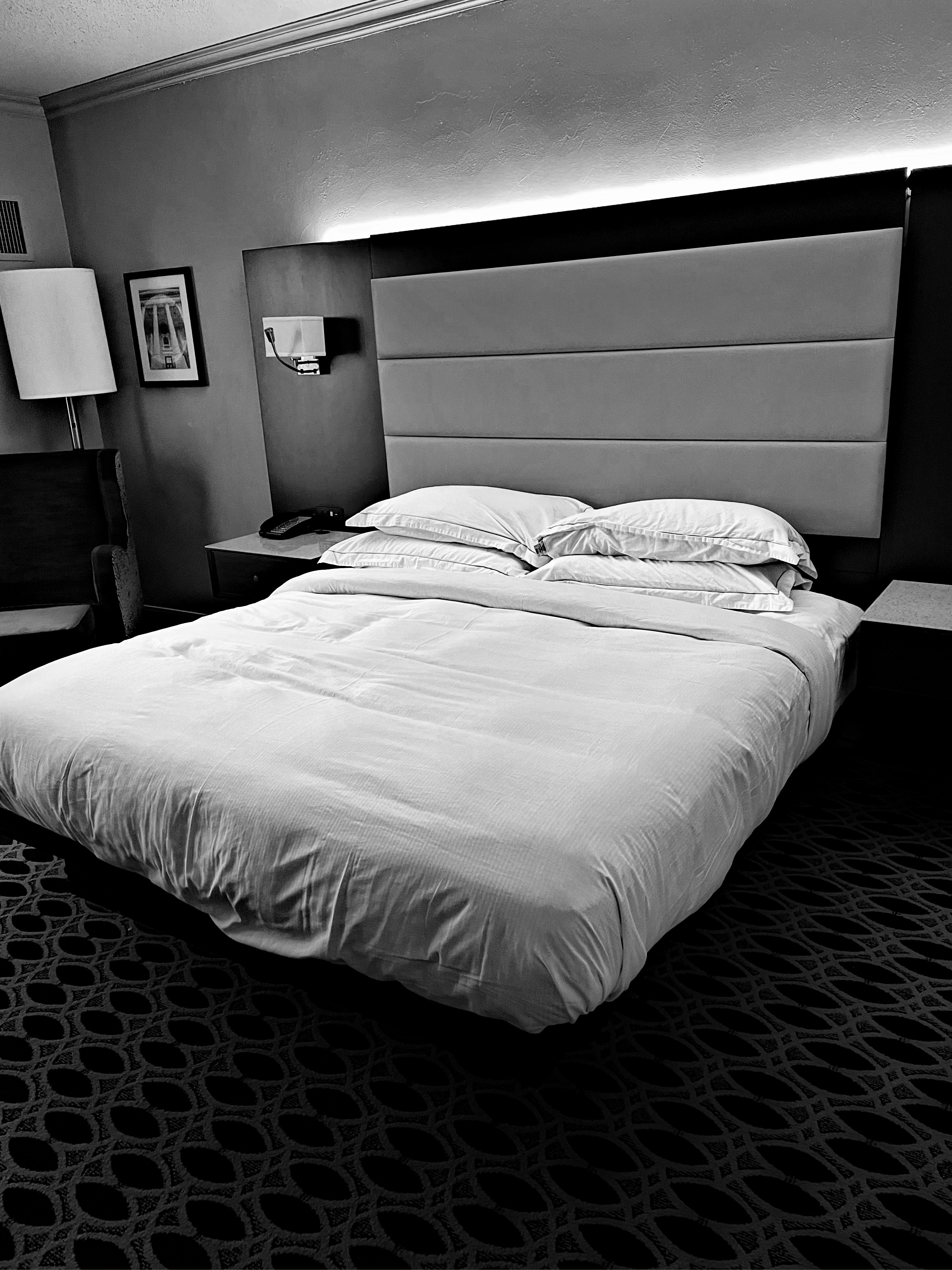
Moreover, the visual appeal of triple sheeting cannot be overstated. The top layer, often a decorative flat sheet or cover, creates a delightful contrast against the fitted sheet underneath, culminating in a visually striking presentation that contributes to the overall ambiance of the room. The clean, smooth lines achieved through triple sheeting enhance the perceived value of accommodations, attracting discerning travelers who seek not just comfort but also a meticulous approach to their lodging experience.
In essence, triple sheeting represents both a practical and aesthetic choice, appealing to hotels that aim to elevate their service standards and guest experiences. This method has garnered a reputation for sophistication and cleanliness, solidifying its standing within the luxury segment of the hospitality industry.
The Benefits of Triple Sheeting
The practice of triple sheeting has gained popularity in the hospitality industry for its numerous benefits, significantly enhancing the guest experience. One of the primary advantages is improved hygiene. By using three separate sheets—usually a fitted sheet, a flat sheet, and a top sheet—hotels can ensure a higher level of cleanliness. The separation between linens minimizes direct contact with the mattress and provides a fresh layer for each guest, thereby reducing the risk of allergens and germs.
Temperature regulation is another critical benefit of triple sheeting. The combination of sheets allows for better airflow and breathability, which can keep guests comfortable throughout the night. Guests can easily adjust their bedding by adding or removing layers according to their individual preferences, thereby optimizing their sleep experience.
Additionally, ease of cleaning is a significant consideration for hotels. Washing blankets and comforters can be time-consuming and cumbersome. Triple sheeting simplifies the laundering process, as each sheet can be washed independently and quickly, allowing hotels to maintain their linens in pristine condition. This efficiency translates into lower operational costs and a quicker turnaround for preparing rooms.
Aesthetic appeal is also enhanced with triple sheeting. It creates a layered look that is visually appealing and contributes to a more inviting atmosphere. The pristine appearance of neatly made triple-sheeted beds can significantly influence guest satisfaction. Such an attention to detail often leads to positive reviews and encourages guests to return, ultimately impacting the overall success of the establishment.
In conclusion, the advantages of triple sheeting—ranging from improved hygiene and comfort to operational efficiency and aesthetic appeal—provide a compelling case for its adoption in the hotel industry, positively influencing guest experiences and satisfaction levels.
Step-by-Step Guide to Triple Sheeting
Making a bed using the triple sheeting method involves a systematic approach that results in a polished and inviting presentation. To effectively employ this technique, certain materials will be needed: three sheets—two flat sheets and one fitted sheet, a lightweight blanket, and optional decorative accents such as throw pillows or a bed scarf.
Begin the process by selecting the appropriate size of sheets to match your mattress. The first step is to place the fitted sheet on the mattress, ensuring that it is snugly secured around the corners. This sheet serves as the base layer, providing comfort and preventing movement as the subsequent sheets are added.
Next, take your first flat sheet and lay it on top of the fitted sheet. It is recommended to position the flat sheet with the finished side (the side with a sheen) facing down towards the fitted sheet. Leave equal overhangs on both sides of the bed to maintain a balanced appearance. The goal here is to create a neat foundation for the bedding.
Now, place the lightweight blanket on top of the first flat sheet, aligning it in the same manner, ensuring that the edges are smooth and even. Following this, take the second flat sheet and lay it over the blanket. Similar to the first flat sheet, make sure that the finished side is facing up. This is generally where aesthetics come into play, as this top sheet is visible.
Finally, tuck the top sheet neatly around the sides and at the foot of the bed. For a refined finish, fold the top edge of the second sheet down over the blanket, creating a layered effect. This not only adds visual appeal but also enhances comfort. With a few minor adjustments and smoothing, your triple-sheeted bed is now complete, exuding both elegance and practicality.
Common Mistakes to Avoid
When employing the triple sheeting technique, hotel staff may encounter several pitfalls that can affect both the appearance and functionality of the bed. One prevalent issue is the use of incorrect sheet sizing. It is crucial that each component is tailored to fit the mattress correctly; otherwise, the sheets may bunch up or slip off, diminishing the overall aesthetic and comfort.
Another common mistake is poor folding techniques. The triple sheeting method typically requires precise folding to ensure a neat presentation. If the sheets are not folded uniformly or lack symmetry, it can create an unkempt look. Staff should practice the art of folding, perhaps adopting different techniques such as the hospital corner method, which can improve both the appearance and firmness of the beddings.
Additionally, inadequate tucking can lead to issues where sheets become loose, especially with the top layer. This not only affects the comfort of the guest but can also disrupt the hotel’s cleanliness standards. Staff should ensure that the sheets are tucked tightly under the mattress, leaving no loose fabric hanging over the edges.
To avoid these common mistakes, hotel staff should receive thorough training on the triple sheeting method. Regular assessments can be beneficial; by checking the quality of bed-making periodically, management can identify recurring issues and provide corrective feedback. Utilizing proper tools, such as fitted sheets that match the mattress sizes, along with clear guidelines for folding and tucking, can greatly enhance the quality of bed presentation. These simple adjustments can make a significant difference in guest satisfaction and contribute positively to the hotel’s reputation.
Comparison of Triple Sheeting and Traditional Bed-Making Techniques
The practice of making hotel beds has evolved significantly over the years, particularly with the rise of the triple sheeting technique, which utilizes three sheets instead of traditional bedding methods. At first glance, the differences in appearance between the two methods are pronounced. Traditional bed-making often employs a fitted sheet, a flat sheet, and might include a comforter or blanket as the top layer. This method can give the bed a more complex look, as the visual layering of various types of fabrics is apparent.
In contrast, triple sheeting focuses solely on the use of three flat sheets. The first sheet acts as the base, with the subsequent two sheets spread over it in a precise manner. This produces a sleek, minimalist aesthetic that is increasingly favored by modern hotels. Guests often perceive this deliberate arrangement as a sign of cleanliness and attention to detail.
Maintenance is another critical aspect where differences arise. The triple sheeting method simplifies the laundering process, as all sheets can generally be washed together, whereas traditional methods involving multiple layers may require separate cleaning procedures. This efficiency not only conserves resources but also facilitates quicker turnaround times for housekeeping staff, further enhancing operational efficiency.
Guest feedback plays a significant role in the preference for triple sheeting. Many hotel patrons appreciate the crispness and freshness of a bed made with triple sheeting. The minimalistic approach can convey a sense of luxury without excessive clutter, aligning well with contemporary design trends in the hospitality sector. Additionally, the absence of heavy blankets or duvets can be more comfortable for guests, allowing for a more personalized sleep environment.
Overall, the transition toward triple sheeting reflects broader changes in hospitality practices, emphasizing both aesthetic appeal and operational efficiency, ultimately enhancing guest satisfaction.
Adapting Triple Sheeting for Home Use
The concept of triple sheeting, popularized in hotels for its luxurious and hygienic benefits, can be adapted easily for use at home, delivering a five-star sleeping experience right in your bedroom. To start, it is essential to gather the appropriate materials to successfully implement this method. Ideally, you will need three sheets: the first fitted sheet, a flat sheet, and a final flat sheet that acts as a cover. The materials should be high-quality cotton or linen, as they are breathable and add to the overall comfort of your bedding.
The cost of implementing triple sheeting at home may vary based on the quality and brand of the bed linens chosen. On average, investing in quality materials may range from $50 to $200. Keep in mind that purchasing durable, well-made sheets can ultimately save you money in the long run, as they withstand frequent laundering and maintain their integrity.
To effectively set up your bed using the triple sheeting method, start by placing the fitted sheet on your mattress. Next, lay the first flat sheet over the fitted sheet, ensuring that it is aligned correctly and tucked neatly at the foot of the bed. This will serve as the primary sleeping layer. Follow this by introducing the final flat sheet, which can either be placed neatly on top of the first sheet or be used as an additional layer for warmth, allowing personal preferences to dictate the exact arrangement.
To enhance the overall experience, consider adding decorative elements such as plush pillows or a decorative bedspread. This not only adds to the aesthetic appeal but also allows for personalization. Lastly, ensure that all sheets are kept clean and refreshed regularly. By adopting the triple sheeting method, homeowners can replicate the comfort and elegance typically found in hotels, creating an inviting and tranquil bedroom environment.
Sustainability Aspects of Triple Sheeting
The environmental impact of triple sheeting in the hospitality industry is an increasingly relevant topic as hotels seek to incorporate sustainable practices. Triple sheeting involves using three sheets instead of bulky comforters or duvet covers, which can introduce several environmental benefits. By utilizing fewer layers, hotels can significantly reduce the frequency of laundry days. Fewer laundered items mean less water consumption, reduced energy usage for washing and drying, and a consequent decrease in greenhouse gas emissions. In a sector that is prone to high energy utilization, this shift can contribute to a more sustainable operational model.
Moreover, the choice of fabric in triple sheeting plays a vital role in supporting eco-friendly practices. Hotels can opt for organic cotton or sustainably sourced materials that require less water and synthetic fertilizers during production. Many modern hotel linens are now manufactured from recycled materials, which effectively minimizes waste and promotes a circular economy. By selecting fabrics that uphold environmental standards, hotels reinforce their commitment to sustainability while ensuring guest comfort.
Emphasizing the importance of sustainability, triple sheeting aligns with broader initiatives within the industry, such as reducing carbon footprints and adhering to environmentally friendly standards. This practice not only fosters a responsible image for the hotel but also resonates with a growing demographic of eco-conscious travelers who actively seek accommodations that prioritize sustainability. As the hospitality sector continues to evolve, adopting practices like triple sheeting illustrates a proactive approach to reducing environmental impacts associated with traditional bedding methods.
The Future of Bed-Making in Hospitality
As the hospitality industry continues to evolve, the methods employed in bed-making are also undergoing significant changes. The practice of triple sheeting has already provided a more hygienic alternative compared to traditional bed-making methods, but innovations are on the horizon that could further revolutionize guest experiences. These advancements may include new technologies and techniques aimed at enhancing both cleanliness and comfort.
One significant trend is the introduction of smart textiles that incorporate antimicrobial properties. These materials can actively repel bacteria and allergens, ensuring that guests enjoy not just a clean bed, but one that actively promotes health and well-being. Furthermore, as sustainability becomes a focal point for many hotel chains, eco-friendly fabrics made from organic or recycled materials are being adopted. This not only appeals to environmentally conscious travelers but also reflects a commitment to responsible hospitality practices.
Another innovation lies in automated bed-making solutions. Systems designed to automatically make the bed or adjust the linens at the touch of a button are emerging, blending convenience with efficiency. Hotels that adopt such technologies can reduce labor hours while maintaining high standards. Additionally, some properties are exploring the use of robotics for tasks traditionally performed by housekeeping staff, which could transform the entire approach to cleanliness and guest services in the future.
Guest preferences are also influencing future bed-making trends. Personalized bedding options, such as customizable pillow and sheet selection, foster a more tailored experience, enhancing guest satisfaction. As data analytics and guest feedback become increasingly integral to operations, the hospitality sector is better equipped to address specific needs and preferences connected to bedding.
Ultimately, the future of bed-making in hospitality appears promising. With an emphasis on hygiene, sustainability, and technology, hotels that embrace these trends are likely to create a more enjoyable and healthier experience for their guests.
Conclusion
In the realm of hospitality, the bed-making process holds significant importance, and the method of triple sheeting has emerged as a preferred choice for many establishments. This technique not only enhances the aesthetic appeal of the bedding but also contributes to improved hygiene and comfort levels for guests. By using three distinct sheets, hotels can create a smoother, more luxurious sleeping surface that is devoid of direct contact between the duvet and the guest.
The practicality of triple sheeting cannot be overstated. It streamlines the cleaning process, as the outer sheets are more easily washed and maintained, thus ensuring that the bedding remains fresh and inviting. Additionally, this method allows for greater customization, with the opportunity to mix and match different colors and textures to align with a hotel’s overall design theme. The result is a tailored bedding experience that reflects quality and attention to detail.
Furthermore, the psychological impact of a well-made bed can significantly enhance guest satisfaction. Travelers often associate the appearance of a bed with cleanliness and comfort, factors that are critical in the hospitality industry. By adopting triple sheeting, hotels can create a perception of luxury that may influence guest reviews and repeat visits.
As the trend toward more sustainable practices escalates, triple sheeting offers a beneficial solution for both hotels and homeowners alike. By embracing this method, establishments can elevate their bedding standards while also promoting a culture of hygiene and comfort. Ultimately, triple sheeting presents a versatile approach that can significantly enhance the guest experience, making it a worthy investment for any hospitality provider.