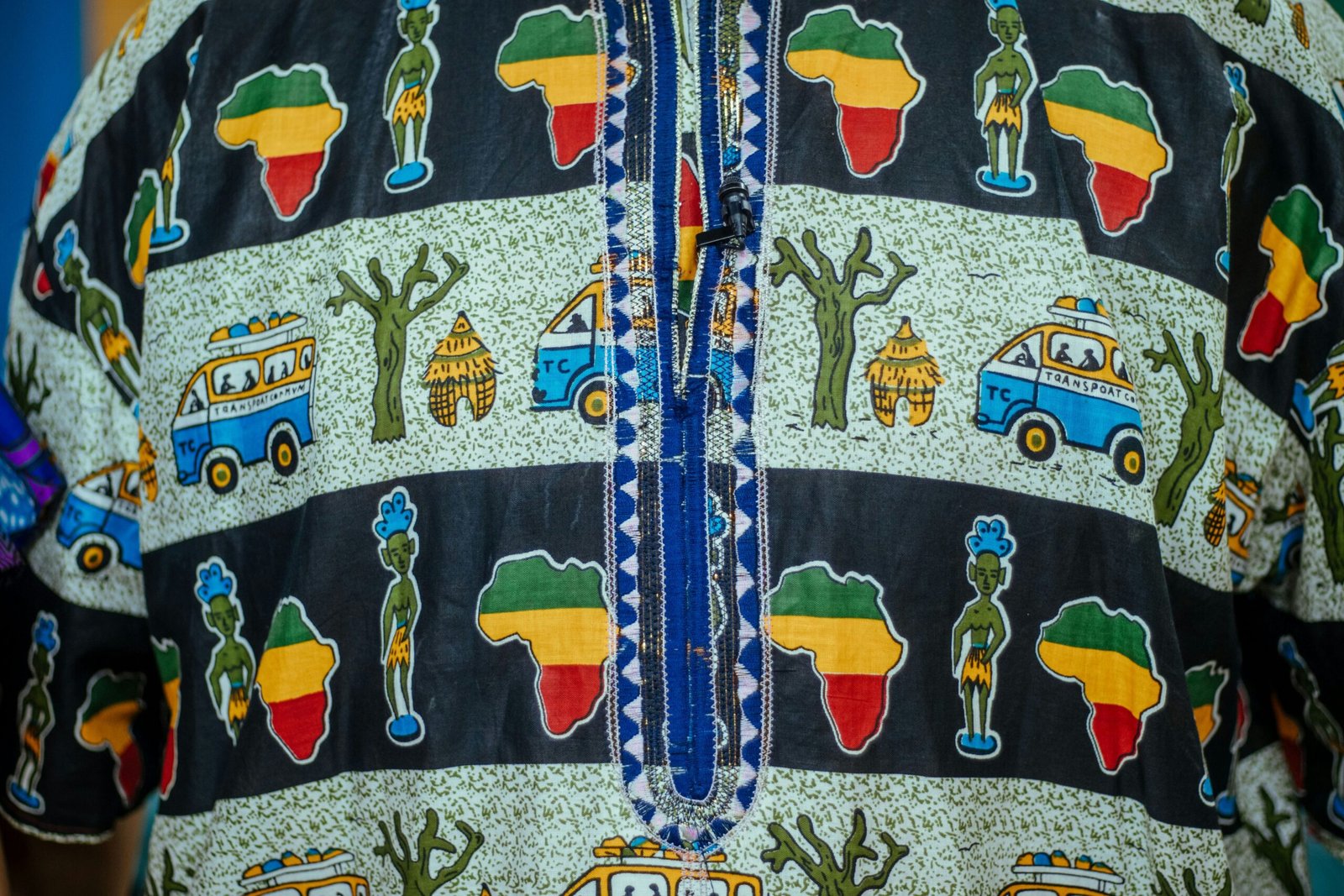
Introduction to African Textiles
African textiles represent a rich and vibrant aspect of the continent’s cultural heritage, encompassing a wide variety of fabrics and techniques that reflect the diverse traditions of African societies. Each region and ethnic group showcases its own distinctive styles, colors, and patterns, contributing to the overarching narrative of African artistry and craftsmanship. From the intricate beadwork of the Maasai in East Africa to the bold patterns of kente cloth from the Ashanti people in Ghana, the textiles serve not only as functional materials but also as significant cultural symbols.
The cultural significance of these fabrics extends beyond mere aesthetics. African textiles are often imbued with meanings and are used in various rituals, ceremonies, and social events. They can convey identity, status, and community affiliation, serving as visual markers of belonging. In many societies, specific fabrics are reserved for particular occasions, such as weddings or initiation ceremonies, reinforcing cultural traditions and values.
The diversity of fabrics found across Africa is astonishing, with each type reflecting the unique environmental, economic, and historical contexts of the region. For instance, the use of natural dyes and materials such as cotton and silk varies greatly from the arid deserts of the Sahara to the lush forests of Central Africa. Such variations not only highlight the adaptability of African craftsmen but also their deep-rooted connection to the land and its resources. As we delve deeper into the fascinating world of African textiles, it becomes evident that these traditional fabrics are not merely decorative; they are living embodiments of history, culture, and community.
Common Types of African Fabrics
African textiles are celebrated for their vibrant colors, rich history, and cultural significance. Among the diverse array of fabrics, several stand out due to their unique characteristics and the craftsmanship involved in their creation.
Kente cloth, originating from the Akan people of Ghana, is one of the most recognized types of African fabric. Traditionally handwoven, Kente features bright colors and intricate patterns that represent proverbs, historical events, and social status. The fabric is often utilized in significant ceremonies, where its symbolism enhances the experience.
Ankara, known for its colorful prints and patterns, is another prominent fabric within African textiles. This cotton fabric is characterized by its wax-resist dyeing technique, which produces vibrant and intricate designs. Ankara has transcended its traditional roots and is now popular worldwide, influencing contemporary fashion and styles beyond Africa.
Mud Cloth, or Bògòlanfini, is a traditional Malian fabric that is created using unique techniques such as dyeing and painting with fermented mud. The earthy tones and geometric designs of Mud Cloth carry deep cultural meanings and stories, reflecting the values and beliefs of the Malian people. It has gained popularity in home décor and fashion, further broadening its appeal.
Lastly, Batik, which involves a wax-resist dyeing method, has a rich history across various African nations, including Nigeria and Senegal. This fabric features complex patterns enveloped in vibrant colors, often representing the local heritage and nature. The artwork on Batik fabrics conveys narratives and social commentary, imbuing the material with cultural significance.
Each of these fabric types showcases the diversity and richness of African textiles, highlighting the traditional techniques and cultural narratives that continue to be celebrated in modern contexts.
Kente Cloth: The History and Symbolism
Kente cloth is a vibrant textile that originates from the Akan people of Ghana, specifically from the region of Ashanti. This traditional fabric is not merely a decorative cloth; it carries deep cultural significance and is adorned with intricate patterns and colors, each symbolizing specific meanings and messages. Historically, Kente cloth was reserved for royalty and was used in ceremonies, reflecting one’s social status and cultural identity.
The process of making Kente is a complex and skillful art, traditionally performed on a loom. The weaving of Kente involves a meticulous technique that combines threads of silk and cotton to create its colorful design. The patterns are often geometric and can vary widely, with each pattern holding a unique story or proverb. For example, the use of gold in Kente signifies wealth and status, while the color white often represents purity and peace.
Kente cloth plays a significant role in Ghanaian celebrations and ceremonies, such as weddings, graduations, and other important events. It is common to see individuals dressed in Kente cloth during these occasions, as it symbolizes joy, respect, and the celebration of cultural heritage. In modern times, Kente has transcended its traditional uses, inspiring fashion designers and being incorporated into various contemporary clothing styles, accessories, and home décor, thereby promoting African artistry globally.
In essence, Kente cloth is much more than just a textile; it is a representation of Ghanaian history and culture, encompassing a rich legacy of artistry, symbolism, and community identity. As it continues to evolve, the significance of Kente remains steadfast, embodying the spirit and traditions of the connected societies that cherish this remarkable fabric.
Ankara Fabric: The Essence of African Fashion
Ankara fabric, often regarded as the heart of contemporary African fashion, boasts a rich and vibrant history extending back to the 19th century. Originating from Dutch wax cloth, which was initially manufactured for Indonesian markets, Ankara eventually found its way into the hands of West African consumers, evolving to reflect local cultures and preferences. Today, Ankara not only adheres to traditional patterns but also features innovative designs that resonate with modern aesthetics.
One of the most compelling aspects of Ankara is its plethora of patterns and colors. Each design narrates a story, often symbolic of cultural heritage or personal expression. The fabric is most recognized for its bold prints and vivid hues, ranging from geometric shapes to floral motifs, making it a versatile choice that can be incorporated into various styles, whether for casual wear or formal occasions. As a reflection of African craftsmanship, the artistry embedded in each piece enhances its desirability and appeal.
The popularity of Ankara fabric transcends African borders, capturing attention on global platforms. Fashion designers from diverse backgrounds have embraced the material to create stunning collections that appeal to broader audiences. Modern interpretations of Ankara have further solidified its place in the fashion industry, often seen on runways and red carpets. Innovative uses of Ankara in contemporary garments such as jackets, skirts, and dresses illustrate its adaptability, allowing it to hold a prominent role in both traditional and modern wardrobes.
In essence, Ankara fabric embodies the spirit of African fashion, showcasing not only the vibrant aesthetic that characterizes it but also the significance it holds within cultural identities. As trends evolve, Ankara continues to inspire and redefine fashion narratives, ensuring its legacy in the textile world endures for generations to come.
Mud Cloth: Authenticity and Artistry
Mud Cloth, known in Mali as Bogolanfini, is a traditional textile with a rich history and cultural significance. Originating from the Bambara ethnic group in Mali, this fabric is not merely a clothing material but also an expression of art and identity. The name “Bogolanfini” translates to “made from mud cloth,” which reflects the distinctive technique used in its production. The artisans harness the natural landscape, employing local plants, mud, and water to synthesize dyes that exhibit an array of earthy tones.
The process of creating Mud Cloth is labor-intensive and steeped in tradition, beginning with the weaving of cotton fibers into fabric. Once the base cloth is prepared, artisans utilize a traditional dyeing method, which involves fermenting mud from the Niger River, infused with tannins from specific plants. The application of this mud creates a striking dark brown or black color. As the colors develop, the fabric is adorned with intricate patterns that hold deep cultural meanings. Each symbol or motif conveys stories, beliefs, or proverbs pertinent to Malian society.
The designs seen in Mud Cloth are not arbitrary; they are rich with symbolism. For instance, triangles can signify fertility, while stripes may denote the journey of life. These motifs often serve to communicate the wearer’s personal history or social status, integrating individual narratives within the broader context of cultural heritage. Emphasizing artistry, Mud Cloth is often regarded as a medium through which artists showcase their skills and creativity.
The enduring popularity of Mud Cloth transcends its utilitarian function, making it a sought-after material in contemporary fashion and home decor. Today, these traditional textiles symbolize authenticity and resilience, retaining their significance while adapting to modern tastes. Thus, Mud Cloth continues to be a profound representation of Malian culture, artistry, and heritage.
Batik: Techniques and Cultural Significance
Batik is a method of fabric dyeing that involves applying wax to the textile before dyeing, which creates intricate patterns and designs. This resist dyeing technique, commonly associated with West Africa, particularly Nigeria and Ghana, has garnered popularity for its vibrant colors and detailed artwork. The process begins with the artisan drawing designs on the fabric using hot wax, which prevents dye from penetrating those areas. Once the desired colors are applied and the wax is removed, the final piece displays a stunning interplay of colors and patterns.
The cultural significance of Batik extends beyond mere aesthetics; it encapsulates a rich heritage and is often utilized in social and ceremonial contexts. Different patterns and colors have specific meanings and are used in various rites and celebrations, allowing the fabric to act as a storyteller. In many communities, Batik is not just limited to clothing; it also adorns ceremonial tapestries and everyday household items, symbolizing both tradition and identity.
Moreover, Batik continues to evolve as contemporary fashion embraces traditional techniques, bridging the gap between heritage and modern trends. Designers are increasingly incorporating Batik into their collections, showcasing its versatility and challenging conventional interpretations of African fashion. This symbiotic relationship between tradition and modernity not only highlights the adaptability of Batik but also promotes the appreciation of African crafts in a global fashion landscape.
In recognition of its historical and artistic value, Batik serves as a significant cultural artifact that fosters community pride and empowers artisans. As this craft gains global recognition, it offers opportunities for economic development while preserving the traditional skills of local artists. The future of Batik is undoubtedly bright as it continues to inspire new generations of creators in the worlds of art and fashion.
Unique Textiles from East Africa
East Africa is renowned for its vibrant textiles, which hold deep cultural significance and showcase the artistic expressions of the region. Among the most notable fabrics are Kanga and Kikoi, each with its unique characteristics and a rich history tied to the cultures they represent.
Kanga, also called ‘kanga’ or ‘leso’, is a colorful garment that features bold patterns and messages, often in Swahili. Traditionally worn by women, Kanga serves not only as clothing but also as a means of communication, with the printed proverbs and sayings reflecting personal beliefs or social statements. The Kanga is typically worn wrapped around the waist or used as a shawl, making it a versatile piece suitable for both daily wear and special occasions. The intricate designs often draw inspiration from nature, cultural motifs, or folklore, demonstrating the creativity and craftsmanship of East African artisans.
On the other hand, Kikoi is a traditional fabric originating from the coastal areas of East Africa. Typically woven from cotton, Kikoi pieces are characterized by their stripes and bright colors. Traditionally worn by both men and women, this fabric is often used as a wrap-around skirt for men or a versatile piece for women, suitable for a range of functions from beach outings to casual gatherings. The lightweight nature of Kikoi makes it an ideal choice for hot climates, and its resilience ensures longevity, allowing it to be cherished for years.
The cultural significance of these textiles cannot be understated; they often serve as symbols of identity and community pride. In many instances, Kanga and Kikoi are gifted during important life events, such as weddings and births, solidifying their roles in cultural practices and enhancing their value within East African societies.
Modern Interpretations of Traditional Fabrics
In recent years, the global fashion landscape has witnessed a remarkable resurgence of interest in traditional African fabrics. This phenomenon can be attributed to several factors, including a growing appreciation for cultural heritage, sustainability in fashion, and the innovative approaches taken by contemporary designers. Today, traditional textiles are not only celebrated for their aesthetic value but are also being thoughtfully incorporated into modern clothing lines.
Designers are increasingly collaborating with artisans from various African regions, merging traditional techniques with contemporary aesthetics. These partnerships serve as vital bridges, facilitating the exchange of knowledge and ensuring that the integrity of these fabrics is respects while presenting them in a modern context. For instance, designers like Stella Jean and Duro Olowu have gained recognition for incorporating traditional African prints into their collections, reflecting a vibrant dialogue between cultural preservation and modern fashion.
Another significant aspect of this trend is the emphasis on sustainability. As the global textile industry faces increasing scrutiny over environmental impacts, many fashion houses are turning to traditional fabrics. These materials, often produced with low environmental footprints through time-honored techniques, provide a sustainable alternative to fast fashion. The careful craftsmanship inherent in African textiles encourages a slower approach to fashion, promoting longevity and ethical consumer habits.
Furthermore, the use of traditional African fabrics in contemporary settings transcends mere aesthetics; it also fosters a sense of pride and identity among the artisans and communities producing these textiles. By integrating these materials into worldwide fashion, designers amplify their stories, ensuring that the rich cultural heritage associated with these fabrics is preserved and celebrated.
Conclusion: The Future of African Textiles
Preserving traditional African textiles is essential for maintaining the cultural identity and heritage of various communities across the continent. These fabrics serve as a tangible reflection of the history, social structures, and artistic expressions inherent to different cultures, playing a significant role in community bonding and social gatherings. As global interest in unique, handmade items grows, there is a simultaneous push to protect and promote the traditional craftsmanship involved in creating these fabrics.
Efforts to keep these textile traditions alive are evident through numerous initiatives supporting local artisans and promoting sustainable practices. Organizations are collaborating with designers and communities to revitalize the production methods of African fabrics, ensuring that traditional techniques are passed down to future generations. Workshops and training programs are becoming increasingly popular, allowing younger artisans to learn the skills necessary to create intricate designs that adhere to both traditional and contemporary styles.
The potential of African textiles in the global market is significant. Many designers are beginning to incorporate these vibrant fabrics into high-fashion collections, exposing a broader audience to their beauty and uniqueness. This trend not only uplifts the artisans financially but also enhances their recognition on a global scale. As consumers grow more conscious of the origins of their garments and seek eco-friendly, ethically produced alternatives, African textiles have the opportunity to occupy a prominent position in international trends.
In conclusion, the preservation and promotion of traditional African textiles are crucial for both cultural identity and economic opportunities. By supporting local artisans and recognizing the beauty of these traditional materials in global markets, we can ensure that African fabrics continue to thrive and flourish in the years to come.