Introduction to Mattress Toppers
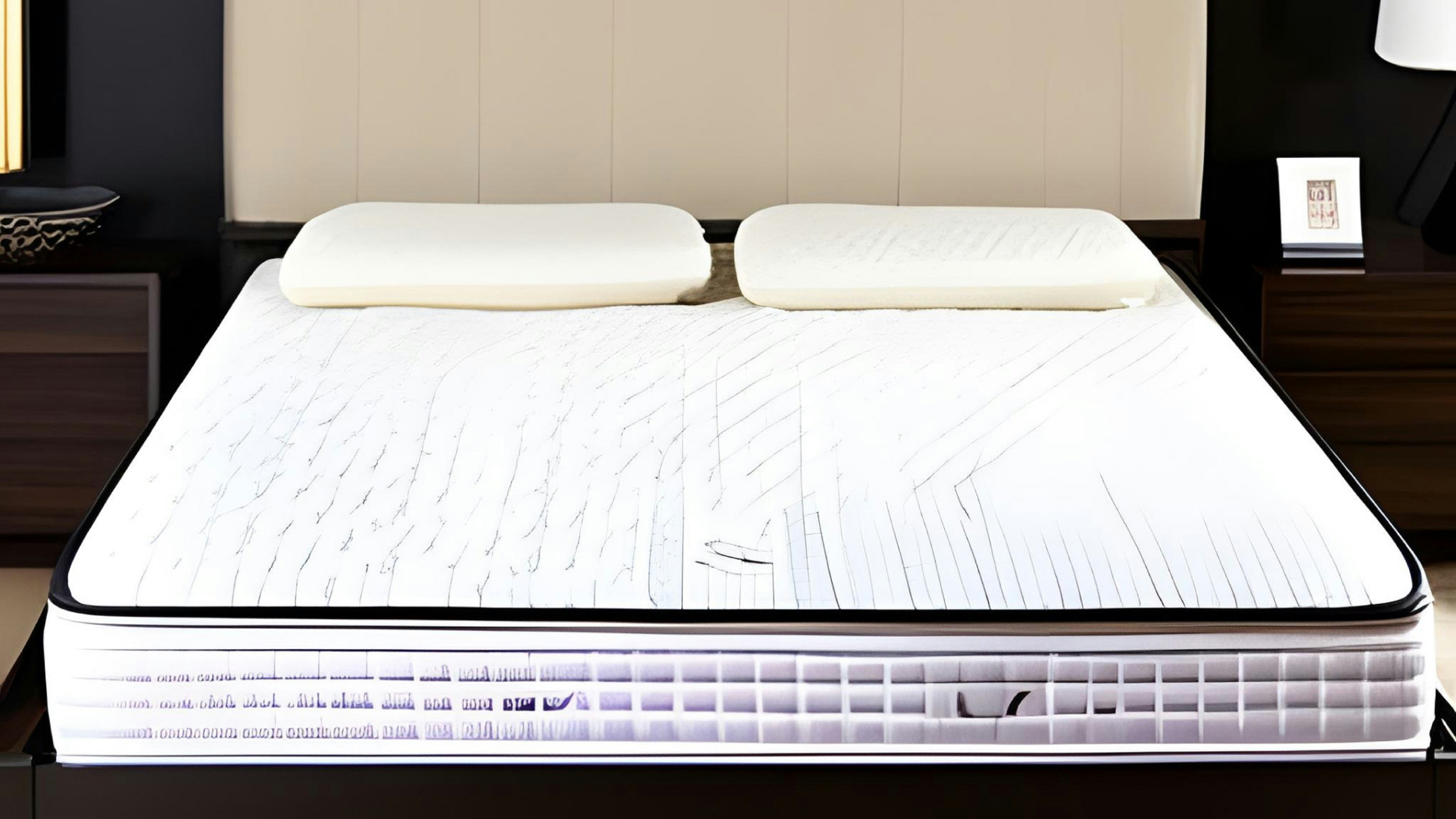
Do mattress toppers help?Mattress toppers are an ancillary bedding product designed to enhance the comfort and support of a mattress. These versatile layers are placed on top of an existing mattress to modify its firmness, improve sleep quality, and prolong its lifespan. Mattress toppers can be particularly beneficial for individuals experiencing discomfort from a worn-out or excessively firm mattress.
Typically made from diverse materials, mattress toppers come in several options, including memory foam, latex, and down feathers. Memory foam toppers are known for their ability to conform to the sleeper’s body, providing personalized support that alleviates pressure points and promotes spinal alignment. In contrast, latex toppers offer a natural alternative that combines resilience and responsiveness, also favoring breathable construction which aids in temperature regulation during sleep.
Feather or down toppers deliver a soft and plush layer that can enhance the overall comfort of a firm mattress, creating a luxurious sleeping experience while offering a degree of cushioning. Each type of mattress topper serves distinct needs, catering to varying preferences regarding firmness, insulation, and overall sleeping experience.
The primary purpose of a mattress topper is to improve sleep quality by tailoring the sleep surface to individual comfort preferences. This adaptability not only assists in achieving better rest but can also contribute to a more refreshed feeling upon waking. As people increasingly recognize the importance of quality sleep, mattress toppers have gained popularity as an effective solution for enhancing existing mattresses.
How Mattress Toppers Work
Mattress toppers are designed to enhance the comfort and overall quality of sleep by adding an additional layer of cushioning to an existing mattress. Their primary function is to improve overall support, thus creating a more restful sleeping environment. This is achieved through various mechanisms that address critical comfort factors, such as pressure relief, temperature regulation, and motion isolation.
Pressure relief is one of the most significant benefits of using a mattress topper. When an individual sleeps, their body weight creates pressure on certain points, particularly at the hips, shoulders, and lower back. High-quality mattress toppers are often made from materials like memory foam or latex, which contour to the sleeper’s body shape. This adaptive response helps distribute weight evenly across the surface, reducing pressure points and minimizing pain, thereby contributing to a more comfortable sleep experience.
Another essential function of mattress toppers is temperature regulation. Some materials, especially those found in traditional mattresses, tend to retain heat, leading to discomfort during sleep. However, many modern toppers are designed with cooling technology, allowing for better airflow and heat dissipation. As a result, they create a cooler sleeping surface that enhances the sleeper’s thermal comfort throughout the night.
Lastly, motion isolation is a noteworthy characteristic of mattress toppers. This feature is particularly beneficial for couples, as it minimizes the sensation of movement when one partner shifts or gets out of bed. Toppers with high-density foam or supportive materials are effective in absorbing motion, leading to uninterrupted sleep for both individuals. By understanding how mattress toppers work, individuals can make informed decisions about integrating them into their sleep setup for improved comfort and support.
Benefits of Using a Mattress Topper
Mattress toppers serve as an effective and practical solution for many individuals seeking improved sleep quality. One of the primary benefits of using a mattress topper is the enhancement of overall comfort. By providing an additional layer of cushioning, mattress toppers can alleviate pressure points, which is especially beneficial for those who experience discomfort from a firm or worn-out mattress.
Moreover, investing in a mattress topper can significantly extend the life of an existing mattress. Instead of purchasing a new mattress entirely, a quality mattress topper can rejuvenate an old one, postponing the necessity for replacement. This not only saves money but also minimizes waste, making it an eco-friendly option for consumers.
Another essential advantage of using a mattress topper is its potential to address specific sleep issues. For instance, individuals suffering from back pain may find relief through the supportive properties of memory foam toppers, which contour to the body and help maintain spinal alignment. Additionally, certain materials, such as latex, are hypoallergenic and can be beneficial for those with allergies or sensitivities, by reducing dust mites and other allergens.
Different types of sleepers stand to gain from the use of mattress toppers. Side sleepers can benefit from soft, cushiony toppers that enhance support for the shoulders and hips, while back sleepers may prefer a firmer option that upholds their back’s natural curvature. Consequently, couples with differing preferences may also find peace with mattress toppers, as they allow for personal customization of each side of the bed.
Ultimately, a mattress topper can serve as an adaptable solution for a variety of sleep challenges, providing enhanced comfort, prolonging mattress life, and addressing specific needs effectively.
Types of Mattress Toppers Available
When considering mattress toppers, an array of options is available, each possessing distinct features, advantages, and disadvantages tailored to different sleeping preferences. The most prevalent types include memory foam, latex, gel-infused, and fiberfill toppers.
Memory Foam Toppers are renowned for their ability to conform to the body, offering excellent pressure relief and support. These toppers are ideal for individuals who experience discomfort or pain while sleeping. The viscoelastic material distributes body weight evenly, minimizing motion transfer, thus benefiting couples. However, one drawback is that memory foam can retain heat, making it unsuitable for those who tend to sleep hot.
Latex Toppers provide a bouncier feel compared to memory foam and are made from natural or synthetic latex. They are appreciated for their durability, responsiveness, and inherent cooling properties. Latex toppers are hypoallergenic and resistant to dust mites, making them suitable for allergy sufferers. On the downside, they can be heavier and more expensive than other options.
Gel-Infused Toppers combine the benefits of memory foam with cooling gel particles designed to mitigate heat retention. This type is preferred by those who desire the contouring comfort of memory foam without the associated warmth. While they tend to promote better airflow than traditional memory foam, some users may find them less durable over time.
Fiberfill Toppers, often made from polyester, offer a soft and plush feel akin to a pillow top. These toppers can enhance comfort without significantly altering the firmness of the underlying mattress. While they are lightweight and typically more affordable, they may not provide adequate support for those with specific back or joint issues.
Overall, each type of mattress topper serves specific needs, and the choice ultimately depends on individual preferences regarding comfort, support, and sleep temperature.
How to Choose the Right Mattress Topper
Selecting a suitable mattress topper is paramount for enhancing sleep quality. Individual sleep needs and preferences can vary significantly, necessitating careful consideration of various factors when making a choice. Firstly, the firmness level of the mattress topper is crucial. If you prefer a softer feel, a plush, softer topper made of materials such as memory foam or down alternative may be ideal. Conversely, if you require more support, opting for a firmer topper could provide the necessary stability and alignment.
The type of material is another vital consideration. Common options include memory foam, latex, gel-infused foam, and feather tops. Memory foam is known for its contouring abilities, which can alleviate pressure points, making it a popular choice for those with joint or back pain. Latex toppers, on the other hand, offer a bouncier feel and greater durability. Gel-infused varieties provide added cooling properties, which could be beneficial for those who tend to sleep hot.
Thickness is also an important factor to contemplate. Generally, a thicker mattress topper (3 inches or more) can dramatically change the feel of your mattress, while a thinner topper (1-2 inches) may simply add a layer of comfort without modifying the underlying support level. Evaluating personal preferences regarding thickness will ultimately guide this decision.
Lastly, budget considerations will play a role in your selection process. Mattress toppers are available at various price points, and investing in a quality product can lead to long-term benefits. Weighing the cost against the expected comfort level and durability will help determine the right topper without compromising on sleep quality.
Common Myths About Mattress Toppers
When considering the value of mattress toppers, various misconceptions often cloud judgment. One prevalent myth is that mattress toppers are a long-term solution to a sagging or uncomfortable mattress. While they can enhance comfort levels and alleviate certain pressure points, they are not designed to replace an old or damaged mattress. In fact, a mattress that has lost its structural integrity may not benefit much from a topper, as it cannot restore vital support. Therefore, investing in a topper to fix a worn-out mattress might lead to further dissatisfaction.
Another misconception revolves around the durability of mattress toppers. Some consumers believe that these additional layers can wear out quickly, leading to a decreased life span compared to a mattress alone. However, the durability of a mattress topper is contingent upon its materials and construction. High-quality memory foam or latex toppers tend to last longer and can provide substantial support for many years. It is essential to select a reputable brand and to consider factors such as thickness, density, and warranty when assessing durability.
Additionally, there is a myth that mattress toppers can lead to overheating during sleep. While certain materials, such as traditional memory foam, can trap heat, many manufacturers now produce cooling gel and ventilated designs that enhance breathability. These innovations serve to regulate temperature, ensuring a more comfortable sleeping environment. Therefore, individuals who worry about overheating should research specific materials when choosing their topper.
Potential Downsides of Mattress Toppers
While mattress toppers are often viewed as a convenient solution for enhancing sleep quality, they are not without their drawbacks. One primary concern is the additional height they add to the bed. This extra elevation can be an issue for individuals who have difficulty getting in and out of bed. It may also necessitate the use of deeper bedding, which can lead to extra expenses.
Another significant consideration is heat retention. Many mattress toppers, particularly those made from memory foam, tend to trap body heat. This can create an uncomfortable sleeping environment for those who are prone to overheating during the night. Individuals who seek a cooler sleep experience might find that certain types of mattress toppers exacerbate warmth rather than mitigate it. As such, it is advisable to review the material composition and breathability of the topper in relation to personal comfort preferences.
Additionally, new mattress toppers often emit an initial odor, commonly known as off-gassing. This odor is typically the result of the manufacturing process and can be particularly pronounced in foam toppers. For some individuals, the smell can be bothersome and may require a period of airing out before the mattress topper is deemed usable. This is an essential consideration for those with sensitivities to odors or chemicals.
Furthermore, there are situations wherein the use of a mattress topper may not be advisable. For instance, individuals with existing back problems might find that a topper does not provide the necessary support for their condition. Instead, investing in an entirely new mattress might be a more suitable and effective solution in such cases. It is crucial for prospective buyers to consider these potential downsides alongside the possible benefits to ensure that their choice aligns with their personal sleep needs.
Customer Reviews and Experiences
When considering whether mattress toppers are a worthwhile investment, potential buyers often look to the experiences and testimonials of previous customers. Feedback regarding mattress toppers tends to be varied, providing a comprehensive perspective on their effectiveness.
A significant number of users express satisfaction with their mattress toppers, noting improvements in sleep quality. Many praise the cushioning and support offered by various materials, such as memory foam and latex. For instance, one customer stated, “After adding a memory foam topper, I noticed a remarkable reduction in my back pain. It feels like sleeping on a cloud”. This sentiment is echoed by numerous reviews, where users cite enhanced comfort and better alignment during sleep, resulting in fewer morning aches.
On the other hand, not all experiences are entirely positive. Some customers have reported issues with heat retention, particularly with memory foam options. A user mentioned, “While the mattress topper did provide excellent support, I found myself waking up overheated, which negatively impacted my sleep”. Such feedback suggests that individual preferences and sleeping patterns can play a crucial role in the perceived benefits of a topper.
Another common critique is regarding durability. Some consumers have mentioned that their mattress toppers lost shape or became uncomfortable after a short period of use. One customer remarked, “I loved my mattress topper at first, but after six months, it started to sag in the middle, and I had to replace it.” This highlights the importance of considering quality and longevity when selecting a topper.
Overall, the reviews indicate that while many individuals experience significant improvements in their sleep due to mattress toppers, factors such as material, thickness, and personal preferences greatly influence satisfaction levels. Potential buyers are encouraged to carefully evaluate their own sleep needs in conjunction with customer feedback to make an informed decision.
Conclusion: Are Mattress Toppers Worth It?
Mattress toppers are a popular choice among those looking to enhance their sleep experience, offering a number of potential benefits that warrant consideration. They serve as an additional layer of comfort, which can help alleviate pressure points and improve overall sleep quality. Depending on the material—be it memory foam, latex, or a down alternative—mattress toppers can also aid in contouring the body, providing support that may be lacking in an existing mattress. This adaptability often leads to reduced back pain and a more restorative sleep.
Furthermore, mattress toppers can prolong the lifespan of a mattress. By providing a buffer between the body and the mattress, toppers can minimize wear and tear, thus optimizing a mattress’s durability. This is especially beneficial for those not ready to invest in a new mattress immediately. Additionally, mattress toppers can enhance temperature regulation for sleepers who may traditionally overheat at night, with specific materials designed to wick away heat or provide a cooler sleep surface.
However, it is also essential to weigh some considerations before making a purchase. The effectiveness of a mattress topper can vary based on individual sleep preferences and needs. Not every topper will suit every sleeper, and some people may find certain materials uncomfortable. It’s crucial to consider aspects such as firmness, thickness, and material type that best align with personal sleep patterns.
In conclusion, mattress toppers can certainly be worth the investment for many individuals seeking better sleep. The benefits of added comfort, support, and mattress longevity outweigh the potential downsides, particularly for those with specific needs. For prospective buyers, careful selection based on personal preference and sleep habits is key to finding the right fit. Assessing one’s own comfort requirements will ultimately guide the decision of whether a mattress topper is a suitable choice.