Introduction to Woven Polyester
Woven polyester is a remarkable textile composed of synthetic polymer fibers, primarily derived from petroleum-based resources. It differs from other fabrics, particularly natural fibers such as cotton or wool, due to its unique properties and manufacturing process. The weaving of polyester fibers results in a material that exhibits superior strength and durability, making it highly resistant to wear and tear. This resilience is a significant advantage in applications where longevity and toughness are paramount.
One of the most notable characteristics of woven polyester is its ability to maintain shape and resist wrinkling, a feature favored in both clothing and home furnishings. Additionally, it can withstand various environmental factors, including moisture and ultraviolet light, enabling it to remain functional and visually appealing in diverse settings. The versatility of woven polyester allows it to be utilized in a broad array of applications, ranging from outdoor gear to upholstery and even industrial uses.
The adaptability of woven polyester also extends to its ease of dyeing and printing, which contributes to its aesthetic appeal. Manufacturers can achieve vibrant colors and intricate designs that meet the modern consumer’s demands. Furthermore, the material can be treated for additional properties, such as water resistance or flame retardancy, enhancing its usability across different sectors.
In sectors like fashion, furniture design, and automotive industries, woven polyester is increasingly favored due to its blend of practicality and style. Its low maintenance requirements further contribute to its growing popularity. Thus, woven polyester stands out as a durable fabric solution suitable for a multitude of modern applications.
Understanding the Woven Structure
The woven structure of polyester fabric is a critical aspect that contributes significantly to its durability and versatility. Woven polyester is created through a systematic process that interlaces two primary components: warp and weft yarns. The warp yarns run longitudinally, while the weft yarns cross them transversely, forming a cohesive textile. This interlacing creates a fabric that is not only strong but also resistant to wear and distortions.
There are several methods of weaving employed in the production of polyester fabrics, including plain weave, twill weave, and satin weave. Each technique results in a distinct texture and appearance, subsequently influencing the fabric’s strengths and applications. For instance, plain weave is characterized by a tight and flat construction, offering excellent dimensional stability and durability, making it suitable for a range of applications including upholstery and outdoor gear.
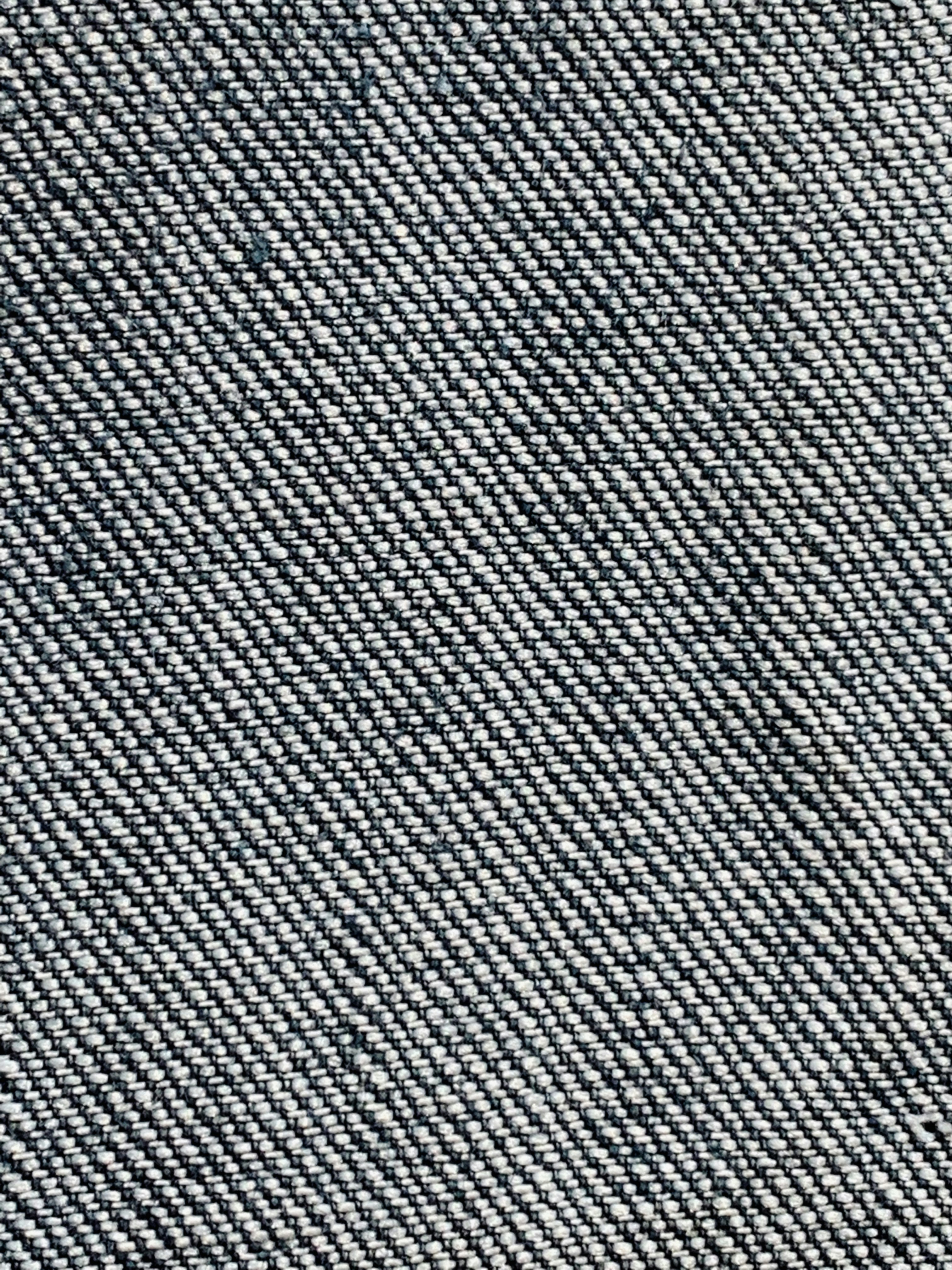
Twill weave, with its characteristic diagonal pattern, enhances the fabric’s drape and strength while giving it a more refined aesthetic. This form of weaving is often preferred for fashion textiles, workwear, and durable yet stylish garments. On the other hand, satin weave, known for its smooth surface and luxurious finish, enhances the fabric’s sheen, making it ideal for applications in formal attire and decorative uses.
The choice of weaving technique profoundly impacts the fabric’s performance characteristics. For instance, finer yarns can be used in a tighter weave for specialized applications requiring a smoother finish, while heavier yarns in looser weaves enhance breathability and texture. Consequently, the woven structure of polyester not only defines its tactile qualities but also its practical applications, enabling a diverse range of functions in modern textile use.
Key Properties of Woven Polyester
Woven polyester is recognized for its exceptional durability and versatility, making it an ideal choice for a wide array of applications, particularly in outdoor and industrial settings. One of its most significant properties is its remarkable resistance to abrasion. This characteristic ensures that woven polyester can withstand the wear and tear often associated with tough environments, such as construction sites and outdoor gear. The fabric’s strong fibers resist fraying and tearing, which is crucial for materials that face frequent use or aggressive conditions.
Additionally, woven polyester exhibits a high degree of resistance to ultraviolet (UV) rays. This is particularly beneficial for products intended for outdoor use, like tents, awnings, and outdoor furniture covers. UV resistance helps maintain the integrity of the fabric, preventing it from fading and degrading over time. The longevity of woven polyester in the sun’s harsh rays makes it a favored material in the manufacturing of items that require both aesthetic appeal and strength under prolonged exposure to sunlight.
Another critical property of woven polyester is its moisture resistance. The fabric does not easily absorb water, allowing it to dry quickly after exposure to moisture. This quality is especially important for items like raincoats and outdoor gear where staying dry is paramount. It also helps prevent mildew and mold formation, making woven polyester suitable for various applications, from upholstery to protective covers. The combination of moisture-wicking and quick-drying capabilities ensures that products made from woven polyester maintain their usability and hygiene over time.
Incorporating these properties—abrasion resistance, UV stability, and moisture management—demonstrates why woven polyester is not only a practical choice but a preferred material for both contemporary outdoor and industrial applications.
Applications of Woven Polyester in Modern Industries
Woven polyester is increasingly becoming a preferred choice in various modern industries due to its exceptional properties, including durability, resistance to shrinking and stretching, and ability to retain shape. These qualities make it suitable for a wide array of applications ranging from fashion to industrial textiles.
In the fashion industry, woven polyester is celebrated for its versatility and ability to mimic the look and feel of more expensive fabrics. Designers often choose this material for a variety of clothing items, including dresses, jackets, and trousers. Its resistance to wrinkles and fading allows garments to maintain their appearance over time, making it an ideal fabric for everyday wear and high-fashion pieces alike.
Sportswear is another significant area where woven polyester excels. The material’s lightweight nature and moisture-wicking properties make it a staple in athletic apparel, ranging from t-shirts to tracksuits. Major athletic brands have adopted woven polyester in their product lines, emphasizing not only comfort but also performance enhancement. The fabric’s quick-drying abilities are especially beneficial for athletes, who require clothing that can keep up with their rigorous activities.
In the realm of upholstery, woven polyester is frequently used in both residential and commercial settings. Its durability ensures that furniture covers can withstand wear and tear while maintaining aesthetic appeal. Additionally, woven polyester is resistant to stains, making it an ideal choice for households with children or pets. Manufacturers have recognized this potential, leading to an increased availability of polyester upholstery fabrics in various textures and colors.
Furthermore, woven polyester plays a crucial role in industrial textiles, where its strength and versatility are invaluable. It is commonly utilized in applications such as conveyor belts, tarpaulins, and protective gear. The fabric’s ability to withstand harsh conditions while providing a lightweight yet durable solution makes it indispensable in industrial environments.
Overall, the diverse applications of woven polyester across multiple sectors highlight its adaptability and reliability, proving it to be an essential fabric solution for modern needs.
Advantages of Woven Polyester Over Other Fabrics
Woven polyester is rapidly gaining recognition as a top choice in various applications, primarily due to its distinct advantages over traditional fabrics like cotton and nylon. One notable benefit of woven polyester is its cost-effectiveness. The manufacturing process for synthetic fabrics like polyester is generally less expensive compared to natural fibers, making woven polyester a budget-friendly option for consumers and manufacturers alike. This affordability does not come at the expense of quality; indeed, many users find that woven polyester fabrics offer exceptional durability suitable for a wide range of uses.
Maintenance is another significant advantage of woven polyester. This fabric is inherently resistant to stains, mold, and mildew, which dramatically reduces the frequency of cleaning and upkeep. In comparison, cotton fabrics are more susceptible to these issues and often require special treatment or regular washing to maintain their appearance. Woven polyester can generally be cleaned easily with mild detergents, making it ideal for busy households or commercial settings where time and convenience are paramount.
Longevity is a pivotal factor when comparing woven polyester to other fabric types. This material boasts excellent resistance to wear and tear, which leads to a longer lifespan for products made from it. While cotton may offer comfort, it tends to show signs of aging more quickly than woven polyester. Additionally, polyester fabrics are less prone to fading and shrinkage, even after extended exposure to sunlight and repeated laundering. As such, woven polyester consistently stands out as a more practical solution for applications requiring reliable performance over time.
In light of these factors, it is clear why woven polyester is increasingly favored in numerous sectors, from fashion to upholstery and beyond, offering both practicality and value.
Environmental Considerations and Sustainability
The manufacture and widespread use of woven polyester raise several environmental considerations that are crucial in today’s eco-conscious landscape. While this fabric offers numerous advantages such as durability, versatility, and cost-effectiveness, its production and disposal present significant challenges. Producing polyester fabric typically involves the extraction of petroleum, which is both a resource-intensive process and a contributor to greenhouse gas emissions. As the demand for sustainable practices increases, the textile industry faces mounting pressure to address these environmental impacts.
Advancements in recycling technology offer promising solutions to mitigate some of these ecological concerns. One notable method is the development of recycled polyester, often produced from post-consumer plastic bottles. This recycling process not only reduces waste but also diminishes the need for new petroleum-based resources. Brands are increasingly embracing this approach, integrating recycled polyester into their product lines to cater to environmentally conscious consumers. However, challenges remain, particularly concerning the quality and performance of recycled materials, which can differ from virgin polyester, thus requiring innovation in processing and design.
Furthermore, the industry is responding to the demand for eco-friendly solutions through various initiatives aimed at sustainability. Numerous manufacturers are actively pursuing and implementing practices that reduce water consumption and chemical usage in production processes. Certifications such as Oeko-Tex and Global Recycled Standard are gaining traction, signifying compliance with rigorous environmental standards. Furthermore, increased consumer awareness regarding the lifecycle of textiles has led to a greater emphasis on durability and recyclability in the design process, encouraging brands to engage in circular economy principles. As these advancements evolve, woven polyester continues to adapt to the crucial need for sustainability, reshaping its role in modern applications while addressing the environmental concerns associated with its use.
Future Trends in Woven Polyester Fabric Technology
The landscape of woven polyester fabric technology is evolving rapidly, driven by innovations that enhance its versatility and functionality. One significant trend is the continuous development of blending techniques that combine woven polyester with other materials. This approach not only improves the durability and performance of fabrics but also tailors them to meet specific end-user requirements. Blends with natural fibers, such as cotton or wool, allow for enhanced breathability and comfort, while combinations with synthetic materials can increase moisture management and stretch properties.
Moreover, the integration of smart fabric technologies is becoming increasingly prevalent in the woven polyester sector. These advances enable fabrics to interact with their environment or respond to external stimuli. For instance, woven polyester fabrics embedded with conductive fibers can facilitate intelligent heating, light emission, or even health monitoring functionalities. This evolution in smart textiles is driven by consumer demand for enhanced performance features and the growing prevalence of wearables in various industries, including sports, healthcare, and fashion.
Additionally, advancements in manufacturing processes, such as 3D weaving techniques and digital printing, are set to reshape the production of woven polyester fabrics. These technologies not only reduce waste and improve efficiency but also allow for more intricate designs and patterns, meeting the aesthetic and functional needs of modern applications. As manufacturers adopt these techniques, the potential to produce lightweight, high-strength fabrics that cater to specialized uses becomes increasingly feasible.
As the woven polyester industry continues to innovate, it is expected that new applications will emerge across various sectors. From high-performance outdoor gear to sophisticated upholstery solutions, the future of woven polyester looks bright, suggesting a robust trajectory influenced by technology and consumer preferences. The interplay of these trends underscores the adaptability of woven polyester, ensuring its relevance and utility in modern fabric solutions.
Care and Maintenance of Woven Polyester Fabrics
Woven polyester is a popular choice for various applications due to its durability, resistance to wrinkles, and vibrant coloration. To ensure the longevity and performance of woven polyester, proper care and maintenance are crucial. By following specific guidelines, users can keep their woven polyester items in excellent condition for years to come.
When it comes to washing woven polyester fabrics, it is advisable to follow the manufacturer’s care label instructions. Generally, it is safe to machine wash woven polyester on a gentle cycle using cold or lukewarm water. This temperature helps to maintain the integrity of the fibers while minimizing color fading. For added protection, consider placing the items in a mesh laundry bag, which can prevent snagging or damage during the wash cycle.
For drying, it is preferable to air dry woven polyester whenever possible. This method prevents the risk of shrinking or distorting the fabric, which can occur in high-heat settings. If using a dryer, opt for a low heat setting to retain the fabric’s structure and finish. Additionally, remove the items promptly from the dryer to prevent wrinkles from forming.
Storage of woven polyester should be conducted in a cool, dry environment. Ensure that the fabric is completely clean and dry before storage to avoid mold and mildew. Folding woven polyester items carefully is recommended, as hanging may cause stretching over time. It is advisable to avoid direct sunlight exposure during storage, as prolonged UV exposure can lead to fading and a decrease in material strength.
By adhering to these care and maintenance practices, woven polyester fabrics can maintain their quality and functionality, making them a reliable choice for both everyday and specialized uses.
Conclusion
Woven polyester has emerged as a pivotal material in the realm of modern textiles, addressing various challenges that contemporary fabric solutions encounter. The inherent durability and resilience of woven polyester make it suitable for a wide array of applications, ranging from apparel to home furnishings, industrial goods, and outdoor gear. This versatility can be attributed to its excellent strength-to-weight ratio, resistance to stretching and shrinking, as well as its quick-drying properties, which are invaluable in today’s fast-paced lifestyle.
Throughout this discussion, we have explored the numerous advantages that woven polyester offers, such as its ability to withstand harsh environmental conditions and its resistance to mildew and abrasion. Furthermore, the ease of maintenance and the capacity for vibrant color retention enhances its appeal for consumers seeking long-lasting and visually appealing products. The ability to easily blend woven polyester with other fibers also opens up possibilities for innovative textile designs, further cementing its role in the fabric industry.
Moreover, the emergence of sustainable production practices within the polyester manufacturing sector has led to the development of recycled woven polyester options, thereby addressing environmental concerns without compromising performance. This shift towards sustainability aligns with a growing consumer demand for eco-friendly materials, positioning woven polyester as an ideal choice for conscious buyers.
In light of the benefits presented, one can confidently say that woven polyester stands as a critical solution to meet the requirements of modern applications. Whether you are in search of a robust fabric for outdoor activities or a stylish textile for home décor, considering woven polyester will lead to durable and dependable results. As we continue to innovate and refine fabric technologies, woven polyester will undoubtedly remain at the forefront, shaping the future of textiles.