Introduction to Woven Fabrics
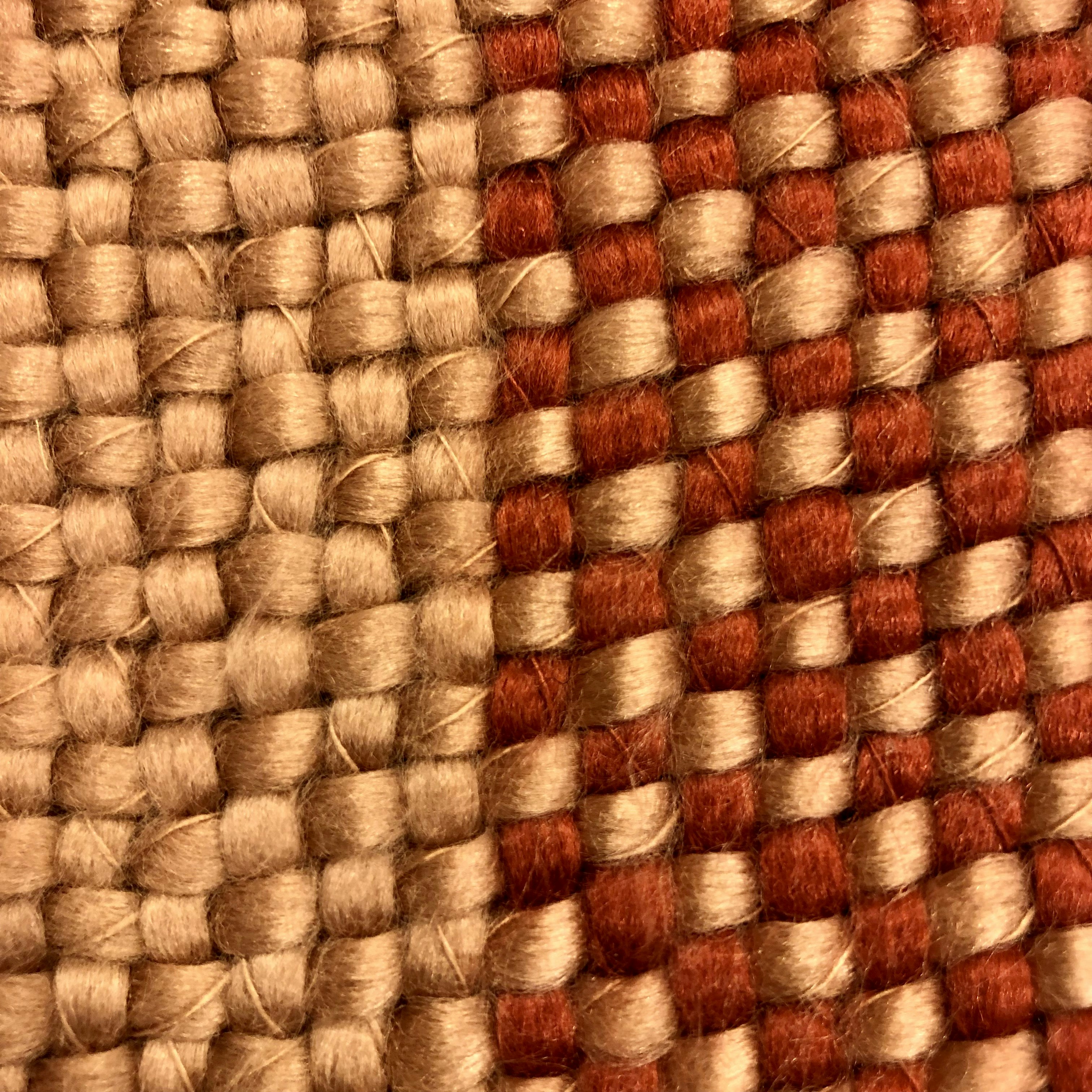
Woven fabrics are a fundamental category in the textile industry, distinguished by their method of construction. They are created by interlacing two sets of yarns: the warp and the weft. The warp threads are arranged longitudinally on the loom, while the weft threads are inserted horizontally, creating a wide variety of patterns and textures. This basic technique of weaving not only contributes to the aesthetic qualities of the fabric but also plays a crucial role in determining its strength, durability, and suitability for various applications.
In contrast to woven fabrics, other types of textiles, such as knit and non-woven fabrics, are produced through fundamentally different processes. Knit fabrics are constructed by interlooping yarns, resulting in materials with greater elasticity and stretch. On the other hand, non-woven fabrics are made by bonding fibers together through methods like felting or chemical processes, which do not require the use of yarns. This variation in production techniques leads to different characteristics and uses, which is essential for designers, manufacturers, and consumers to consider when selecting materials.
Understanding the technical specifications of woven fabrics is paramount in the design and manufacturing landscape. Specifications such as thread count, weave type, and fabric weight contribute significantly to the performance and functionality of the end product. For instance, higher thread counts typically indicate a softer and more durable weave, while the choice of weave pattern can influence breathability and drape. Knowledge of these attributes is essential for making informed decisions—from selecting suitable materials for apparel to understanding how they will perform under varying conditions.
Understanding Fabric Construction
Woven fabric is primarily constructed from two essential components: the warp and the weft. The warp refers to the long threads that run lengthwise on the loom, while the weft consists of the threads that are woven across the width of the fabric. The interaction between these two components creates a vast array of fabric structures, each with its own characteristics and applications.
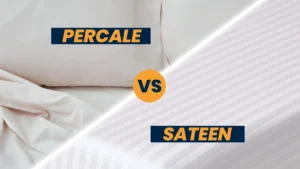
The basic principle of woven fabric construction involves interlacing the warp and weft threads in various patterns. These configurations are commonly categorized into different weave styles, including plain weave, twill weave, and satin weave. The plain weave is the simplest and most fundamental type, where each weft thread passes over and under alternating warp threads. This creates a straightforward, sturdy fabric that is widely used in products ranging from clothing to home textiles.
Twill weave, in contrast, is characterized by a diagonal ribbing effect, which is achieved by offsetting the weft threads. This technique not only adds aesthetic appeal but also enhances the durability and drape of the fabric. Satin weave produces a smooth surface with a glossy finish, as the weft threads float over multiple warp threads before being anchored. This method emphasizes a luxurious feel but may sacrifice some durability when compared to other weaves.
The choice of weaving style directly influences the characteristics of the final fabric, including its weight, texture, and strength. Additionally, the type of fibers used—such as cotton, wool, or synthetic materials—will alter the fabric’s performance attributes. Understanding the nuances of fabric construction helps manufacturers and consumers make informed choices about the suitability of woven fabrics for specific applications.
Key Technical Specifications of Woven Fabrics
The quality and performance of woven fabrics are influenced by several key technical specifications. Understanding these specifications is essential for selecting the right fabric for specific applications, whether for clothing, upholstery, or industrial use.
One of the primary specifications is thread count, which refers to the number of threads woven together in a square inch of fabric. A higher thread count typically indicates a denser textile, resulting in a smoother surface and enhanced durability. While a higher thread count is often considered an indicator of quality, it is important to recognize that thread count should be evaluated alongside other factors such as fiber type and weave structure.
Weight is another crucial specification that varies based on fabric use. Measured in grams per square meter (GSM), the weight of the fabric impacts its drape, warmth, and suitability for different applications. Lightweight fabrics tend to be more breathable and suitable for summer wear, while heavier fabrics provide warmth and structure, making them ideal for colder climates.
The fiber type used in woven fabrics plays a significant role in determining their characteristics. Common fibers include cotton, linen, wool, polyester, and nylon, each offering distinct properties. For example, cotton woven fabrics are known for their softness and breathability, making them popular choices for everyday clothing. On the other hand, synthetic fibers, such as polyester, often provide increased durability and stain resistance, making them ideal for activewear and outdoor gear.
In taking into account these technical specifications, designers and manufacturers can better understand the intricacies of woven fabrics, thereby enhancing their ability to produce high-quality textiles that meet the demands of various end-users.
Fabric Weight and Its Implications
Fabric weight is a crucial factor that influences the characteristics and suitability of woven fabrics for various applications. Measured in grams per square meter (GSM) or ounces per square yard (oz/yd²), fabric weight provides valuable insight into the fabric’s drape, breathability, and overall performance. The significance of fabric weight can be observed in how it affects the end use of materials in clothing, upholstery, and other textiles.
Generally, fabrics can be categorized into three weight categories: lightweight, medium-weight, and heavyweight. Lightweight fabrics, often weighing under 150 GSM or 4.5 oz/yd², are typically utilized for garments that require breathability and movement, such as shirts, blouses, and summer dresses. These fabrics drape softly and tend to flow well, making them ideal for casual wear.
Medium-weight fabrics, ranging between 150 and 300 GSM or 4.5 to 8.5 oz/yd², serve diverse applications. They are frequently used for more structured clothing, such as trousers and jackets, as they offer a balance of design flexibility and durability. These fabrics enhance breathability while providing adequate support and shape retention necessary for professional and outdoor garments.
On the other hand, heavyweight fabrics, exceeding 300 GSM or 8.5 oz/yd², are designed for upholstery, outerwear, and other robust applications. Their dense structure ensures durability and is often sought for home furnishings like curtains or sofas. Heavyweight textiles tend to resist wear and tear, making them suitable for high-traffic settings.
In conclusion, the understanding of fabric weight plays a significant role in selecting the appropriate material for specific applications. The careful consideration of this metric can enhance the functionality, comfort, and aesthetic value of the final product, impacting the overall satisfaction of consumers in the textile market.
Understanding Thread Count and Its Effects
Thread count is a critical metric in the evaluation of woven fabrics, signifying the number of threads woven together in a square inch of fabric. It encompasses both vertical (warp) and horizontal (weft) threads. The calculation of thread count is straightforward: it is simply the sum of the number of threads woven vertically and horizontally within one square inch. Higher thread counts are often perceived as synonymous with superior quality, and this perception can significantly influence consumer choices.
The relationship between thread count and the physical properties of woven fabrics is noteworthy. Fabrics with a higher thread count tend to exhibit a smoother texture, as the increased number of threads creates a denser weave. This density not only enhances the feel against the skin but can also improve durability. Furthermore, high thread count fabrics are often more resistant to fraying and wear, making them a popular choice for luxury bedding and apparel.
Conversely, fabrics with a lower thread count may possess distinct advantages. Lower counts often yield fabrics that are more breathable, which can be particularly beneficial in warmer climates. Additionally, these fabrics can be more supple and lightweight, appealing for various applications including summer garments and casual home textiles. However, it is essential to note that a thread count must be evaluated alongside other factors, such as fiber type and the weave pattern itself. A fabric with a modest thread count but made from high-quality materials can outperform a high thread count fabric constructed from inferior fibers.
Ultimately, while thread count serves as a valuable reference point in the assessment of woven fabrics, it should be considered within the broader context of overall quality and performance characteristics. Advancing awareness and understanding of these factors can assist consumers in making informed decisions when selecting their woven fabric products.
Fiber Types and Their Characteristics
When discussing woven fabrics, understanding the various fiber types and their unique characteristics is essential. The choice of fiber significantly impacts the fabric’s performance, aesthetics, and functionality. Among the most commonly used fibers in woven fabrics are cotton, polyester, silk, and wool—each possessing distinct properties that cater to different applications.
Cotton is a natural fiber known for its softness and breathability, making it a popular choice for casual wear and home textiles. It has high absorbency, which contributes to its comfort in warm climates. However, cotton’s strength can diminish when wet, and it is prone to shrinking unless pre-treated.
Polyester, a synthetic fiber, is valued for its durability and resistance to wrinkles, fading, and stretching. It dries quickly, making it suitable for outdoor and sportswear. Polyester blends with other fibers often enhance the overall strength and ease of care of the fabric.
Silk is renowned for its luxurious feel and luster, attributes that make it a preferred choice for high-end garments. This natural protein fiber exhibits excellent drape and insulation properties, maintaining warmth in colder temperatures. However, silk is less durable than some synthetic fibers and can be susceptible to damage from sunlight.
Wool, another natural fiber, is celebrated for its thermal properties. It effectively regulates temperature, keeping the wearer warm in cold conditions while wicking moisture away from the skin. The fiber is resilient and elastic, which helps maintain shape, although it can be itchy for some and may require special laundering techniques.
Each of these fiber types plays a crucial role in determining the overall quality and suitability of woven fabrics for specific purposes, influencing aspects such as comfort, durability, and aesthetic appeal. A comprehensive understanding of fiber characteristics allows manufacturers and consumers alike to make informed decisions regarding fabric selection.
Weave Structures: Types and Their Uses
The world of woven fabrics encompasses various structures, each serving unique purposes and exhibiting distinct characteristics. Among the most commonly used weave structures are plain, twill, and satin, each contributing to the aesthetic appeal and functional performance of fabrics.
The plain weave is the most basic and widely used structure, characterized by its simplicity. In this weave, the warp and weft threads are interlaced in an alternating pattern, resulting in a flat surface. This structure offers even strength in both directions and is often used in applications where durability is paramount. It is commonly found in cotton fabrics, such as sheets and shirts, where a crisp, classic appearance is desired.
Twill weave is another prevalent structure, identifiable by its diagonal ribbing, which is achieved by shifting the interlacing pattern. This gives twill its unique texture and appearance, making it suitable for a wide range of fabrics, including denim and upholstery. Twill fabrics are known for their excellent drape and durability, making them ideal for products that require both robustness and style. Additionally, twill often resists wrinkles better than plain weaves, further enhancing its utility in everyday textiles.
On the other hand, satin weave is notable for its luxurious finish, created by allowing the warp threads to float over several weft threads before interlacing. This produces a smooth, glossy surface, which is often used in high-end garments and evening wear. Satin’s elegant sheen is appealing for formal occasions, but it is essential to note that while it provides an attractive finish, it typically has fewer durability and stability attributes compared to plain and twill weaves.
In summary, the choice of weave structure significantly impacts the properties and applications of woven fabrics, with plain, twill, and satin weaves each offering unique combinations of aesthetic and functional advantages. Understanding these weave structures enables better selections for specific uses in the textile industry.
Testing and Quality Standards for Woven Fabrics
Ensuring the quality of woven fabrics is paramount for both manufacturers and consumers, necessitating adherence to various testing and quality standards. These standards serve to verify the performance characteristics of the fabrics, ensuring they meet intended design and usage requirements. One of the primary tests performed on woven fabrics is colorfastness testing, which measures how well a fabric retains its color when subjected to conditions such as washing, exposure to light, and other environmental factors. This test is critical for ensuring that colors do not fade or bleed, enhancing the product’s longevity and appeal.
Another essential aspect of woven fabric testing is tensile strength evaluation, which assesses the fabric’s ability to withstand tension before breaking. This type of testing is vital for applications where durability is a key concern, such as in upholstery or heavy-duty garments. The results can guide manufacturers in selecting the most appropriate materials and weaving techniques to achieve the desired strength characteristics.
Durability testing is also a significant component of the quality standards for woven fabrics. This encompasses various assessments, including abrasion resistance and pilling. Fabrics that have been rigorously tested for durability can better withstand daily wear and tear, positioning them as reliable choices for consumers.
In addition to these technical assessments, it is important to note that compliance with international standards, such as those set by the American Society for Testing and Materials (ASTM) or the International Organization for Standardization (ISO), further reinforces product quality. Such standards provide a benchmark for both producers and consumers to ensure that woven fabrics are safe, reliable, and fit for purpose. These testing methods and quality standards are thus integral to maintaining high-performance fabrics in the competitive textile market.
Conclusion and Future of Woven Fabrics
Understanding the technical specifications of woven fabrics is essential for anyone involved in the textile industry, from manufacturers to designers and consumers. This knowledge not only impacts the quality of the final product but also influences the selection process for various applications. As we have discussed, parameters such as thread count, weave type, and fabric weight play crucial roles in determining the characteristics and suitability of woven fabrics for particular needs.
Looking ahead, the woven fabric industry is poised for significant advancements. Emerging technologies, such as digital textile printing and automated weaving machines, are revolutionizing how fabrics are produced. These innovations enhance efficiency, expand design possibilities, and improve material properties, allowing for greater customization and sustainability. Additionally, the growing emphasis on eco-friendly materials and production processes is likely to shape future developments in woven fabric technology.
Furthermore, the integration of smart textiles into woven fabrics represents a noteworthy trend. The incorporation of electronics and sensors into fabrics paves the way for advancements in wearables and practical applications in fields such as healthcare and automation. As these technologies continue to mature, the potential for creating interactive and responsive fabrics will open up new markets and opportunities.
In summary, the exploration of woven fabric specifications is critical for understanding the quality and functionality of textiles. As we embrace innovation and sustainability, the future of woven fabrics looks promising, with possibilities that can redefine how we think about and utilize textiles in our daily lives. The constant evolution of technology within this sector will undoubtedly yield exciting advancements that cater to the growing demands of consumers and industries alike.