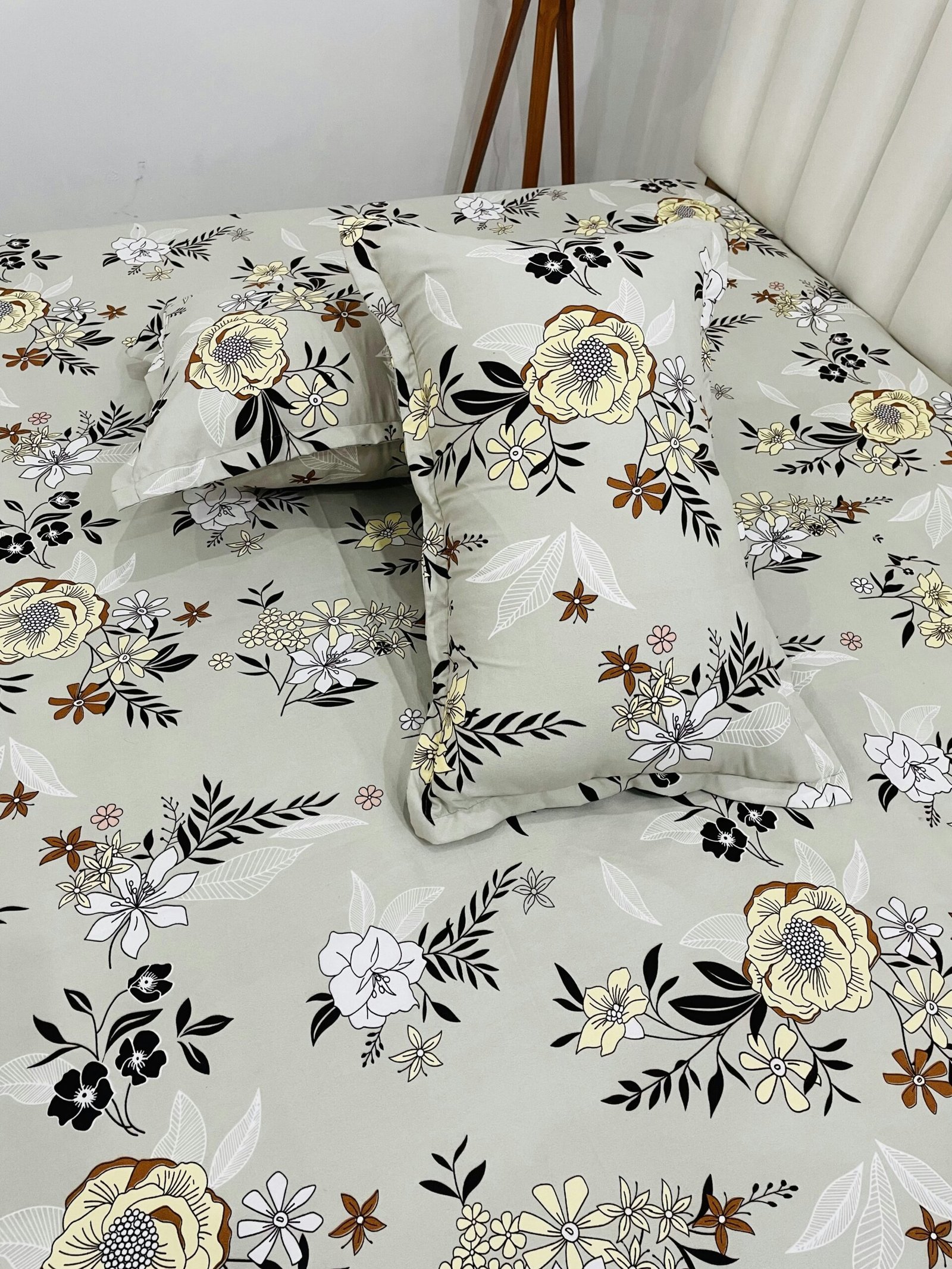
Understanding Bedding Sizes
Will queen size sheets fit a full size bed?Choosing the right bedding size is crucial for ensuring a comfortable sleeping experience. The difference between full and queen size beds, for instance, is significant, making it essential for consumers to understand these distinctions when purchasing sheets and other bedding items. A full size bed, sometimes referred to as a double bed, typically measures 54 inches wide by 75 inches long. In contrast, a queen size bed offers more space, measuring 60 inches wide by 80 inches long. This difference of 6 inches in width and 5 inches in length can greatly impact the comfort and fit of the bedding.
Keen awareness of these measurements can enhance the decision-making process when selecting sheets. Full size sheets are designed specifically for full beds, and similarly, queen size sheets cater to queen beds. Attempting to fit queen size sheets onto a full bed may lead to excessive fabric, resulting in a loose and uncomfortable fit. Conversely, using full size sheets on a queen mattress may leave mattresses partially exposed, leading to unsatisfactory sleep quality and an untidy appearance.
Understanding the standard measurements for full and queen sizes helps avoid the inconvenience of mismatched bedding. It is also important to consider factors like depth and mattress thickness when selecting sheets. Many mattresses, especially modern ones with added comfort layers, vary in thickness, which can affect how bedding fits. By ensuring proper sizing, one can enhance both the functionality and aesthetics of the bedroom, promoting a more restful environment.
Understanding Full Size Beds
A full size bed, also known as a double bed, is designed to accommodate one to two sleepers comfortably. The standard dimensions of a full size bed mattress are 54 inches wide by 75 inches long. This size offers an optimal balance between comfort and space, making it a popular choice for numerous sleeping arrangements, particularly in smaller bedrooms or guest rooms.
Commonly, a full size bed serves various purposes: it is frequently used in children’s rooms, as well as in apartments, boarding houses, and other compact living spaces where maximizing available room is essential. Due to its relatively modest size, a full size bed provides sufficient space for individuals who prefer a cozier sleeping option, yet it may fall short in providing ample personal space for couples. This highlights one of the critical considerations: while it offers the convenience of a more affordable and space-efficient sleeping solution, the compromise on personal comfort may lead to disturbances during sleep.
In terms of mattress depth, full size mattresses typically range from 8 to 14 inches. The depth can significantly influence the overall comfort and support of the bed, affecting the sleeper’s experience. When selecting a full size bed, understanding the depth and material is crucial. While memory foam mattresses can provide excellent contouring and support, innerspring options may offer more bounce and airflow, catering to varied sleeping preferences.
In summary, a full size bed offers both advantages and disadvantages depending on the individual’s needs and preferences. It is important to carefully consider the intended use, space availability, and the comfort requirements to determine if a full size bed is the right choice in a given sleeping arrangement.
Understanding Queen Size Beds
Queen size beds are popular choices among individuals and couples, providing a comfortable balance between space and room dimensions. The standard dimensions of a queen size bed measure 60 inches wide by 80 inches long, making it larger than a full size bed, which typically measures 54 inches in width and 75 inches in length. This added space is particularly advantageous for those who prefer extra room while sleeping, as well as for couples who share their bed.
In addition to their generous size, queen size beds are often recommended for individuals who may require more sleeping surface due to factors such as movement during the night or additional sleeping space for pets. The typical mattress depth for queen size beds varies from 8 inches to 14 inches, allowing for varied mattress styles and materials; therefore, buyers can choose their desired comfort level.
Transitioning from a full size bed to a queen size bed can yield numerous benefits. Not only does a queen bed provide more sleeping space, but it can also enhance overall sleep quality by minimizing disturbances from a partner’s movements. Furthermore, a queen bed often provides a more upscale aesthetic, aligning with contemporary bedroom designs and accommodating larger bedding options, which can elevate the decor of a bedroom.
When considering a queen size bed, it is also important to note that it typically fits well in medium to large bedrooms. The additional square footage it occupies can be justified by the comfort and improved sleep experiences it offers. In summary, queen size beds are a versatile and practical option for many, combining ample sleeping space with style, thereby making it a preferred choice for a variety of users.
Sizing Confusion: Full vs. Queen Sheets
The distinction between full and queen bed sizes extends beyond the mattresses themselves; it significantly influences the dimensions of sheets—fitted sheets, flat sheets, and pillowcases. Understanding these differences is essential for anyone looking to optimize their bedding experience.
First, let us examine the specific dimensions. A standard full bed mattress, also referred to as a double mattress, measures approximately 54 inches wide by 75 inches long. In contrast, a queen bed mattress generally measures 60 inches wide by 80 inches long. When it comes to fitted sheets, this size difference means that sheets designed for a full bed will not fit a queen mattress adequately. A full fitted sheet may be too short in length, leading to discomfort and requiring frequent adjustments during sleep.
Next, consider flat sheets. The dimensions of a full-sized flat sheet typically measure around 81 inches by 96 inches, while a queen flat sheet is generally larger, measuring approximately 90 inches by 102 inches. While one might find a full flat sheet usable on a queen bed, the extra fabric available in a queen flat sheet provides better coverage and tuck-in capability, enhancing overall comfort and aesthetics.
Lastly, attention must also be paid to pillowcases. Standard pillowcases are designed to accommodate standard-sized pillows common on both bed types. However, when purchasing sheets, it is advisable to ensure that the set includes the right pillowcase sizes, as discrepancies can lead to ill-fitting bedding.
In summary, understanding the differences in sheet sizes for full and queen beds is crucial for achieving maximum comfort and a proper fit. By choosing sheets that correspond correctly to bed dimensions, individuals can ensure a restful night’s sleep.
Can Queen Size Sheets Fit a Full Size Bed?
When considering whether queen size sheets fit a full size bed, it is important to understand the dimensions involved. A full size bed typically measures 54 inches wide by 75 inches long, whereas a queen size bed is larger, measuring 60 inches wide by 80 inches long. This difference in size naturally raises concerns regarding whether queen sheets can be effectively used on a full size mattress.
Utilizing queen size sheets on a full size bed is technically possible. However, it is essential to take into account the potential fit issues that may arise. One significant consideration is the excess fabric that may result from the larger dimensions of queen sheets. This extra material can cause the sheets to bunch or tuck under the mattress, leading to an uncomfortable sleeping experience for some. In addition, the fitted sheet may not snugly adhere to the corners of a full size mattress, which could result in the sheet shifting during the night.
Furthermore, using queen size sheets can affect sleeping arrangements, particularly in the context of couples sharing a bed. The larger surface area of a queen sheet might lead to difficulties in adjusting bed covers accordingly, potentially resulting in one partner experiencing excessive coverage while the other may feel exposed. This misbalance could impact overall comfort and sleep quality.
It is also noteworthy that while queen size sheets may fit a full size bed, the reverse—using full size sheets on a queen bed—would likely be more problematic due to the smaller dimensions. In conclusion, if one decides to use queen sheets on a full size bed, it is advisable to assess personal comfort levels and sleeping habits to ensure a satisfying sleep environment.
Alternatives to Queen Sheets for Full Beds
When considering bedding for a full-size bed, it is important to find sheets that offer a snug fit without sacrificing comfort or aesthetic appeal. Full-size beds, also known as double beds, typically measure 54 inches in width and 75 inches in length. For those seeking alternatives to queen sheets, which are designed for larger beds measuring 60 inches by 80 inches, several options are available to meet both practical and stylistic needs.
Firstly, opting for full-size sheets is the most straightforward solution. Many bedding retailers offer sheets specifically tailored for full-size mattresses, ensuring a proper fit around the corners and minimizing excess fabric. When shopping for full sheets, consider the material. Cotton sheets are known for their breathability and softness, while microfiber options may offer a smoother feel and are often more affordable.
Another option is to explore adjustable bed sheet solutions. Some brands manufacture elasticized fitted sheets that can accommodate various mattress sizes, including full. These versatile sheets often have deeper pockets, making them suitable for thicker mattresses or mattress toppers without slipping off during the night.
Additionally, one might consider using a bed skirt or decorative throw blanket to enhance the style of the bedding arrangement, masking any excess fabric that might result from using oversized sheets. Furthermore, layering with a full-size comforter or duvet can provide additional warmth and style while maintaining functionality.
Ultimately, when selecting sheets for a full bed, understanding the mattress’s specific dimensions and characteristics is key. Combining proper sizing with personal preferences in fabric and design will aid in achieving a comfortable sleeping environment, ensuring that the bedding complements both comfort and decor.
Using properly sized sheets is crucial for ensuring not only comfort but also enhancing sleep quality. When sheets fit appropriately, they reduce the likelihood of tangling or bunching, which can disrupt sleep. Improperly sized sheets can lead to discomfort, as they may slip off the mattress during the night, causing disturbances that prevent restful sleep.
One of the primary benefits of using sheets tailored to your mattress size is the overall improvement in sleep quality. When the bedding is secure and well-fitted, it allows for greater freedom of movement without the worry of waking up tangled in loose fabric. This stability helps the sleeper to maintain a restful position throughout the night, ultimately contributing to enhanced sleep efficiency.
Additionally, fitted sheets that properly conform to the mattress eliminate the risk of discomfort caused by excessive fabric. Loose sheets can shift and rub against the skin, resulting in an uncomfortable sleeping experience. Therefore, investing in the correct sheet size is advantageous for those who seek to optimize their sleep environment.
Beyond the physical comfort, correctly sized sheets also provide aesthetic benefits. A well-structured bed with sheets that fit appropriately gives a polished and neat appearance to the bedroom. This visual appeal contributes to the overall mood of the space, making it more inviting and fostering a restful atmosphere that supports good sleeping habits.
In conclusion, the advantages of utilizing sheets that are the correct size for your mattress extend to improving sleep quality, reducing discomfort, and enhancing the aesthetic of the bedroom. Choosing the right sheet size is a simple yet effective way to promote a better night’s sleep and an overall pleasing sleep environment.
Tips for Choosing the Right Sheets for Your Bed
Choosing the right sheets for your bed is essential for ensuring comfort and promoting a restful night’s sleep. Here are some practical tips to help you find the perfect fit for your bedding needs.
First and foremost, it is important to check the labels on the sheets before purchasing. The label will provide essential information regarding the dimensions, typically indicating the sizes they are designed to fit—be it twin, full, queen, or king. For those uncertain about their bed size, measuring the mattress dimensions (length, width, and depth) can help make the selection clearer and more precise.
Next, understanding the materials used in sheets is crucial. Cotton is a popular choice due to its softness and breathability, but options like polyester or microfiber offer different benefits such as durability and wrinkle-resistance. Organic and bamboo sheets are also gaining popularity for their environmental benefits and comfort. Consumers should consider which material suits their preferences and needs best, as well as any potential allergies they might have.
Furthermore, thread count is a term that is often mentioned when discussing sheet quality. While a higher thread count can indicate a denser fabric that feels smoother against the skin, it is not the only factor that determines quality. A thread count between 200 and 800 is generally recommended for a comfortable sheet. It is also worth noting that a higher thread count does not always equate to better quality; the type of material used can play a significant role.
In summary, by considering the label information, materials, and thread count, consumers can make informed decisions when selecting sheets that will not only fit their bed appropriately but also enhance their sleeping experience.
Conclusion: Making the Right Bedding Choices
In the quest for a restful night’s sleep, understanding the dimensions of bedding is essential. A common question among consumers is whether queen size sheets will fit a full size bed. While they may seem interchangeable at first glance, these two sizes have distinct measurements that can impact your overall comfort.
Firstly, it is crucial to comprehend the basic differences in dimensions. A full size bed generally measures 54 inches wide by 75 inches long, whereas a queen size bed measures 60 inches wide by 80 inches long. This difference means that queen sheets will be too large for a full size mattress. The excess material can lead to awkward bunching and inadequate coverage, potentially detracting from your sleep quality.
Moreover, choosing the right bedding not only improves the aesthetic appeal of your bedroom but also contributes significantly to your comfort. Ill-fitting sheets can result in discomfort throughout the night, which may disrupt your sleep cycles and reduce the overall quality of rest. Therefore, investing in the appropriate size sheets is paramount.
Furthermore, various factors such as fabric type and thread count should also be considered when purchasing bedding. While the focus here is on size, materials can also affect temperature regulation and overall sleep comfort. Thus, it is advisable to choose bedding that combines both the correct dimensions and quality fabrics.
In summary, to ensure the best possible sleep experience, it is vital to ascertain the correct size for your mattress. This understanding, along with an informed selection of appropriate bedding, will enhance your comfort and contribute to achieving restorative sclep, supporting your overall well-being.