Understanding Fitted Sheets
Why does my fitted sheet keeps coming off?The primary purpose of fitted sheets is to create a protective layer over the mattress, ensuring that it remains clean while also enhancing sleeping comfort. Fitted sheets often come in various materials, including cotton, microfiber, and flannel, each offering different levels of breathability, softness, and warmth. The elastic skirting or bands found on fitted sheets serve as critical design elements that aid in securing the sheet in place, contributing to their functionality.
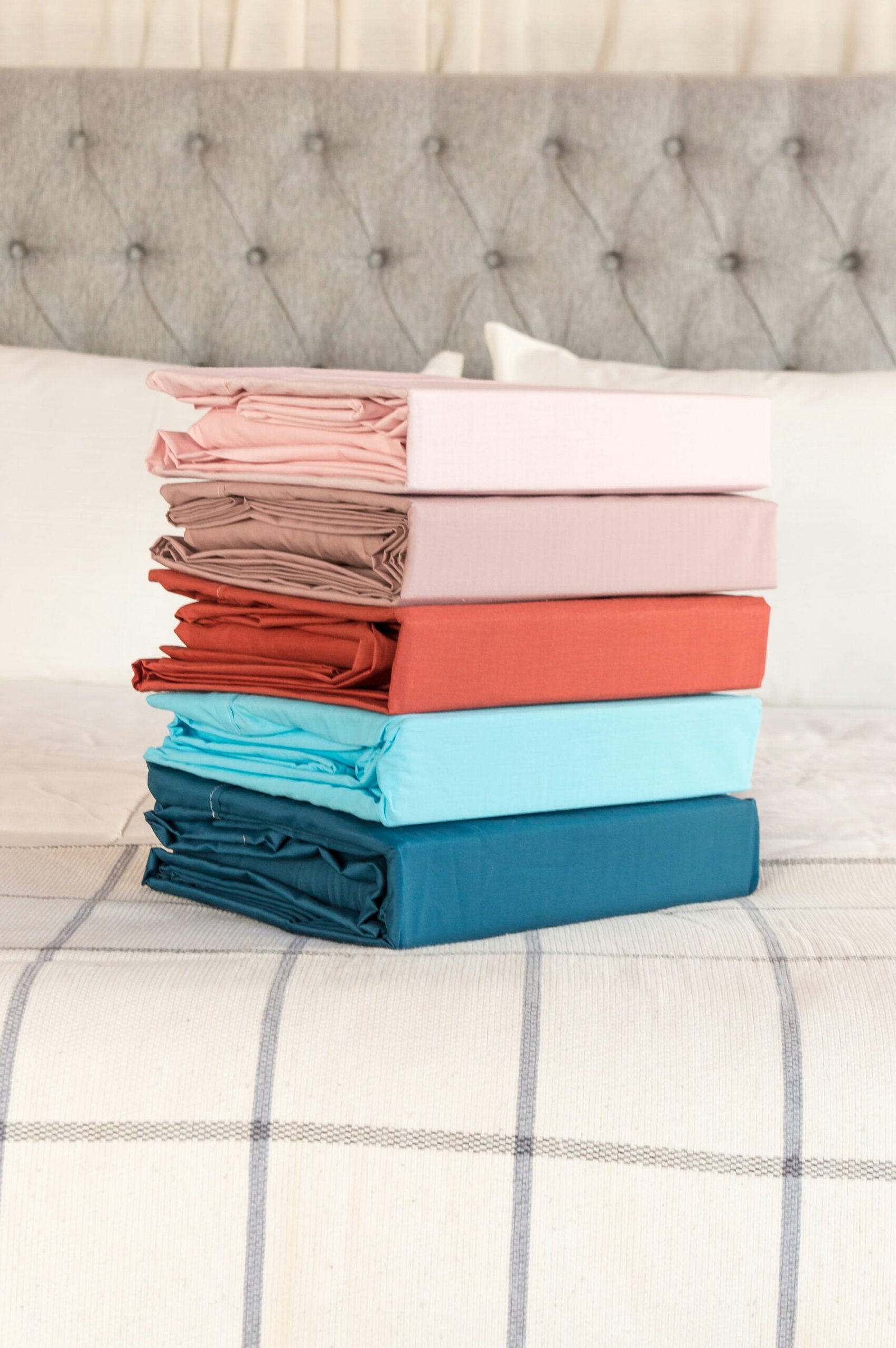
Fitted sheets are specialized bed linens designed to fit snugly over the mattress, providing a smooth, tailored surface for comfort while sleeping. Unlike flat sheets, which are simply draped over the bed, fitted sheets are equipped with elasticized corners that hug the corners of the mattress. This design allows the fitted sheet to remain taut and reduces the likelihood of it slipping or bunching during the night.
The primary purpose of fitted sheets is to create a protective layer over the mattress, ensuring that it remains clean while also enhancing sleeping comfort. Fitted sheets often come in various materials, including cotton, microfiber, and flannel, each offering different levels of breathability, softness, and warmth. The elastic skirting or bands found on fitted sheets serve as critical design elements that aid in securing the sheet in place, contributing to their functionality.
When selecting fitted sheets, it’s essential to consider the size that corresponds to your mattress dimensions. Fitted sheets are available in a variety of sizes, including twin, full, queen, king, and California king, catering to the diverse range of mattress styles available on the market. Furthermore, the depth of the sheet must align with the thickness of the mattress, as some mattresses feature additional layers such as pillow tops, which may require deep-pocket fitted sheets for optimal fit and coverage.
In essence, fitted sheets are a fundamental component of bedding, designed specifically for the needs of modern mattresses. Their unique structure not only adds to the aesthetic appeal of a bed but also plays a crucial role in sleep hygiene and overall comfort. Understanding the features of fitted sheets helps consumers make informed choices when purchasing bedding essentials, ultimately leading to improved sleeping experiences.
Common Reasons for Sheets Slipping Off
Fitted sheets are designed to snugly cover mattresses; however, a common issue encountered by many individuals is the persistent slipping off of these sheets. Understanding the reasons behind this problem can help in selecting the right fitted sheet for your bed. One of the primary reasons for sheets coming off is incorrect sizing. Fitted sheets come in various sizes, including twin, full, queen, and king. A mismatch in dimensions between the mattress and the sheet can lead to the fabric simply not fitting properly, causing it to pull away and ultimately slip off during use.
Another contributing factor that affects the reliability of fitted sheets is inadequate elastic. The elastic bands sewn around the edges play a crucial role in keeping the sheets secured on the mattress. If the elastic is worn out, frayed, or simply not strong enough, it may lose its grip over time, increasing the likelihood of the sheet coming loose. This is a particularly common issue for sheets that have seen prolonged use without due attention to their condition.
Additionally, the thickness of the mattress may pose a challenge. Mattresses vary in thickness, and sheets that are designed for standard mattresses may not perform adequately on thicker models. When a mattress is particularly plush or has an added top layer, standard fitted sheets may not be able to accommodate the additional height, leading to slips.
Furthermore, factors such as bedding weight and overall mattress stability can also influence how well fitted sheets stay in place. For instance, if one uses materials that are excessively slippery, such as satin, these sheets are more prone to shifting. By addressing these common reasons, one can enhance the stability of fitted sheets and ensure a better sleeping experience.
Importance of Proper Fitted Sheet Size
Choosing the correct size for your fitted sheet is crucial for ensuring a snug fit on your mattress. Fitted sheets are designed to conform to the shape of your mattress, and if the dimensions are not accurately matched, slippage and bunching can occur during sleep. The result is frequent readjustments throughout the night, which can significantly disrupt your rest.
To prevent issues related to fitted sheet size, it is essential to measure your mattress accurately. Start by measuring the length, width, and depth of the mattress. Standard mattress sizes, such as twin, full, queen, and king, can serve as guides. However, keep in mind that not all mattresses adhere strictly to these dimensions; variations, particularly in mattress depth, are becoming increasingly common due to the popularity of pillow-top and memory foam designs.
Additionally, consider the elastic band of the fitted sheet. A sheet with a strong, deep elastic can help maintain its position better than those with weaker or shallower bands. Understand the depth of your mattress and ensure you select fitted sheets labeled as “deep pocket” if necessary. A proper fitting will not only reduce slippage but also enhance your overall sleeping experience by providing a smoother, more comfortable surface.
Incorporating these measurement tips will allow you to choose fitted sheets that match your mattress dimensions perfectly. This solution leads to fewer occurrences of the sheet coming off, allowing you to focus on achieving restful sleep rather than readjusting sheets throughout the night.
Choosing the Right Fabric and Elasticity
When selecting a fitted sheet, the fabric and its elasticity play crucial roles in ensuring a secure fit on your mattress. There are several types of materials used in fitted sheets, each with unique properties that affect their performance. Common options include cotton, polyester, and blends of the two.
Cotton fitted sheets are known for their breathability, softness, and comfort. They typically provide a pleasant sleeping experience, particularly in warmer climates. However, the elasticity of cotton can vary based on the weave. For instance, percale cotton offers less stretch compared to sateen cotton, which has a slight sheen and offers better elasticity. Choosing a cotton fitted sheet with a good elasticity level helps maintain its grip on the mattress.
Polyester, on the other hand, is more durable and resistant to wrinkles and fading than cotton. Fitted sheets made from polyester or polyester blends tend to have greater elasticity, ensuring they hug the mattress securely and resist coming off during the night. However, they may not be as breathable, which could affect comfort in hotter conditions.
Additionally, some fitted sheets blend cotton and polyester to achieve a balance of comfort, durability, and elasticity. These sheets can offer the breathability of cotton while benefiting from the elasticity and resistance of polyester, leading to a more stable fit. When choosing a fitted sheet, consider both the fabric’s properties and the depth of your mattress, as well-fitting sheets with sufficient elastic may solve the problem of slipping.
In summary, the right choice of fabric and elasticity in fitted sheets can greatly impact their ability to stay securely in place on your mattress, improving your overall sleep quality. An investment in quality materials can lead to a more restful experience, eliminating the hassle of adjusting your bedding each morning.
The Role of Mattress Type in Sheet Fit
The compatibility between fitted sheets and mattresses is significantly influenced by the type of mattress in question. Various mattress designs, such as memory foam, pillow-top, or traditional innerspring, can impact how well a fitted sheet stays in place. Understanding these mattress types can help identify why sheets may frequently slip off and what solutions can be applied.
Memory foam mattresses are popular for their contouring properties, providing comfort and support by molding to the body’s shape. However, these mattresses often have a lower profile when compared to traditional mattresses, which can impact sheet fit. When fitted sheets are designed for standard depths, they may not adequately grip the memory foam, leading to slippage. Selecting sheets with deeper pockets can help accommodate the lower profile of a memory foam mattress and reduce the risk of the fitted sheet coming off during the night.
Pillow-top mattresses present another challenge. With their additional cushioned layer, these mattresses tend to have increased height, which can make it difficult for standard-sized fitted sheets to maintain a secure fit. If the elastic band of the fitted sheet does not stretch sufficiently, the sheet may end up coming loose. In this case, it is crucial to choose fitted sheets explicitly labeled for pillow-top mattresses, ensuring proper fit and snugness.
Lastly, traditional innerspring mattresses can vary widely in terms of construction and height, although they often work well with standard fitted sheets. However, fluctuations in the mattress’s firmness can also lead to a change in how sheets fit. Variants include high-profile models that may require sheets designed for greater depth. Utilizing the correct sheets tailored to specific mattress types is essential in minimizing slippage and maintaining a neat sleeping environment.
Tips for Keeping Fitted Sheets in Place
Maintaining the integrity of your fitted sheets can be a challenge, but several effective strategies can help ensure they remain securely in place throughout the night. One of the simplest methods involves the way you tuck your sheets. If your fitted sheet has excess fabric, carefully tucking the extra material underneath the mattress can create a snugger fit, particularly at the corners. Make sure to pull the fabric tight and tuck it deep under the mattress edges to prevent it from shifting.
Another useful solution is to invest in sheet straps, which are adjustable bands designed to hold the corners of your fitted sheet securely in place. These straps can be attached underneath the mattress, providing additional support that helps prevent the sheet from slipping off as you move during sleep. Look for versatile options that can accommodate different mattress sizes and depths.
If you frequently encounter issues with fitted sheets coming off, consider trying specialized fitted sheets designed for a better fit. Deep pocket fitted sheets are an excellent choice for thicker mattresses or those with additional toppers. Additionally, elasticized fitted sheets featuring stronger and more durable elastic can offer a firmer grip, ensuring that they do not disengage from the corners easily.
Lastly, employing a mattress pad or mattress encasement can also help to stabilize your fitted sheets. These products not only protect your mattress from spills and allergens but also create a textured surface that helps the sheets adhere more effectively. By combining these techniques and products, you can significantly reduce the frequency of your fitted sheets coming off, leading to a more restful, uninterrupted sleep experience.
Alternative Bedding Solutions
When it comes to maintaining a neatly made bed, finding a fitted sheet that stays in place can often be a challenge. If your current fitted sheets continually slip off, exploring alternative bedding solutions may provide the answer. One highly recommended option is deep pocket sheets, which are designed to accommodate thicker mattresses or additional mattress toppers. These sheets generally feature elasticized corners that ensure a more secure fit, reducing the likelihood of slippage during the night.
Another effective solution is to consider sheet sets specifically tailored for a tighter fit. Many bedding manufacturers offer options with enhanced elastic bands or additional grip features that enhance the stability of the fitted sheet. These designs help keep the sheet in place, even if you move around during sleep. Selecting sheets that explicitly state their fit compatibility with mattress sizes can significantly reduce issues related to movement and ensure a snug fit.
For those with adjustable beds, adjustable bed sheets are an innovative bedding solution worth exploring. These sheets are designed with flexibility in mind, accommodating various bed positions while preventing slippage. Some sheet sets feature adjustable bands or ties that secure the sheets tightly to the mattress, combating the movement commonly associated with adjustable beds.
Ultimately, whether you opt for deep pocket sheets, tighter fitting sheets, or specifically designed adjustable bed solutions, careful consideration of your mattress size and type can lead to a more restful and uninterrupted sleep experience. Each alternative presents unique benefits, ensuring that your bedding remains securely in place, thus enhancing your overall sleeping comfort.
When to Consider Replacing Your Fitted Sheets
Fitted sheets are an essential component of any bedding ensemble, but over time, they can suffer from various forms of wear and tear that may affect their performance. Knowing when to replace your fitted sheets is crucial for maintaining a comfortable sleeping environment. Several factors can influence the longevity of your fitted sheets, including material composition, frequency of use, and maintenance practices.
One primary indicator that it may be time to replace your fitted sheets is visible wear or damage. This can manifest as thinning fabric, frayed seams, or significant fading of color and design. When the sheets begin to exhibit these signs, their ability to fit snugly and provide comfort is diminished. Uneven surfaces may lead to discomfort during the night, possibly disrupting restful sleep.
The frequency of washing your sheets is another key factor. Sheets that are washed weekly or bi-weekly will inevitably encounter more wear compared to those that are only washed monthly. This frequent cleaning can lead to pilling, fraying, and diminished elasticity in the fitted corners, making it difficult for the sheet to grip the mattress properly. Regular inspection for signs of deterioration is recommended, especially if the sheets are frequently laundered.
In addition to wear and tear, consider the fit of your fitted sheets. If they consistently come off the corners of your mattress despite being correctly aligned, they might be unsuitable for your mattress depth or size. In such cases, it is wise to invest in new fitted sheets that offer better compatibility and retain a secure fit. Replacing your fitted sheets when they no longer serve their purpose will ultimately enhance your overall bedding experience and promote better sleep quality.
Conclusion: Achieving the Perfect Sheet Fit
In summary, ensuring that your fitted sheets remain securely in place requires an understanding of several crucial factors, including the size and depth of your mattress, the elasticity of the sheet itself, and the overall quality of the bedding materials. By assessing these components, you can significantly reduce the frequency with which your fitted sheets slip off.
One of the primary reasons for fitted sheets losing their grip is a mismatch between the sheet dimensions and the mattress. Ensuring that the fitted sheet is appropriately sized for your mattress, particularly in terms of depth, is critical. Investing in deep-pocket fitted sheets can provide a better fit for thicker mattresses, minimizing the risk of them slipping off during the night.
Additionally, consider the elastic band that holds the sheet in place. High-quality fitted sheets often feature stronger elastics, which not only help to keep them snug but also provide durability over time. Alternatively, the use of sheet straps or corner clips can also be an effective solution, securing the fitted sheet tightly to the mattress and preventing any unwanted movement.
Ultimately, the comfort of your sleep environment plays an integral role in ensuring restful nights. Therefore, take the time to evaluate your current bedding situation and identify potential solutions to maintain the perfect fit of your fitted sheets. By implementing the strategies and considerations discussed, you can greatly enhance the reliability of your fitted sheets, ensuring a more pleasant and uninterrupted sleep experience.