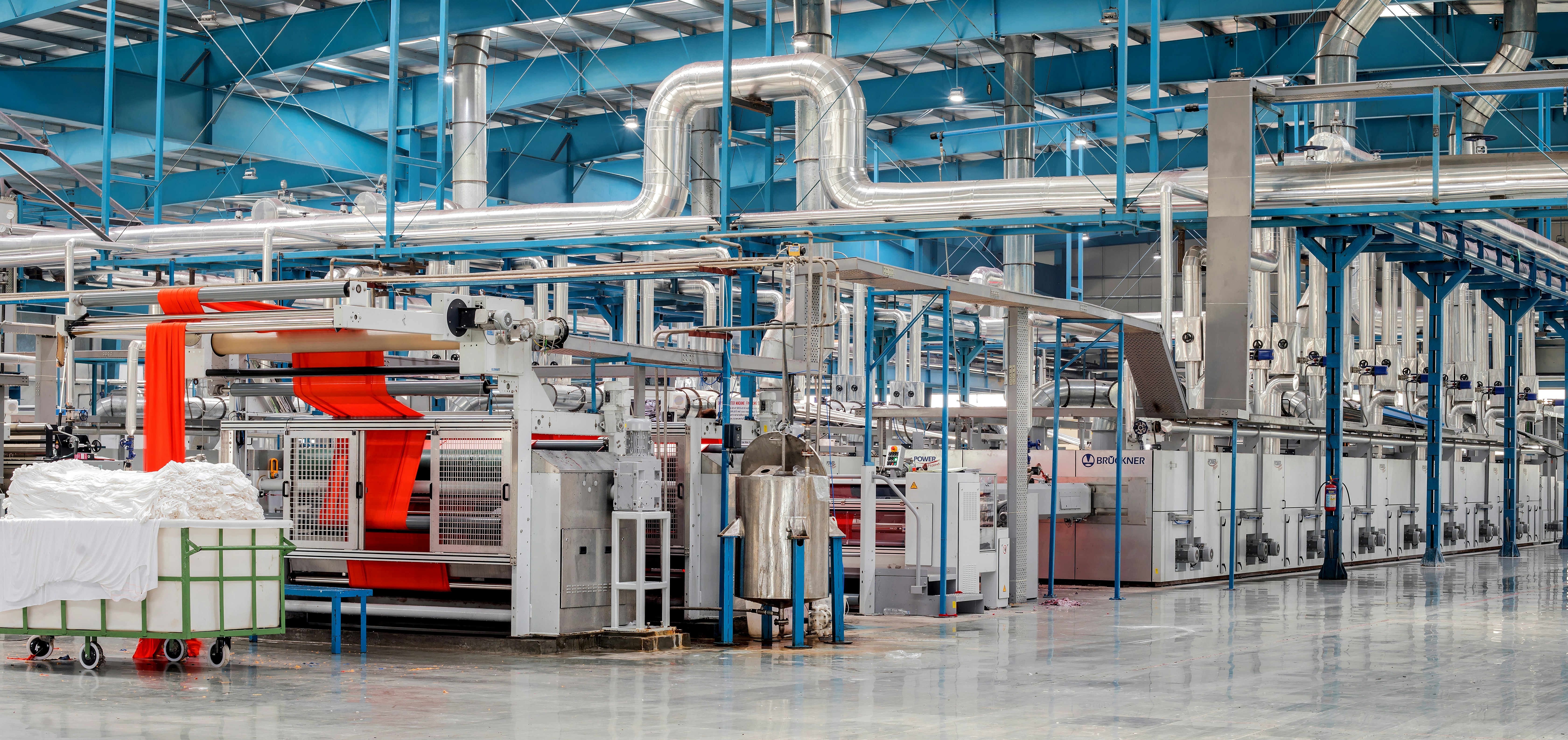
Introduction to Textile Mills
What is a textile mill?The textile mill has played an essential role in the evolution of fabric production, marking a significant chapter in the history of industrial manufacturing. Initially emerging in the late 18th century during the first industrial revolution, textile mills transformed the way fabrics were produced by introducing mechanization. This shift not only increased efficiency but also drastically reduced the cost of textile production, making fabrics more accessible to the general populace.
Historically, textile mills centralized the processes of spinning and weaving fabrics, which were previously conducted in smaller, decentralized workshops. This consolidation meant that large quantities of fabric could be produced under one roof, facilitating innovations in production techniques and machine technologies, such as the spinning jenny and the power loom. These advancements allowed textile mills to scale operations and meet growing demands driven by burgeoning markets.
Throughout the 19th and 20th centuries, textile mills continued to evolve, incorporating steam power and electricity, which further enhanced productivity. Geographically, textile mills flourished in regions with access to both labor and natural resources, such as water bodies for power generation. As economies industrialized, regions like Northern England, New England in the United States, and parts of Asia became hubs of textile production.
Today, although the industry faces challenges from globalization, automation, and changing consumer demands, textile mills remain a crucial component of the fabric industry. They facilitate the production of a vast array of materials, from cotton and wool to synthetic fibers, significantly influencing fashion, trade, and economic dynamics globally. Thus, understanding the historical significance and ongoing evolution of textile mills is vital for grasping the complexities of fabric production.
Types of Textile Mills
Textile mills play a crucial role in the production of fabrics, and they can be classified into several distinct types, each serving specific functions in the manufacturing process. The main categories include spinning mills, weaving mills, and finishing mills. Understanding these types enhances our appreciation of how fabrics are produced.
Spinning mills are primarily focused on transforming raw fibers into yarn. This process involves several stages, including carding, combing, and spinning. During carding, fibers are disentangled and mixed, while combing aligns the fibers more parallelly. The spinning phase entails twisting the fibers together to form yarn, which serves as the foundational material for various textiles.
Following the spinning process, weaving mills take center stage. These mills are dedicated to interlacing two sets of yarn—warp and weft—creating woven fabrics. The loom, a key piece of machinery in these mills, operates in different ways to produce various patterns and textures, ranging from simple plain weaves to more intricate designs like twill or satin. The versatility of weaving allows the production of a diverse range of textile products.
Finishing mills focus on the final treatments applied to woven or knitted fabrics, enhancing their aesthetic and functional properties. This stage can involve processes such as dyeing, printing, and applying chemical finishes that provide characteristics like water resistance or flame retardancy. Each of these treatments significantly contributes to the overall quality and appeal of the finished textile products.
In conclusion, spinning, weaving, and finishing mills are essential components of the textile manufacturing landscape. Each type specializes in distinct processes that culminate in the creation of versatile fabric products utilized across various industries and applications.
The Textile Mill Process
The textile mill process is an intricate sequence of operations designed to transform raw materials into finished fabrics. This process begins with raw material preparation, where natural fibers such as cotton, wool, or synthetic fibers like polyester are sourced. The quality of the final product is largely dependent on these initial materials, making careful selection essential.
Following preparation, the first key stage is spinning, where the raw fibers are twisted and drawn out to create yarn. This yarn serves as the fundamental component for subsequent processes. Spinning requires precision to achieve the desired thickness and strength, ensuring the final textile will possess both durability and aesthetic appeal.
Next comes the weaving stage, where the spun yarn is interlaced to create fabric. There are various methods of weaving, including plain, satin, and twill, each producing distinct textures and patterns. This stage is crucial as it determines the fabric’s structure and its potential applications.
After weaving, dyeing is typically performed to add color and enhance the visual attributes of the textiles. The dyeing process may use various techniques, such as vat, direct, or digital printing, depending on the type of fabric and the desired effect. Dyeing not only provides color but also can influence the handfeel and performance characteristics of the material.
The final stage in the textile mill process is finishing, which involves treatments that enhance the fabric’s appearance and performance. Finishing processes can include washing, softening, and applying chemical treatments to impart certain qualities, such as water resistance or shrinkage control. Each of these steps is essential to ensure that the fabric meets industry standards and consumer expectations.
Machinery and Technology in Textile Mills
Textile mills have evolved significantly over the years, driven by advancements in machinery and technology that enhance fabric production efficiency. At the core of these facilities are various types of machines, each designed for specific processes related to the manufacturing of textiles. The most recognizable of these are looms, which are essential for weaving fabrics from yarn. They come in various forms, including hand looms, power looms, and Jacquard looms, which offer different capabilities in terms of speed, complexity, and fabric designs.
Another crucial machine in textile manufacturing is the spinning frame. Spinning frames convert raw fibers into yarn, a fundamental step in the textile production process. Techniques such as ring spinning, open-end spinning, and air-jet spinning are utilized, where each method offers distinct advantages regarding yarn strength and production speed. This machinery has become increasingly sophisticated, allowing for greater automation and precision, which minimizes human error and labor costs.
Modern innovations have also introduced digital technologies into textile mills. Digital printing, for example, allows for intricate designs and patterns to be printed directly onto fabric with remarkable accuracy and speed. This technology has revolutionized the concept of custom printing, enabling manufacturers to meet specific consumer demands without the constraints of traditional printing methods.
Automation plays a critical role in enhancing productivity and quality control within textile mills. Automated cutting machines, for instance, improve precision and reduce material waste by ensuring that every cut is exactly where it should be. Additionally, the integration of software systems allows for better inventory management, scheduling, and quality assessment throughout the production process.
Together, these advancements in machinery and technology continue to shape the landscape of textile mills, emphasizing efficiency, sustainability, and customization in fabric production.
Labor and Workforce in Textile Mills
The workforce in textile mills is a fundamental pillar of the fabric production industry. The range of skilled labor required in these facilities encompasses numerous specialized roles. For instance, workers operating spinning machines must have a profound understanding of fiber behavior and machinery functioning. Moreover, skilled technicians such as dyers and weavers play a critical role in ensuring the quality and aesthetic aspects of the finished textiles. The training and expertise necessary for these positions highlight the workforce’s significance in maintaining high production standards.
Working conditions in textile mills have historically garnered attention due to their impact on laborers. In many regions, particularly in developing countries, factory environments can be challenging. Issues related to inadequate ventilation, long working hours, and insufficient safety measures have raised concerns among labor rights advocates. However, many contemporary textile mills are striving to improve working conditions by adhering to international labor standards and implementing necessary health and safety protocols. This shift has been beneficial not only for the workers but also for improving overall productivity and fabric quality.
The dynamics of labor in textile mills are further altered by the rise of automation and advanced manufacturing technologies. Automation has transformed many traditional roles, enhancing efficiency and reducing production times. Nevertheless, this shift raises apprehensions regarding job displacement within the industry. While certain positions may become obsolete due to machines taking over repetitive tasks, there is also a growing need for skilled workers who can manage and maintain these automated systems. Consequently, the textile industry is evolving, with a focus on retraining existing workers to adapt to these technological advancements.
Environmental Impact of Textile Mills
The textile industry, particularly textile mills, has long been scrutinized for its significant environmental impacts. One of the foremost challenges is the immense volume of water used during the fabric production process. From dyeing to finishing, textile mills often consume vast quantities of water, contributing to the depletion of local water resources. Furthermore, this water, once utilized, typically leaves the mills as wastewater loaded with dyes, chemicals, and other pollutants, resulting in environmental degradation and posing serious risks to aquatic ecosystems.
In addition to water usage, textile mills are known to generate a considerable amount of solid waste. The nature of production often results in excess materials that become landfill-bound if not properly managed. This waste encompasses fabric scraps, packaging materials, and defective products, highlighting the need for improved waste management systems within the industry.
Pollution emanating from textile mills is not limited to water but extends to air quality as well. Emissions from machinery, along with volatile organic compounds (VOCs) released during processes such as dyeing and finishing, can contribute to air pollution, impacting the health of nearby communities and the global environment. Addressing these pollution issues is imperative for creating a sustainable future for textile production.
In response to these environmental concerns, the industry has been exploring sustainable practices aimed at mitigating its ecological footprint. Innovations such as water recycling systems, eco-friendly dyes, and efficient waste management practices are being integrated within textile mills to promote sustainability. The commitment to adopting cleaner technologies and sustainable supply chains is crucial for reducing the overall impact on the environment while still meeting consumer demands.
Economic Importance of Textile Mills
Textile mills play a pivotal role in the global economy, contributing significantly to local economies and facilitating international trade. Each textile mill serves not only as a production facility for diverse fabrics, but also as a vital player in the economic landscape of the areas in which they operate. By employing thousands of workers, manufacturing textiles, and stimulating local businesses, textile mills create a multiplier effect that enhances community prosperity.
Job creation is one of the most direct economic benefits associated with textile mills. These facilities employ a wide range of skilled and unskilled workers, contributing to lower unemployment rates in their regions. The labor market in the textile industry encompasses various roles, from machine operators to design specialists, which allows for economic mobility and workforce development. As the industry adapts to technological advancements, it continues to present new employment opportunities, further embedding textile mills as a cornerstone of local economies.
Moreover, the textile industry is deeply intertwined with global trade. Textile mills produce a significant share of the world’s fabrics, catering not only to domestic markets but also to international buyers. The exports generated by textile production bolster national economies and enhance international relationships through trade agreements. Flexible production methods seen in modern textile mills allow for responsiveness to global market trends, ensuring they remain competitive.
Additionally, market trends have considerable implications for textile mills. As consumer preferences shift toward sustainability and ethical manufacturing, many mills have begun to integrate eco-friendly practices into their operations. This transformation not only reflects changing market demands but also reaffirms the economic importance of textile mills as they innovate to remain relevant. The ability to navigate market fluctuations and adapt business models is crucial for sustaining the economic vitality associated with textile production.
Challenges Facing Textile Mills Today
Textile mills today are confronted with a variety of challenges that significantly impact their operation and profitability. One of the most pressing issues is the increasing competition from overseas manufacturing. Many textile mills find it difficult to compete with countries that can produce similar goods at a much lower cost, primarily due to lower labor costs and more accommodating regulatory environments. This situation often results in a drain on domestic textile production, compelling local mills to adapt to a changing market by either lowering prices or innovating their processes.
Another significant challenge is the rising cost of production associated with raw materials, labor, and energy. Fluctuations in the prices of cotton, polyester, and other fibers can greatly affect a mill’s operational budget. Additionally, as labor costs rise, especially in developed countries, it becomes increasingly challenging for mills to maintain profitability. This situation encourages some mills to explore automation and more efficient manufacturing processes to counterbalance these economic pressures.
Moreover, there is a growing demand from consumers for sustainable and ethically produced textiles. A shift toward environmentally friendly materials and methods requires mills to re-evaluate their practices and invest in sustainable technologies. This transition can be costly and necessitates substantial changes in production processes, which can be particularly daunting for smaller textile mills with limited resources.
Furthermore, regulatory pressures concerning environmental standards and labor practices are tightening, which necessitates compliance that can be financially burdensome for mills. The challenges described require adaptation, innovation, and strategic planning to ensure that textile mills can continue to thrive in an increasingly competitive global marketplace.
Future of Textile Mills
The future of textile mills is poised for significant transformation as the industry adapts to evolving demands and technological innovations. As consumer preferences shift toward sustainable and ethical production practices, textile mills must navigate a complex landscape. The integration of environmentally friendly materials and processes will become essential. This sustainable approach will not only meet customer expectations but also address the growing concerns surrounding environmental impact.
Another prominent trend is the adoption of automation and advanced manufacturing technologies. The use of artificial intelligence (AI) and robotics in textile production is increasing, leading to improved efficiency and reduced labor costs. Furthermore, these innovations facilitate greater customization possibilities, allowing mills to produce tailored fabrics that meet specific consumer needs swiftly. With the growing significance of fast fashion and personalized products, the ability to respond to market changes promptly will be a key competitive advantage for textile mills.
Furthermore, globalization continues to reshape the textile industry. As mills around the world adapt to new market dynamics, there will likely be a shift in production hubs. Emerging markets may play a larger role, driven by factors such as lower labor costs and improved manufacturing capabilities. This decentralization has the potential to enhance resilience in the global supply chain, allowing for more localized production strategies and reducing dependency on any single region.
As we look ahead, it is clear that the textile mill industry must remain agile to remain relevant in a rapidly changing environment. Embracing technological advancements, pursuing sustainability, and adapting to global market shifts will be crucial for textile mills as they navigate future challenges and opportunities.