Overview of Textile Manufacturing
What Is a Textile Factory?Textile manufacturing is a complex and pivotal industry that plays an essential role in the global economy. It encompasses a range of processes involved in converting raw materials, such as cotton, wool, and synthetic fibers, into finished textile products that are widely used across various sectors. The significance of this industry extends beyond just production; it affects trade balances, employment rates, and even cultural expressions through fashion and design.
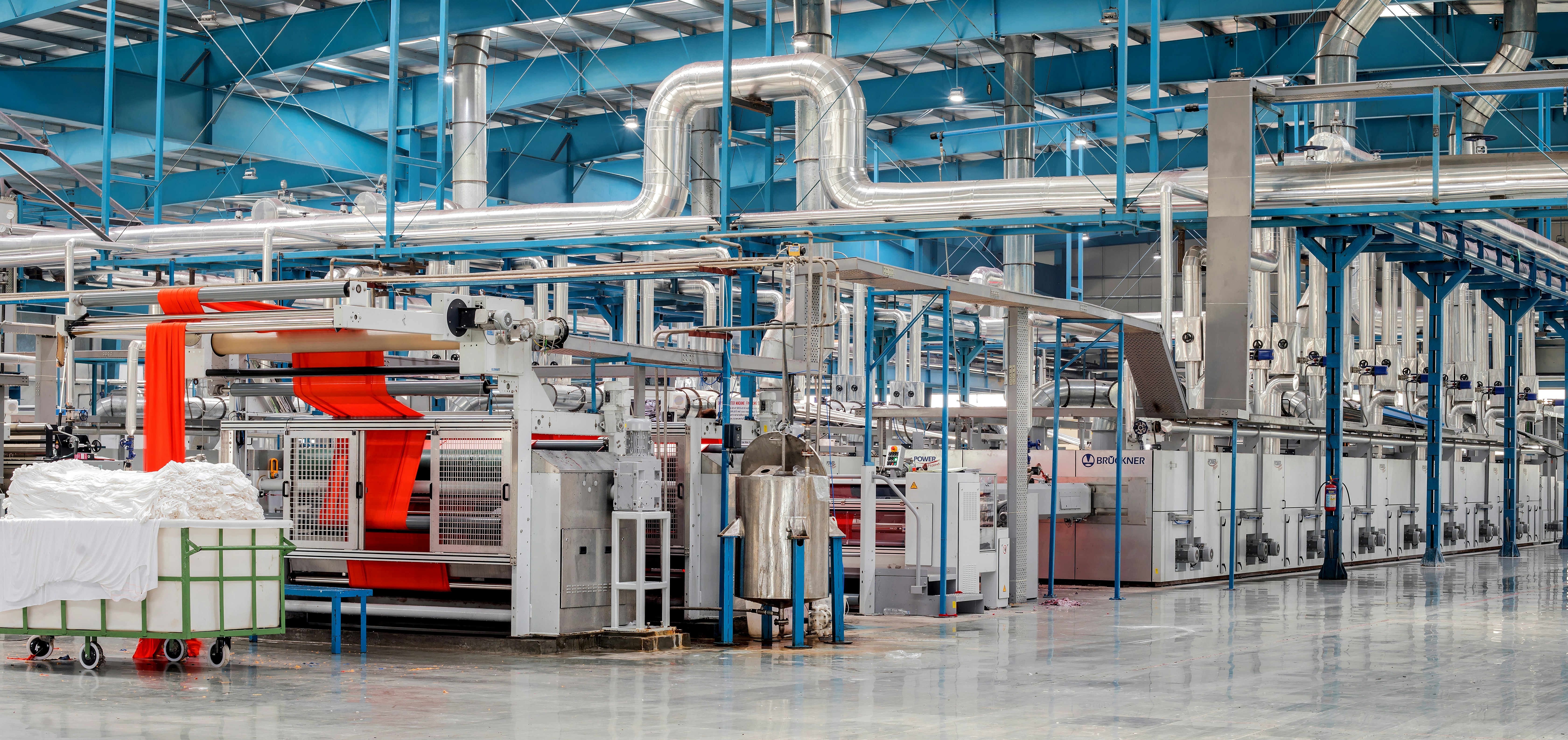
The textile manufacturing process typically begins with the sourcing of raw materials. These materials can be natural, like cotton and wool, or synthetic, such as polyester and nylon. Once the raw materials are obtained, they undergo various processes, including spinning, weaving, dyeing, and finishing, to produce fabric. This fabric is then cut and sewn into garments or other products, culminating in the finished items that consumers purchase.
Understanding the workings of textile factories is crucial for businesses, consumers, and policy-makers alike. For businesses, knowledge of manufacturing practices can lead to better sourcing strategies, ensuring quality and sustainability in their supply chains. Consumers increasingly demand transparency in manufacturing, prompting brands to disclose their sourcing and production practices. Additionally, awareness of the factors influencing the textile industry, such as labor practices and environmental impact, helps consumers make informed purchasing decisions.
As the textile sector continues to evolve with advancements in technology and shifts in consumer preferences, staying informed about the processes and challenges of textile manufacturing becomes ever more vital. The significance of textile manufacturing in the global economy is undeniable, as it not only stimulates economic growth but also influences broader societal trends and behaviors.
History of Textile Factories in China
The history of textile factories in China dates back thousands of years, with evidence of silk weaving as early as the 3rd millennium BC. These early textile processes were primarily labor-intensive, relying heavily on manual craft techniques. As one of the initial producers of silk, ancient China played a significant role in what would become a global textile network, particularly during the Tang and Song dynasties, where advancements in weaving facilitated an increase in production.
The advent of the Industrial Revolution in the 18th and 19th centuries marked a pivotal change in textile manufacturing practices. Western technologies, including the spinning jenny and power looms, were introduced in China during the mid-19th century, significantly altering the landscape of textile production. This transformation was accelerated after China opened its ports to foreign trade under the Treaty of Nanking in 1842, leading to the establishment of the first modern textile factories. These factories were primarily located in coastal cities such as Shanghai and focused on cotton production, which catered to both domestic demand and foreign markets.
Following the founding of the People’s Republic of China in 1949, the textile industry became a key sector for economic development. The government implemented policies aimed at modernizing and expanding textile production capabilities. By introducing state-owned textile factories, China utilized international technologies alongside its vast agricultural resources to enhance cotton cultivation. During the late 20th century, particularly after the economic reforms initiated by Deng Xiaoping in the late 1970s, the sector underwent further transformation. These reforms opened the door for foreign investments and encouraged privatization, transforming China into the world’s largest textile manufacturer by the early 21st century.
Types of Textile Products
Textile manufacturing encompasses a diverse range of products that cater to various industries in China and beyond. These products can be broadly classified into four main categories: garments, home textiles, technical textiles, and others. Each category serves distinct purposes and meets specific customer needs.
Garments constitute one of the most recognizable segments of textile manufacturing. This includes a wide array of clothing items such as shirts, pants, jackets, and dresses, made from fabrics like cotton, polyester, and silk. The garment industry in China is known for its capacity to produce both high-quality fashion apparel and affordable, mass-market clothing. The country’s factories are equipped to handle everything from design to manufacturing, providing a comprehensive service to brands worldwide.
Home textiles represent another significant sector, encompassing products such as bed linens, curtains, towels, and upholstery fabrics. These items are crucial for enhancing the aesthetic appeal and comfort of living spaces. China’s textile factories are capable of producing both functional and decorative home textiles, employing advanced dyeing and weaving techniques to create appealing designs that meet consumer demands.
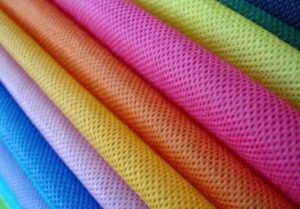
Technical textiles are a growing segment of the industry, consisting of textiles with specialized functions used in sectors such as automotive, healthcare, and construction. Examples include non-woven fabrics for medical applications, industrial filter fabrics, and geotextiles used in civil engineering projects. The versatility and innovation inherent in technical textiles provide a competitive edge for manufacturers in China, positioning them as leaders in this field.
In addition to the aforementioned categories, there are other textile products, such as accessories and specialty fabrics tailored for specific applications. Understanding the types of textiles produced in Chinese factories illustrates the breadth of the industry and its capacity to meet varied market demands.
The Textile Manufacturing Process Explained
The textile manufacturing process is a complex sequence of stages that transforms raw fibers into finished fabrics ready for various applications. At its core, the process begins with the acquisition of raw materials such as cotton, wool, or synthetic fibers. These materials are then carefully prepared for further processing.
The first stage in the textile manufacturing process is spinning. During spinning, fibers are twisted together to create yarn. This is typically done using spinning machines that pull the fibers together, adding strength and structure. The quality of the yarn produced is essential, as it serves as the foundation for the subsequent steps in fabric production.
Once yarn is produced, the next step is weaving or knitting to create fabric. Weaving involves interlacing two sets of yarn—warp (longitudinal) and weft (transverse)—on a loom to produce a textile. Alternatively, knitting involves the use of needles to create a flexible fabric from one continuous yarn. Each method results in distinct properties suited for different applications, from clothing to home furnishings.
After fabric is formed, it undergoes dyeing and finishing processes. Dyeing can be accomplished in several ways, including piece dyeing, yarn dyeing, or solution dyeing, depending on the desired color and effect. Finishing treatments enhance the fabric’s characteristics, such as softness, durability, or resistance to wrinkles. These processes are critical as they determine the fabric’s final appearance and usability.
The integration of these stages illustrates the intricate nature of textile manufacturing in China. Factories employ modern technology and skilled labor to ensure quality and efficiency throughout the production cycle. Understanding each stage is vital for those studying the textile industry and its operations, particularly in a significant manufacturing hub like China.
Key Regions in China for Textile Manufacturing
China has firmly established itself as a global leader in textile manufacturing, and several regions are particularly notable for their contributions to this industry. Among these, Guangdong, Jiangsu, and Zhejiang stand out as key players, each offering unique advantages that support robust textile production.
Firstly, Guangdong province, located in southern China, is renowned for its diverse textile capabilities ranging from cotton to advanced synthetics. The region benefits from a skilled labor market and extensive experience in supply chain management. Additionally, Guangzhou and Shenzhen are major cities within Guangdong that provide efficient logistics networks and proximity to international shipping routes. This geographical advantage significantly reduces transportation costs and enhances the speed of distribution, making Guangdong a preferred choice for many textile manufacturers.
Next, Jiangsu, situated in eastern China, is recognized for its specialization in silk and high-end fabrics. The region’s long-standing tradition of textile craftsmanship, combined with significant investments in modern technology, has fostered a competitive manufacturing environment. Jiangsu’s cities, such as Suzhou and Nanjing, are known for their advanced infrastructure, which supports both large-scale production and small-scale workshops. Moreover, Jiangsu’s access to raw materials and well-established supply chains further strengthens its position in the textile industry.
Lastly, Zhejiang province is another crucial region with a strong focus on knitting and dyeing processes. Cities like Hangzhou and Yiwu are essential hubs, offering a concentration of textile factories and supporting services. The flexibility and innovation within this province enable manufacturers to adapt quickly to market trends and consumer demands. Additionally, Zhejiang’s business-friendly environment and government support enhance its attractiveness for textile industry investments.
The Workforce in Textile Factories
The workforce within Chinese textile factories is a crucial element of the country’s expansive textile manufacturing industry. Typically, this workforce is characterized by its diversity, both in demographics and in the roles that individuals play throughout the production process. Many workers come from rural areas, seeking employment opportunities in urban settings. This shift has resulted in a rich blend of skills and experiences among workers.
In terms of labor conditions, there has been significant scrutiny due to reports of inadequate working environments and low wages. In recent years, however, many factories have made efforts to improve conditions as awareness and advocacy for labor rights have increased. Initiatives include implementing better safety standards and providing training programs to enhance workers’ skills.
Skills required in textile factories range from basic operational tasks to more sophisticated roles involving technology and management. Workers often begin at entry-level positions, where they learn the fundamentals of machine operation and fabric handling. As they gain experience, many can move on to specialized roles, such as quality control inspectors or machine maintenance technicians, thus playing a vital role in ensuring the efficiency of the manufacturing process.
The introduction of automation in textile factories has also impacted the workforce significantly. Robots and advanced machinery are increasingly handling repetitive tasks, which raises questions about job security among workers. While automation enhances productivity and efficiency, it may reduce the number of roles available for unskilled laborers. However, this shift also creates new opportunities for technological roles and skilled positions that can operate and maintain these automated systems.
Challenges Facing the Textile Industry
The textile manufacturing sector in China, while robust and integral to the global supply chain, faces several challenges that could hinder its future growth. One of the major issues is compliance with increasingly stringent environmental regulations. As awareness of sustainable practices rises among consumers, manufacturers are being pushed towards greener production methods. This includes managing waste effectively, minimizing carbon emissions, and using eco-friendly materials. Failure to adhere to these regulations not only results in legal repercussions but may also lead to decreased consumer trust and market share.
Another significant challenge stems from competition with low-cost countries. Nations like Bangladesh, Vietnam, and India offer lower labor costs, making them attractive alternatives for many international brands. This competitive pricing can place immense pressure on Chinese textile manufacturers to reduce their production costs, often at the expense of quality or ethical labor practices. To maintain their market position, many Chinese factories are investing in automation and technology to enhance efficiency and reduce overheads.
Additionally, shifts in consumer demand pose a continual challenge. Today’s consumers are increasingly valuing sustainability, transparency, and ethical sourcing. As a result, textile manufacturers need to adapt quickly to these changing preferences, shifting from traditional merchandise to innovative products that meet consumer expectations. This could include investing in sustainable fabrics or adopting more ethical production practices. Collaborations with designers and brands who emphasize sustainable fashion could also be a strategy to navigate this landscape.
Addressing these multifaceted challenges requires a strategic approach, including investment in technology, process optimization, and a commitment to sustainable practices. By proactively tackling these issues, the textile manufacturing sector in China can enhance its competitive edge and continue to thrive in the global market.
Sustainability in Textile Manufacturing
The textile manufacturing industry has experienced significant scrutiny regarding its environmental impacts, leading to a transformative shift toward sustainability, particularly within Chinese factories. The rising global consciousness around ecological issues has pressured manufacturers to adopt innovative practices aimed at reducing waste, conserving resources, and improving overall sustainability. One pivotal trend is the use of eco-friendly materials, such as organic cotton and recycled polyester, which serve to minimize the environmental footprint associated with traditional textile production.
Moreover, Chinese factories are integrating advanced technologies to enhance energy efficiency. For instance, many are transitioning from conventional heating systems to geothermal and solar energy sources as part of their commitment to reducing carbon emissions. The implementation of smart manufacturing technologies, such as automation and IoT, also allows for real-time monitoring of water and energy usage, further optimizing resource management.
In addition to material choices and energy solutions, there is a growing emphasis on ethical production practices in the textile industry. Factories are increasingly embracing transparency in their supply chains, ensuring fair labor practices and safe working conditions for employees. This approach not only aligns with the values of consumers who prioritize ethically produced goods but also supports long-term sustainability by fostering community development and worker welfare.
Furthermore, recycling initiatives are becoming standard practice in many textile factories across China. By establishing closed-loop systems, manufacturers can recycle fabric scraps and old garments into new products, thereby significantly reducing textile waste. Initiatives such as fabric take-back programs encourage consumers to return used items for recycling, thereby promoting a circular economy model.
As the textile manufacturing industry continues to evolve, the integration of sustainability practices remains essential. These practices not only benefit the environment but also contribute to a positive brand image, attracting a growing customer base that values environmental responsibility and ethical production.
Future Trends in the Textile Industry
The textile manufacturing industry is currently at a pivotal point, particularly in China, which remains a global leader in this sector. As we look forward, several trends are expected to shape the future landscape of textile factories. One significant factor is the integration of advanced technologies, including automation and artificial intelligence (AI). These innovations are streamlining production processes, enhancing efficiency, and reducing costs, ultimately allowing textile manufacturers to respond more rapidly to changing market demands.
Moreover, sustainability has emerged as a central theme within the industry. Consumers are becoming increasingly aware of the environmental impact of textile production. As a result, Chinese textile factories are exploring eco-friendly materials and sustainable practices to minimize their carbon footprint. For example, the use of biodegradable fabrics and recycled materials is expected to rise, aligning with the growing consumer preference for sustainable fashion.
Another critical trend involves the shifting market demands as a result of globalization. Chinese textile manufacturers are adapting to changes in consumer preferences, which are increasingly leaning towards personalized and unique products rather than mass-produced items. This shift is driving investment in customization technology, allowing factories to offer made-to-order services that cater to individual customer needs.
Lastly, the impact of e-commerce and digital platforms cannot be overlooked. Online shopping continues to gain immense popularity, compelling textile factories to enhance their online presence and embrace digital marketing strategies. This transition not only expands their reach but also provides valuable insights into consumer behavior, enabling manufacturers to better align their offerings with market trends.
In conclusion, the future of the textile manufacturing industry in China is poised for transformative developments driven by technological advancements, sustainability initiatives, and evolving market demands. As factories adapt to these changes, they will not only improve their operational practices but also position themselves favorably within the global marketplace.