What is a Duvet Cover
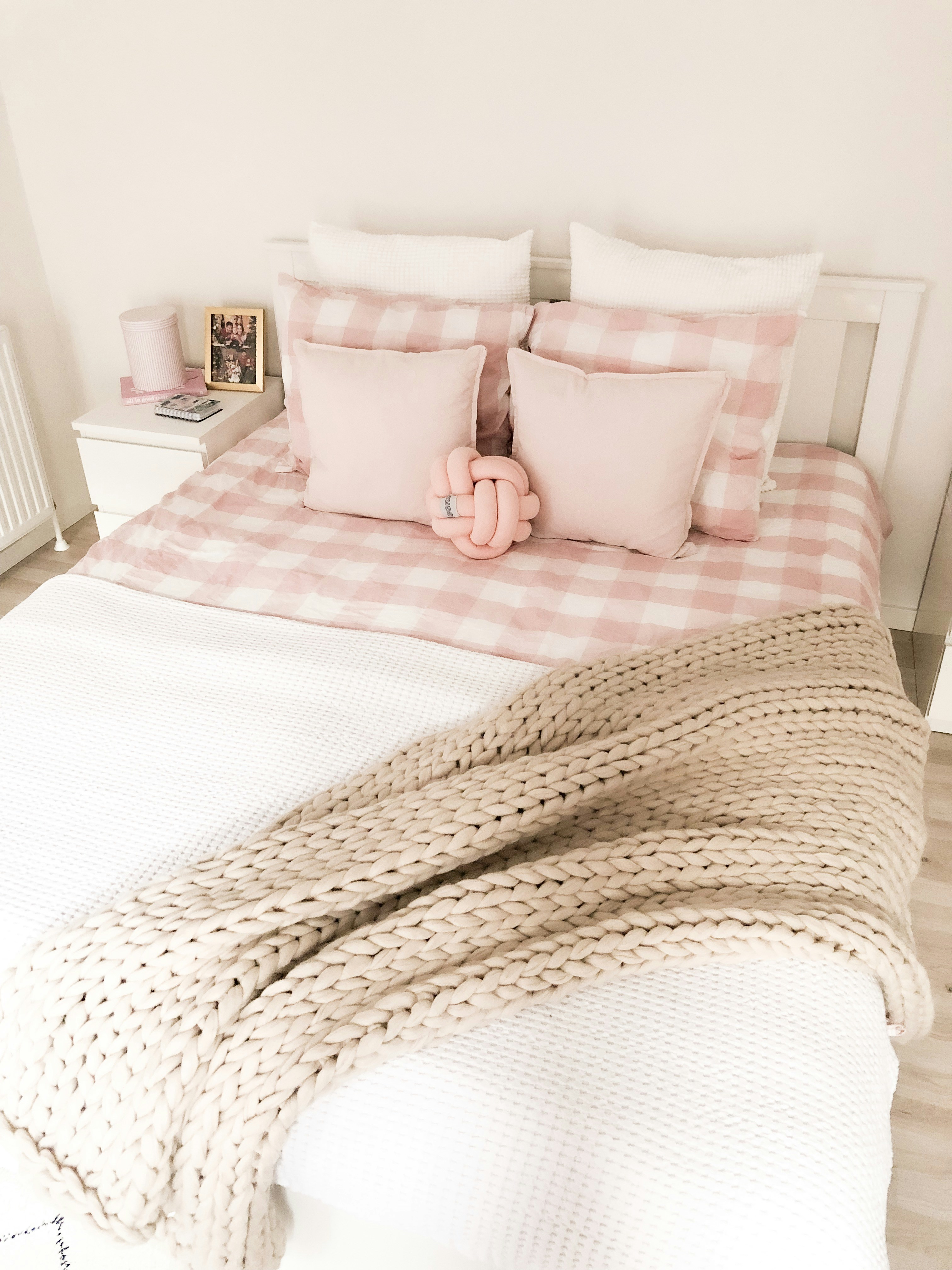
What is a duvet cover?A duvet cover is a protective and decorative layer that encases a duvet, which is typically a soft bag filled with down, feathers, or synthetic materials. The primary purpose of a duvet cover is to shield the duvet from dirt, spills, and wear, thereby prolonging its lifespan while also providing a way to easily update the look of bedding. Unlike bedspreads or comforters, which are often used as standalone bedding, a duvet cover is designed to be used in conjunction with a duvet, allowing for versatile styling and easy maintenance.
In terms of design, duvet covers offer a wide range of choices in colors, patterns, and textures. This allows homeowners to select covers that complement their bedroom décor. Common materials for duvet covers include cotton, linen, and polyester blends, each contributing unique qualities. Cotton is widely favored for its breathability and softness, while linen is renowned for its durability and natural aesthetic. Polyester blends, on the other hand, can offer both affordability and wrinkle resistance.
When comparing duvet covers to similar bedding options, it is essential to note that they are typically used with a separate duvet insert, making them distinct from comforters that have a filling sewn directly into the fabric. Additionally, bedspreads tend to cover the entire bed, including the sides, whereas duvet covers primarily focus on the top. This versatility in design and function makes duvet covers a popular choice in many households.
In conclusion, a duvet cover is not merely a functional piece of bedding but also an opportunity to enhance the visual appeal of a bedroom. With various materials and designs available, duvet covers allow for personalization while serving their protective role for the duvet within.
Benefits of Using a Duvet Cover
Utilizing a duvet cover offers various benefits that enhance both the functionality and aesthetic appeal of bedding. One of the primary advantages is the protection it provides for the duvet itself. A duvet can be a significant investment, and a cover acts as a barrier against dust, dirt, and accidental spills. By shielding the duvet from these elements, it maintains its quality and prolongs its lifespan, thus providing excellent value for money.
Another notable benefit of a duvet cover is the ease of cleaning it facilitates. Duvets can be cumbersome to wash, often requiring special care due to their size and filling material. In contrast, duvet covers are typically made from machine-washable fabrics, allowing for a quick and straightforward cleaning process. This ease of maintenance is particularly appealing for households with children or pets, where bedding can frequently require washing. By regularly laundering the duvet cover, the appearance of the bedding remains fresh and inviting, ensuring a comfortable sleeping environment.
Moreover, duvet covers offer remarkable design versatility. They come in a vast array of colors, patterns, and textures, allowing individuals to easily switch up their bedroom aesthetic. Whether one prefers a minimalist look, vibrant prints, or elegant textures, there is a duvet cover to complement every style. This versatility enables individuals to refresh their bedroom decor without investing in entirely new bedding sets, making it a cost-effective way to enhance the overall look of the space. In essence, a duvet cover not only provides practical advantages such as protection and easy cleaning but also contributes to an inviting and tailored decor.
Choosing the Right Duvet Cover
Selecting the ideal duvet cover is crucial for both aesthetic and functional aspects of your bedroom. Begin by determining the appropriate size, as duvet covers come in various dimensions to fit different types of duvets. Common sizes include twin, full, queen, and king, aligning with standard mattress dimensions. A properly sized duvet cover enhances the overall look of your bedding while ensuring comfort during sleep.
Material choice is another critical factor when selecting a duvet cover. Options range from natural fibers, such as cotton and linen, to synthetic materials like polyester. Cotton is particularly popular for its breathability and softness, while linen offers a more textured feel that easily complements rustic decor. Synthetic fabrics may be preferred for their durability and ease of maintenance. Take a moment to consider the climate and your personal preferences when deciding on the material, ensuring it suits your needs.
Thread count is also an essential criterion that can affect the quality of a duvet cover. A higher thread count often indicates a denser fabric, potentially providing a softer and more durable cover. Look for duvet covers with a thread count between 200 and 800, as this range typically balances comfort and longevity. However, keep in mind that the thread count should not be the sole deciding factor; the type of material plays an equally significant role.
Finally, design considerations are vital in creating a cohesive look with your bedroom decor. Choose colors and patterns that complement existing furnishings and contribute to the desired ambiance. From bold prints to subtle textures, a well-chosen duvet cover can serve as a focal point in the room. By considering size, material, thread count, and design, you will be better equipped to select the right duvet cover that fits both your style and functional needs.
Different Types of Duvet Covers
Duvet covers are available in a variety of types, each designed to cater to specific preferences in style, material, and functionality. Understanding these differences can aid consumers in making informed choices when selecting a duvet cover.
One key differentiation among duvet covers is the closure mechanism. The two most common types are button closure and zipper closure. Button closures offer a classic aesthetic, often providing a soft and inviting feel. They can be slightly more challenging to manage when changing the duvet, as the buttons require careful alignment. On the other hand, zipper closures allow for quicker and easier access when inserting or removing the duvet. They ensure a snug fit, which can help prevent the duvet from shifting inside the cover.
In terms of materials, duvet covers come in several options, with cotton, linen, and silk being particularly popular. Cotton duvet covers are celebrated for their durability and breathability. They come in various weaves, including percale and sateen, which can affect the texture and feel against the skin. Linen, derived from flax, is favored for its natural temperature-regulating properties, making it an excellent choice for both warm and cool climates. Its textured appearance adds a rustic charm to any bedroom decor. Silk duvet covers, while luxurious, require more delicate care to maintain their sheen and softness. They are hypoallergenic and provide a sumptuous sleeping experience but are generally less practical for everyday use.
Each type of duvet cover serves a unique purpose, enhancing the functionality and style of bedding while catering to diverse sleeping preferences. By considering closure styles and fabric types, consumers can select duvet covers that not only enhance their sleeping experience but also complement their home decor.
Maintaining Your Duvet Cover
To ensure the longevity and quality of your duvet cover, proper maintenance is essential. The cleaning methods employed and the frequency of washing can significantly impact the durability of the fabric. Generally, it is advisable to wash your duvet cover every two to four weeks, depending on personal preference and usage. Frequent laundering helps eliminate allergens, dust mites, and dirt that may accumulate over time.
When it comes to washing your duvet cover, always check the care label for specific instructions. Most duvet covers are machine washable, but it is best to use a gentle cycle with cold or warm water to prevent fading and shrinkage. Additionally, opt for a mild detergent that is free from harsh chemicals. This choice not only protects the fabric but also maintains its texture and feel.
It’s crucial to separate dark and light colors when washing to avoid color bleeding. If your duvet cover features intricate designs or is made from delicate materials, consider using a laundry bag to provide an extra layer of protection during the wash cycle. For those who prefer a more eco-friendly cleaning method, spot cleaning with a damp cloth and mild soap can effectively address localized stains without the need for regular washes.
Drying your duvet cover properly will also contribute to its longevity. If possible, air drying is recommended, as it prevents potential damage that may occur in a dryer. However, if a machine dryer is necessary, opt for a low heat setting and promptly remove the cover once dry to minimize wrinkles. Lastly, storing your duvet cover in a cool, dry place, away from direct sunlight, will help preserve its color and fabric integrity over time.
Fashion Trends in Duvet Covers
Duvet covers have evolved significantly to reflect the changing tastes in interior design, making them a critical element in contemporary home fashion. Current trends emphasize a blend of comfort and style, with a focus on creating tranquil and visually appealing environments. In recent years, minimalism has taken the forefront, emphasizing neutral tones such as soft whites, beiges, and greys. These colors serve as versatile backdrops, allowing homeowners to easily switch up their decor styles without the need for extensive changes.
On the other hand, bold prints and vibrant colors have also made a comeback, appealing to those who wish to make a statement in their bedroom. Geometric patterns, florals, and tropical motifs are increasingly popular, blending seamlessly into bohemian or eclectic aesthetics. The use of layering is another trend gaining traction, where duvet covers are paired with various textured throws and mixing patterns to create a visually stimulating yet cohesive look.
Furthermore, sustainability is a prominent factor in current duvet cover fashion. Many consumers are now seeking out eco-friendly fabrics such as organic cotton, linen, or bamboo, which not only enhance comfort but also lessen environmental impact. This trend aligns with a broader movement towards mindful consumption, where quality and ethical sourcing take precedence over quantity.
Incorporating fashionable duvet covers into any bedroom style is simple. Homeowners are encouraged to consider their overall theme when selecting colors and patterns. For a coastal look, soft blues and whites can create a serene atmosphere, while rich jewel tones can elevate a classic or vintage aesthetic. Ultimately, duvet covers serve not just as functional items but as stylish elements that can reflect personal taste and contribute to the overall ambiance of a room.
Duvet Cover vs. Comforters: What’s the Difference?
When it comes to bedding, understanding the distinctions between duvet covers and comforters is essential for selecting the most suitable option for your needs. Both provide warmth and comfort, but their design, usability, cleaning requirements, and versatility set them apart.
A duvet cover is essentially a protective layer that encases a duvet, which is a soft, insulated blanket. The primary purpose of a duvet cover is not just to protect the duvet from dirt and wear but also to enhance the overall aesthetic of the bedroom. Available in a variety of colors, patterns, and materials, duvet covers can be easily changed to match different decor styles, allowing for greater customization without the need to buy a new duvet. Additionally, since most duvet covers come with closures like buttons or zippers, they are straightforward to use, making it easy to insert or remove the duvet as needed.
In contrast, comforters are typically a standalone bedding item that combines filling and outer fabric and is designed to be visually appealing as well as functional. Unlike duvet covers, comforters come in various thicknesses and weights, making them versatile for different seasons. However, unlike duvet covers, comforters often lack the ability to change styles easily; their designs and patterns are fixed, which may not suit all aesthetic changes over time.
Cleaning is another factor to consider. Duvet covers usually require less maintenance, as they can be washed separately and more frequently than comforters, which often need to be taken to a professional cleaner due to their bulk and filling. This makes duvet covers a more practical option for those who desire low-maintenance bedding solutions.
Ultimately, the choice between a duvet cover and a comforter will depend on personal preferences regarding style, practicality, and care. Whether you lean towards the versatility of a duvet cover or the simplicity of a comforter, understanding these differences will aid in making a well-informed decision.
Sustainable Options for Duvet Covers
As the conversation surrounding climate change and sustainability becomes increasingly urgent, consumers are seeking products that align with their values, including bedding options such as duvet covers. Sustainable duvet covers are not only beneficial for the environment, but they also offer comfort and aesthetic appeal. The market is responding with a growing variety of eco-friendly options that utilize materials responsibly sourced through ethical practices.
One of the most widely recognized sustainable materials is organic cotton, which is cultivated without synthetic fertilizers or pesticides. This approach not only improves the quality of the soil but also eliminates harmful chemicals that can harm both farmworkers and the environment. Additionally, many companies are adopting practices such as crop rotation and rain-fed irrigation to further support sustainable cotton farming.
Another material gaining traction is Tencel, derived from sustainably sourced wood pulp. The production process of Tencel is designed to minimize environmental impact by using a closed-loop process that recycles water and solvents. The result is a luxurious, breathable fabric that is biodegradable and has a lower ecological footprint than conventional materials.
Brands like Coyuchi and West Elm have established strong reputations for their commitment to sustainability. Coyuchi’s duvet covers are made from organic cotton and certified by the Global Organic Textile Standard (GOTS), ensuring their production meets strict environmental and social criteria. Similarly, West Elm offers a collection of duvet covers made from recycled materials, highlighting their aim to minimize waste while providing stylish bedding solutions.
As consumers become more conscientious about their purchases, the demand for sustainable duvet covers is likely to increase. Investing in eco-friendly bedding not only contributes to a healthier planet but can also serve as a personal commitment to environmentally responsible practices. By opting for products that prioritize sustainability, consumers can help drive change within the textile industry, fostering a future where both comfort and environmental stewardship go hand in hand.
Conclusion
In this comprehensive guide, we explored the essential aspects of duvet covers, emphasizing their significance in enhancing both the functionality and aesthetics of a bedroom. A duvet cover serves as a protective layer for your duvet, shielding it from dust and dirt while simultaneously providing an opportunity for personal expression through various designs and colors. Selecting the right duvet cover can dramatically impact the overall appearance of your bedding and, consequently, the ambiance of your bedroom.
We highlighted the various materials available for duvet covers, such as cotton, linen, and microfiber, each offering distinct advantages in terms of comfort, breathability, and durability. The choice of fabric is vital, not only for the tactile experience but also for maintenance and suitability to different climates. Furthermore, the guide delved into the array of styles and patterns, enabling individuals to align their bedding choices with their personal style and room decor.
Moreover, we discussed the importance of proper sizing and fit, ensuring that the duvet cover adheres well to the duvet itself. A well-fitting duvet cover not only maintains a sleek look but also enhances comfort during use. Attention to details, such as closures and maintenance requirements, also plays a pivotal role in the longevity of a duvet cover.
Ultimately, the right duvet cover merges practicality with aesthetics, contributing to a serene and inviting sleep space. As you navigate your options, consider both functional features and design elements to curate a cohesive look in your bedroom. By investing time in selecting a duvet cover that meets your needs, you enhance not only your sleeping environment but also your overall quality of life.