Introduction to Bed Coverings
What is a coverlet for bed?Bed coverings play a crucial role in both the aesthetics and comfort of a bedroom. They not only provide warmth and coziness during night time but also contribute significantly to the overall decor style of the space. Among the varied types of bed coverings available, quilts, coverlets, and duvets stand out for their unique designs, functionalities, and styles.
Bed coverings play a crucial role in both the aesthetics and comfort of a bedroom. They not only provide warmth and coziness during night time but also contribute significantly to the overall decor style of the space. Among the varied types of bed coverings available, quilts, coverlets, and duvets stand out for their unique designs, functionalities, and styles.
Quilts are traditionally made by sewing together layers of fabric, usually with a decorative top layer, a middle layer of batting, and a backing layer. They often feature intricate patterns and designs, stemming from various cultural backgrounds, and serve both decorative and practical purposes. The quilting technique employed not only adds to the durability of the quilt but also enhances its visual appeal, making it a favored choice for many homeowners.
In contrast, coverlets are typically lightweight and designed to cover the top of the bed, falling just short of the floor. Their primary function is to offer a polished appearance while also providing an extra layer of warmth when needed. Due to their lighter nature, coverlets are often used in warmer climates or can be layered with other bedding for those who enjoy a more versatile sleeping environment.
Duvets, on the other hand, consist of a soft flat bag filled with materials like down feathers or synthetic fibers, designed to be used with a duvet cover for protection and style. The duvet cover can be easily removed and washed, making it a pragmatic choice for bedding maintenance. While duvets tend to be warmer than quilts or coverlets, they require specific duvet covers that match both the aesthetics and personal style of the user.
Understanding these bed coverings helps consumers make informed decisions about which option best suits their personal needs and bedroom decor. Each type offers distinct advantages and can be tailored to accommodate various preferences and seasonal needs.
What is a Quilt?
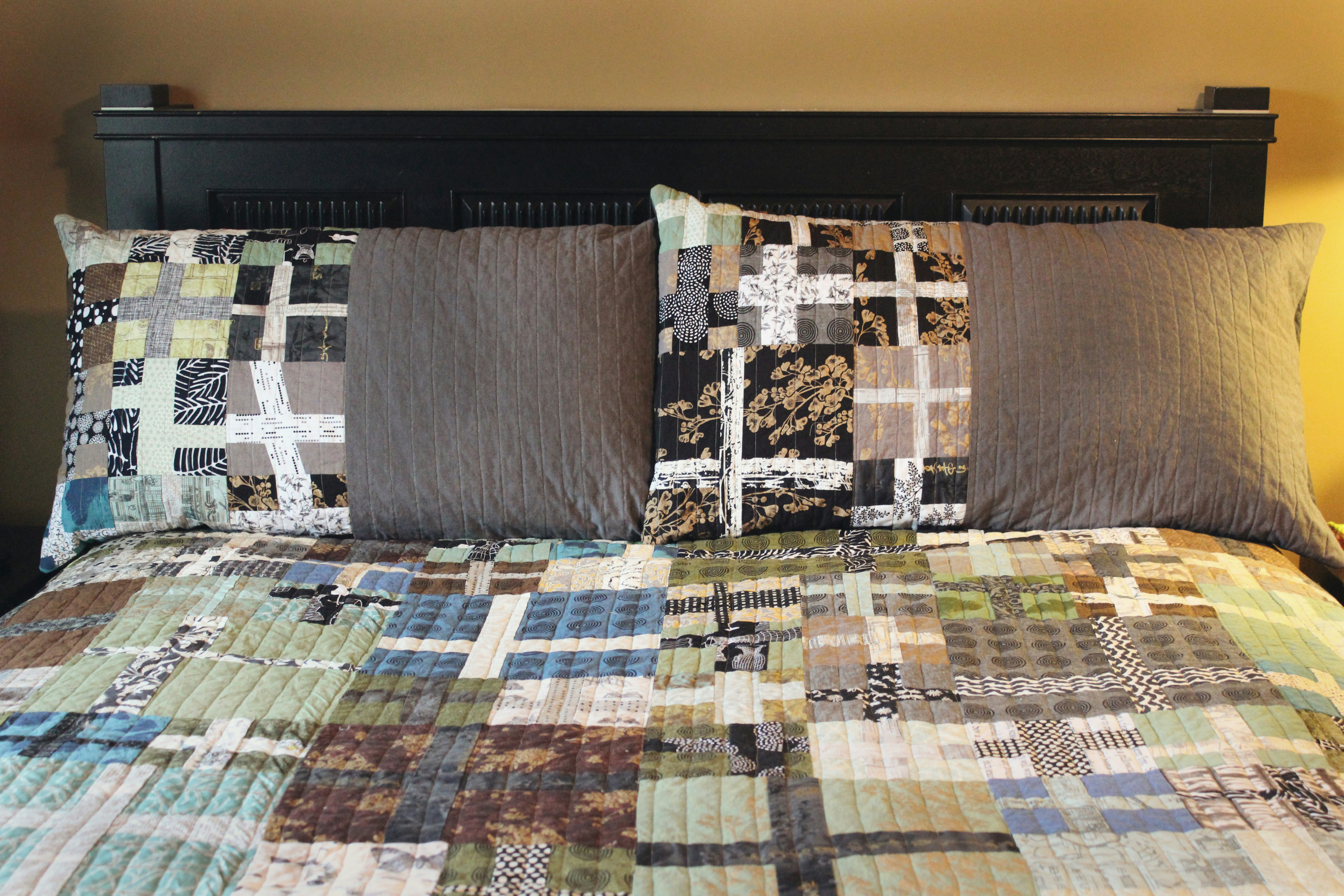
A quilt is a multi-layered textile, traditionally made up of three essential components: the top layer, a batting layer in the middle, and a backing layer, which together create a durable and warmth-providing covering. The artistry of quilts often lies in the intricate designs of the top layer, featuring various patchwork patterns, which can be comprised of an array of fabrics, colors, and motifs. This aspect not only showcases individual craftsmanship but also reflects cultural heritage and history, as quilting patterns can signify regional differences and traditions.
Historically, quilts were utilitarian objects, serving as functional bed coverings that provided warmth. However, over time, they have evolved to embrace artistic expression, becoming cherished items often passed down through generations. The process of quilting, involving a combination of sewing techniques, has been adapted across cultures, resulting in diverse styles and methods. Often, hand-stitched quilts carry a sentimental value, embodying the maker’s dedication and skill.
In contemporary settings, quilts serve multiple purposes beyond their original utility. They are increasingly used as decorative items, enhancing the visual appeal of bedrooms and living spaces. A well-made quilt can transform the ambiance of a room, acting as a focal point with its color and design. Additionally, quilts may be employed during family gatherings, providing comfort and warmth on chilly evenings. They can also be utilized in community events, showcasing collective craftsmanship and storytelling through fabric.
Overall, the significance of quilts extends beyond mere bedding; they are a testament to creativity, history, and the enduring nature of textile arts. Through their diverse uses and aesthetic qualities, quilts continue to occupy an important place in both daily life and artistic expression.
Exploring Coverlets
Coverlets are lightweight bed covers that serve both functional and decorative purposes in the bedroom. Unlike quilts and duvets, coverlets typically do not have a insulating fill, which makes them an excellent choice for warmer climates or as an additional layer during cooler months. They are designed to cover the mattress and can extend to the sides of the bed, often falling short of the floor unlike a traditional quilt or duvet.
When it comes to size, coverlets are generally available in various dimensions to fit different types of beds, including twin, full, queen, and king sizes. This versatility allows them to provide adequate coverage while being aesthetically pleasing. The fabric used for coverlets can vary widely, ranging from cotton and linen to polyester blends, which contributes to their varied textures and patterns. Many coverlets feature intricate designs, ornate stitching, or even simple patterns, enhancing the overall aesthetic of a room.
In addition to their visual appeal, the primary purpose of using a coverlet lies in its functionality as a decorative item that can be easily layered with quilts or duvets. They are also perfect for summer nights when a heavy duvet may feel too warm. Coverlets additionally work well as a styling element in bedroom decor, seamlessly coordinating with other bedding accessories, such as decorative pillows and throws.
The benefits of incorporating coverlets into bedroom decor include their ease of maintenance—most coverlets are machine washable—and their ability to transform the look of a room instantly. By selecting the right color, pattern, and fabric, coverlets can enhance any bedroom setting, making them a highly desirable addition for both comfort and style.
Duvets: An In-Depth Look
Duvets, often referred to as comforters in certain regions, are versatile bedding options that distinguish themselves from other types such as quilts and coverlets. One of the primary characteristics of duvets is that they consist of two main components: a duvet insert, which provides warmth, and a duvet cover that acts as its protective layer. This structure allows for greater flexibility in managing thermal comfort based on individual preferences and seasonal variations.
The duvet insert can be filled with various materials, ranging from natural down feathers to synthetic fiber fills, each presenting unique advantages. For instance, down-filled duvets tend to offer exceptional insulation while remaining lightweight, making them a favored choice in colder climates. Conversely, synthetic fills can provide increased durability and ease of care, appealing to individuals with allergies or those who prefer machine-washable options.
In addition to the insert, the duvet cover plays a crucial role in aesthetic appeal and maintenance. Duvet covers come in a multitude of colors, patterns, and textures, allowing homeowners to change the look of their bedding quickly without needing to invest in entirely new sets. It is recommended to wash duvet covers regularly to keep them fresh and clean, unlike traditional quilts, which may require more involved cleaning methods.
Pragmatically, duvets suit various climates. For warmer regions, lightweight or summer-weight duvets with breathable materials can provide adequate coverage without overheating. As temperatures drop, users can opt for heavier winter-weight options, ensuring a cozy and comfortable sleeping environment. This adaptability, along with options to personalize covers, makes duvets an attractive choice for diverse personal preferences and household needs.
Comparative Analysis: Quilts vs. Coverlets vs. Duvets
When delving into the realm of bedding, it is essential to distinguish between quilts, coverlets, and duvets, as each serves a unique purpose in home decor and functionality. The first aspect to consider is warmth. Quilts are typically layered with batting between two fabric layers, providing moderate warmth suitable for milder climates or as an additional layer in colder months. Coverlets, on the other hand, are generally lighter and are designed more for decorative purposes, offering minimal warmth, making them excellent for warmer seasons or as an accent piece on a layered bed. Duvets consist of a soft flat bag filled with down or synthetic fibers, offering significant warmth and comfort, particularly well-suited for colder weather.
Thickness is another important differentiator. Quilts are characterized by their varying thickness, typically designed to fit snugly on the bed without overwhelming it. Coverlets tend to be thinner, often resembling oversized throws and may fall short of covering the entire bed without a bed skirt or other bedding layers. Duvets, in contrast, are generally thicker and meant to be used with a duvet cover, which allows for easy washing while also providing a decorative element.
Care requirements can also influence the choice between these options. Quilts, due to their layered design, may require more intricate cleaning processes, sometimes needing to be dry cleaned, especially if they are made from delicate materials. Coverlets usually demand simpler maintenance, often being machine washable and quick to care for. Duvets are versatile in care; while covers can be washed regularly, the duvet itself might require occasional dry cleaning depending on the fill material.
Finally, regarding design versatility, quilts often feature intricate patterns or stitching, adding artistic flair to a bedroom. Coverlets, with their sleek lines and modern designs, are easily coordinated with various decor styles. Duvets offer the most flexibility, as they can be fully covered with different duvet covers, allowing for seasonal changes or personal stylistic expression.
Choosing the Right Bedding for Your Needs
When selecting bedding, it is essential to consider a variety of factors, including personal comfort, room aesthetics, and seasonal changes. Understanding the differences between quilts, coverlets, and duvets can guide you in making an informed decision that complements your sleeping environment.
First, assess your own comfort preferences along with the climate in which you reside. For instance, quilts are typically lighter and more breathable, making them an excellent choice for warmer months or minimalist styles. On the other hand, a duvet offers warmth and can be more suitable for colder climates due to its insulating properties. Consider whether you prefer the weight and coziness of a duvet or the lightweight nature of a coverlet, which can easily layer over a sheet or blanket.
Aesthetics also play a significant role in choosing bedding. Quilts often feature intricate patterns and quilting techniques, adding a decorative element to your bedroom space. In contrast, coverlets boast sleek designs, which can serve as both functional bedding and stylish top layers. Duvets, typically enclosed in decorative covers, can allow for flexibility in colors and patterns, enabling changes in style without replacing the entire bedding set.
Seasonal changes should not be overlooked when selecting your bedding. During warmer months, you might prefer a quilt or a lighter coverlet, while colder seasons may necessitate the use of a heavier duvet for additional warmth. Ultimately, your choice in bedding should reflect not only your comfort preferences but also align with your home decor and adapt to seasonal needs.
Care and Maintenance of Bedding
Maintaining the longevity of your quilts, coverlets, and duvets requires proper care and attention. Each type of bedding has unique qualities that affect how they should be cleaned and stored.
Quilts are typically made from multiple layers of fabric and batting, making them more delicate than standard blankets. When cleaning quilts, it is advised to check the care label for specific washing instructions. Most quilts can be machine washed on a gentle cycle using cold water and a mild detergent. If the quilt has intricate stitching or is vintage, consider dry cleaning it to prevent damage. For drying, air drying is preferable to maintain the shape and integrity of the fabric, although tumble drying on a low setting can be used with care.
Coverlets are generally lightweight, making them easy to clean. Usually constructed of a single layer of fabric, they can also be machine washed. It is important to use a gentle cycle and cold water. After washing, coverlets can be line-dried or tumble dried on low. To prevent wear, rotate your coverlet regularly and avoid exposing it to direct sunlight for long periods.
Duvets, which often come with a protective duvet cover, require a different approach. The duvet cover can typically be removed and washed like regular linens. The duvet itself should be washed according to the manufacturer’s instructions, which may recommend dry cleaning or machine washing on a gentle cycle. It is critical to fluff and air out your duvet regularly to maintain its loft and warmth.
In terms of storage, quilts and coverlets should be kept in a cool, dry place to avoid mildew and pest infestations. Using breathable storage bags or cotton sheets can help protect them. Duvets should also be stored in breathable bags and kept in a place safe from moisture. Implementing these care practices can greatly extend the lifespan of your bedding, ensuring comfort for years to come.
Decorating with Bedding: Style Tips
Incorporating different types of bedding, such as quilts, coverlets, and duvets, into your home décor can significantly enhance the overall aesthetic of your space. Each bedding type serves not only a functional purpose but also adds a layer of style and comfort to your bedrooms. To achieve an inviting and harmonious look, layering is the key. Start by selecting a duvet as your base layer, which provides warmth and softness. Duvets can often be adorned with colorful patterns or textures, adding visual interest to the bed.
Once the duvet is laid out, consider adding a coverlet on top to create a polished finish. Coverlets are generally lighter and can offer a contrasting texture that helps define the sleeping area. Choose a coverlet that complements the duvet’s theme – for example, if your duvet has bold geometric prints, opting for a solid-colored coverlet can create a beautiful balance. Quilts can also be a delightful addition to the layering, lending their unique styles ranging from traditional to modern. A quilt can either be folded at the foot of the bed for a casual look or spread over the entire bedding when additional warmth is desired.
Color coordination is crucial when decorating with bedding. Aim for a cohesive color palette that flows well throughout the room. This can be achieved by selecting bedding that features the same tones as other room elements, such as curtains or decorative pillows. Utilize accent colors to inject personality, but be cautious not to overwhelm the space. Lastly, keeping the bedding texture in mind is vital; mixing various textures can create a more inviting environment while ensuring that you do not stray too far from a consistent theme. By thoughtfully combining quilts, coverlets, and duvets with style and harmony in mind, you can create a serene and stylish bedroom retreat.
Conclusion: Making Your Bedding Choice
As we have explored throughout this post, understanding the distinctions between quilts, coverlets, and duvets is essential for making informed decisions regarding your bedding. Each option offers unique features and benefits, catering to different styles, needs, and preferences. Quilts provide warmth and cozy patterns, coverlets offer lightweight coverage perfect for warmer climates, and duvets deliver versatility and luxury, particularly in cold weather.
When selecting the right bedding, it is important to consider factors such as climate, personal comfort, and aesthetic preferences. For instance, if a person values warmth and has a style that prioritizes intricate designs, a quilt may be a suitable choice. Conversely, those who prefer minimalistic designs or live in warmer environments might lean towards a coverlet. On the other hand, individuals who desire a modular bedding system that can adapt across seasons may find a duvet to be the best fit for their needs.
Ultimately, the choice of bedding not only influences the decorative aspects of your bedroom but significantly impacts overall comfort during sleep. Therefore, taking the time to reflect on personal styles and comfort levels can lead to greater satisfaction with your chosen bedding arrangement. Consider your space and create a serene sleeping environment that aligns with your lifestyle and preferences. With these factors in mind, you can confidently make your bedding choice that enhances both comfort and style.