Introduction to Textile Production
Textile production is a vital aspect of human civilization, encompassing a series of techniques and processes that transform raw materials into woven or knitted fabrics used to create clothing, home furnishings, and a plethora of other goods. Historically, the art of textile production traces back thousands of years, with evidence of handwoven fabrics dating as early as 6000 BCE. This ancient craft, once reliant solely on manual methods involving simple tools, has experienced tremendous evolution, transitioning into the sophisticated industrial processes we see today.
The significance of textiles in human culture cannot be overstated. They have acted as a medium for both functional and artistic expression, symbolizing social status, identity, and community. Textiles have been crucial drivers of economic activity over the centuries, facilitating trade and commerce. As societies evolved, so did their needs and preferences regarding textiles, leading to the development of a vast array of fibers and weaving techniques.
In the modern era, advancements in technology have greatly transformed textile production. The introduction of mechanized looms and automated processes has resulted in higher efficiency, allowing for mass production of fabrics. Today, textile production can leverage innovations such as computer-aided design (CAD) and automated cutting systems, revolutionizing how textiles are designed and manufactured. This transition from traditional methods to high-tech production reflects broader trends in globalization and consumer demand for varied textile products.
Ultimately, understanding textile production entails comprehending not just the methods involved but also its historical context and its essential role in shaping human economies and cultures. As we explore the various stages of textile production throughout this blog post, we will uncover the intricate relationship between humanity and the fabrics that adorn our lives.
Overview of Textile Fibers
Textile fibers are the fundamental building blocks of any fabric, serving as the essential components in the textile production process. They can be categorized broadly into two main groups: natural fibers and synthetic fibers, each with unique origins, characteristics, and applications.
Natural fibers are derived from plants, animals, or minerals. Cotton, for instance, is a widely used natural fiber that originates from the cotton plant. Its softness, breathability, and absorbency make it ideal for clothing and household textiles. Silk, another prominent natural fiber, comes from silkworms and is celebrated for its lustrous sheen and luxurious feel, commonly utilized in high-end garments and home furnishings. Wool, sourced from sheep, offers exceptional insulation and moisture-wicking properties, making it popular for warm clothing and blankets.
In contrast, synthetic fibers are man-made and created from chemical processes. Polyester is a notable example, known for its durability, wrinkle resistance, and ease of care. This versatile fiber is extensively used in various applications, from activewear to industrial textiles. Nylon, developed as a silk substitute, is recognized for its strength and elasticity, leading to its use in products such as hosiery and outdoor gear. Synthetic fibers can often be engineered to mimic the characteristics of natural fibers, offering benefits such as resistance to shrinking and fading.
Understanding the diverse range of textile fibers is crucial for both consumers and manufacturers. By recognizing the properties and applications of each fiber type, informed decisions can be made regarding textile production, resulting in enhanced functionality and sustainability within the industry. The selection of appropriate fiber types significantly impacts the performance and quality of the final textile products.
The Spinning Process
The spinning process is a fundamental stage in the textile production journey, tasked with the crucial role of converting raw fibers into yarn. This process can be executed through a variety of techniques that span from traditional hand-spinning methods to advanced modern techniques such as ring spinning and rotor spinning. Each method influences the final qualities of the yarn, thereby affecting the overall textile produced.
Hand-spinning, a craft that has been utilized for centuries, involves the manual twisting of fibers to create yarn. This method allows for a unique control over the thickness and texture of the yarn produced, often resulting in distinctive artisanal textiles. However, it requires significant skill and can be time-consuming, which is why it has been largely supplanted by mechanized techniques in commercial textile production.
Modern spinning techniques such as ring spinning have revolutionized yarn production. Ring spinning involves drawing out fibers and twisting them into yarn through a series of rollers and a spindle. This method is favored for its ability to produce strong and fine yarns, making it suitable for a wide range of textile applications. In addition to ring spinning, rotor spinning has gained popularity. Rotor spinning employs a different mechanism where the fibers are fed into a rotor that twists and forms the yarn. This technique is often faster than ring spinning and is particularly efficient for creating thicker yarns.
The choice of spinning technique can significantly influence the properties of the final textile, such as strength, durability, and texture. By understanding the nuances of the spinning process, manufacturers can select the appropriate method to achieve the desired quality and functionality of their textile products. As such, a comprehensive grasp of spinning techniques is essential for anyone involved in the textile production industry.
Weaving and Knitting Techniques
Textile production encompasses various methods of fabric construction, with the two primary techniques being weaving and knitting. Each method offers distinct advantages and results in different types of fabrics, catering to a wide range of applications and aesthetic preferences.
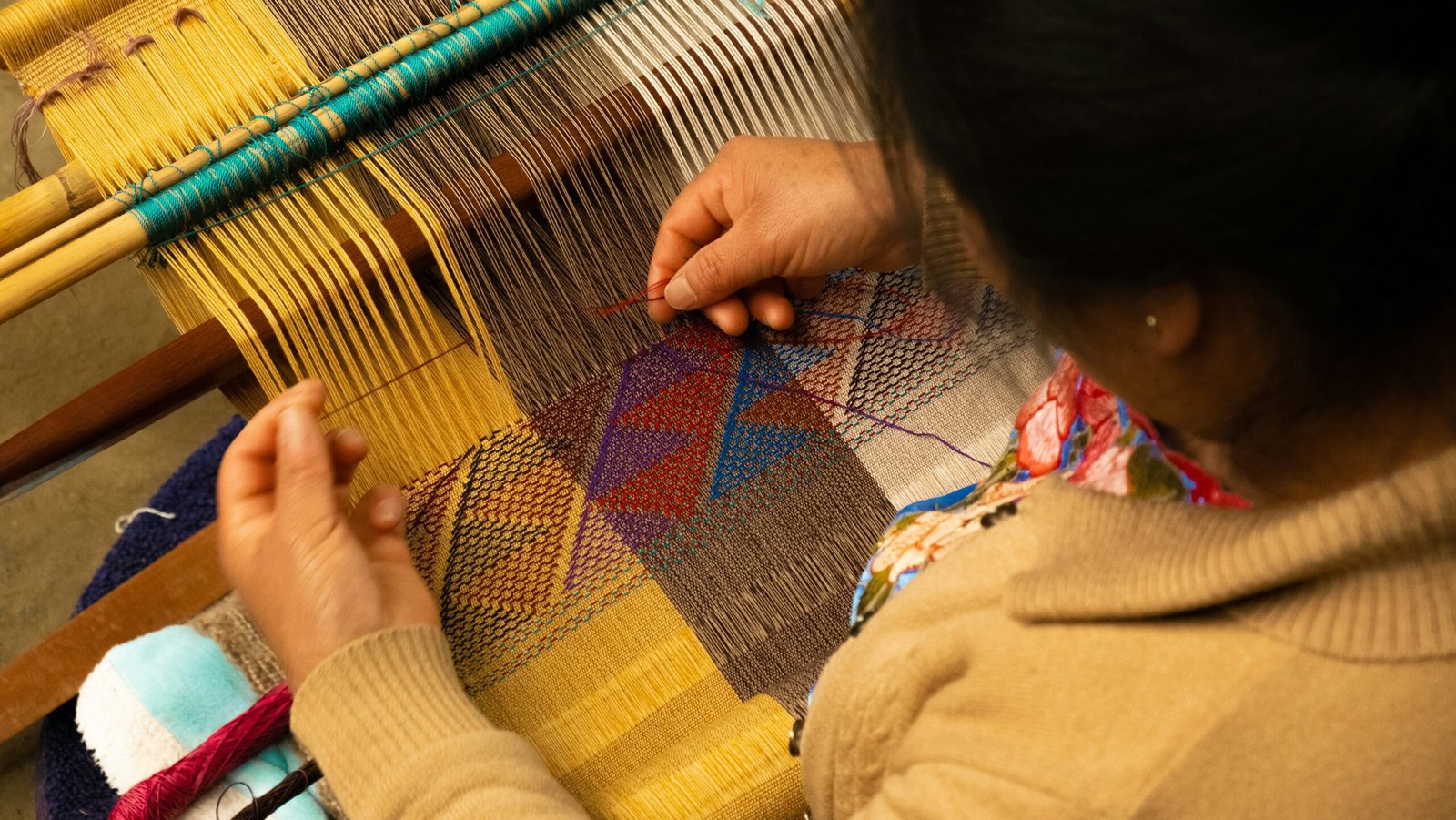
Weaving involves the interlacing of two sets of yarns: the warp and the weft. The warp yarns run lengthwise on the loom, while the weft yarns are woven across them. There are several weaving techniques, each creating a unique texture and pattern. The most common techniques include plain, twill, and satin weaving. In plain weaving, the weft goes over and under each warp yarn in a straightforward manner, resulting in a simple and durable fabric. Twill weaving, characterized by its diagonal ribbed pattern, provides strength and durability, making it suitable for items like denim and chinos. Satin weaving, on the other hand, produces a smooth and shiny surface, often used in luxury fabrics such as satin and taffeta. The machinery utilized in weaving includes looms, which can be operated manually or electronically, contributing to the efficiency and precision of fabric production.
Knitting, conversely, involves the interlooping of yarns to create fabric. There are two primary knitting methods: weft knitting and warp knitting. Weft knitting is performed by feeding yarn through the width of the fabric, producing a stretchable and comfortable textile, often used in t-shirts and sweaters. Conversely, warp knitting involves the yarn running vertically, offering more stability and is commonly used for creating lace and specialized stretch fabrics. Machines used in knitting, such as flat and circular knitting machines, facilitate mass production, maintaining consistency in the resulting fabric.
Both weaving and knitting are integral to the textile industry, each contributing to the versatile range of fabrics available in the market today. Understanding the differences between these techniques enhances appreciation for the craftsmanship involved in textile production.
Dyeing and Printing Processes
Dyeing and printing are essential techniques in textile production that enhance the aesthetic appeal of fabrics while adding functionality. Various methodologies exist within these two categories, each offering unique advantages and challenges. One of the most prevalent techniques is piece dyeing, where large lengths of fabric are dyed before any further processing. This method allows for uniform coloration across the entire fabric but requires careful planning to avoid wastage.
In contrast, garment dyeing entails dyeing the finished clothing item. This is particularly beneficial for achieving specific shades and allowing for smaller batches in production, thereby reducing inventory costs and potential unsold stock. However, garment dyeing can lead to inconsistencies in color if not managed properly, resulting in a variation between pieces.
The printing process involves applying colors directly to the fabric’s surface to create patterns or designs. Block printing is one of the oldest methods, employing carved wooden blocks to apply dye. Though labor-intensive, it offers exquisite detail and can be eco-friendly when using natural dyes. On the other hand, digital printing represents a modern evolution, wherein designs are printed directly onto the fabric using inkjet technology. This method is celebrated for its precision and the ability to create complex, photo-realistic designs on a wide variety of textiles.
It is important to acknowledge the environmental implications of dyeing and printing processes. Traditional dyeing methods often rely on synthetic dyes, which can be harmful to aquatic ecosystems if not managed correctly. Nowadays, there is a growing trend towards sustainable dyeing practices, utilizing organic dyes and water-efficient techniques to minimize environmental impact. These innovative practices not only safeguard our planet but also appeal to the increasing consumer demand for eco-friendly textiles.
Finishing Techniques in Textile Production
Finishing techniques play a critical role in textile production, as they enhance the appearance, feel, and utility of fabrics after the initial processes of weaving or knitting. Among the most significant finishing processes are bleaching, softening, and water-resistance treatments, each contributing uniquely to the textile’s final qualities.
Bleaching is one of the primary finishing techniques, employed to lighten fabrics and achieve a pristine white appearance or prepare them for dyeing. This process typically involves the use of chemical agents such as hydrogen peroxide or sodium hypochlorite, which effectively remove natural impurities and undesired colors. The choice of bleaching agent and method depends on the type of fibers involved and the desired end result.
Another essential finishing technique is softening, which imparts a pleasant hand feel to textiles, making them more comfortable against the skin. Softening agents, often based on silicone or fatty acid esters, are applied to the fabric to smoothen its texture. This treatment not only enhances the fabric’s tactility but can also improve its drape and flow, which is particularly important in apparel applications.
Water-resistance treatments are also crucial in modern textile finishing, especially for outdoor and functional fabrics. Techniques such as applying durable water repellent (DWR) coatings or laminating membranes to fabrics provide improved water repellency while maintaining breathability. These treatments protect the textile from moisture ingress, thus enhancing its longevity and suitability for various environmental conditions.
In summary, the application of finishing techniques in textile production is fundamental for enhancing aesthetic qualities and performance characteristics. By employing processes like bleaching, softening, and water-resistance treatments, manufacturers can create fabrics that not only meet consumer expectations but also comply with industry standards for durability and functionality.
Quality Control in Textile Production
Quality control in textile production is a critical component that ensures the final product meets the desired standards of durability, colorfastness, and overall fabric quality. The textile industry has established various testing methods that are pivotal in maintaining the integrity of fabrics throughout the production process. These measures not only enhance the product’s performance but also safeguard the brand’s reputation.
One significant aspect of quality control is the durability testing of fabrics. This process assesses how well textiles can withstand wear and tear, ensuring that they are fit for purpose. Factors such as tensile strength, tear resistance, and abrasion resistance are meticulously evaluated. These tests help manufacturers understand the lifespan of the fabric under real-world conditions, thus enabling them to make informed decisions regarding materials and production techniques.
Another essential test is for colorfastness, which determines how well the dye adheres to the fabric when subjected to washing, light exposure, and perspiration. Colorfast fabrics are crucial for maintaining the aesthetic appeal of a garment or textile throughout its usage. Industry standards, such as those from the American Association of Textile Chemists and Colorists (AATCC), specify tolerable levels for color fading and bleeding, providing manufacturers with essential guidelines.
Overall fabric quality is also assessed through a series of inspections, where visual checks for flaws, consistency in pattern or weave, and surface defects are conducted. These inspections are typically performed at various stages of production, ensuring that any issues can be rectified promptly. By adhering to rigorous quality control measures and industry standards, textile manufacturers can produce high-quality products that satisfy consumer demands and maintain competitive advantage in the market.
Sustainability in Textile Production
The textile industry has faced increasing scrutiny regarding its environmental impact, leading to a growing focus on sustainability in textile production. As consumers become more environmentally conscious, manufacturers are adopting eco-friendly materials and practices to mitigate their ecological footprint. This shift towards sustainability incorporates a range of initiatives, including the use of organic fibers, recycled materials, and innovative production techniques.
Eco-friendly materials, such as organic cotton, hemp, and bamboo, are gaining popularity due to their lower environmental impact compared to conventional textiles. These natural fibers require fewer pesticides and less water, contributing to healthier ecosystems and more sustainable agricultural practices. Additionally, the introduction of recycled fabrics, such as those made from post-consumer plastic bottles or reclaimed textiles, exemplifies a circular economy approach within the industry. By repurposing waste materials, companies not only reduce landfill contributions but also minimize the need for virgin resources.
Sustainable production practices also play a crucial role in reducing the overall environmental impact of textile manufacturing. For instance, many companies are transitioning to waterless dyeing techniques, thereby conserving water and reducing pollution. The implementation of energy-efficient technologies in production facilities is another step toward minimizing greenhouse gas emissions. Furthermore, adhering to socially responsible labor practices ensures that sustainability extends beyond environmental concerns to include fair labor conditions.
In summary, the textile industry’s commitment to sustainability is transforming not only the materials used but also the entire production process. As companies increasingly prioritize environmentally friendly practices, the potential for a more sustainable future within the textile sector becomes a tangible reality, aligning with consumer values and environmental goals. This ongoing evolution represents an essential response to the pressing challenges posed by climate change and resource depletion.
Future Trends in Textile Production
The textile production industry is poised for transformative changes as it adapts to evolving consumer preferences and technological advancements. One of the most promising areas for future development lies in biotechnology. Innovative breakthroughs in this field are facilitating the creation of sustainable fabrics derived from organic materials. These bio-based textiles not only reduce dependency on synthetic fibers but also aim to lessen environmental impact, aligning with the growing consumer demand for eco-friendly products. The integration of biotechnology in textile manufacturing could lead to fabrics that are durable, biodegradable, and produced with minimal resource consumption.
Another significant trend shaping the future of textile production is automation. Automation technologies, including the use of robotics and artificial intelligence (AI), are revolutionizing the manufacturing process. These technologies enhance operational efficiency, reduce production costs, and improve accuracy. For instance, automated cut-and-sew techniques can lead to less fabric waste and faster turnaround times, responding to the increasing desire for quick fashion. As manufacturers adopt these advancements, the traditional methods of textile production will likely evolve, incorporating automation to meet the modern market’s demands.
Additionally, the rise of smart textiles presents a fascinating avenue for future trends in the industry. Smart textiles, equipped with embedded electronic components, allow for the development of innovative clothing that can monitor health signs, regulate temperature, or even change color based on environmental stimuli. This integration of technology into textiles is expected to create new opportunities for product differentiation, appealing to consumers seeking functional and interactive clothing solutions. As these trends unfold, textile production will not only become more efficient but also more aligned with the technological needs and preferences of future generations.