Introduction to Pillow Fabric
Pillow fabric plays a critical role in the overall sleep experience, impacting both comfort and visual appeal. Selecting the right material for your pillows can significantly enhance the quality of sleep by affecting the feel, temperature regulation, and support that a pillow provides. Various types of fabrics are available, each offering unique benefits that cater to personal preferences and specific sleeping styles.
The significance of pillow fabric extends beyond mere functionality; it also contributes to the aesthetics of a bedroom. For example, the fabric choice can complement interior design themes, adding texture and color to enhance the visual harmony of the space. Whether it be a smooth satin, cozy cotton, or luxurious velvet, the right fabric can elevate the entire look of your bedroom while providing comfort during rest.
Choosing pillow fabric is not just about the allure of the design; it intertwines with personal health considerations as well. Different materials can provide various levels of breathability, hypoallergenic properties, and moisture-wicking capabilities. For instance, hypoallergenic fabrics like bamboo or certain synthetics can be beneficial for individuals with sensitivities, while breathable fabrics allow for better temperature regulation, making a positive impact on sleep quality.
With numerous options available, from natural fibers to synthetic blends, understanding the nuances of pillow fabric is essential for making an informed decision. This knowledge assists in selecting the ideal material that combines comfort with style, ensuring that both aesthetic enjoyment and restful sleep are achieved. Thus, whether for decorative pillows on a bed or functional pillows for sleep, the fabric choice is paramount in enhancing individual sleeping experiences and overall room decoration.
Types of Pillow Fabrics
Pillow fabrics play an essential role in determining the comfort and style of any cushion. Understanding the different types of materials available can significantly enhance your decision-making process when selecting the right pillow for your needs. Below are some commonly used pillow fabrics along with their unique properties and benefits.
Cotton is one of the most popular choices for pillow covers due to its natural breathability and softness. This fabric is easy to clean and care for, making it an excellent option for everyday use. Cotton pillows also come in various weaves and finishes, allowing for a range of textures and stylistic preferences.
Polyester is another widely used material, known for its durability and resistance to wrinkles. Often blended with other fabrics, polyester pillows can offer enhanced softness while maintaining structural integrity. However, it is essential to note that polyester is less breathable compared to natural fibers, which may lead to heat retention in warmer climates.
Linen, derived from the flax plant, is celebrated for its natural texture and elegant drape. Linen pillows are highly absorbent and boast a unique ability to regulate temperature, keeping the user comfortable throughout various seasons. One potential downside is that linen can be prone to wrinkling, which may require more maintenance than other fabrics.
Silk is renowned for its luxurious feel and hypoallergenic properties. Silk pillows are excellent for those with sensitive skin, as they minimize friction and reduce irritation. However, silk can be more costly and typically requires dry cleaning to maintain its quality.
Bamboo fabric is gaining popularity due to its environmental benefits and natural antibacterial properties. Bamboo pillows are soft, breathable, and wick moisture away, making them an ideal choice for those looking for comfort and eco-friendliness. Nevertheless, some consumers may find the texture less appealing initially.
In conclusion, selecting the right pillow fabric requires consideration of personal preferences in comfort, style, and maintenance. By examining the unique properties of cotton, polyester, linen, silk, and bamboo, consumers can make informed choices that enhance their sleeping experience.
Choosing the Right Fabric for Your Pillow
When selecting the ideal fabric for your pillow, it is crucial to consider several factors that align with your personal preferences and specific needs. Notably, different fabrics can dramatically affect comfort, support, and overall sleep quality. Thus, an understanding of various materials is essential.
Cotton, a highly versatile and widely-used fabric, is favored for its breathability and softness. It is particularly suitable for those who prefer a cool sleeping surface and those who have sensitive skin. Furthermore, organic cotton options are available for individuals who are eco-conscious or have allergies. Cotton’s natural fibers allow for optimal moisture-wicking, promoting a dry and comfortable rest.
Alternatively, consider synthetic fabrics like polyester or microfiber. These materials are often more affordable and can be engineered to have moisture-wicking properties. They generally provide a plush feel and are less prone to wrinkling, making them a practical choice for those who wish to maintain a tidy appearance. However, some individuals may find synthetic materials less breathable than natural fibers, which might affect their comfort during warmer nights.
For individuals who tend to overheat during the night, temperature-regulating fabrics such as bamboo or Tencel offer excellent solutions. Bamboo is known for being naturally breathable and moisture-absorbent, while Tencel boasts a silky texture that is gentle on the skin. Both materials can help maintain a comfortable sleeping temperature, thereby ensuring a restful night’s sleep.
Lastly, those with allergies should consider hypoallergenic materials. Fabrics made from bamboo, organic cotton, or specially treated synthetics can help mitigate allergic reactions by resisting dust mites, mold, and mildew, contributing to a healthier sleep environment. In summary, understanding your sleeping habits and specific needs is critical when selecting the right fabric for your pillow, as the right material can significantly enhance both comfort and style.
Sustainable Pillow Fabrics
In recent years, there has been a notable increase in demand for sustainable pillow fabrics, driven by a growing awareness of environmental issues and the need for eco-friendly options. Consumers are now seeking not only comfort and style in their home textiles but also materials that minimize ecological impact. Fabrics like organic cotton, hemp, and Tencel have emerged as popular choices among environmentally conscious individuals.
Organic cotton, unlike conventional cotton, is cultivated without harmful pesticides and fertilizers, making it a safer choice for both people and the planet. This fabric is breathable and soft, offering comfort while being gentle on sensitive skin. Moreover, organic cotton is durable, often leading to longer-lasting products that reduce the need for frequent replacements, thus decreasing waste.
Another prominent sustainable option is hemp. Known for its strength and durability, hemp fabric can withstand wear and tear, making it an excellent choice for pillows that are frequently used. Hemp cultivation requires less water compared to cotton and helps improve soil health, making it a commendable eco-friendly fabric option. Furthermore, its natural properties resist mold, mildew, and pests, making it an ideal choice for creating a healthy sleep environment.
Tencel, a brand name for lyocell, is derived from sustainably sourced wood pulp, primarily from eucalyptus trees. This fabric is not only soft and breathable but also produced using a closed-loop process that recycles water and solvents, significantly reducing waste. Tencel exhibits moisture-wicking properties, providing comfort during varying temperatures, thus enhancing sleep quality.
Embracing sustainable pillow fabrics is not just about personal comfort; it represents a commitment to responsible consumerism. By choosing eco-friendly options, consumers can contribute to a more sustainable future while enjoying the benefits of comfort and style in their living spaces.
Fabric Care and Maintenance
Proper care and maintenance of pillow fabrics are essential for ensuring longevity and sustaining their aesthetic appeal. Different types of materials require distinct care techniques, which can help prolong the life of your pillow covers while maintaining their comfort and appearance.
For natural fabrics like cotton and linen, machine washing is often a viable option. It is advisable to use cold water and select a gentle cycle to prevent any shrinkage or fading. Additionally, it is best to avoid harsh detergents that may damage the fibers. Line drying is recommended to minimize wear-and-tear from the dryer, ensuring your pillow covers maintain their shape and texture. If ironing is necessary, use a low setting, as high heat may scorch natural materials.
Synthetic fabrics, such as polyester or microfiber, can typically withstand more rigorous washing methods. Warm or cold water with a mild detergent generally suffices for cleaning without causing damage. These fabrics are less prone to wrinkles and can often be thrown into the dryer on a low heat setting. When it comes to stain removal, blotting the stain gently with a mixture of water and mild soap is advisable, as rubbing may spread the stain.
For luxurious fabrics such as silk or velvet, dry cleaning is usually recommended to avoid potential damage from water-based cleaning. However, if you wish to clean them at home, spot cleaning should be the primary method, using a gentle cleaner specifically designed for delicate fabrics. Moreover, using a fabric protector spray can be beneficial in preventing stains and prolonging the aesthetic quality of textured pillow materials.
Lastly, it is important to follow any care labels or specific manufacturer recommendations provided with your pillows. By adopting appropriate washing techniques and maintenance practices, you will ensure that your pillow fabrics remain comfortable and stylish for many years.
The Role of Pillow Fill Material
When selecting a pillow, the choice of fill material plays a crucial role in determining overall comfort, support, and sleep quality. Various filling options exist, each bringing unique attributes and interactions with the outer fabric of the pillow. Understanding these options can help consumers make informed decisions tailored to their individual preferences and sleeping styles.
Memory foam is a popular choice known for its contouring properties. This material responds to body heat and weight, providing personalized support that aligns with the sleeper’s head and neck. When combined with a breathable fabric, such as cotton or bamboo, memory foam pillows can enhance airflow, minimizing heat retention and promoting a more comfortable night’s sleep. However, one should be aware that some memory foam products can be too firm for certain individuals, which may affect overall comfort.
In contrast, down and feather fills offer a soft, plush feel, often preferred by those seeking a traditional pillow experience. These natural materials provide excellent softness and loft, allowing the pillow to be easily molded to individual shapes. The fabric covering, typically a cotton or a cotton-polyester blend, influences how well these soft fills maintain their loft and durability. However, down pillows may not suit everyone, particularly individuals with allergies, as they can harbor dust mites.
Synthetic fill materials, such as polyester, offer a hypoallergenic alternative, making them suitable for sensitive individuals. These pillows tend to be lighter and easier to maintain, as they are often machine washable and more resistant to mold and mildew. However, they may lack the durability and support of natural fills, potentially leading to flattening over time, especially for individuals requiring firmer support.
Each filling material interacts differently with pillow fabric, impacting comfort, resilience, and overall sleep quality. Thus, it is essential to consider personal preferences, sleep habits, and any specific needs when choosing the right combination of fill and fabric for optimal pillow performance.
Combining Fabrics and Patterns
Effectively mixing and matching different pillow fabrics and patterns can elevate your home décor, creating a balanced and visually appealing space. The key lies in understanding the principles of color coordination and current style trends. To begin, consider the primary color palette of your room; selecting pillow fabrics that either complement or contrast your predominant colors can enhance the overall ambience.
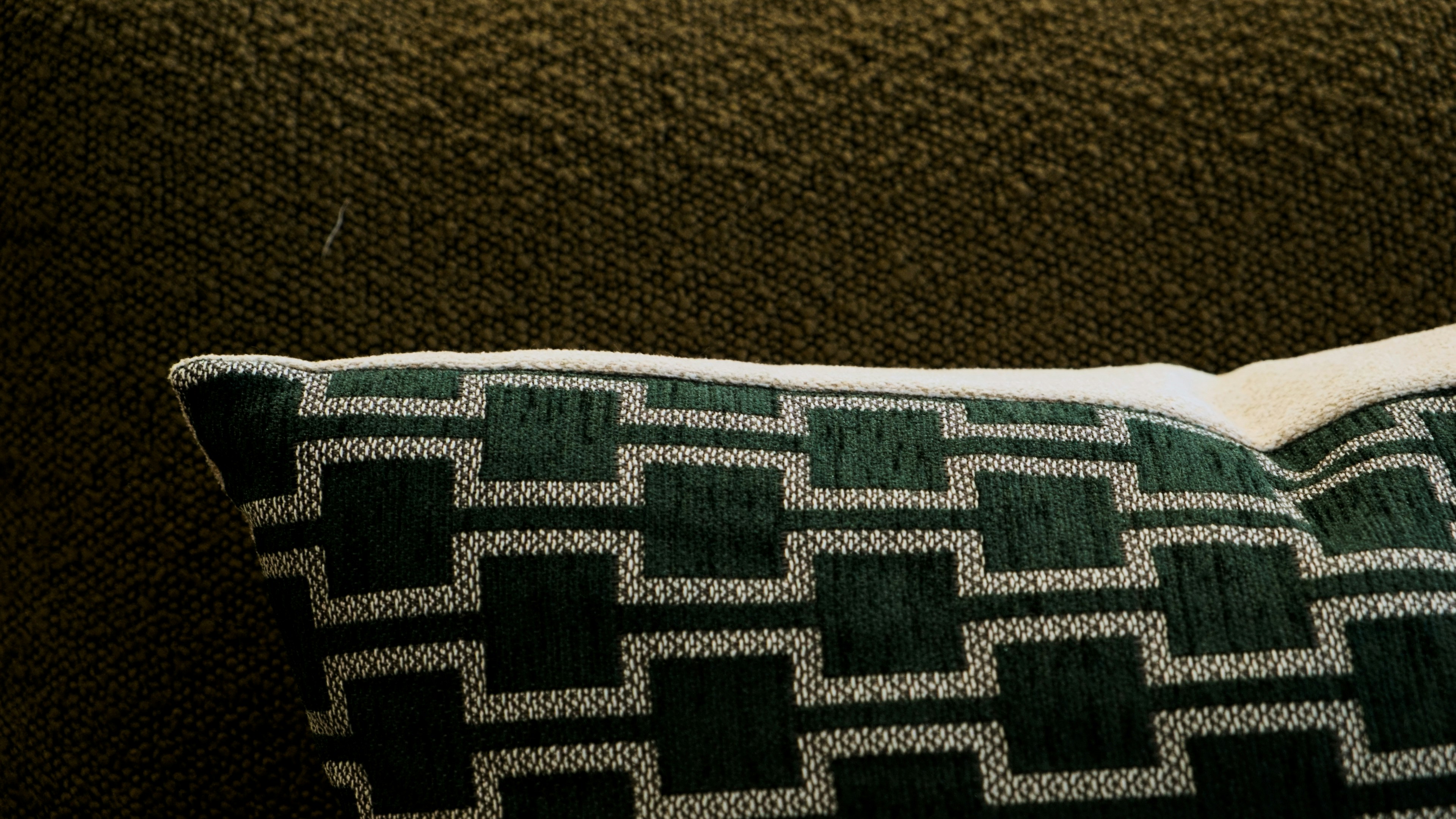
Start by choosing a focal fabric for your pillows, which could be a bold print or a textured material. For example, if you have a floral patterned fabric, opting for solid colors in similar hues can help harmonize your arrangement. Playing with textures also adds depth to your design. A luscious velvet pillow can juxtapose nicely with a smooth cotton or a coarse linen, providing a sensory variety that makes seating areas more inviting.
When it comes to mixing patterns, adhering to a few established guidelines can facilitate a cohesive look. One effective approach is to incorporate patterns of varying scales. For instance, larger, bolder prints can be paired with smaller, subtler designs to achieve a balanced effect. Furthermore, using a common color in both patterns can create unity amid diversity, allowing different styles to coexist without clashing.
Additionally, keep an eye on current style trends, such as the growing popularity of earthy tones and botanical prints, which can inform your choices. Incorporating seasonal themes into your pillow collections can also add a fresh touch, encouraging frequent updates and new styles in your home décor. Ultimately, the art of combining pillow fabrics and patterns lies in experimenting with different combinations until you find a look that resonates with your personal aesthetic while harmonizing with your living space.
Top Brands for Pillow Fabrics
In the realm of pillow fabrics, several brands are distinguished by their commitment to quality, innovation, and customer satisfaction. These brands have established a reputation for offering a variety of high-quality materials that cater to diverse aesthetic preferences and comfort needs.
One of the leading brands in this space is Pillows & Co.. Known for their extensive selection of fabrics, they specialize in natural fibers such as cotton, linen, and silk. Their eco-friendly practices have resonated with environmentally conscious consumers, making them a favorite for those seeking organic and sustainable options. Customers frequently praise their products for durability and luxurious feel, which enhances overall comfort.
Pure Comfort is another noteworthy brand that is frequently mentioned in discussions of pillow materials. They focus on innovative blends, combining synthetic fibers with natural ones to create hypoallergenic options that are both soft and supportive. Their pillows often feature advanced cooling technologies, which appeal to customers who require temperature regulation during sleep. Pure Comfort has a solid reputation for customer service and satisfaction, thus earning repeat purchasers.
For a more luxurious choice, Missoni Home offers pillow fabrics adorned with vibrant patterns and textures reflecting a high-end aesthetic. Their use of multicolored fabrics adds an artistic touch to pillow design, capturing the interest of style-conscious customers. While their offerings are on the higher end of the price spectrum, many users find value in the unique and durable nature of their products.
Lastly, Keystone Textiles provides a comprehensive range of pillow fabrics with a focus on affordability without compromising quality. They are known for their classic designs and durable materials, making them an excellent choice for household use. Many consumers appreciate the variety and customization options available, which allows for personal expression in home decor.
Each of these brands stands out in the pillow fabric market for their unique characteristics, catering to both comfort requirements and aesthetic preferences.
Conclusion: Finding Your Ideal Pillow Fabric
In the quest for the perfect pillow, the choice of fabric plays a critical role in both function and aesthetics. As we have explored various materials such as cotton, polyester, silk, and linen, each presents unique benefits and considerations. Cotton offers breathability and ease of maintenance, making it a popular choice, while silk provides a luxurious feel that can also benefit skin and hair health. Polyester, known for its durability and affordability, is an excellent option for those seeking resilience, and linen stands out for its natural texture and strength.
Your individual preferences and needs are paramount when selecting the best pillow fabric. Factors such as your sleeping position, sensitivity to allergens, and desired aesthetic should guide your decision. For instance, side sleepers may prefer a firmer material that provides adequate support. Those with allergies might lean towards hypoallergenic fabrics to ensure a restful night. Additionally, considering the climate in which you live can influence your choice; lighter fabrics may be preferable in warmer environments, while heavier materials can add warmth in colder climates.
Ultimately, the perfect pillow fabric comes down to a balance of comfort, durability, and personal style. Reflecting on the factors discussed, you can make a well-informed decision that aligns with your specific requirements. Selecting the right material will not only enhance your sleep quality but also complement your interior décor. Taking the time to evaluate your options ensures that you find a pillow fabric that supports your individual needs and preferences, leading to improved rest and relaxation.