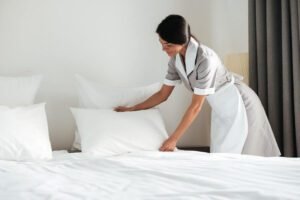
The Importance of Hotel Laundry Detergent in Hospitality
In the hospitality industry, the significance of fresh linens cannot be overstated. When guests step into a hotel room, their first impressions are often shaped by the cleanliness and scent of the linens. A well-prepared environment featuring clean, fresh-smelling sheets and pillowcases immediately communicates a commitment to quality and attention to detail. This aspect of hotel management plays a crucial role in driving guest satisfaction and influencing the overall experience.
The first encounter with fresh linens presents an opportunity for hotels to establish a positive atmosphere. A room adorned with crisp, clean bedding fosters a sense of comfort and relaxation. Conversely, unkempt or malodorous linens can lead to a negative perception, overshadowing other high-quality offerings that the hotel might provide. Therefore, many establishments invest significant resources in laundry operations to ensure that linens consistently meet high cleanliness standards.
Additionally, the psychological effects of scented environments cannot be overlooked. Scents have a powerful influence on human emotions and memory. Hotels often deploy specific laundry detergents or fabric softeners that not only clean but also impart inviting fragrances. These unique scents contribute to creating a memorable experience for guests, encouraging positive associations with the hotel brand and enhancing the likelihood of repeat visits.
Moreover, fresh linens serve as a hallmark of hygiene, especially in the wake of increased health awareness among travelers. Regular washing and replacement of linens signal a commitment to safety and well-being. This diligence in maintaining clean, fragrant bedding aligns with hotel cleanliness standards and bolsters guests’ confidence in their accommodations.
In conclusion, fresh linens are a vital element in hospitality that significantly impacts guest satisfaction. By prioritizing cleanliness and scent, hotels not only enhance the guest experience but also establish a reputation for quality and care in the competitive hospitality industry.
The Science of Scent: How Detergents and Softeners Work
The alluring scent of freshly laundered hotel sheets can be attributed to the sophisticated chemistry employed in laundry detergents and fabric softeners. These commercial products often contain a blend of active ingredients that work synergistically to eliminate dirt, stains, and odors while imparting a pleasant fragrance. Key components include surfactants, enzymes, and fragrances, each playing a unique role in the laundering process.
Surfactants, or surface-active agents, are crucial in breaking down the surface tension of water, allowing it to penetrate fabrics more effectively. This action facilitates the removal of dirt and grime, ensuring that the sheets emerge clean and fresh. Furthermore, enzymes are powerful biological catalysts included in many detergent formulations that target specific types of stains, such as proteins or starches. By breaking down these particles at a molecular level, enzymes enhance the overall cleaning efficiency, leading to linens that not only look clean but also smell clean.
Fragrance is an essential aspect of laundry detergents, especially in commercial settings like hotels, where a pleasant olfactory experience is paramount. Typically, these fragrances are specially designed to be long-lasting and are often released gradually during use. This means that even after several days of storage, hotel sheets can retain a fresh scent that evokes cleanliness and comfort. In contrast, home laundry products might utilize simpler fragrance compositions that may dissipate quickly, resulting in a less enduring scent profile.
Moreover, fabric softeners are commonly used alongside detergents in hotels. These products coat the fibers of the fabric, reducing static cling and giving sheets a soft, plush feel. Additionally, fabric softeners often contain their own fragrance, further enhancing the overall scent profile of the linen. This combination of carefully selected ingredients in both detergents and softeners not only improves cleaning efficacy but also contributes to the inviting aroma we associate with hotel sheets.
Types of Detergents Used in Hotel Laundry
Hotels utilize a variety of laundry detergents to ensure that their sheets and linens not only appear clean but also exude a fresh fragrance that enhances the guest experience. The three main categories of laundry detergents include powder, liquid, and pods, each offering distinct advantages and disadvantages that influence hotel choices.
Powder detergents are commonly used in hotel linen cleaning due to their cost-effectiveness and longer shelf life. They are typically more concentrated, allowing hotels to use smaller amounts per load. This results in reduced costs over time, which is significant for establishments that operate large-scale laundry services. However, powder detergents can have limitations; they may not dissolve completely in cold water, leading to a potential residue left on linens. Additionally, in certain cases, they may not be as effective against tough stains compared to liquid options.
Liquid detergents, on the other hand, have gained popularity among hotels for their excellent stain removal capabilities and ease of use. They dissolve quickly in both hot and cold water, making them versatile for varying laundry needs. The formulation of liquid detergents allows them to penetrate fibers more effectively, which is advantageous for tackling grease and oil stains. Despite these benefits, hotels must also consider the cost of liquid detergents, as they tend to be pricier than powders per load. Furthermore, the plastic packaging involved in liquid detergent may raise concerns regarding environmental sustainability.
Detergent pods represent a modern solution, offering convenience and precise dosage, which can streamline laundry operations in hotels. Each pod contains a single-use portion of detergent, reducing spills and the need for measuring. Nevertheless, pods might not always deliver the same level of cleaning power as liquid or powder detergents, particularly in large-scale environments where heavy duty washing is required. Additionally, their higher cost compared to bulk options may dissuade some hotels from using them regularly.
In summary, the choice of detergent type in hotel laundry operations hinges on factors such as cleaning efficacy, cost, and environmental impact, with each option offering its unique benefits and drawbacks that must be carefully considered.
The Role of Commercial Laundry Services
Many hotels opt to outsource their laundry services to commercial laundry providers due to numerous operational advantages. This practice is prevalent in the hospitality industry, where the demand for clean linens and towels is consistently high. By collaborating with commercial laundries, hotels can achieve significant economies of scale, which allows them to reduce costs while maintaining high standards of cleanliness and freshness.
Commercial laundries possess specialized equipment designed to handle large volumes of linens efficiently. These establishments invest in advanced washing machines and dryers that operate at higher capacities compared to typical household appliances. This enables them to process more items in a shorter period, ensuring that hotels have a continuous supply of fresh linens available for guests. The specialized machinery often employs precise washing and drying techniques that enhance the overall cleanliness of the fabric, preventing damage and preserving its quality.
Expertise is another critical advantage offered by commercial laundry services. These professionals understand the specific requirements of various types of fabrics and can select appropriate washing processes and detergents that not only clean but also help maintain the integrity of the materials. For instance, they use industrial-grade detergents that are more potent than standard household products, which further contributes to the fresh scent and exceptional cleanliness of hotel linens. In addition, commercial laundries often implement unique laundering methods designed to infuse linens with pleasing fragrances, enhancing the guest experience.
The collaboration between hotels and commercial laundry services plays a pivotal role in ensuring that bed sheets, towels, and other linens emit the delightful scents associated with upscale accommodations. This synergy enables hotels to provide a consistent and inviting atmosphere for guests, reinforcing their commitment to comfort and quality during their stay.
Fabric Choices and Their Impact on Scent Retention
The choice of fabric plays a significant role in the way hotel sheets retain and release fragrances. Two primary categories of fabric are commonly used in hotel linens: natural fibers and synthetic fibers. Each of these fabric types exhibits distinct characteristics that affect their ability to hold scent.
Natural fibers, such as cotton and linen, are popular choices in the hospitality industry due to their inherent breathability and absorbency. Cotton, known for its softness and durability, allows air circulation, which helps in evaporating moisture while also holding onto pleasant fragrances from laundry detergents. Furthermore, cotton is highly absorbent, enabling it to soak in scents effectively during the wash process, which can then be released when the sheets are warmed by body heat.
Linen, another natural option, is praised for its unique texture and natural cooling properties. Similarly to cotton, linen’s absorbent nature helps it retain scents well. Additionally, the coarse and textured fabric of linen can capture and hold aromatic compounds effectively, enhancing the overall sensory experience. However, it is important to note that linen may require more maintenance to keep its fresh scent compared to cotton.
In contrast, synthetic fibers, such as polyester or microfiber, are engineered materials that often have different properties. While these fabrics are typically more durable and resistant to staining, they may not absorb fragrances in the same way as natural fibers. Synthetic materials tend to repel moisture, which can limit their ability to retain scents sourced from laundry detergents. Moreover, although they contribute to the crisp appearance of sheets, they might not provide the same level of comfort or scent retention as their natural counterparts.
In conclusion, the knowledge of fabric choices is essential for understanding scent retention in hotel sheets. Natural fibers like cotton and linen generally offer better absorbency and breathability, enhancing the fragrance experience. In comparison, synthetic fibers provide durability but may fall short in scent retention, highlighting the importance of fabric selection in the hospitality sector.
Scenting Techniques: Beyond Detergents
Hotels often leverage a variety of techniques beyond traditional laundry detergents to ensure that their sheets exude a fresh and inviting aroma. One popular method involves the strategic use of lavender sachets, which are often placed in linen drawers or between folded sheets. The calming scent of lavender not only promotes relaxation but also creates a pleasant sensory experience for guests upon entering their accommodations. This technique harnesses the psychological benefits associated with fragrance, thereby enhancing the overall ambiance of the hotel.
In addition to sachets, some hotels utilize heated towel racks, which serve a dual purpose. Firstly, they ensure that towels are warm and inviting for guests, creating a cozy experience. Secondly, the warmth from the racks can facilitate the release of any lingering fragrances present in the linens, amplifying the freshness that guests have come to expect. Such techniques demonstrate an understanding of how scent and comfort can work together to elevate the hospitality experience.
Moreover, the incorporation of essential oil diffusers in hotel rooms has gained popularity as a method to enhance scent quality. These diffusers release subtle fragrances into the air, contributing to a serene environment. Typically, the oils used are selected not only for their pleasant aromas but also for their psychological effects; for example, citrus scents can promote an invigorating atmosphere, while vanilla can instill a sense of comfort and warmth. This thoughtful integration of scenting techniques signifies hotels’ commitment to creating a welcoming space for their guests. By employing these methods, hotels reinforce their brand identity and contribute to an overall positive experience that guests are likely to remember.
The Impact of Water Quality on Laundry Results
The quality of water utilized in hotel laundry processes significantly influences the outcome of cleanliness and the pleasant fragrances that are often associated with hotel linens. Generally, water is categorized into two types: hard water and soft water, both of which affect how effectively detergents perform during the washing process.
Hard water contains elevated levels of minerals, primarily calcium and magnesium ions, which can interfere with the cleaning capabilities of laundry detergents. When detergents encounter hard water, they can form insoluble compounds, making them less effective in removing stains and odors from fabrics. Consequently, linens may not achieve the optimal level of cleanliness that hotels strive for. This could also potentially lead to a residual odor if the sheets are not entirely clean, underscoring the importance of water quality in the laundering process.
In contrast, soft water, which has been treated to remove such minerals, allows detergents to operate at their maximum efficiency. With softer water, the surfactants present in the detergents can work effectively to break down and lift dirt and grime from linens. This enhances not only the cleanliness of the fabrics but also contributes to the retention of pleasant scents that are often imparted by high-quality detergents. The end result is fresh-smelling sheets that guests associate with luxury and comfort.
Moreover, the temperature of the water used during laundering also plays a critical role. Warm water helps to dissolve detergents and activate their cleaning properties more effectively than cold water. However, too high a temperature can risk damaging delicate fabrics. Therefore, hotels often find a balance between optimal water quality and temperature, ensuring an effective laundering process that brings out the freshness and cleanliness expected of hotel linens.
Sustainability and Eco-Friendly Practices in Hotel Laundry
In recent years, there has been a noticeable shift toward sustainability and eco-friendly practices within the hospitality industry, particularly in hotel laundry operations. Hotels have increasingly recognized their responsibility to minimize environmental impact and conserve resources while providing high-quality service to their guests. A vital component of this shift involves the use of biodegradable detergents, which are designed to break down more easily in the environment compared to traditional cleaning agents. These eco-friendly detergents offer effective cleaning power without relying on harsh chemicals, thereby reducing pollution and contributing to a healthier ecosystem.
Additionally, many hotels have adopted renewable energy sources for powering their washing machines. This practice not only decreases dependence on fossil fuels but also significantly lowers greenhouse gas emissions. By utilizing solar panels or wind energy, hotels can create a sustainable laundry operation that aligns with their commitment to environmental stewardship. The integration of energy-efficient appliances further enhances this initiative, permitting hotels to maintain the same level of cleanliness with less energy consumption.
Water conservation methods also play a crucial role in sustainable laundry practices within hotels. Implementing technologies such as low-water washing machines or systems that recycle and reuse water minimizes overall water usage. Additionally, training staff on proper laundry load management and the significance of water conservation reinforces the hotel’s dedication to sustainability. By investing in these environmentally responsible practices, hotels not only reduce their ecological footprint but also appeal to environmentally conscious travelers, thereby enhancing their marketability.
As the demand for sustainable practices grows, hotels that prioritize eco-friendly laundry operations are not just contributing to a healthier planet; they are also setting a standard for others in the industry to follow. The commitment to sustainability represents a significant step forward in redefining the hospitality industry’s approach to laundry and cleaning processes.
Tips for Achieving Hotel-Like Freshness at Home
Replicating the fresh and inviting scent of hotel linens in your home is achievable with the right techniques and products. One essential aspect to consider is the washing process of your bed sheets and towels. It is advisable to wash your linens in hot water, as it aids in removing stubborn odors and bacteria. Additionally, adding a cup of white vinegar to the rinse cycle can be effective in neutralizing any unpleasant smells while softening the fabric.
Choosing the right laundry detergent is crucial for achieving that signature hotel freshness. Opt for high-quality detergents specifically designed to provide a deep clean and a long-lasting scent. Many hotels utilize commercial-grade products that have enhanced fragrance and stain-fighting capabilities. Look for detergents that contain enzymes, as they can help break down tough stains and odors while maintaining the delicate balance of your fabric’s fibers.
Another key factor to consider is how you store your linens once they are clean. Proper storage can significantly impact their freshness over time. Ensure that linens are completely dry before folding and storing them; any moisture can lead to mildew and unpleasant odors. It is also beneficial to store clean linens in a breathable bag or container, as this allows air circulation and helps maintain their delightful scent. Consider placing scented sachets or dryer sheets with your linens to enhance the fragrance experience even further.
By taking these simple yet effective steps, you can effortlessly achieve that luxurious hotel-like freshness in your own home. With the right washing techniques, premium detergents, and proper storage methods, your linens will emit that irresistible clean scent, making your bedroom a tranquil retreat reminiscent of a five-star stay.