Understanding Hospital Bed Dimensions
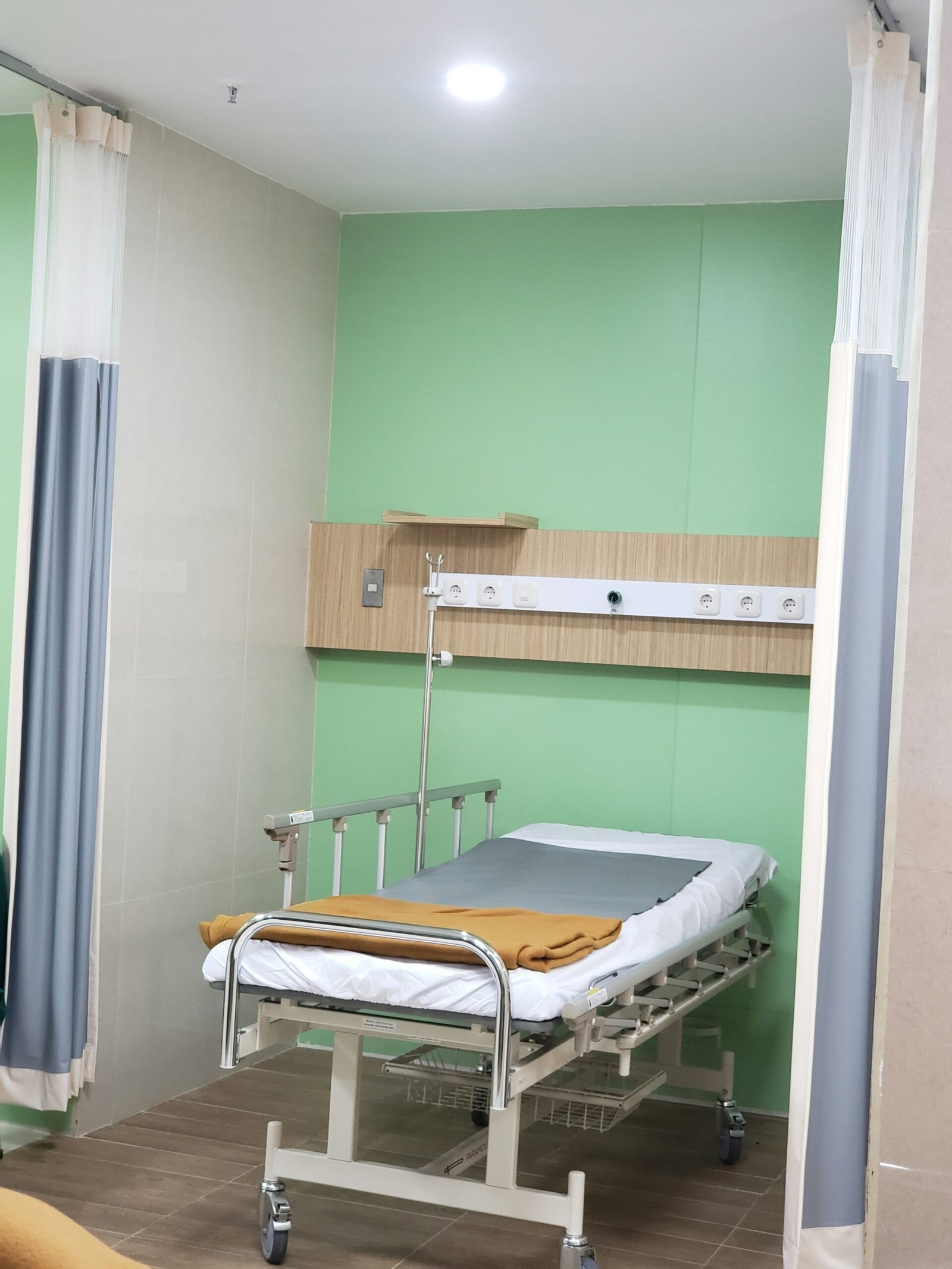
In the realm of healthcare, selecting the proper size sheets for hospital beds is imperative for both patient comfort and care efficiency. Hospital beds are not a uniform size; they vary based on their function and patient needs. Standard hospital beds typically measure 36 inches wide by 80 inches long. These dimensions allow for adequate space to accommodate most adult patients comfortably. However, healthcare facilities may also utilize specialty beds, which can differ significantly in size.
Bariatric beds, designed for larger patients, usually range from 48 to 54 inches in width while maintaining a similar length of 80 inches. This increased width facilitates better support for bariatric patients, ensuring their safety and comfort during their hospital stay. Conversely, pediatric beds are tailored for children, typically measuring 27 to 30 inches wide and 70 to 75 inches long. This smaller sizing allows for a snugger fit, enhancing the safety of young patients.
Healthcare professionals must be diligent in understanding these dimensions when choosing sheets and bedding. Properly sized sheets not only enhance the patient experience but also play a crucial role in maintaining hygiene standards within the healthcare environment. Ill-fitting sheets can lead to discomfort, increased risk of falls, and complicate nursing procedures. Moreover, improper bedding can lead to issues in infection control, particularly in hospital settings where hygiene is paramount.
In summary, being aware of the dimensions of standard hospital beds, as well as those designed for specific populations, is essential for effective healthcare management. Optimal sheet size assures patient satisfaction, promotes safety, and contributes to the overall quality of care provided by healthcare facilities.
Common Sheet Sizes for Hospital Beds
When selecting sheets for hospital beds, it is crucial to consider the various sizes available to ensure a proper fit. Hospital beds typically fall into three categories: standard, semi-electric, and fully electric models. Each category may have slightly different dimensions that impact the size of sheets required.
Fitted sheets are essential for providing a comfortable and secure surface for patients. For standard hospital beds, the most common size for fitted sheets is approximately 36 inches by 80 inches, accommodating the dimensions of the mattress itself. Semi-electric models may remain consistent in size but often require additional depth to accommodate various mattress thicknesses. Therefore, fitted sheets for semi-electric beds typically range from 36 inches by 80 inches to 42 inches by 80 inches, ensuring coverage for thicker mattresses.
Fully electric hospital beds may have adjustable features that change their dimensions. Fitted sheets for these beds are often available in sizes of 36 inches by 80 inches as well, while accommodating the added depth from related medical equipment, sheets measuring 36 inches by 84 inches might also be considered. It is important to ensure the fitted sheet corners are elasticized, providing a snug fit to prevent the sheet from slipping during transitions.
In terms of flat sheets and pillowcases, these can often be more standardized across varied bed types. Generally, flat sheets for hospital beds are about 66 inches by 102 inches, while pillowcases usually measure around 20 inches by 30 inches. For precise measurements tailored to specific bed models, consulting the manufacturer’s guidelines or health care supply resource websites is advisable. Making sure to choose the right sheet sizes will enhance patient comfort and safety alike.
Fitted Sheets: Specifications and Importance
Fitted sheets play a crucial role in maintaining both comfort and hygiene for patients utilizing hospital beds. Unlike regular flat sheets, fitted sheets are specifically designed to wrap snugly around the mattress, thanks to their elasticized corners. This tailored fit minimizes the risk of the sheet coming loose, thus ensuring a stable and comforting surface for patients who may be immobile or require additional support.
One of the primary advantages of using fitted sheets in a hospital setting is their contribution to patient comfort. A well-fitted sheet creates a smooth and wrinkle-free sleeping environment that can significantly enhance sleep quality. Patients, especially those recovering from surgeries or dealing with long-term illnesses, require a safe and consistent resting surface. Fitted sheets help achieve this by eliminating the potential discomfort associated with untucked or shifting materials.
Furthermore, the right specifications in fitted sheets can greatly impact hygiene in sensitive environments such as hospitals. Fitted sheets must be made of breathable, high-quality materials to allow proper air circulation while also being durable enough to withstand frequent washing and sanitizing without degrading. Typically, the elastic depth of fitted sheets should be around 12 to 18 inches to accommodate standard hospital mattress thicknesses. This depth enables the sheet to grip securely, preventing it from sliding off during use.
Additionally, hospitals are increasingly recognizing the need for fitted sheets designed with antimicrobial properties, which can further safeguard patient health by minimizing the risk of infection. Therefore, choosing fitted sheets that not only meet size requirements but also prioritize material quality and special features can make a notable difference in patient care.
Flat Sheets: When and Why to Use Them
In hospital settings, maintaining proper hygiene and comfort for patients is of utmost importance. Flat sheets play a critical role in this regard, serving multiple functions that enhance patient care. Unlike fitted sheets, which are designed to fit snugly over the mattress, flat sheets offer a versatile option for covering a bed while allowing for easier adjustments and maintenance.
Flat sheets are primarily used in hospitals for two reasons: protection and comfort. They serve as a protective barrier between the patient and the mattress, thus reducing the risk of bedsores and promoting skin integrity. Moreover, flat sheets can be layered with other bedding items, such as blankets or fleece throws, offering patients an extra layer of comfort during their hospital stay. Their ability to be easily removed and washed also contributes to the overall cleanliness of the bedding.
Another significant aspect of flat sheets is their functionality during medical examinations and procedures. When a flat sheet is used, it can be quickly adjusted to ensure the patient’s dignity is upheld, while also making it easy for medical professionals to access the areas of interest. The simplicity of flat sheets allows for rapid changes, especially in high-turnover environments where patient needs vary significantly.
Caring for flat sheets involves regular laundering and inspection for wear and tear. In a hospital, sheets may undergo frequent washing due to infection control protocols. This regular maintenance ensures that the sheets remain in good condition and that patients receive bedding that is both clean and safe.
In conclusion, flat sheets are an essential component of hospital bedding that provide comfort, protection, and ease of use. Their importance in enhancing patient care cannot be overstated, making them a critical consideration in choosing the right size and type of sheets for hospital beds.
Specialty Sheet Sizes for Unique Hospital Beds
In the realm of hospital care, the need for specialty sheet sizes is paramount, particularly when considering beds designed for distinct patient populations such as pediatric and bariatric individuals. The variability in hospital bed dimensions necessitates a tailored approach to selecting sheets, ensuring both patient comfort and safety.
Pediatric beds, for example, are often smaller than standard adult beds. The dimensions can range from 36 to 48 inches in width and 76 to 80 inches in length. This reduced size not only accommodates the physical dimensions of smaller patients but also facilitates proper monitoring and treatment. Sheets used on these specialized beds must fit securely to prevent any movement that could lead to discomfort or hinder care. Therefore, many manufacturers produce tailored pediatric sheet sets, designed specifically for these unique bed sizes.
Similarly, bariatric beds cater to larger individuals, typically with dimensions greater than standard hospital beds. These beds may be 48 inches wide or more, providing the necessary space to support heavier patients safely. The sheets for such beds need to be wider and sturdier, ensuring they withstand added weight without ripping or becoming loose. Many bariatric sheets are constructed from durable materials, specifically designed to accommodate increased strain while offering adequate comfort.
Healthcare facilities must prioritize using the correct sizes and types of sheets for specialty beds. Not only do properly fitting sheets enhance patient comfort, but they also play a critical role in infection control and hygiene management. Appropriately sized sheets aid in maintaining a clean environment, which is essential in reducing hospital-acquired infections and promoting patient recovery. Thus, understanding the specific requirements for sheets based on the type of hospital bed is crucial in providing effective patient care.
Material Considerations for Hospital Bedding
When selecting bedding for hospital beds, the material plays a critical role in ensuring comfort, durability, and ease of maintenance. Various textiles are utilized in hospital settings, each offering distinct advantages that cater to the needs of both patients and healthcare providers.
Cotton is one of the most common materials used for hospital bedding. Its natural fibers provide a breathable and soft surface, which is essential for patient comfort during prolonged stays. Additionally, cotton sheets can withstand frequent washing and high temperatures, making them ideal for infection control protocols commonly implemented in healthcare environments.
Another popular choice is polyester blends. These textiles often combine the softness of cotton with the durability of synthetic fibers. Polyester sheets resist wrinkling and can hold their shape after numerous washes, maintaining a neat appearance. The added strength of polyester makes these blends highly suitable for high-usage hospital bedding, where wear and tear are prevalent.
Additionally, some hospitals may opt for antimicrobial materials in their bedding. These specialized textiles are treated with substances to inhibit the growth of bacteria and fungi, enhancing cleanliness and safety for patients. Antimicrobial bedding can significantly reduce the risk of hospital-acquired infections, which is a critical consideration in medical facilities.
In summary, the choice of material for hospital bedding significantly impacts patient comfort and hygiene. Cotton and polyester blends both serve as excellent options, each bringing unique benefits that align with the rigorous demands of healthcare settings. Understanding these material considerations can aid in selecting the most appropriate bedding, ensuring that it meets both clinical and comfort standards.
Care and Maintenance of Hospital Sheets
Proper maintenance of hospital sheets is essential to ensure hygiene and extend their lifespan. The process begins with following specific laundry practices designed to eliminate bacteria and maintain the integrity of the fabric. When washing hospital sheets, it is crucial to adhere to the recommended guidelines provided by the manufacturers. This often includes using hot water, typically at temperatures that range between 160°F and 180°F (71°C to 82°C), which effectively sanitizes the fabric without damaging it.
Another important consideration is the choice of detergent. It is advisable to select detergents that are free from dyes and fragrances, as these additives can irritate sensitive skin. Look for hospital-grade detergents designed specifically for healthcare environments. These detergents are engineered to provide powerful cleaning and disinfecting capabilities, ensuring that sheets remain free of pathogens.
Additionally, using the appropriate washing machine settings is vital. Opt for a heavy-duty cycle that will achieve a thorough clean while being mindful not to overload the machine. Overloading can prevent effective cleaning and lead to wrinkles that may be difficult to iron out, affecting the sheet’s presentation and comfort.
After laundering, sheets should be dried properly. Using a high-temperature setting in the dryer can help further eliminate any lingering germs. Furthermore, sheets must be ironed or pressed to ensure they are wrinkle-free, which not only contributes to a neat appearance but also helps in maintaining a comfortable sleeping environment for patients.
Regular inspections of hospital sheets for any signs of wear or damage are essential. Timely replacements will help maintain hygiene standards, as frayed or torn sheets can harbor bacteria. Implementing these care techniques will ultimately ensure a safe and comfortable experience for hospital patients, extending the service life of the bedding materials.
Where to Buy Hospital-Sized Sheets
When it comes to purchasing sheets specifically designed for hospital beds, a variety of options are available to meet diverse needs. Understanding where to find these specialized sheets is crucial for ensuring comfort and care in a medical setting. One primary avenue for acquiring hospital-sized sheets is through online retailers. Websites such as Amazon, Walmart, and other e-commerce platforms feature a wide selection of medical-grade linens, including fitted sheets, flat sheets, and pillowcases appropriate for standard hospital mattresses. These platforms often provide customer reviews, aiding in the decision-making process.
In addition to general online retailers, there are specialized hospital supply companies that cater exclusively to medical institutions. Companies like Medline, Henry Schein, and McKesson offer a comprehensive range of hospital linens, which can be purchased directly through their websites or even via phone orders. Purchasing from such suppliers guarantees that the sheets meet the necessary standards for durability and hygiene required in a healthcare environment.
For those who prefer to shop in person, local medical supply stores often carry a selection of hospital bedding. These stores can provide a tactile experience, allowing customers to assess the feel and quality of the sheets before making a purchase. Additionally, some larger retail chains with health sections may also stock sheets designed for hospital beds.
Lastly, it is worth noting that many hospitals and nursing facilities have established relationships with specific suppliers, and patients or caregivers may inquire about obtaining hospital-sized sheets through these channels. By utilizing a combination of online and local resources, it is possible to find quality hospital sheets that ensure patient comfort and satisfaction.
Conclusion: Ensuring Comfort and Hygiene in Healthcare Settings
Choosing the right size sheets for hospital beds is paramount in maintaining both patient comfort and hygiene in healthcare environments. Adequately fitted sheets are essential as they help provide a more comfortable sleeping experience, enabling patients to rest better and facilitate their healing process. When sheets are either too small or too large, they can create uncomfortable pressure points or even increase the risk of accidents, compromising patient safety.
Moreover, the selection of appropriate bedding contributes significantly to hygiene standards within healthcare facilities. Hospital sheets, which must be changed frequently, serve as a crucial barrier against contaminants. Sheets that fit improperly may be more challenging to wash thoroughly, thereby increasing the risk of infection transmission. By investing in sheets that are specifically designed to fit hospital beds, healthcare providers can ensure that the patients have a clean and safe environment during their stay.
In considering the right size and type of sheets, it is also advisable to seek materials that are hypoallergenic, durable, and easy to maintain. Institutions should establish a consistent bedding policy that includes the frequent checking and replacing of sheets to maintain optimal hygiene. Furthermore, staff training on the importance of proper linens should not be overlooked, as informed personnel are key to effectively implementing these practices.
In summary, the careful selection of hospital bed sheets plays a crucial role in enhancing patients’ comfort and promoting high hygiene standards in healthcare settings. By understanding the importance of correct sizing and material selection, healthcare organizations can ensure a clean, safe, and inviting environment for all patients.