Introduction to Home Textiles Today
Home textiles today are an essential component of interior design, playing a pivotal role in enhancing both the aesthetic and functional aspects of living spaces. This broad category encompasses a variety of textile products, including but not limited to curtains, bedding, tablecloths, and upholstery. Each of these elements contributes uniquely to the overall ambiance of a home and serves practical purposes that improve comfort and usability.
Curtains, for instance, are not just decorative fabric drapes; they help control light, provide privacy, and even contribute to energy efficiency by insulating windows. Similarly, bedding items such as sheets, quilts, and throws not only enhance the visual appeal of a bedroom but also offer comfort and warmth essential for restful sleep. The textiles used in upholstery, covering sofas and chairs, contribute to the aesthetic cohesion of a room while providing comfort and durability for everyday use.
Moreover, tablecloths and other dining textiles add a touch of elegance and a sense of occasion to meals, enhancing both casual and formal dining experiences. They also protect furniture surfaces from damage while making maintenance easier. The variety of materials available for home textiles—ranging from cotton and linen to synthetics—further adds to their versatility in style and function, catering to diverse tastes and needs.
As trends in home decor evolve, so too does the prominence of home textiles. The modern consumer increasingly recognizes the importance of these elements in creating stylish, comfortable living environments. Home textiles not only serve essential practical functions but also provide opportunities for personal expression through color, pattern, and texture. In subsequent sections, we will delve into the historical evolution of home textiles and their significance in contemporary interior design.
The Historical Overview of Home Textiles
The journey of home textiles is a reflection of societal changes and cultural evolution. From ancient civilizations to the contemporary world, the use of textiles has served various purposes beyond functionality, including art, status, and identity. Early forms of home textiles were often crafted from natural fibers, such as wool, cotton, and linen. These materials were readily available and showcased the skill of artisans in weaving and dyeing.
During the Middle Ages in Europe, household fabrics began to evolve in design and complexity. The introduction of intricate patterns and textile techniques, such as tapestry weaving, allowed families to display their wealth and social standing through elaborate wall hangings and draperies. Similarly, in regions like Asia, textiles developed with unique cultural significance, such as the luxurious silk produced along the Silk Road, which became a major trade commodity.
The Industrial Revolution marked a pivotal moment for home textiles, as mechanization revolutionized production methods. Factories enabled faster production at lower costs, making textiles accessible to a broader population. This period also saw the introduction of synthetic dyes, which expanded color palettes and patterns, allowing for more creativity in design. By the 19th century, home textiles had transitioned significantly, as innovations in weaving techniques produced a variety of fabrics suited for different uses.
The 20th century ushered in modern design philosophies that embraced minimalism and functionality, leading to the emergence of popular movements such as Bauhaus and Scandinavian design. These movements championed the idea that textiles should harmonize aesthetics with practicality. Additionally, the revival of handcrafted textiles highlighted a renewed appreciation for artisanal skills and sustainable practices, paving the way for contemporary trends.
Overall, the historical overview of home textiles illustrates their dynamic evolution and integral role in shaping interior aesthetics and cultural identity. As we move forward, understanding this journey enriches our appreciation of the textiles that adorn our living spaces today.
Current Trends in Home Textiles
In the ever-evolving landscape of home textiles, recent trends reflect a synthesis of sustainability, vibrant aesthetics, and diverse textures. A growing consciousness surrounding environmental issues has prompted consumers to seek out sustainable fabrics. Materials such as organic cotton, bamboo, and recycled polyester are gaining popularity due to their reduced ecological footprint. These eco-friendly choices not only contribute to sustainability but are also increasingly accessible, appealing to a wider array of consumers who are concerned about both the environment and their health.
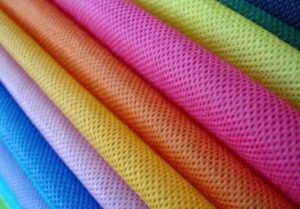
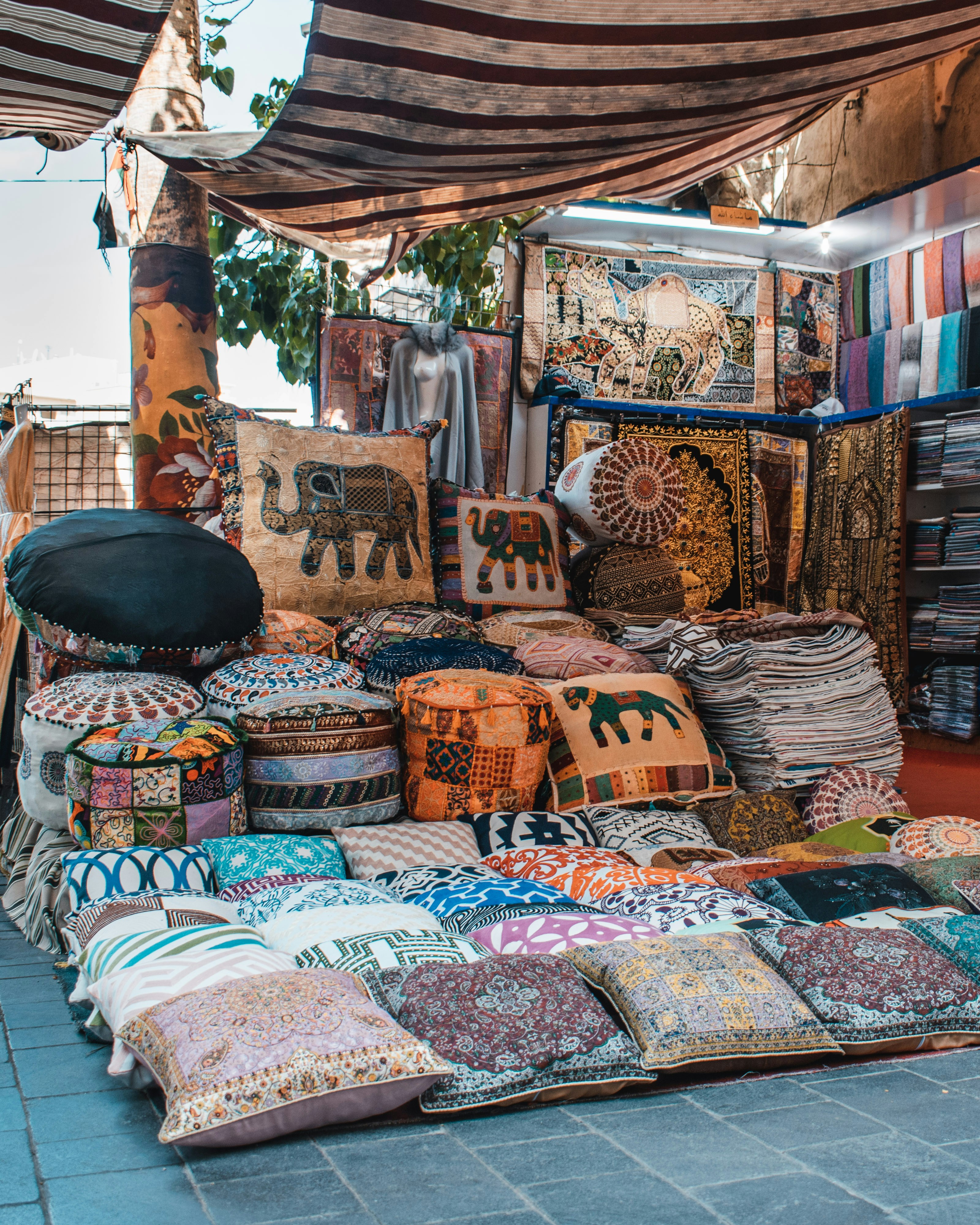
Moreover, the aesthetic dimensions of home textiles are witnessing a renaissance as bold colors and patterns take center stage. Bright hues, such as deep blues, vibrant greens, and fiery reds, are being embraced in contemporary decor, challenging the previously dominant neutral palettes. This trend underscores a desire for personalization, wherein homeowners express their individuality through striking textile choices. Geometric patterns, floral designs, and abstract motifs are particularly sought after, adding a dynamic element to interiors.
Furthermore, texture plays a pivotal role in current home textile trends. As people increasingly prioritize comfort in their living spaces, there is a shift towards incorporating rich textures into home environments. Fabrics such as velvet, bouclé, and woven textiles provide warmth and coziness, enhancing the overall sensory experience of the home. This tactile approach, coupled with visual style, creates an inviting ambiance that resonates with the contemporary consumer’s desire for both comfort and aesthetic appeal.
Overall, the interactions between sustainability, bold colors, and tactile diversity in home textiles reflect broader societal trends that prioritize environmental responsibility and individual expression. As these trends continue to unfold, they shape not only the way people furnish their homes but also influence the broader textile industry.
Sustainable Practices in Home Textile Production
In recent years, sustainability has become a pivotal aspect of home textile production. As consumers increasingly prioritize eco-friendly products, manufacturers have responded by adopting sustainable practices that reduce their environmental impact. The movement towards sustainability encompasses the use of eco-friendly materials, ethical production methods, and a commitment to responsible sourcing.
Eco-friendly materials are at the forefront of sustainable home textiles. Organic cotton, linen, bamboo, and recycled polyester are some of the top choices for environmentally conscious consumers. These materials typically require fewer chemicals and water than conventional textiles, promoting a healthier planet and reducing the carbon footprint associated with their production. Additionally, manufacturers are exploring innovations such as upcycled textiles, which are crafted from recycled fabrics, minimizing waste and resource consumption.
Ethical production methods further enhance the sustainability of home textiles. Brands are increasingly focused on transparency in their supply chains, ensuring fair labor practices and safe working conditions for all workers involved in the production process. Certifications from organizations such as the Global Organic Textile Standard (GOTS) and Fair Trade provide consumers with confidence that their purchases support ethical production and ecological stewardship.
These sustainable practices not only align with consumer values but also influence purchasing decisions. With a growing number of people willing to pay a premium for sustainability, brands that embrace eco-friendly materials and ethical practices can differentiate themselves in a competitive market. Furthermore, consumers are becoming more informed about the environmental and social implications of their choices, further driving demand for sustainable textiles.
Overall, the integration of sustainable practices in home textile production reflects a shift towards a more environmentally and socially responsible industry, sculpting the landscape of consumer preferences in today’s market.
The Role of Technology in Home Textiles
In recent years, the home textiles industry has been significantly transformed by advances in technology. Innovations in fabric production have paved the way for new materials that not only enhance the aesthetic appeal of textiles but also contribute to functional advancements. For instance, the introduction of sustainable fabrics made from recycled materials demonstrates a commitment to environmental responsibility, responding to consumer demand for eco-friendly options.
Moreover, the development of smart textiles has revolutionized how textiles are utilized in homes. These textiles possess the ability to respond to environmental stimuli, offering features such as temperature regulation, moisture control, and even integration with home automation systems. Smart textiles can provide comfort through climate control, adapting to different conditions and enhancing the livability of spaces.
Another remarkable innovation impacting the home textiles industry is the advent of digital printing techniques. This technology allows for intricate designs to be printed directly onto fabrics with remarkable precision, expanding design possibilities. With digital printing, designers can create bespoke patterns at lower costs and with shorter lead times, enabling them to stay agile and responsive to market trends. This method also reduces waste, as it allows for on-demand printing, thereby improving the sustainability of the textile production process.
The incorporation of technology into home textiles not only enhances the functionality and appeal of products but also elevates the overall consumer experience. By marrying traditional textile craftsmanship with state-of-the-art techniques, manufacturers can produce innovative textiles that meet the evolving needs of modern households. As technology continues to advance, the potential for home textiles is bound to expand, ushering in a new era of design, sustainability, and user interaction.
Home Textiles and Interior Design
Home textiles play a pivotal role in interior design, influencing not only the aesthetic appeal of living spaces but also the emotional resonance they create. These textiles, ranging from curtains and upholstery to cushions and blankets, contribute significantly to the overall atmosphere of a room. For instance, vibrant colors and patterns can energize a space, while soft, muted tones tend to evoke tranquility. Therefore, selecting the right textiles is crucial for establishing the desired mood in any area of the home.
Moreover, the functionality of home textiles cannot be overlooked. They not only beautify a space but also serve practical purposes such as providing comfort, reducing noise, and even regulating temperature. Heavy drapes can insulate a room during colder months, while light, airy fabrics allow for better airflow in warmer climates. Therefore, when choosing textiles, one should consider both aesthetic and functional elements to enhance living spaces effectively.
To achieve a harmonious integration of textiles with other design components, it is essential to coordinate various elements seamlessly. Here are some tips for optimizing textiles in interior design: First, consider the color scheme of your room. Select textiles that complement the existing palette for a cohesive look. Patterns can add visual interest, but they should be balanced with solid colors to avoid overwhelming the space.
Additionally, layering different textiles—such as incorporating a mix of throw pillows or combining various fabric textures—adds depth and richness to the environment. Finally, ensure that textiles adhere to the overall style of the home, whether it be modern, traditional, or eclectic. By thoughtfully selecting and coordinating home textiles, one can significantly impact the functionality and ambiance of any living space.
Choosing the Right Textiles for Your Home
When considering home textiles, it is essential to understand that different fabrics, colors, and styles can significantly influence the comfort and aesthetic of various spaces within your home. Each room serves unique purposes and requires textiles that meet specific functional and stylistic needs.
In living areas, for example, consider fabrics that promote comfort and durability. Upholstery textiles such as cotton blends or synthetic fibers not only provide softness but also withstand wear and tear. It is advisable to select colors and patterns that complement the overall decor while catering to the dynamic nature of social gatherings. Neutral shades may offer versatility, while vibrant patterns can create striking focal points.
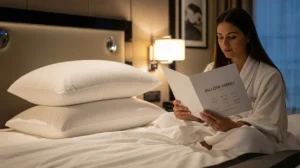
Bedrooms, on the other hand, benefit from textiles that enhance relaxation. Opt for softer fabrics like linen or high-thread-count cotton for sheets and pillowcases to ensure a peaceful night’s sleep. When layering textiles, allow for an interplay of textures through blankets and throws, which can add depth and warmth to the space. Additionally, curtains made from blackout fabrics can facilitate restful sleep by controlling light levels.
In kitchens and dining areas, practicality should take precedence. Choose textiles that are easy to wash and maintain; for instance, cotton or polyester table linens can handle spills effectively. For decorative elements like cushions, consider fabrics that clean easily and coordinate with the kitchen color palette, creating a cohesive look.
Lastly, don’t overlook utility in laundry and utility rooms. Here, durable and stain-resistant textiles are essential. Fabrics like canvas or other robust materials can endure heavy use while providing a clean and organized appearance.
Care and Maintenance of Home Textiles
Caring for home textiles is crucial to ensure they maintain their aesthetic appeal and durability over time. Different types of textiles require various care methods to keep them looking fresh and prolong their lifespan. Here are some best practices for the maintenance of home textiles.
Firstly, it is essential to adhere to the care labels attached to textiles, as they provide specific instructions regarding washing and drying. For instance, many cotton and linen fabrics can typically be machine washed using cold water; however, delicate materials like silk or vintage lace would benefit from hand washing or professional cleaning. Regular washing helps remove dirt and allergens, but it is also important to avoid over-washing, which can lead to fading or wear.
When drying textiles, air drying is often the safest method, especially for delicate fabrics. If using a dryer, select a low heat setting to minimize shrinkage or damage. Additionally, regularly vacuuming upholstery and drapery can help prevent the build-up of dust and dirt, thereby extending their life.
Storing textiles properly is equally important. For items used seasonally, such as decorative pillow covers or throws, ensure they are clean before storage. Using breathable cotton bags or boxes helps in preventing moisture accumulation and protects them from mildew and pests. Keep items out of direct sunlight, as prolonged exposure can cause fading and deterioration.
Lastly, performing periodic maintenance, such as reapplying fabric protector on upholstery or rotating cushions, can help in even wear. Following these care and maintenance practices not only enhances the longevity of home textiles but also ensures that they continue to contribute positively to the home environment.
Conclusion: The Future of Home Textiles
The future of home textiles is poised for significant transformation, driven by a convergence of emerging trends and innovations aimed at enhancing both functionality and environmental sustainability. As consumers increasingly prioritize eco-friendly products, manufacturers within the home textiles industry are adopting sustainable practices that minimize waste and reduce carbon footprints. This commitment to sustainability is reflected in the growing popularity of biodegradable materials, organic fabrics, and recycled textiles, which are becoming central to the design and production of bedding, curtains, and upholstery.
In addition to environmental considerations, technology is playing a crucial role in shaping the future landscape of home textiles. Advancements such as smart textiles and the integration of IoT (Internet of Things) technology are beginning to redefine how fabrics interact with our living spaces. From temperature-regulating bedding to self-cleaning upholstery, the incorporation of innovative features will drive consumer interest and engagement. This shift toward multifunctional textiles not only enhances convenience but also adds to the overall aesthetic appeal of home interiors.
Moreover, the rise of personalization is becoming a notable trend in the home textiles market. Consumers increasingly seek products that reflect their unique tastes and lifestyle preferences. As a result, home textile brands are exploring customization options, allowing consumers to select colors, patterns, and even materials that resonate with their personal style. This trend promotes deeper connections between consumers and brands, fostering a sense of ownership and individuality in home décor.
In conclusion, the evolution of home textiles is set against a backdrop of sustainability, innovation, and personalization. As the industry adapts to the changing needs and values of consumers, it is likely to witness a continued emphasis on high-quality, environmentally responsible products that enhance the comfort and aesthetics of modern living spaces. By embracing these emerging trends, the home textiles sector can contribute to creating a more sustainable and aesthetically pleasing environment for all.