Introduction to Art of Satin
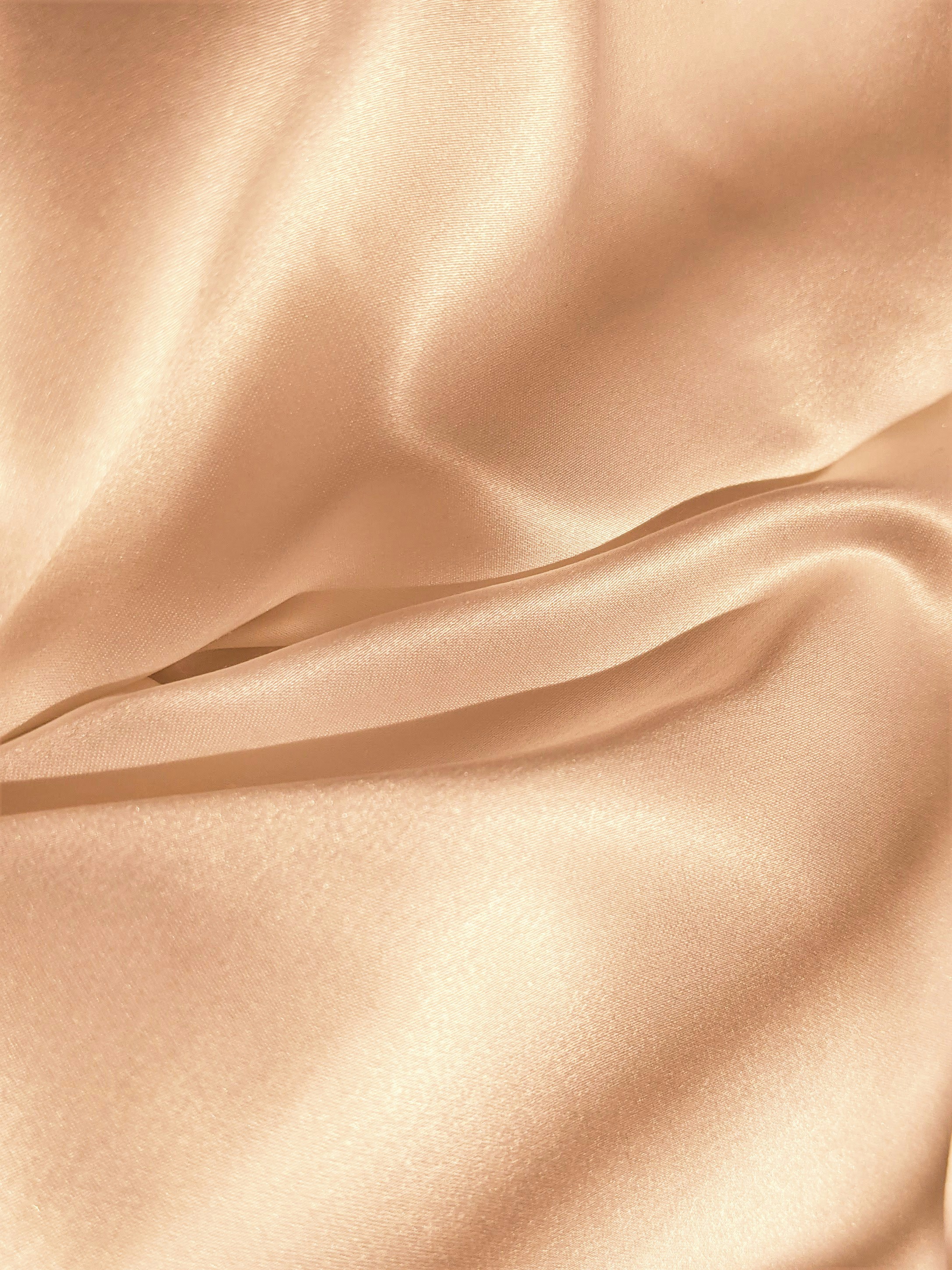
Satin is a luxurious fabric that has captivated individuals for centuries with its smooth texture and lustrous appearance. Typically woven from silk, polyester, or a blend of fibers, satin is distinguished by its unique finish which reflects light beautifully, giving garments and home decor a sophisticated sheen. This distinctive quality has made satin a favored choice in the fashion industry, where it is commonly used for evening gowns, lingerie, and accessories. Furthermore, the fabric’s allure extends to home furnishings, making it a popular option for drapes, cushions, and bedding.
The historical roots of satin can be traced back to ancient civilizations, where it was initially crafted in China. The fabric was prized for its luxurious feel and was often associated with nobility and the elite. It eventually spread to Africa and Europe through trade routes, where it maintained its reputation as a symbol of wealth and status. In the Middle Ages, satin became synonymous with the opulence of the aristocracy, cementing its role in royal wardrobes and high-society events. Over time, satin’s popularity has continued to thrive, evolving with fashion trends yet retaining its status as an emblem of elegance.
In contemporary settings, satin finds itself embraced by both haute couture designers and everyday consumers. Its versatility allows it to be used in a myriad of applications, from high-end apparel to affordable home decor items. This adaptability speaks to the fabric’s enduring appeal and versatility. As we delve further into this blog post, we will explore the intricate processes involved in creating satin, unearthing the artistry that transforms simple fibers into this luxurious fabric. Through our journey, we aim to provide a deeper understanding of satin’s charm and the craftsmanship behind it.
The Raw Materials: Silk vs. Polyester
Satin, often associated with luxury and elegance, can be crafted from various materials, predominantly silk and polyester. Both materials offer distinct characteristics, benefits, and drawbacks that impact the final satin fabric’s feel, appearance, and performance. Understanding these differences is crucial for making informed choices in textiles.
Silk satin is produced from natural silk fibers, which are obtained from silkworms. This fiber has a unique luster that gives silk satin its sumptuous sheen, often making it the preferred choice for high-end garments and accessories. The inherent properties of silk, such as its softness and breathability, contribute to unparalleled comfort against the skin. Additionally, silk is biodegradable, providing an environmentally friendly option for those concerned about sustainability. However, silk satin is vulnerable to water damage and may require special care during cleaning to maintain its pristine condition.
On the other hand, polyester satin is manufactured from synthetic fibers, namely polyester. This type of satin has gained popularity due to its affordability and durability. Polyester satin is less sensitive to environmental factors such as moisture and fading, making it ideal for everyday wear. It is also easier to care for, as it typically withstands machine washing without significant damage. Nonetheless, polyester may lack the luxurious feel and breathability that characterize silk, potentially leading to discomfort in warmer conditions.
Ultimately, the choice between silk satin and polyester satin hinges on personal preferences, intended use, and budget considerations. While silk boasts natural elegance and comfort, polyester offers practicality and resilience. Understanding the raw materials used in satin production allows consumers to appreciate the craftsmanship and artistry behind this luxurious fabric.
The Weaving Process
The crafting of satin involves meticulous weaving techniques that distinguish this luxurious fabric from others. The primary method used in the production of satin is known as the satin weave. This technique is characterized by its unique structure, which allows for a higher number of floating threads on the surface compared to the warp and weft threads beneath. In contrast to traditional weaves, where the threads intertwine more uniformly, the satin weave elevates the appearance of the fabric, resulting in a smooth, glossy finish that is synonymous with satin.
In satin weaving, a minimum of four threads—two warp and two weft—are utilized to achieve the desired look. This arrangement creates a pattern where the yarns pass over several threads before dipping under one, further emphasizing the shiny surface. The interplay between the amorphous nature of the fibers and the structured weaving process enhances the reflective qualities of satin, making it particularly sought after for fashion and interior design applications.
The choice of threads plays a pivotal role in the creation of satin fabric. It can be woven from various materials, including silk, polyester, and nylon, each offering distinct characteristics. Silk satin is especially revered for its unmatched luster and luxurious feel, while polyester satin is favored for its affordability and durability. Additionally, the thread count is a crucial factor in determining the quality of satin. A higher thread count usually indicates a softer, more resilient fabric, as it creates a denser weave that can withstand wear and tear while maintaining its elegant sheen over time.
Through the precise combination of threading techniques and the specific loom configurations used, the process of weaving satin achieves the sumptuous texture and lustrous finish that make satin a coveted choice in the realm of textiles.
Dyeing and Finishing Satin
The dyeing and finishing processes are crucial steps in the creation of satin fabric, contributing significantly to its luxurious appearance and tactile qualities. Satin, known for its smooth surface and glossy finish, can be dyed using various methods that allow for a broad spectrum of vibrant colors. Common dyeing techniques include direct dyeing, reactive dyeing, and disperse dyeing, each offering different benefits depending on the fiber content and desired outcome.
For instance, reactive dyeing is often preferred for cotton or silk satins, as it results in vibrant, colorfast hues. This method utilizes chemical bonds to ensure that dye molecules attach firmly to the fiber, thereby enhancing fabric longevity. On the other hand, disperse dyeing is predominantly used for polyester satin, where dye molecules disperse throughout the fabric when exposed to heat, producing brilliant and enduring colors. Colorfastness is a pivotal concern in the dyeing process, as it determines a fabric’s ability to retain its original color when subjected to washing, light exposure, and friction. Manufacturers often conduct rigorous testing to ensure that the final product maintains its aesthetic integrity over time.
Once dyed, satin undergoes various finishing processes that further enhance its properties. Finishing treatments may include brushing, which gives the fabric a soft, lustrous feel, or coating, which enhances the durability and water resistance of the satin. These finishing techniques not only improve the fabric’s handle and drape but also its overall performance in various applications, from fashion garments to home textiles. The combination of proficient dyeing methods and meticulous finishing processes ensures that satin remains a timeless choice for those seeking elegance and sophistication in their textile selections.
Quality Control in Satin Production
The production of satin, renowned for its luxurious feel and glossy finish, involves a comprehensive quality control process that ensures each piece meets high industry standards. This process begins with the selection of raw materials, where only the finest fibers—such as silk, polyester, or nylon—are chosen for production. These materials are crucial, as they will significantly influence the final product’s durability, texture, and overall aesthetic appeal.
Once raw materials are selected, they undergo rigorous testing to determine their quality. Manufacturers often utilize standardized tests to assess factors such as tensile strength, colorfastness, and fiber integrity. The results of these tests help manufacturers choose the most suitable material for satin. After the initial selection, the fibers are spun into yarn, a process that also calls for careful monitoring. Quality control personnel assess the yarn for consistency in thickness and color, which are essential for the subsequent weaving process.
Weaving is the next critical stage in satin production, where the technique used impacts the fabric’s final qualities. During this phase, manufacturers implement various measures to identify and correct any potential weaving defects. Automated looms equipped with sensors detect discrepancies, allowing for immediate rectification. Following this, the woven fabric is thoroughly inspected for issues such as snags, uneven texture, or irregular glossiness. Any fabric that does not meet the established standards is either repaired or discarded.
Finally, the finished satin undergoes additional quality assessments, focusing on its durability and texture. Tests are conducted to assess how the fabric holds up under stress and to ensure that it maintains its luxurious appeal over time. By adhering to these stringent quality control measures, manufacturers strive to provide consumers with high-quality satin that embodies both elegance and resilience, ultimately enhancing the overall satisfaction with the product.
Satin’s Uses and Applications
Satin, recognized for its smooth and luxurious texture, finds a diverse range of applications across multiple industries, most notably in fashion, home textiles, and upholstery. In the fashion sector, satin is predominantly used to create elegant evening gowns, luxurious blouses, and sleek lingerie. Its glossy finish and soft drape contribute to the sophisticated appearance of formal garments, making it a favored choice for red carpet events and special occasions. Designers also utilize satin in accessories such as ties and scarves to add a touch of elegance and refinement to any outfit.
Beyond the realm of clothing, satin is gaining popularity in home textiles. Many homeowners are embracing satin for bed linens, pillowcases, and even duvet covers. The use of satin in bedding provides not only an aesthetic appeal but also a sensory experience, as its smooth surface can improve skin comfort and hair health. Satin curtains have also become a sought-after addition, enhancing the ambience of a room while allowing light to filter beautifully through their sheen.
In terms of upholstery, satin is often selected for its ability to elevate the design of furniture pieces. Chairs and sofas covered in satin can instantly transform a living space, adding a layer of sophistication and visual interest. Moreover, satin’s versatility means it can be easily incorporated into various styles, from traditional to modern, thereby making it a popular choice among interior designers.
Current trends indicate a resurgence in the use of satin as consumers increasingly value quality and luxury in their everyday lives. Whether integrated into high-end fashion collections or practical home items, satin continues to captivate with its lustrous beauty and functional attributes, ensuring its place in modern design remains strong.
Care and Maintenance of Satin Fabrics
Satin fabrics, known for their luxurious appearance and silky texture, require specific care and maintenance to preserve their inherent beauty and softness. The delicate nature of satin necessitates careful handling during cleaning and storage to ensure it remains in pristine condition.
When it comes to washing satin, the best practice is to hand wash the fabric in cold water using a mild detergent. If machine washing is preferred, place the satin items in a mesh laundry bag on a gentle cycle. It is crucial to avoid using bleach, as it can damage the fibers and strip the fabric of its luxurious luster. After washing, do not wring or twist the fabric; instead, gently press out excess water and lay it flat on a clean towel to dry. Hanging satin to dry may cause stretching, so this method should be avoided.
Ironing satin fabrics can also be challenging due to their tendency to scorch. To maintain their shine, it is recommended to use the lowest heat setting on the iron, ideally with the use of a pressing cloth. This will provide a protective barrier between the iron and the fabric, ensuring that the smooth surface is not damaged. Alternatively, steaming can be an effective method to remove wrinkles from satin without direct contact.
Proper storage is equally important in maintaining satin’s quality. It should be stored in a cool, dry place, away from direct sunlight to prevent fading and discoloration. Using padded hangers for garments made of satin helps maintain their shape while reducing the risk of creasing. When storing larger satin items, such as bedding or tablecloths, it is advisable to fold them carefully and place them in a breathable cotton bag to protect against dust and moisture.
In case of stains, it is essential to treat them promptly. Blot the stain gently with a clean cloth and cold water, avoiding rubbing, which can damage the fibers. For stubborn stains, consulting a professional cleaner familiar with satin is recommended. Following these care and maintenance tips will ensure that satin fabrics remain vibrant, soft, and luxurious for years to come.
Satin in Contemporary Fashion Trends
Satin has experienced a remarkable resurgence in contemporary fashion, becoming a staple in the wardrobes of fashion enthusiasts and designers alike. The inherent luster and sleek texture of satin make it an ideal choice for a range of garments, elevating everyday attire into a realm of luxury and sophistication. As fashion trends evolve, satin continues to assert its position as a preferred material for various stylish pieces, from evening gowns to casual wear.
One prominent trend is the utilization of satin in evening and formal wear, where designers are showcasing this luxurious fabric in flowing dresses, tailored suits, and sophisticated tops. The richness of satin allows for exquisite draping, adding movement and elegance to silhouettes. Furthermore, colors such as deep jewel tones, pastels, and metallics are on display, appealing to a diverse audience. Designers are embracing the exquisite sheen of satin, ensuring these garments stand out on the runway and in social settings alike.
Beyond the classic evening wear, satin is also making waves in everyday fashion. Casual pieces, including satin shirts, camisoles, and trousers, are being paired with denim and other traditional materials, bringing a fresh twist to modern styling. This blend of textures caters to a growing appetite for versatile clothing that can seamlessly transition from day to night. Additionally, the incorporation of satin into loungewear reflects an ongoing trend towards comfort without sacrificing style, as consumers prioritize outfit versatility during both casual and formal occasions.
Designers are increasingly experimenting with satin by playing with cut and structure, integrating elements like ruffles, asymmetry, and layering. This innovative approach exemplifies how satin can be adapted to fit various aesthetics, from romantic to avant-garde. As satin continues to inspire creativity, its role in contemporary fashion remains influential, underlining its timeless appeal in an ever-changing style landscape.
Conclusion: The Timeless Allure of Satin
Satin has captivated the hearts of many for centuries, retaining its status as a symbol of luxury and refinement. Throughout this exploration of satin, we have highlighted its unique characteristics, the intricate production process, and its diverse application across various domains. The versatile nature of satin allows it to transcend expectations, from high-fashion garments to opulent home decor pieces, making it a perennial favorite in both traditional and contemporary contexts.
The production of satin is not merely a mechanical process; it embodies a rich craftsmanship that demands time, skill, and meticulous attention to detail. Artisans dedicate themselves to perfecting the weaving techniques and dyeing processes that ultimately give satin its signature smoothness and sheen. This dedication to quality has ensured that satin remains not only relevant but also sought after in an ever-evolving textile market.
Furthermore, satin’s aesthetic appeal and tactile qualities continue to inspire designers and consumers alike. It evokes a sense of elegance and sophistication that is unmatched by many other fabrics, making it a timeless choice for a myriad of occasions—from weddings to evening gowns and luxurious bedding. As societal trends shift and evolve, satin’s ability to adapt while maintaining its luxurious essence speaks volumes about its enduring allure.
In summary, satin’s rich history and versatility have fortified its place as a beloved fabric across cultures and generations. The constant admiration for satin, coupled with ongoing innovations in its production and application, is a testament to the fabric’s lasting significance. As we look to the future, one thing remains clear: satin will continue to be cherished as a timeless emblem of luxury in our lives.