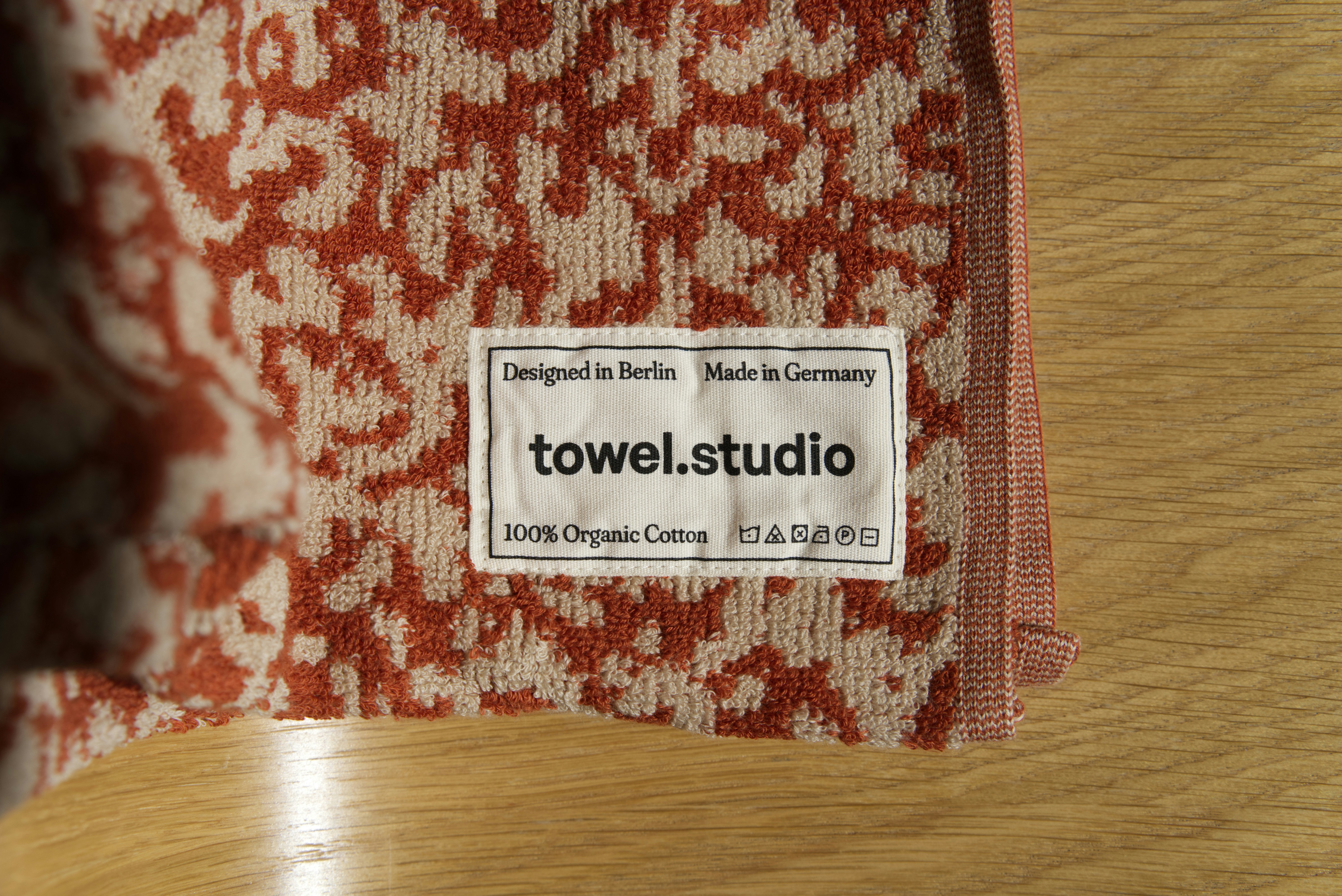
Introduction to Tencel Duvet Cover and Its Benefits
Tencel, a brand name for lyocell, is a fiber derived from sustainably sourced wood pulp, particularly from eucalyptus, beech, and spruce trees. The manufacturing process of Tencel is designed with the environment in mind; it utilizes a closed-loop system that recycles water and solvents used in production, minimizing waste and pollution. This innovative approach not only reduces the dependence on fossil fuels but also ensures that the raw materials are sourced responsibly, making Tencel an environmentally-friendly alternative to conventional cotton or synthetic fabrics.
One of the primary benefits of Tencel is its exceptional softness. The fiber has a smooth surface that provides a luxurious feel against the skin, making it the perfect choice for bedding in eco-hotels. Softness is crucial in luxury accommodations, as guests expect fabrics that enhance their comfort and relaxation. Tencel excels in this aspect, creating a serene sanctuary ideal for rest.
Another notable quality of Tencel is its breathability. The fiber allows for excellent airflow, which helps regulate body temperature while sleeping. This property is especially beneficial in luxury bedding, as it prevents overheating and ensures a comfortable sleep environment for guests. Furthermore, Tencel possesses moisture-wicking abilities, effectively absorbing excess moisture and keeping the sheets dry. This feature not only contributes to the comfort of the sleeping experience but also aids in maintaining hygiene by reducing the growth of bacteria and odors.
These combined attributes make Tencel an ideal fabric choice for eco-hotels seeking to offer exceptional comfort while committing to sustainable practices. As the hospitality industry increasingly prioritizes environmental responsibility, Tencel duvet covers are poised to become a staple in luxury accommodations dedicated to sustainability.
The Importance of Eco-Friendly Materials in Hospitality
In recent years, the hospitality industry has witnessed a significant shift towards sustainability, driven largely by consumer preferences. More travelers are becoming environmentally conscious, preferring accommodations that demonstrate a commitment to eco-friendly practices. This growing trend is particularly evident in the emergence of eco-hotels, which prioritize sustainable operations and materials. As such, the importance of using eco-friendly materials, such as Tencel duvet covers, cannot be overstated. These materials not only align with the principles of sustainability but also enhance the overall guest experience.
When considering branding, eco-friendly materials play a crucial role in how hotels differentiate themselves in a crowded market. Hotels that incorporate sustainable products effectively convey their commitment to environmental responsibility. The use of biodegradable materials like Tencel sends a powerful message to guests about a hotel’s dedication to preserving the environment. This, in turn, influences a guest’s choice when selecting their accommodation, often swaying favor towards hotels that prioritize sustainability. By offering eco-friendly options, hotels can build a reputation that attracts environmentally conscious travelers.
Additionally, the integration of eco-friendly materials into hotel offerings can considerably enhance the guest experience. Tencel duvet covers, known for their luxurious feel and biodegradability, provide a comfortable sleeping environment while contributing to sustainability efforts. Guests increasingly seek such combinations, where comfort and environmental well-being coexist. The satisfaction derived from sleeping on sustainable bedding not only elevates the guest experience but also encourages repeat visits. Therefore, the importance of eco-friendly materials in hospitality extends beyond environmental impact; it plays a vital role in fulfilling consumer desires, fortifying brand identity, and enhancing customer loyalty.
The Manufacturing Process of Tencel Duvet Covers
The production of Tencel duvet covers begins with the sourcing of high-quality wood pulp, primarily derived from sustainably managed eucalyptus, beech, and spruce trees. These trees are chosen for their rapid growth and low environmental impact. The wood pulp is then processed using innovative techniques that align with eco-friendly practices. This initial stage is vital in ensuring that the final product not only retains the luxurious softness and durability synonymous with Tencel but also adheres to sustainable manufacturing principles.
Central to the Tencel duvet cover production is a closed-loop production process. This method stands out for its efficiency and minimal environmental footprint. It involves dissolving the wood pulp in a non-toxic solvent to create a viscous solution. Notably, the solvent used in this process is recycled almost entirely, with up to 99% being reused, resulting in negligible waste. This process not only minimizes environmental impact but also emphasizes the commitment to sustainability that is critical for eco-hotels aiming to provide high-quality linens without compromising their ecological values.
The subsequent steps involve spinning this solution into fibers, which are then spun into yarn. This yarn is woven into fabric, ensuring that the duvet covers deliver the remarkable qualities associated with Tencel, including moisture-wicking properties, breathability, and a silky feel that enhances the guest experience in eco-hotels. Quality control measures are strictly adhered to throughout the manufacturing process, guaranteeing that each duvet cover meets high standards of craftsmanship. The result is a product that not only looks and feels luxurious but also supports sustainable practices, thereby appealing to environmentally-conscious consumers.
Advantages of Tencel Duvet Covers Over Traditional Options
Tencel duvet covers present numerous advantages when compared to traditional bedding materials such as cotton and polyester, making them an ideal choice for eco-hotels. One of the most compelling benefits of Tencel is its biodegradability. Derived from sustainably sourced wood pulp, Tencel fibers break down naturally over time, leaving minimal environmental impact. In contrast, typical synthetic materials like polyester can persist in landfills for hundreds of years, contributing significantly to environmental pollution.
Maintenance is another area where Tencel excels. Tencel duvet covers have inherent moisture-wicking properties that help prevent bacterial growth and reduce odor. This feature ensures that the fabric remains fresher for longer periods, resulting in less frequent washing compared to cotton, which can absorb moisture easily and harbor allergens. Moreover, Tencel fibers have a smoother surface, leading to less friction and, consequently, less wear and tear on the material. This durability ensures that Tencel duvet covers maintain their aesthetic appeal and comfort even after prolonged use.
The ecological footprint of Tencel also outshines that of traditional bedding. Tencel production utilizes a closed-loop process that recycles water and solvents, minimizing waste and energy consumption. In contrast, conventional cotton cultivation often relies heavily on pesticides and large amounts of water, making it less environmentally friendly. Tencel’s sustainable production process results in lower energy usage and a reduced carbon footprint, aligning perfectly with the sustainable practices embraced by eco-hotels.
Lastly, the comfort and aesthetic appeal of Tencel duvet covers cannot be overlooked. With a luxurious feel and elegance reminiscent of silk, Tencel adds a touch of sophistication to hotel rooms while providing superior comfort. The natural drape and breathability make it an ideal fabric choice, catering to guests seeking both luxury and sustainability in their accommodations.
Consumer Perception and Marketing Eco-Friendly Bedding
The growing trend towards sustainability has significantly influenced consumer perception of bedding options, particularly within the hospitality industry. Eco-conscious travelers are increasingly seeking accommodations that align with their values, making it essential for hotels to effectively market eco-friendly bedding options such as Tencel duvet covers. Tencel, derived from sustainable wood sources, stands out in the market due to its biodegradable nature and luxurious feel. This appeal to both the environmentally aware and comfort-seeking demographics creates a unique marketing opportunity for hotels.
To attract these environmentally conscious guests, hotels should consider several strategies. First, branding plays a pivotal role in conveying the commitment to sustainability. Utilizing clear and impactful messaging can help establish a hotel’s identity as a leader in eco-friendly practices. Incorporating the sustainable attributes of Tencel into promotional materials can reinforce the bond between the hotel and potential customers who prioritize eco-friendly choices.
Storytelling is another effective marketing tool. Sharing the journey of Tencel duvet covers—from sustainable forestry practices to the final luxurious product—can engage potential guests on a deeper level. Highlighting stories about partnerships with eco-friendly suppliers, the impact on local communities, or personal testimonials can enhance the emotional connection between consumers and the brand. This storytelling approach humanizes the product, making it more relatable and desirable.
Additionally, obtaining certifications such as the Global Organic Textile Standard (GOTS) or the OEKO-TEX Standard 100 can lend credibility to the hotel’s claims about sustainability. Displaying these certifications prominently in marketing materials assures consumers that the products meet high environmental and social standards. By effectively combining branding, storytelling, and certifications, hotels can position Tencel duvet covers as not just a bedding choice, but as a commitment to a more sustainable future.
Tencel’s Impact on Room Ambiance and Guest Experience
The integration of Tencel duvet covers into hotel rooms plays a significant role in enhancing the overall ambiance and enriching the guest experience. Tencel, a sustainable fabric derived from wood pulp, is renowned for its luxurious softness and breathability, making it an excellent choice for hotels aiming to provide a premium experience. The silky texture of Tencel not only feels indulgent against the skin but also helps to regulate temperature, which is essential for a comfortable night’s sleep. The ability of Tencel to wick moisture away from the body creates a dry and cozy environment, ultimately contributing to improved sleep quality for guests.
Several eco-hotels have reported positive feedback regarding the use of Tencel bedding. One notable case is an eco-friendly hotel that incorporated Tencel duvet covers across its rooms. Guests consistently shared their satisfaction, noting that the luxurious finish and the soothing touch of the fabric significantly enhanced their overall comfort. This hotel experienced a marked increase in positive reviews focusing on the bedding’s quality, highlighting how Tencel duvet covers not only meet environmental standards but also elevate the luxury element of their accommodations.
Furthermore, Tencel’s sustainability attributes resonate with eco-conscious travelers who are increasingly prioritizing environmentally friendly options. The fabric’s biodegradable nature reflects a commitment to responsible tourism, which enhances the hotel’s reputation and attracts a dedicated clientele invested in sustainable practices. This alignment between guest values and hotel offerings fosters a deeper emotional connection, ultimately leading to increased loyalty and repeat bookings. By choosing Tencel duvet covers, hotels can not only provide guests with a lavish sleeping experience but also embrace a holistic approach to hospitality that values sustainability.
Challenges in Adoption and Solutions for Hoteliers
The increasing trend towards sustainability in the hospitality industry has led many eco-hotels to consider the adoption of Tencel duvet covers. While these products offer numerous benefits, several challenges can impede their adoption. One significant hurdle is the initial cost associated with switching to Tencel duvet covers. Compared to conventional materials, Tencel can often come at a premium price. This higher upfront investment might discourage hoteliers who operate on tight budgets or are unwilling to sacrifice immediate profitability for long-term environmental benefits.
Another challenge is the availability of Tencel duvet covers. Although the demand for sustainable products is rising, the market may not yet fully meet this demand, particularly for specialty items like duvet covers in varying sizes and styles. Hoteliers may find themselves limited in sourcing options, leading to further complications in the procurement process.
Lastly, staff training is an essential consideration. Tencel fabric requires specific care procedures to maintain its quality and longevity. Without proper training, hotel staff may inadvertently damage these luxurious duvet covers, negating their environmental benefits and increasing operational costs through frequent replacements.
To address the cost barrier, eco-hotels can explore bulk purchasing options. Many suppliers offer discounts for large orders, which can alleviate some financial pressures by lowering per-unit costs. Additionally, collaborating with suppliers specializing in sustainable products can provide eco-hotels with tailored solutions that account for their specific needs while ensuring quality and compatibility with their environmental commitments.
Moreover, investing in comprehensive training programs for staff can ensure that they are well-informed about the care requirements of Tencel duvet covers. Providing resources, such as manuals or workshops led by fabric experts, can enhance the knowledge base of hotel employees, facilitating smoother operations and increasing staff confidence in handling these materials.
Future Trends in Sustainable Hospitality Products
As the hospitality industry increasingly prioritizes sustainability, the demand for eco-friendly products, including bedding materials, is poised for significant growth. One key player in this transition is Tencel, a fiber derived from sustainably sourced wood, which offers luxurious bedding solutions with a lower environmental impact. Hoteliers can expect the evolution of bedding materials to heavily lean towards sustainable fabrics, responding to the rising consumer preference for eco-conscious products.
In recent years, the concept of sustainable hospitality has gained momentum, driven by consumer awareness and expectations. Guests are now more conscious of their environmental footprint, prompting hotels to adopt green practices across all operational facets. The bedding sector is particularly vital, as it is an integral part of guest comfort. Tencel duvet covers represent an innovative solution, seamlessly combining luxury and sustainability. Crafted from biodegradable materials, Tencel not only enhances guest experiences but also aligns with eco-friendly values.
Future trends suggest that innovations in sustainable hospitality products will focus on the full life cycle of materials. This includes considerations during the production, use, and disposal phases. Hotels are beginning to invest in technologies that allow for closed-loop systems, where products like Tencel can be recycled or composted at the end of their life span. Moreover, the introduction of certifications and standards for sustainable materials is expected to guide hoteliers in their purchasing decisions, enhancing the credibility of their eco-friendly claims.
Additionally, collaborations between manufacturers and hoteliers will likely increase, bringing forth new products that meet higher sustainability standards. Manufacturers are anticipated to develop more innovative blends that improve the durability and comfort of bedding while maintaining an eco-friendly profile. As the demand for sustainable bedding grows, hoteliers must remain proactive in incorporating these trends to meet guest expectations and contribute positively to environmental preservation.
Conclusion: Embracing Biodegradable Luxury in Hotels
As the hospitality industry evolves, the integration of sustainable practices is becoming increasingly crucial. A key development in this endeavor is the adoption of Tencel duvet covers, which epitomize a luxurious yet environmentally friendly option for hotels. Throughout this blog post, we have explored various aspects of Tencel production and its inherently biodegradable properties, emphasizing how such materials can significantly reduce a hotel’s ecological footprint.
By choosing Tencel, hoteliers can demonstrate a commitment to sustainable practices while simultaneously enhancing the guest experience. The soft texture and breathability of Tencel fabric not only provide comfort but also align with the growing consumer demand for eco-friendly products. Moreover, the cultivation of the wood from which Tencel is derived takes place through responsible forestry practices, supporting sustainability from the ground up.
When eco-hotels incorporate Tencel duvet covers into their offerings, they do more than just promote luxury; they actively contribute to environmental preservation efforts. For guests who prioritize sustainability, staying in an eco-friendly hotel can enhance their overall experience, potentially leading to higher customer loyalty and positive word-of-mouth promotion. This combination of luxury and sustainability can thus translate into long-term benefits for the hotel business.
In closing, the case for embracing biodegradable luxury in hotels, particularly through the use of Tencel duvet covers, is compelling. Hoteliers are encouraged to take decisive steps toward implementing these sustainable options. Ultimately, adopting such practices not only supports the well-being of the planet but also aligns with the values of a growing segment of conscientious consumers, setting a standard for responsible luxury in the hospitality sector.