Introduction to Satin vs Polyester
Satin and polyester are two widely recognized fabrics in the textile industry, each possessing unique characteristics that cater to various consumer preferences and applications. Satin, known for its luxurious and glossy finish, is traditionally made from woven silk. However, it can also be produced using synthetic fibers such as polyester. This adaptability has made satin a popular choice for formal wear, luxurious bedding, and decorative elements in both fashion and interior design. Its smooth surface often contributes to a sense of elegance, making it a preferred fabric for evening gowns, bridal dresses, and high-end home furnishings.
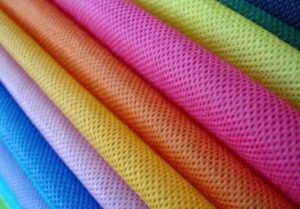
Polyester, on the other hand, is a synthetic fabric created from petrochemical products. It is notable for its strength, durability, and resistance to wrinkles, making it an ideal material for a wide array of applications. As a versatile fabric, polyester can be found in casual wear, upholstery, and various household items such as curtains and pillowcases. The fabric’s ability to retain color well also adds to its appeal in the fashion industry, where vivid hues and prints are highly sought after. Furthermore, polyester fabrics tend to be more affordable than silk-based options, enhancing their popularity among budget-conscious consumers.
Both satin and polyester have cemented their positions within the textile market due to their distinctive attributes and practicality. While satin remains synonymous with luxury, polyester is synonymous with versatility and longevity. Together, they showcase the diverse options available in modern fabric choices, catering to a wide array of fashion statements and functional needs in today’s marketplace.
The Composition of Satin and Polyester
Satin is not a specific material but a type of weave that characterizes the fabric’s finish. Traditionally, satin can be produced from luxurious fibers such as silk, which imparts a natural sheen and soft texture. In contemporary textile manufacturing, satin can also be created using synthetic fibers, including polyester, nylon, or acetate. This versatility is one of satin’s attributes, allowing it to maintain an elegant appearance while being available at various price points.
Polyester, on the other hand, is a synthetic fiber made from polyethylene terephthalate (PET). It is created through a chemical reaction between alcohol and carboxylic acid, resulting in a durable and versatile material. Polyester’s composition allows it to be blended with other fibers, such as cotton or wool, enhancing performance aspects like wrinkle resistance and durability. This synthetic fiber is particularly popular in casual clothing, upholstery, and home textiles due to its strength and ease of maintenance.
When discussing variations in satin fabrics, one must consider silk satin and synthetic satin. Silk satin is composed primarily of silk fibers and is renowned for its opulent feel and luster. It is commonly chosen for evening gowns, lingerie, and luxury items where draping and softness are paramount. Conversely, synthetic satin—often made from polyester—is more affordable and widely used in mass-produced garments. This type of satin typically has a glossy finish and is less prone to wrinkling, making it practical for everyday wear. Furthermore, the use of polyester satin has also expanded its applications, including dancewear and theatrical costumes.
The differences in the composition of satin and polyester reveal significant implications for fabric choice, affecting aesthetics, cost, and practicality, thus providing consumers with diverse options to suit various needs.
Textural Differences: Feel and Appearance
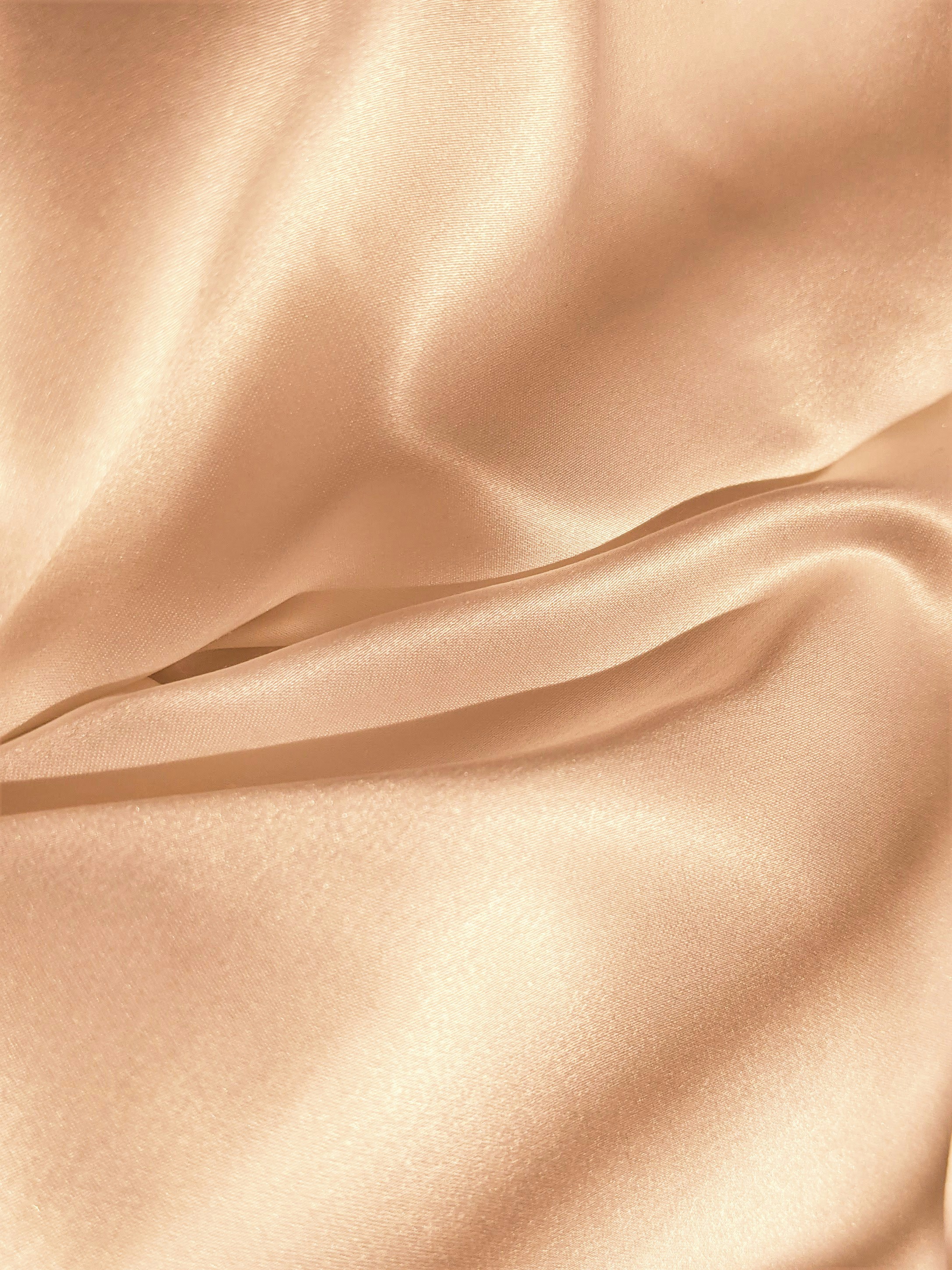
When examining the textural differences between satin and polyester, one can identify distinct tactile and visual qualities that characterize each fabric. Satin, a weave rather than a material, is primarily known for its luxurious sheen and smooth surface. This woven fabric is often produced from silk, although it can also be created using synthetic fibers such as polyester. Because of its specific weaving technique, satin presents a glossy front side that reflects light beautifully, giving it an elegant appearance. The result is a fabric that feels soft and slippery to the touch, which enhances its appeal for high-end applications like evening gowns, bridal wear, and other formal attire.
In contrast, polyester is a synthetic fiber that exhibits a more versatile range of textures and appearances depending on its production method and blend with other materials. While polyester can be manufactured to mimic the silky finish of satin, it often has a slightly stiffer feel and less distinct sheen. The surface of polyester can vary from smooth to textured, allowing it to be utilized across diverse fashion applications—from casual wear to home furnishings. The adaptability of polyester makes it a popular choice among designers seeking versatile materials that can be easily printed or dyed to suit current trends.
Moreover, the longevity and maintenance of polyester fabrics can enhance their practicality. Unlike satin, which may require special care such as dry cleaning to maintain its appearance, polyester fabrics are typically more resistant to wrinkles and fading, making them easier to care for. However, this may come at the expense of that luxurious feel that satin provides. Ultimately, the choice between satin and polyester will depend on the specific needs of the consumer, including desired aesthetics, tactile experiences, and practical considerations.
Durability and Maintenance
When comparing satin and polyester, one of the key factors to consider is their durability and maintenance requirements. Satin, which is often made from silk or polyester, tends to be more delicate in nature, especially when derived from silk. This makes it susceptible to wear and tear, and it can easily lose its luster over time if not cared for properly. In terms of resistance to damage, satin may fray or snag more easily than polyester, resulting in a need for more careful handling.
On the other hand, polyester is celebrated for its exceptional durability. This synthetic fabric is resistant to many common forms of wear, including tearing and fading, making it an ideal choice for everyday use. Polyester also exhibits excellent resilience, which means it can withstand significant pressure without compromising its structural integrity. Consequently, polyester garments and items are often favored in situations where durability is a crucial factor.
When it comes to maintenance, the two fabrics diverge significantly. Satin often requires dry cleaning, especially when it is made from silk, which can add to its overall maintenance cost. Washing satin at home can be risky, as it may lead to creases or damage if not handled with care. In contrast, polyester is relatively low-maintenance; it is machine washable and can be air-dried or tumble-dried without significant risk of damage. This ease of care is one of the reasons polyester is widely used in various garments and home textiles.
Furthermore, with regards to spills and stains, polyester outshines satin. Fabric made from polyester usually has a stain-resistant quality, allowing for easy clean-up. Satin, particularly when made from silk, can absorb stains more readily, necessitating immediate care to prevent lasting damage. In summary, while satin offers a luxurious feel, polyester’s durability and maintenance advantages make it an appealing choice for many consumers seeking practicality and longevity in their fabric choices.
Breathability and Comfort
When considering fabrics for clothing or home textiles, the factors of breathability and comfort are paramount. Satin and polyester, while both popular materials, exhibit distinct characteristics in these areas that can influence user preference and experience. Satin, traditionally made from silk or synthetic fibers, is known for its luxurious feel and smooth surface. One of its notable qualities is how it manages temperature regulation. Satin tends to retain heat, making it an excellent choice for cooler climates. However, in warmer environments, its lack of breathability can lead to discomfort, as it does not significantly allow airflow, trapping body heat and moisture.
In contrast, polyester is a synthetic fabric that is often engineered for performance. It is known for its improved moisture-wicking capabilities, meaning it can draw moisture away from the body, promoting a cooler and drier wearing experience. This quality is particularly beneficial in activewear and summer clothing, where breathability is crucial. Polyester also has the advantage of being lightweight and durable, factors that further enhance its comfort level for everyday wear and prolonged use.
An essential aspect to consider is how these materials respond to different conditions. While satin offers a certain elegance and sheen that can elevate the aesthetic of evening attire, it may not be the best option for those who are sensitive to heat or prone to perspiration. On the other hand, polyester presents a practical solution with its versatile applications across various temperature ranges, making it a preferred fabric for numerous clothing items. Ultimately, when choosing between satin and polyester, it is vital to assess individual needs for breathability and comfort based on the intended use, environmental conditions, and personal preferences.
Cost Comparison: Satin vs Polyester
When evaluating the financial aspects of satin and polyester fabrics, it is essential to consider both the production processes and their respective qualities. Satin, often obtained from silk or other high-quality fibers, is known for its luxurious feel, elegant sheen, and comfortable draping qualities. This quality inherently contributes to its higher price point. The woven structure of satin, which involves a complex weaving technique that results in its distinctive smooth surface, further elevates production costs. Consequently, satin is generally regarded as a premium fabric and, thus, tends to be more expensive than polyester options.
In contrast, polyester stands as a more economical alternative within the textile market. Made from synthetic fibers, polyester is both affordable and widely available that contributes to its lower price. The manufacturing process is less demanding than that of satin, allowing for quicker production without compromising durability. This affordability makes polyester a popular choice for those who seek cost-effective solutions, particularly in the fashion industry and home decor products.
Furthermore, the price difference between satin and polyester can also be attributed to the market demand for each fabric. While satin is often sought after for high-end garments and luxury items, polyester caters to a vast array of products, from casual wear to functional home textiles. Additionally, the longevity and ease of care associated with polyester contribute to its widespread appeal, particularly for consumers who focus on practicality and budget considerations.
In essence, while satin offers an opulent feel and aesthetic, its cost reflects the quality and complexity inherent in its production. Polyester, as a more affordable option, serves a diverse audience, making it an attractive fabric for budget-conscious consumers.
Environmental Considerations
When evaluating the environmental considerations of satin and polyester, it is crucial to understand that the two materials have distinctly different ecological footprints. Satin, traditionally made from silk or cotton fibers, is often regarded as a more sustainable option compared to polyester. Silk, being a natural fiber, has a lower environmental impact when sourced responsibly, as it is biodegradable and can decompose naturally. Cotton, although more sustainable than synthetic fibers, also requires significant amounts of water and pesticides during its cultivation process.
On the other hand, polyester is a synthetic fabric derived from petroleum, a non-renewable resource. The production of polyester fabric is energy-intensive and contributes to greenhouse gas emissions, significantly impacting the environment. Although polyester is durable and resistant to wrinkles, its manufacturing process raises concerns about its sustainability. However, it is often mentioned that recycled polyester can serve as a more eco-friendly alternative, as it utilizes post-consumer plastic materials, thereby reducing waste in landfills and promoting recycling practices.
Additionally, the recycling capabilities of these materials present another crucial factor in understanding their environmental implications. Natural satin fibers, particularly silk, have limited recycling options. While cotton can be recycled, the process often requires considerable resources. In contrast, recycled polyester has gained traction in recent years; many brands now create items from this fabric, increasing demand for sustainable materials. Consumers are encouraged to opt for brands that prioritize eco-friendly practices and contribute to the circular economy.
In conclusion, both satin and polyester possess unique environmental challenges. Satin, especially when made from natural fibers, holds an edge in sustainability, but concerns regarding resource use remain. Polyester, while problematic due to its origin and production methods, can mitigate its influence if recycled sources are prioritized. Ultimately, the choice between these two fabrics can significantly impact individual sustainability efforts.
Choosing the Right Fabric for Your Needs
When deciding between satin and polyester, it is essential to consider the specific applications and preferences that will influence your choice. Both fabrics have their distinct characteristics, making them suitable for various uses, such as clothing, home decor, or upholstery.
Firstly, the intended use of the fabric should guide your selection. Satin, with its luxurious finish and soft texture, is often preferred for formal attire or elegant garments, such as evening gowns and bridal dresses. Its ability to drape beautifully adds to the fabric’s allure, making it a popular choice for high-end fashion. On the other hand, polyester is more versatile and durable, making it suitable for casual clothing, activewear, and outdoor furnishings. This fabric’s resistance to wrinkles and fading further contributes to its practicality, especially in everyday items.
Personal preferences related to texture and aesthetics also play a significant role. Satin’s smooth and glossy surface can elevate the overall appearance of an outfit, while polyester can be manufactured in various finishes and patterns that provide a broader range of design options. Those seeking a more luxurious feel might gravitate towards satin, while polyester offers a more budget-friendly and maintenance-friendly alternative.
Lastly, budget considerations cannot be overlooked when making a decision between satin and polyester. Satin can be more expensive due to its premium qualities, while polyester is typically more affordable, often leading to cost-effective solutions for both consumers and designers. Evaluating your budget alongside your fabric needs will ensure a balanced selection that meets style preferences without compromising on quality.
Conclusion: Final Thoughts on Satin and Polyester
As we have explored throughout this discussion, both satin and polyester have distinct characteristics and applications that set them apart. Satin, known for its luxurious sheen and soft texture, is often favored for formal wear, evening gowns, and upscale bedding. Its production typically involves weaving techniques that create a smooth surface, resulting in a fabric that feels rich and elegant against the skin. On the other hand, polyester is a synthetic fabric that offers durability and resilience, making it suitable for a wide range of everyday clothing and home textiles. Its affordability and ease of care further contribute to its popularity, particularly in items that require frequent washing.
When deliberating between satin and polyester, it is essential for consumers to assess their specific needs. For instance, those looking for garments or décor that exude an opulent aesthetic may lean towards satin, despite its higher maintenance demands. Conversely, individuals prioritizing practicality, such as ease of cleaning and long-lasting performance, may find polyester to be a more appealing choice. Both fabrics cater to different preferences and scenarios, showcasing the importance of understanding their respective properties before making a selection.
Ultimately, the choice between satin and polyester will depend on individual circumstances, including budget, intended use, and personal style. By weighing the advantages and disadvantages of each, consumers can make informed decisions that align with their lifestyle and aesthetic requirements. In highlighting these key differences, we hope to equip readers with the knowledge needed to choose the fabric that best suits their unique preferences and needs.