Introduction to Satin vs Polyester
Satin and polyester are two widely utilized fabrics in the textile industry, each offering unique characteristics that make them suitable for various applications. Satin is not a fiber in itself, but rather a weave that can be made from different fibers, including silk, nylon, or polyester. Traditionally, satin has been associated with luxury and elegance, largely due to its glossy surface and smooth texture, making it a popular choice for formal wear, lingerie, and decorative items like cushions and drapes.
Polyester, on the other hand, is a synthetic fiber made from petroleum products. It was first introduced in the early 20th century and has since gained immense popularity due to its durability, affordability, and versatility. Polyester can imitate natural fibers such as silk and cotton while offering resistance to wrinkles, shrinking, and stretching. These attributes have made it a common fabric for a wide range of garments—from casual clothes to athletic wear—and various home textiles.
Both satin and polyester have seen a surge in popularity across different sectors. The fashion industry frequently incorporates satin for its aesthetic appeal, especially in evening gowns and bridal wear. In contrast, polyester’s practical benefits cater to mass-market apparel and home furnishings, where low-maintenance and cost-effective solutions are sought after. As consumer needs evolve, both fabrics continue to be reimagined and innovatively adapted for diverse uses, reflecting ongoing trends in style and functionality within the textile market.
The Composition of Satin and Polyester
Satin is not a specific fiber; rather, it is a weave that creates a smooth, glossy surface. Traditionally, satin was made from silk, which provided an exquisite finish commonly found in luxury garments and furnishings. However, modern satin can also be produced from synthetic fibers such as polyester and nylon, which offer similar visual effects at a lower cost. The crafting process of satin involves weaving threads in a particular manner to produce the characteristic luster, which is achieved by floating warp threads over weft threads. The resulting fabric has a unique sheen, varying depending on the materials used.
Polyester, on the other hand, is a synthetic fiber derived from the polymerization of esters. It is commonly produced through a chemical reaction between an alcohol and a carboxylic acid. The material is valued for its durability, resistance to wrinkles, and ease of maintenance. Polyester fabric can also be woven or knitted in various ways to impart different textures and finishes, including satin. When used to create satin, polyester mimics the finish of silk while offering additional strength and longevity, making it suitable for a wider range of applications.
In summary, satin can be composed of various fibers, including silk, polyester, and nylon. Its construction relies heavily on the weaving technique that gives the fabric its glossy appearance. Polyester, a versatile synthetic fiber, plays a pivotal role in modern satin production, providing an affordable alternative to silk without compromising on aesthetic appeal. Understanding the material composition and weaving methods used in these fabrics is essential for selecting the right option for your specific needs.
Physical Properties of Satin vs Polyester
Satin and polyester are two widely used fabrics that possess distinct physical properties, making them suitable for various applications. Understanding these differences is essential when it comes to selecting the right fabric for specific needs. One of the most notable differences between satin and polyester is their texture. Satin is known for its luxurious, smooth surface, which is often associated with a glamorous appearance. This polished finish gives satin an opulent feel against the skin, making it a popular choice for formal wear and elegant home furnishings.
In contrast, polyester typically has a crisper texture that varies depending on its weave. It may feel somewhat rougher than satin, which can lead to a different wearing experience. Polyester fabrics are often more resilient and durable due to their synthetic nature, reinforcing their practicality for everyday garments. Nevertheless, advancements in textile technology have seen the development of softer polyester options that mimic the feel of more luxurious fabrics, making it a versatile choice across various sectors.
When discussing weight, satin is generally heavier than polyester. The weight of satin provides a sense of substantial drape that lends itself well to structured garments. This draping quality enhances the overall look, allowing for tailored silhouettes that can enhance a wearer’s figure. On the other hand, polyester can be made in a range of weights, from lightweight options suitable for summer attire to heavier fabrics suited for outerwear. The varied weights of polyester allow designers to manipulate drape effectively, depending on the desired outcome.
In terms of drape, satin flows elegantly and tends to create soft, flowing lines that are visually appealing. This quality makes satin perfect for evening gowns and other elegant attire. Conversely, while polyester can also drape nicely, its structure may result in a more defined shape, which is advantageous for casual wear and structured designs. Thus, the choice between satin and polyester should consider both the desired aesthetic and the functional requirements of the garment.
Durability and Care Requirements
When considering the durability of fabrics, it is essential to compare satin and polyester, as both possess unique characteristics that affect their longevity and care requirements. Satin, typically made from silk, polyester, or other materials, offers a luxurious feel but is less durable than polyester. Although satin can resist wear and tear to some extent, it is more prone to snagging and can show signs of damage over time. In contrast, polyester is known for its remarkable resistance to fading, stains, and general wear. It can withstand the rigors of daily use and is less likely to be damaged by environmental factors, making it a practical choice for various applications.
Satin fabrics, due to their smooth finish, may require more careful handling to avoid scuffs and runs. They are often susceptible to water spots and can fade when exposed to sunlight for extended periods. Therefore, proper care is crucial for maintaining the original beauty of satin. Recommended care methods include hand washing or using a delicate cycle with cold water, followed by air drying or low heat ironing to avoid any damage.
On the other hand, polyester is generally easier to maintain. It is machine washable and can be tumble dried, making it a more user-friendly option for consumers. Furthermore, polyester fabrics typically resist wrinkling and shrinkage, which simplifies garment care. Stains on polyester can usually be removed with regular laundry detergents, and the fabric can retain its color far better under sunlight compared to satin. Thus, while both fabrics have their unique qualities, the durability and ease of care make polyester an advantageous choice for many prospective buyers.
Satin and polyester are widely used fabrics, each with unique properties and applications across various industries. Satin, characterized by its lustrous finish and smooth texture, is often preferred in fashion and luxury items. It is commonly used to craft evening gowns, bridal wear, and as linings in jackets and coats, where its elegance elevates the aesthetic appeal of garments. The soft drape of satin makes it a popular choice for intimate apparel and sleepwear, where both comfort and visual appeal are paramount.
On the other hand, polyester is known for its durability and resistance to wrinkles and shrinking, making it a favored material for everyday clothing and home textiles. Its low-cost production and versatility have allowed polyester to permeate various sectors. In the fashion industry, polyester blends are commonplace, found in activewear, casual clothing, and even outdoor gear. The fabric’s moisture-wicking properties render it suitable for sportswear, ensuring comfort during physical activities.
In terms of home applications, satin is frequently used in bedding and decorative pillows to provide a touch of luxury to living spaces. It is also popular for curtains and drapes, enhancing the elegance of interiors. Meanwhile, polyester has established its presence in upholstery and furnishings, owing to its resilience. It is often used to make cushions, tablecloths, and other items that require ease of cleaning and maintenance.
Industrial applications of both fabrics are noteworthy as well. Satin is occasionally utilized in specific packaging and decorative materials, while polyester finds its uses in products such as conveyor belts, insulation materials, and various forms of industrial textiles. The adaptability of both satin and polyester highlights their significance across diverse applications, catering to both functional and aesthetic requirements.
Aesthetic Appeal: Satin vs Polyester
The choice of fabric is pivotal in many aspects of design, with aesthetics playing a crucial role in consumer decisions. Satin and polyester are both popular fabric options, yet they exhibit distinct aesthetic qualities that influence their selection in various applications, from fashion to home decor.
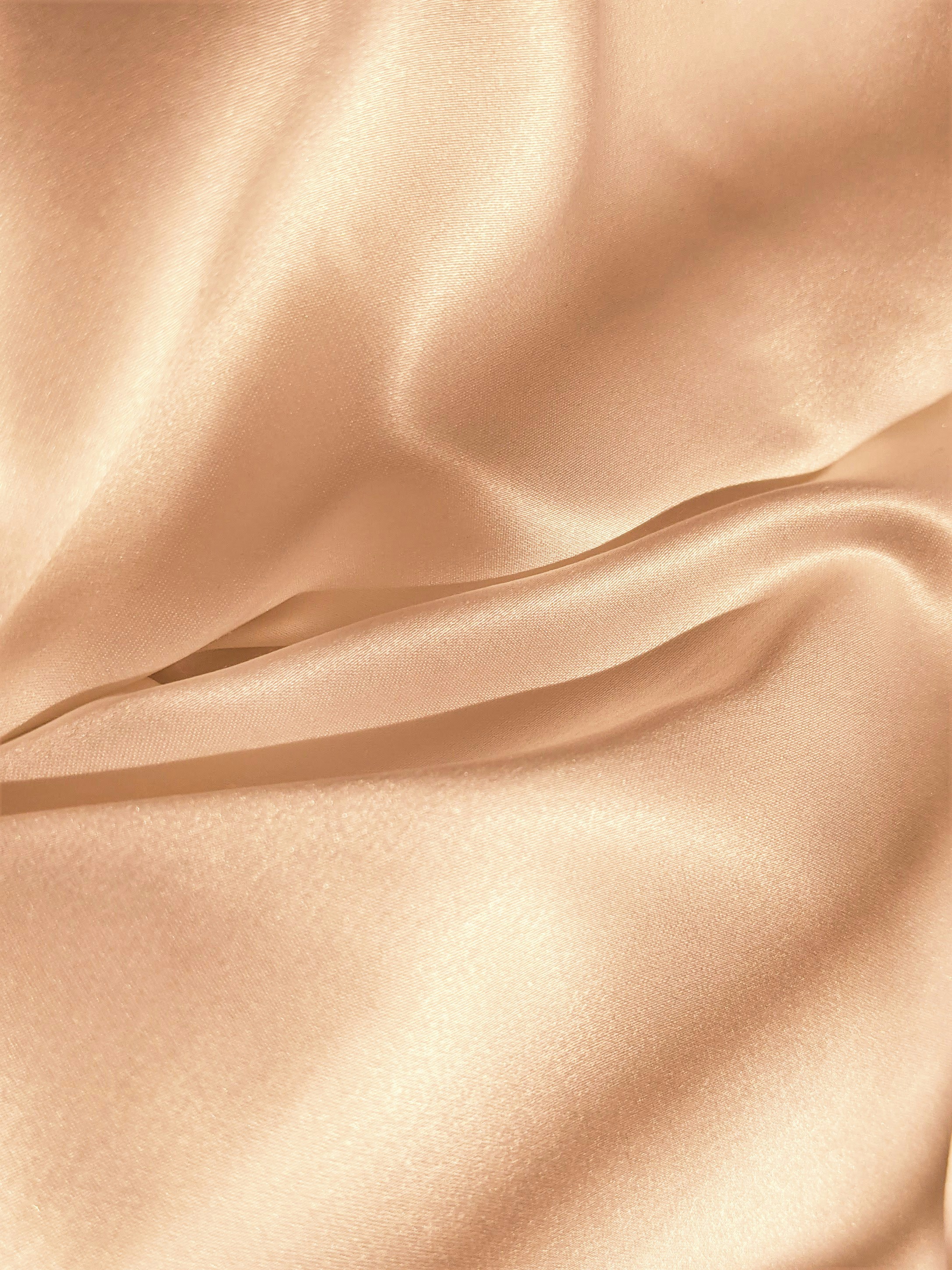
Satin, renowned for its luxurious sheen, is often associated with elegance and sophistication. The smooth surface of satin reflects light beautifully, creating a lustrous effect that adds depth and dimension to garments and furnishings. This luxurious appearance makes satin a favored choice for evening wear, bridal gowns, and high-end decorative items. Furthermore, satin’s ability to drape gracefully enhances its visual appeal, allowing for fluid lines and elegant silhouettes.
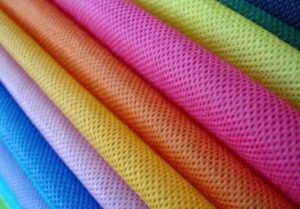
In contrast, polyester, a synthetic fabric, offers a different aesthetic experience. While modern polyester can mimic the sheen of satin, traditional polyester tends to have a more matte finish. However, advancements in textile technology have improved the vibrancy of polyester colors, making it an attractive option for bold, bright designs. Moreover, polyester fabrics often exhibit durability and resistance to wrinkling, which contributes to their practicality in everyday use. This durability, along with the ability to produce a wide range of vibrant colors, makes polyester a preferred choice for casual wear and functional textiles.
Ultimately, the aesthetic appeal of satin and polyester shapes consumer preferences significantly. While satin embodies luxury and elegance, polyester provides versatility and vibrancy. Consumers often decide based on their desired look and occasion, weighing the visual allure of each fabric against its practical benefits. Understanding these differences is essential for anyone seeking to make informed choices in fabric selection.
Environmental Impact of Satin and Polyester Fabrics
The production and disposal of fabric materials such as satin and polyester present significant environmental challenges. Satin, traditionally made from silk or synthetic fibers, has a complex production process that often involves the use of energy-intensive methods and chemicals. Silk, as a natural fiber, requires a considerable amount of water and land resources, while the synthetic version involves the polymerization of petroleum products, leading to high carbon emissions during production.
On the other hand, polyester is a widely used synthetic fabric derived from polyethylene terephthalate (PET), a type of plastic. The environmental footprint of polyester is substantial; its manufacturing process is resource-intensive, contributing to water pollution and greenhouse gas emissions. Furthermore, polyester fabrics are non-biodegradable, persisting in the environment for hundreds of years. This poses challenges for waste management and contributes to growing landfills.
In recent years, there has been a shift towards eco-friendly alternatives and sustainable practices within the textile industry. Brands are exploring the use of recycled polyester, derived from post-consumer plastic bottles and textile waste as a way to reduce reliance on virgin materials. This approach not only helps in minimizing the amount of plastic waste but also conserves resources needed for production. Additionally, organic silk, produced without harmful chemicals and following sustainable practices, is becoming more available as consumers increasingly seek ethical clothing options.
Making informed fabric choices involves considering not only the aesthetic and functional qualities but also the broader ecological implications. The West is witnessing a growing demand for transparency in sourcing materials, and many brands are striving to adopt more sustainable practices, such as reducing water usage, implementing eco-friendly dyeing methods, and using biodegradable fibers. Such innovations are crucial as society moves towards a future that prioritizes both style and environmental stewardship.
Choosing the Right Fabric for Your Needs
When selecting between satin and polyester, it is essential to assess your specific requirements and preferences. Both fabrics come with unique characteristics that cater to different applications, styles, and budgets, making it vital to explore these factors thoroughly before making a decision.
Firstly, consider the intended use of the fabric. Satin, often made from silk or synthetic blends, is favored for evening wear, fine garments, and luxurious bedding due to its smooth, glossy finish. In contrast, polyester is known for its durability and versatility, making it a practical choice for everyday clothing, home décor, and upholstery. If you are aiming for elegance and sophistication for a special occasion dress, satin may be the better option. However, for casual wear, sportswear, or more rigorous usage scenarios, polyester is generally more suitable.
Budgetary constraints also play a significant role in fabric selection. Satin, particularly silk satin, can be quite expensive due to the cost of raw materials and the complexity of production. Conversely, polyester is a more affordable alternative, offering various qualities at different price points. Consider what you are willing to invest in the fabric, as this will greatly influence your final decision.
Another critical facet to evaluate is your personal style and comfort preferences. Satin has a reputation for being luxurious and drapes beautifully, which may appeal to those seeking a high-fashion aesthetic. On the other hand, polyester is often lightweight and moisture-wicking, making it ideal for comfort and ease of maintenance. Think about how each fabric aligns with your lifestyle and fashion sense.
By weighing these factors thoughtfully—intended use, budget, and personal style—you can make a more informed decision between satin and polyester that best suits your needs.
Conclusion: Satin vs Polyester – The Final Verdict
In summarizing the differences between satin and polyester, it becomes evident that both fabrics have unique attributes catering to varied preferences and needs. Satin is renowned for its luxurious sheen and softness, making it a preferred choice for formal attire, evening gowns, and upscale home décor. It provides a sumptuous touch and elegance, often associated with high-quality designs, which can elevate the look of any garment.
On the other hand, polyester is celebrated for its durability and versatility. This synthetic fabric is less expensive, wrinkle-resistant, and easier to care for, which appeals to those seeking practicality in everyday wear or casual items. With its wide range of textures and finishes, polyester can imitate the qualities of natural fibers while maintaining affordability.
When choosing between satin and polyester, it is essential to consider the intended use of the fabric. If the objective is to achieve an extravagant look and feel for special occasions, satin may be the ideal choice. Conversely, for everyday clothing, items requiring practicality, or budget-friendly alternatives, polyester stands out as a formidable option.
Ultimately, each fabric provides distinct advantages and limitations. Your decision between satin and polyester should be guided by factors such as the garment’s purpose, budget constraints, and personal preferences regarding ease of care and maintenance. By weighing these considerations thoughtfully, you can confidently select the fabric that best aligns with your specific needs, ensuring satisfaction with your fabric choice.