Introduction to Towel Fabrics
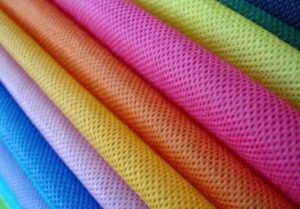
Towels, an essential accessory in both household and hospitality settings, come in a variety of fabrics, each possessing unique characteristics that influence their performance and user experience. Among these, cotton towels are the most prevalent choice, particularly in service-oriented industries where guests’ comfort is paramount. However, not all cotton towels are created equal, and understanding the differences in fabric types can significantly impact the guest experience.
The two primary categories of cotton towels include standard cotton and ringspun cotton. Standard cotton towels are made from straightforward cotton fibers, which are often thicker and may lack some of the softness and absorbency found in higher-quality alternatives. These towels can still provide adequate functionality but may not deliver the luxurious feel that guests often expect.
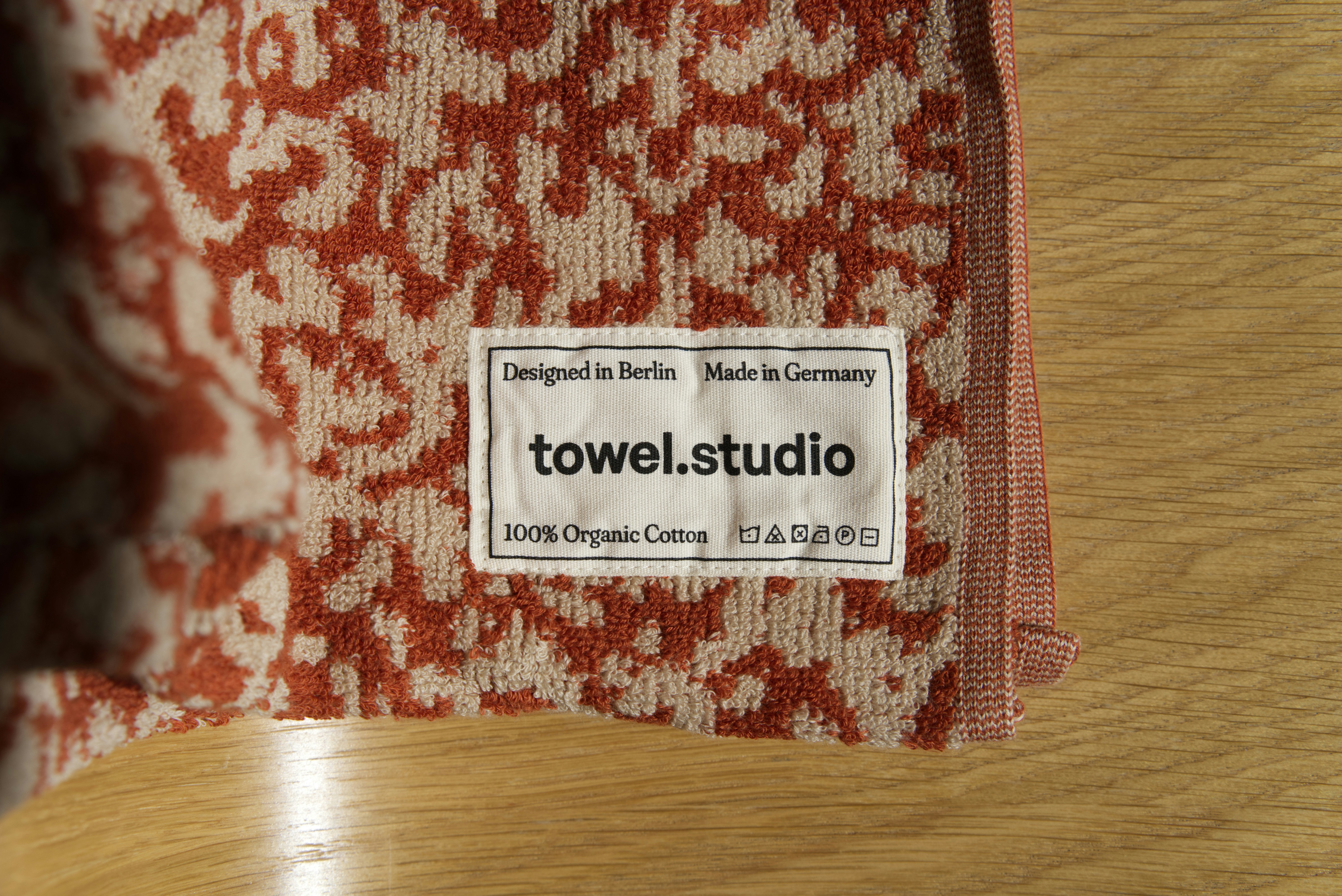
On the other hand, ringspun cotton towels are crafted from finer cotton fibers that are twisted and spun into a smoother, stronger yarn. This manufacturing process results in a more durable and plush product, offering superior softness and absorbency. Ringspun cotton towels maintain their integrity and softness even after multiple washes, making them a smart investment for hospitality businesses aiming to enhance guest satisfaction.
In service-driven environments like hotels and spas, the tactile experience of towels can contribute significantly to overall guest impressions. A luxurious, soft towel made of ringspun cotton not only elevates a guest’s experience but also portrays a commitment to quality and attention to detail. Therefore, understanding the distinctions between towel fabrics is crucial for businesses seeking to maximize their value proposition and ensure repeat patronage.
Understanding Ringspun Cotton
Ringspun cotton is a superior type of cotton that undergoes a unique spinning process, differentiating it significantly from regular cotton. In the production of ringspun cotton, cotton fibers are twisted and thinned in a continuous manner. This twisting creates a finer, softer, and denser yarn, leading to a fabric that is not only durable but also exceptionally comfortable against the skin.
The manufacturing process begins with the selection of high-quality cotton fibers, which are then carded to separate and align the fibers. These aligned fibers are then spun in a ring frame, which imparts the additional twist necessary to produce a stronger and finer yarn. This technique yields fabric that feels softer and is less prone to the wear and tear associated with regular cotton materials. As a result, ringspun cotton towels exhibit a plush texture, elevating the overall experience for guests.
One of the fundamental differences between ringspun and regular cotton is the level of softness achieved. Regular cotton is typically produced with a basic spinning method, leading to a coarser texture that may lack the comfort desired in luxury textiles. In contrast, the ringspun process contributes to a fabric that maintains its softness even after multiple washes, thus ensuring that towels retain their luxurious feel over time. Additionally, ringspun cotton boasts enhanced durability; the tightly twisted fibers are less likely to fray or degrade, making them an excellent investment for venues that prioritize guest comfort.
Overall, the texture and durability of ringspun cotton make it a preferred choice for high-quality towels. Choosing ringspun cotton not only enhances the tactile experience of guests but also reflects a commitment to quality that can significantly elevate the guest experience in hotels, spas, and other hospitality settings.
Regular cotton towels are commonly used in various settings, including households, hotels, and spas, due to their affordability and accessibility. These towels are primarily made from cotton, a natural fiber known for its durability and breathability. One of the most notable characteristics of standard cotton towels is their absorbency. This capability enables them to effectively soak up moisture, making them a practical choice for drying off after a bath or swim.
Moreover, cotton towels are typically soft to the touch, offering a comfortable experience. This softness enhances the overall enjoyment for guests, particularly when they use towels for relaxation after a shower. However, the level of softness can vary significantly among different cotton towels, influenced by factors such as the fabric weave, manufacturing processes, and the quality of cotton used.
Despite these advantages, regular cotton towels do exhibit limitations. For instance, they might lose their softness and absorbency over time due to multiple washes and exposure to harsh detergents. Such wear and tear can lead to a less luxurious feel, possibly detracting from the guest experience in establishments like hotels and resorts. In addition, standard cotton towels may not dry as quickly as their ringspun counterparts, which can lead to an unpleasant odor, especially in humid environments.
The longevity of regular cotton towels is also a factor worth considering. While they can last several wash cycles, their performance may diminish faster than towels made from superior materials such as ringspun cotton. Overall, while standard cotton towels serve their purpose, they may not consistently meet the expectations of discerning guests seeking quality and comfort during their stays.
The Benefits of Ringspun Cotton Towels
Ringspun cotton towels are increasingly recognized within the hospitality industry for their distinctive benefits, which greatly enhance the guest experience. One prominent advantage is their exceptional softness. The ringspun manufacturing process involves twisting and thinning the cotton fibers, resulting in a fabric that is not only gentler on the skin but also feels luxurious to touch. This heightened softness enhances comfort, making ringspun cotton towels a preferred choice for accommodating guests.
In addition to comfort, these towels exhibit superior absorbency. The unique construction of ringspun cotton allows it to absorb moisture more effectively than traditional cotton towels. This characteristic is particularly important in a hospitality setting, where guests expect linens that quickly and efficiently wick away water. Enhanced absorbency translates to a more satisfying drying experience, further elevating guest satisfaction.
Moreover, ringspun cotton towels are renowned for their durability. The strong and uniform fibers created during the spinning process enable these towels to withstand numerous washes and extensive use without compromising their texture or integrity. This durability leads to cost savings over time, as fewer replacements are needed, allowing hospitality providers to maintain high standards without excessive expenditure.
Additionally, ringspun cotton towels maintain their appearance over time, resisting the wear and tear that can often mar traditional towels. This characteristic allows establishments to present a consistently fresh and appealing aesthetic to their guests, contributing to an overall luxury feel. By retaining vibrant colors and resisting fading or fraying, these towels support a polished, inviting atmosphere that guests appreciate and remember.
Ultimately, the combination of softness, absorbency, durability, and lasting appearance makes ringspun cotton towels an exceptional choice for enhancing the overall guest experience in hospitality.
Impact on Guest Perception and Satisfaction
The selection of towel fabric plays a crucial role in shaping guest perceptions of quality and, consequently, their overall satisfaction with their experience. Among various fabric options available in the market, ringspun cotton stands out due to its superior softness, durability, and aesthetic appeal. Research indicates that when guests encounter high-quality textiles, such as ringspun cotton towels, their overall impression of the establishment is significantly enhanced. This fabric is not only plush and inviting but also exhibits an elegant appearance that contributes to a more luxurious feel in hospitality settings.
A case study conducted in a series of upscale hotels revealed that guests who received ringspun cotton towels rated their experience 30% higher on satisfaction surveys compared to those who used standard cotton alternatives. The study highlighted that guests appreciated the towel’s softness against their skin, leading them to feel more pampered and valued. This positive reinforcement is crucial, as it fosters repeat business and word-of-mouth referrals, both of which are essential for market competitiveness.
Furthermore, the perception of cleanliness is significantly influenced by the quality of towels presented to guests. Ringspun cotton towels are known for their absorbency and ability to maintain a fresh appearance, which aligns with guests’ expectations of hygiene. High-quality towels contribute to an impression of meticulous attention to detail and care in service delivery, which results in heightened guest loyalty and satisfaction.
As the hospitality industry increasingly focuses on providing exceptional guest experiences, the impact of fabric choice cannot be overlooked. Ringspun cotton towels emerge as a pivotal element in not only meeting guests’ tactile preferences but also in conveying a message of sophistication and indulgence. Therefore, selecting the appropriate towel fabric emerges as a significant decision that can substantially affect guest perception and overall satisfaction.
The Role of Comfort in Hospitality
Within the hospitality sector, the significance of comfort cannot be overstated, as it directly impacts the guest experience and their perception of quality. One often overlooked yet crucial element that contributes to guest comfort is the tactile sensation offered by textiles, particularly towels. Ringspun cotton towels, known for their softness and absorbency, play a vital role in enhancing the comfort level experienced by guests in both hotel and spa environments.
The psychological aspects of comfort encompass not just physical relaxation but also an emotional sense of well-being. When guests encounter plush, well-crafted towels upon check-in or during their spa treatments, they are likely to feel a greater sense of luxury and care. These towels, derived from ringspun cotton, present a soft touch against the skin that can evoke feelings of warmth and security, which are essential in hospitality settings. A towel that feels inviting can elevate a mundane activity, such as drying off after a shower, into a pleasurable experience.
This tactile experience is deeply rooted in human psychology. Research suggests that sensory interactions can trigger positive emotional responses leading to increased satisfaction and loyalty. When guests leave a hospitality venue, they often remember the overall ambiance, and this includes how comfort was addressed through textiles. Therefore, selecting high-quality ringspun cotton towels can be a strategic decision that positively influences guest perceptions, encouraging them to return or recommend the establishment to others.
Ultimately, offering towels that provide an exceptional tactile experience is not merely a luxury but a necessity in the competitive landscape of hospitality. By emphasizing comfort through carefully chosen materials, establishments can ensure a memorable stay for their guests, resulting in both immediate satisfaction and long-term loyalty.
Sustainability Considerations
In recent years, sustainability has become an increasingly important aspect of product selection, particularly in the hospitality industry. When it comes to selecting towels for guest use, the choice between ringspun cotton and standard cotton can significantly affect a hotel’s environmental footprint. Ringspun cotton towels, known for their durability and softness, are often produced using more sustainable practices compared to traditional cotton towels.
Ringspun cotton is manufactured through a spinning process that twists and thins the cotton fibers, resulting in a stronger fabric. This method not only enhances the towel’s longevity but also minimizes the amount of cotton needed per towel. The increased durability means that these towels can withstand frequent washing, thereby reducing the consumption of water and energy over time. In contrast, standard cotton towels are made from fibers that may not stand up to repeated laundering, leading to more frequent replacements and, subsequently, greater waste.
Moreover, the cultivation of cotton itself poses various environmental challenges, such as heavy water usage and the application of pesticides. However, many producers of ringspun cotton towels are adopting organic farming practices, which use less water and no harmful chemicals, thus decreasing their environmental impact. By choosing ringspun cotton towels that are sourced from sustainable farms, hotels can further enhance their commitment to eco-friendly practices.
Incorporating sustainable textiles like ringspun cotton not only benefits the environment but also resonates with eco-conscious guests. Such choices can play a crucial role in shaping a hotel’s brand image, appealing to environmentally aware consumers who prioritize sustainability in their purchasing decisions. By aligning their operations with environmentally friendly practices, hotels can foster a positive relationship with guests, enhancing both guest experience and satisfaction.
Cost Implications for Hospitality Businesses
The choice of towels in the hospitality sector can significantly impact operational costs and guest satisfaction. Ringspun cotton towels, known for their superior softness and durability, may initially present a higher purchase price compared to standard towels. However, when weighing the costs against the benefits, hospitality businesses should consider the long-term value these premium towels provide.
First and foremost, the initial investment in ringspun cotton towels can be justified by their exceptional longevity. Unlike conventional towels that tend to fray and lose absorbency after repeated washings, ringspun cotton towels are engineered to withstand extensive use. Their robust construction ensures that they maintain their quality over time, reducing the frequency of replacement purchases. This durability translates into cost savings, granting businesses greater financial sustainability.
Moreover, the quality of the towels directly influences guest experience. Towels that are soft and absorbent enhance the overall impression guests have of the establishment. Satisfied guests are more likely to return, generating repeat business and positive word-of-mouth referrals, which are invaluable marketing assets. Investing in high-quality products like ringspun cotton towels not only promotes guest satisfaction but potentially increases revenue over time.
Additionally, businesses may notice reduced laundry costs as well. Ringspun cotton towels often dry faster and require less detergent due to their efficient composition. This can lead to savings in both utility expenses and labor costs associated with laundry operations. When evaluating cost implications, it is crucial to consider the comprehensive benefits of ringspun cotton towels, resulting in an investment that pays dividends through enhanced guest experiences and operational efficiency.
Conclusion and Recommendations for Hoteliers
As highlighted throughout this blog post, the selection of the right towels significantly impacts the overall guest experience in hotels. Ringspun cotton towels stand out due to their superior softness, durability, and absorbency, which are essential qualities sought by guests. These towels not only elevate the luxury feel of the establishment but also contribute to guests’ comfort during their stay. Therefore, hoteliers should prioritize ringspun cotton towels when upgrading their bath linen inventory.
For hotel managers and decision-makers, it is essential to consider a few aspects when selecting towel products. First, the source of the towels is crucial. Partnering with reputable suppliers that specialize in ringspun cotton ensures high-quality and consistent products that meet guest expectations. Second, consider the weight of the towels; heavier towels typically offer a more plush and luxurious feel, while lighter options may dry quicker but could compromise on comfort.
Additionally, it is advisable to periodically review the condition of towels and replace them as necessary. Implementing a standard cycle for rotating and replacing towels can help maintain the quality and freshness of the linens, ensuring that guests always encounter an inviting experience. It may also prove beneficial to gather guest feedback regarding the quality of towels provided and use this information to make informed improvements.
In sum, the commitment to investing in ringspun cotton towels will not only enhance the guest experience but can also contribute to positive reviews and repeat business. By taking these recommendations into account, hoteliers can create a memorable and comforting environment for their guests, establishing a reputation for quality and service excellence that stands out in the competitive hospitality market.