Introduction to Bedding Options
Bedding serves as a fundamental element in creating a comfortable and aesthetically pleasing sleeping environment. It encompasses a variety of bed coverings, each designed to fulfill specific needs and preferences, enhancing both functionality and visual appeal within the bedroom. Understanding the different types of bedding options available is crucial for making an informed choice that aligns with individual comfort requirements and style preferences.
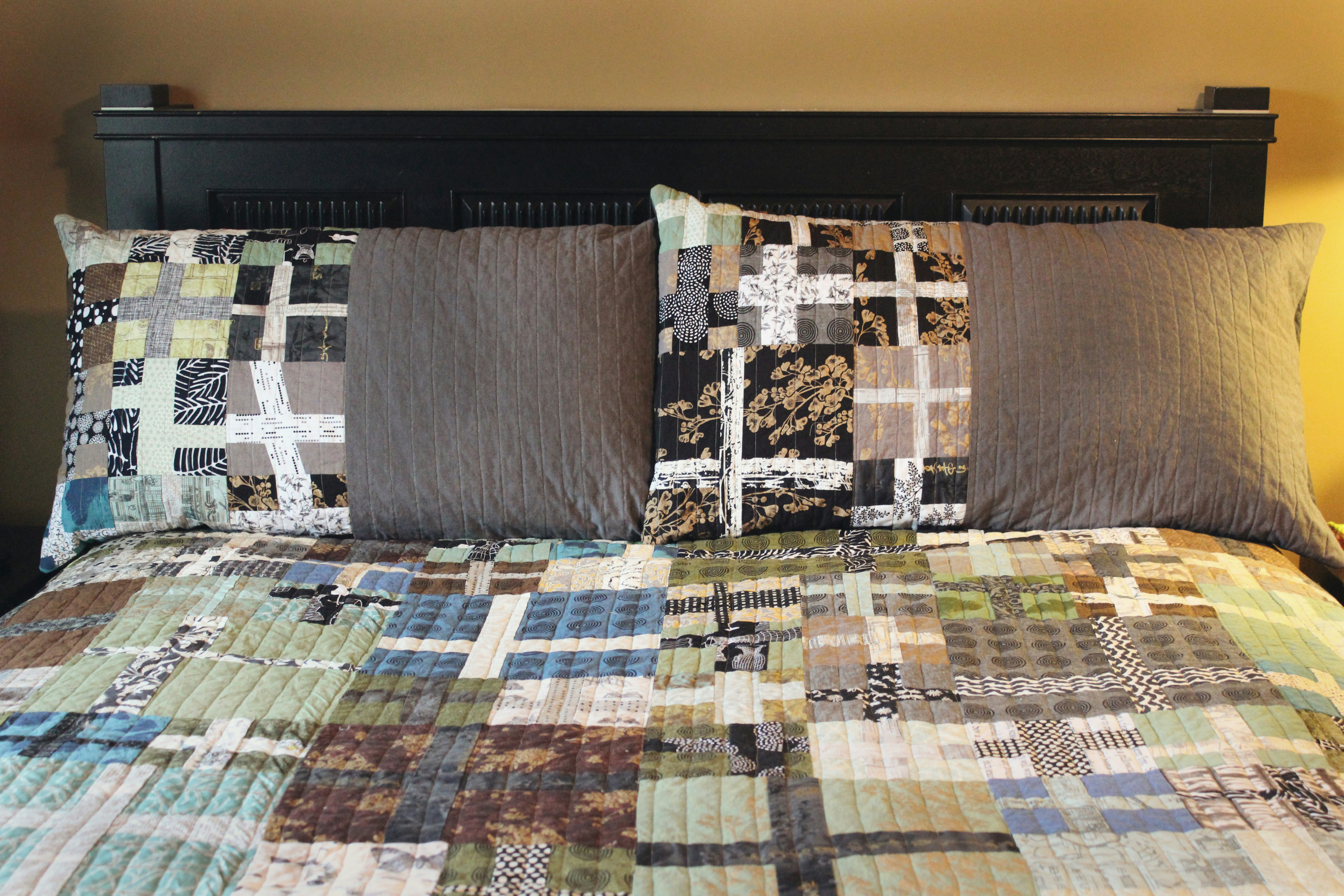
The primary categories of bedding include quilt vs doona, comforters, and blankets. Each of these bed coverings has unique characteristics that influence their suitability for various climates, seasonal changes, and personal preferences. Quilts, for instance, are typically lighter and constructed from multiple layers of fabric stitched together, making them an ideal option for those who enjoy a cozy yet breathable sleeping experience. This type of bedding often showcases intricate designs and patterns, contributing to the decor of the bedroom.
Doonas, on the other hand, are synonymous with duvets and are usually filled with down or synthetic materials, providing substantial warmth. Doonas offer versatility in layering and can be easily adjusted to suit the needs of varying temperatures. This adaptability makes them a favored choice for many households, particularly during the colder months. Understanding the properties and applications of each bedding type enables individuals to select options that enhance not only the warmth and comfort of their sleeping space but also the overall aesthetics of their bedroom.
Ultimately, the choice of bedding impacts the quality of sleep, mood, and the general ambiance within a home. Therefore, it is essential to evaluate not only the material composition and warmth level but also design elements when selecting the right bedding to fit personal tastes and lifestyle needs.
Defining Quilts
A quilt is a multi-layered textile that is traditionally composed of three distinct layers: a top layer, a middle layer of batting (insulation), and a backing layer. The top layer is often artfully pieced together from various fabrics, which can be sewn or embroidered to create intricate designs and patterns. This construction not only enhances the aesthetic appeal of quilts but also serves practical purposes by providing warmth and comfort during colder months.
Historically, quilts have been an integral part of various cultures, with origins tracing back to ancient civilizations. In medieval Europe, for instance, quilts evolved as a means to provide warmth and were commonly used on beds in households, with some examples displaying beautifully crafted designs that showcased the skills of the artisans. The tradition of quilting advanced significantly over the centuries, particularly during the 18th and 19th centuries in America, where quilting bees became communal events, fostering social interaction while producing functional and artistic bedding.
Quilts are typically made from natural fibers such as cotton, linen, or wool, which offer breathability and comfort. Today, modern quilts may also incorporate synthetic materials, making them easier to care for and more accessible to a wider audience. In addition to serving as functional bedding, quilts are often appreciated for their decorative qualities; they can enhance the aesthetic of a bedroom while serving as a creative way to express personal style. Many quilts are handed down through generations, imparting both practical value and sentimental significance to families.
Defining Doonas
A doona, often referred to as a duvet in many parts of the world, is a type of bedding that serves as a soft covering providing warmth and comfort during sleep. The design of a doona typically includes a thick, insulated covering that is filled with materials such as feathers, down, synthetic fibers, or wool. Its primary purpose is to act as a blanket that can also be used as a comforter, adapting to various seasonal needs.
The structure of a doona generally features a cotton or polyester outer shell that encloses the filling. This design allows for easy washing and maintenance, as many modern doonas are machine washable. It is important to note that doonas are often used without additional blankets, as they are sufficiently warm on their own. They are particularly popular in countries like Australia and New Zealand, where the term ‘doona’ is widely recognized.
In terms of terminology, the usage of the term ‘doona’ can vary significantly across geographic regions. For instance, while Australians generally use the term ‘doona,’ individuals in North America are more familiar with the term ‘duvet.’ Similarly, in the United Kingdom, it is common to refer to this type of bedding as a duvet as well. Despite these regional differences, the essential function and design principles of a doona and duvet remain equivalent.
Choosing between a doona and other types of bedding often comes down to personal preference and environmental factors, such as climate. For those who prefer a lightweight option, doonas are available in various thicknesses, ensuring that individuals can select an appropriate level of warmth for their needs.
Comparing Materials and Insulation
When deliberating between quilts and doonas, understanding the materials used and their respective insulation properties is vital for making an informed choice. Both quilts and doonas serve the primary function of providing warmth and comfort, but they often approach this objective differently based on their construction and materials.
Quilts typically comprise a top layer of fabric with a filling sandwiched between two layers, resulting in a flat, lightweight design. The filling can vary widely, including natural materials such as cotton and wool or synthetic options like polyester. Natural fiber fillings can offer superior breathability, allowing moisture to escape more effectively, while synthetic options may provide enhanced durability and ease of care. However, one must consider that natural fibers might be more prone to wear over time compared to synthetics.
Doonas, on the other hand, are often filled with down or a synthetic alternative, providing a fluffier, loftier appearance that contributes significantly to warmth without adding excessive weight. Down, which comes from duck or goose feathers, is renowned for its excellent insulation properties, offering a high warmth-to-weight ratio. This characteristic makes doonas an appealing choice for cold climates, particularly during winter months when warmth is paramount. Nevertheless, individuals with allergies may find synthetic fillings more suitable, as they tend to be hypoallergenic and easier to maintain.
Ultimately, the selection of materials impacts not only the insulation and warmth properties but also the overall comfort and usability of the bedding option. While loftiness and insulation are pivotal, other factors such as breathability and personal preference related to weight should also be accounted for when evaluating quilts and doonas. These considerations will guide an individual toward the bedding choice that best meets their specific needs.
Seasonal Considerations
When it comes to choosing between a quilt and a doona, understanding their performance across different seasons is crucial. Each option caters to varying climatic conditions, which can significantly enhance sleep quality and comfort.
In the summer months, a quilt is often the preferred bedding choice. Quilts are typically lighter and made from breathable fabrics, allowing for better air circulation. This quality helps to regulate body temperature and prevent overheating during warm nights. Additionally, the various patterns and textures available in quilts can add a touch of seasonal flair to your bedroom decor without the heaviness that a doona might bring.
Conversely, doonas are more suited for the colder months due to their thermal insulation properties. Filled with down or synthetic materials, doonas trap warmth effectively, ensuring that users remain cozy during chilly nights. The thickness and fill power of a doona can vary, allowing consumers to choose a model that suits their personal warmth preferences and the severity of the winter climate in their region.
For those living in regions with significant temperature variations, it may be beneficial to have both options readily available. During transitional seasons like spring and autumn, a lighter doona can offer the requisite warmth without being too stifling. Similarly, aiming for a medium-weight quilt can provide comfort during these periods when nights can still be brisk.
Ultimately, when making a decision between a quilt and a doona, consider the seasonal climate, personal comfort preferences, and sleeping habits. Assessing these factors will aid in selecting the bedding option that best meets your needs throughout the year.
Care and Maintenance of Quilts and Doonas
Proper care and maintenance are vital to extending the lifespan of both quilts and doonas. Each type of bedding material comes with its own set of requirements when it comes to washing, drying, and storing them. Understanding these guidelines ensures your bedding remains comfortable and looks its best.
When washing quilts, it is important to first check the care label for specific instructions. Most quilts made from cotton or polyester blends can be machine washed on a gentle cycle in cold water. Avoid using bleach or harsh detergents, as these can cause fading or damage to the fabric. For doonas, especially those filled with down or feathers, it is advisable to use a front-loading washing machine to prevent any tearing and maintain the integrity of the filling.
Drying methods also vary. Quilts generally do well in either air-drying or tumble-drying on a low setting, particularly if you want to fluff them up after washing. However, it is essential to ensure they are completely dry before storing to prevent mold and mildew. Doonas, on the other hand, typically benefit from air drying. If using a dryer, consider adding dryer balls to enhance loft and evenly distribute the filling.
Storage is another crucial aspect of care. Quilts should be folded and kept in a cool, dry place, ideally inside a breathable cotton bag to protect them from dust and pests. If you are storing doonas, consider using a larger cotton bag, providing enough space for the filling to retain its shape. Additionally, check your bedding periodically for any signs of wear or damage to address small issues before they develop into larger problems.
By following these care and maintenance guidelines for both quilts and doonas, you can ensure your bedding remains comfortable and well-preserved for years to come.
Aesthetic Appeal: Patterns and Designs
The visual aspects of bedding can significantly enhance the overall decor of a bedroom. When comparing quilts and doonas, both options offer a variety of patterns, colors, and designs, each capable of complementing different interior styles and personal preferences. Quilts, often renowned for their intricate stitching and patchwork patterns, reflect a more handmade and artisanal quality. The diversity in designs can range from traditional motifs to modern interpretations, allowing homeowners to express their unique style. Patterns such as floral, geometric, or vintage can serve as focal points in a room, inviting warmth and personality.
On the other hand, doonas provide a more streamlined aesthetic. Typically featuring solid colors or simple patterns, doonas are often chosen for their versatility. They can easily blend with contemporary decor or stand out as bold statements in a minimalist setting. The choice of color can influence the perceived mood of the room; for instance, warm tones like reds and oranges can create a cozy ambiance, while cooler shades such as blues and greens can evoke calmness and tranquility. The textures of doonas, whether smooth or slightly textured, also add a layer of visual interest without overpowering a room’s overall design.
Ultimately, the choice between a quilt and a doona can hinge on the desired aesthetic look. A quilt might be favored for its rich historical context and depth of design, making it suitable for traditional or vintage setups, while the doona’s clean lines and minimalist appeal may resonate more with modern decor enthusiasts. Personal style preferences play a crucial role, guiding individuals towards the bedding option that aligns with their aesthetic values and the overall harmony of their bedroom decor.
Cost Comparison and Value
When it comes to bedding, understanding the cost differences between quilts and doonas is essential for making the right choice tailored to your needs. Typically, quilts are often more affordable than doonas, primarily due to the difference in materials and construction. While quilts may be constructed from a variety of fabrics and fillings, doonas, also referred to as duvets, generally consist of higher quality materials, such as goose down or synthetic fills, which can increase their price significantly.
However, evaluating cost goes beyond the initial purchase price. When considering value for money, it is essential to look at longevity and durability. Typically, a high-quality doona can last for several years, often outliving a less expensive quilt. This longevity can make doonas a better investment over time, especially if they are properly maintained with regular cleaning and cover updates. On the other hand, quilts might be more suitable for those seeking short-term solutions or frequent seasonal changes, allowing for a diverse aesthetic without a significant financial commitment.
Investment considerations also play a crucial role in making an informed choice. While a quilt may initially seem budget-friendly, one must consider how often the bedding will need replacement or maintenance. Hence, individuals who prioritize value may find that investing in a durable doona could save money in the long run, as it needs fewer replacements. Assessing personal budget constraints against the desired quality and versatility is important for ensuring satisfaction with the purchase.
In conclusion, both quilts and doonas offer distinct advantages in terms of cost and value, and the decision should reflect personal preferences and financial considerations. Balancing immediate costs with expected longevity can lead to a more rewarding choice in bedding.
Conclusion and Recommendations
Understanding the differences between a quilt and a doona is crucial in making an informed decision for your bedding needs. Both options serve the primary purpose of providing warmth and comfort, yet they differ significantly in material, thickness, and style. Quilts are typically lighter and often feature intricate patterns or designs, making them a versatile choice for decorative purposes. This option may appeal to those who prefer a more flexible bedding solution that can be layered for added warmth without unnecessary bulk. Conversely, a doona, which is thicker and filled with materials such as down or synthetic fibers, offers substantial warmth and is ideal for colder climates.
When choosing between a quilt and a doona, it is essential to consider your personal needs and circumstances. If you reside in a warmer area or prefer a lightweight bedding solution, a quilt may be the optimal choice. Its adaptability allows for comfortable layering, ensuring you remain cozy without overheating. On the other hand, for individuals living in colder regions or those who prioritize warmth over all else, a doona would likely be more suitable. Its insulating properties provide immediate heat and cocoon-like comfort during chilly nights.
Additionally, consider your lifestyle preferences, such as ease of maintenance, aesthetic appeal, and budget. Some quilts can be easily washed at home, while doona covers allow for convenient cleaning without needing to wash the filling itself. Ultimately, the choice between a quilt and a doona comes down to individual preferences and practical considerations. Assess your requirements, and select the option that aligns with your comfort and style, thereby creating an inviting and restful sleeping environment.