Introduction to Performance Microfiber Sheets
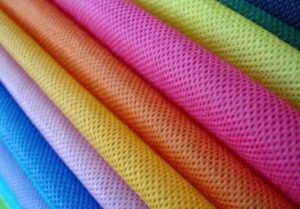
Performance microfiber sheets have emerged as a game-changer in the bedding industry, particularly appealing to budget hotels seeking cost-effective solutions. Constructed from ultra-fine synthetic fibers, these sheets blend polyester and polyamide, resulting in a remarkably soft and durable fabric. The microfiber composition allows for a lightweight feel, making them an ideal choice for hotels that aim to provide comfort without compromising on quality.
One of the standout characteristics of performance microfiber sheets is their exceptional ability to wick moisture away from the skin. This feature enhances guest comfort, ensuring a dry and cozy sleeping environment. Moreover, the tightly woven fibers are inherently resistant to wrinkles and stains, reducing the need for frequent laundering and maintaining an immaculate appearance. This is particularly advantageous for budget hotels that may face high turnover rates in rooms.
Additionally, the ease of care associated with microfiber sheets is an important factor for hospitality management. These sheets can be machine washed and dried easily, allowing hotels to streamline their housekeeping processes. With their quick-drying properties, performance microfiber sheets contribute to operational efficiency, enabling staff to prepare rooms more rapidly.
Furthermore, the affordability of microfiber sheets makes them an attractive option for budget hotels aiming to balance quality with cost considerations. This allows hotel owners to allocate their resources more effectively, directing funds towards other critical areas of service enhancement. As such, performance microfiber sheets not only enhance the aesthetic appeal of a hotel room but also significantly contribute to overall guest satisfaction.
In today’s competitive hospitality landscape, investing in performance microfiber sheets represents a strategic move for budget hotels looking to elevate their offerings without stretching their budgets too thin.
Benefits of Using Microfiber Sheets in Budget Hotels
Performance microfiber sheets have become a preferred choice for budget hotels due to multiple advantages that directly contribute to operational efficiency and enhanced guest satisfaction. One of the primary benefits is affordability. Budget hotels constantly strive to minimize costs while maintaining quality. Microfiber sheets are typically less expensive than traditional cotton alternatives, allowing these establishments to provide guests with comfortable bedding without overwhelming their financial resources.
Durability is another significant advantage of microfiber sheets. Unlike standard materials that are prone to wear and tear, microfiber is known for its longevity, withstanding numerous washes while maintaining their original appearance and softness. This durability means that budget hotels do not need to replace linens as frequently, leading to reduction in expenses and labor associated with changing out worn-out sheets. The investment in high-quality microfiber sheets translates to long-term savings and better inventory management.
Easy maintenance is also a key benefit that aligns well with the operational needs of budget hotels. Microfiber sheets dry quickly and require minimal ironing, which expedites laundry processes. This efficiency can enhance turnaround times, ensuring that rooms are ready for the next guests without delay. Furthermore, microfiber sheets are highly resistant to stains and dirt, making them easier to clean and maintain, thereby supporting a hygienic environment for guests.
Finally, comfort cannot be overlooked. Microfiber sheets are renowned for their softness and breathability. Many guests appreciate the plush feel and ability of the material to wick away moisture, leading to a more comfortable sleep experience. This comfort contributes positively to guest reviews and ratings, which are critical to the success of budget hotels. Overall, the benefits of using microfiber sheets not only enhance the guest experience but also improve operational efficiency for budget hotels.
Cost Analysis: Microfiber vs. Traditional Bedding
When evaluating the bedding options available for budget hotels, two primary materials come to mind: microfiber and traditional cotton sheets. Understanding the cost implications of these materials is crucial for hotel managers who aim to optimize their expenditures whilst providing quality accommodations. This analysis examines initial purchase costs, lifespan, laundry costs, and overall value for money to aid those responsible for procurement decisions.
Initially, microfiber sheets often present a more cost-effective option compared to cotton sheets. Microfiber is typically less expensive to manufacture, translating into lower prices for hotel purchases. This initial savings can be significant, especially for budget hotels that strive to manage tight profit margins. In contrast, traditional cotton sheets, while renowned for their breathability and softness, can have a higher upfront cost, potentially deterring managers from investing in quality bedding.
Lifespan is a critical factor when analyzing bedding costs. Microfiber sheets tend to be durable and resistant to wear and tear, which allows them to last longer under constant usage without showing signs of degradation. On the other hand, cotton sheets, while comfortable, may not withstand repeated laundering as effectively over time. Consequently, the longevity of microfiber may result in reduced replacement frequency, offering a financial advantage in the long run.
Furthermore, laundry costs can heavily influence the overall costing framework for hotel linens. Microfiber bedding typically dries quicker than cotton due to its synthetic composition, resulting in lower energy consumption during the drying process. This can lead to substantial savings, particularly for budget hotels that often face high operational expenses. Conversely, cotton requires more energy and time to dry, potentially increasing laundry expenses.
In terms of overall value, the combination of initial cost savings, durability, and lower operational costs positions microfiber sheets as a viable alternative to traditional cotton bedding for budget hotels. Ultimately, it is vital for hotel managers to weigh these factors carefully to make informed purchasing decisions that align with their financial strategies.
Guest Experience: How Microfiber Sheets Impact Comfort
When it comes to the hospitality industry, guest satisfaction is paramount, and the bedding provided plays a crucial role in achieving that goal. Microfiber sheets, known for their unique properties, have gained popularity among budget hotels seeking to enhance the overall guest experience without breaking the bank. The softness of microfiber sheets is often the first feature guests notice upon entering their rooms. Unlike traditional cotton sheets that may require several washes to achieve a desired softness, microfiber offers an exceptionally smooth texture from the moment it is placed on the bed. This immediate comfort can significantly impact a guest’s perception of their stay.
Moreover, the moisture-wicking properties of microfiber sheets contribute positively to a guest’s comfort level. This material is designed to draw moisture away from the skin, a feature appreciated particularly by individuals who tend to sleep hot. The moisture-wicking capability allows for a drier sleeping environment, helping guests to maintain a comfortable body temperature throughout the night. Consequently, guests can wake up feeling refreshed and less prone to discomfort caused by excessive heat or humidity.
Temperature regulation is another advantage associated with microfiber sheets. Research indicates that sleeping on fabrics that provide better thermal comfort can lead to improved sleep quality, which is directly linked to overall guest satisfaction during their stay at a hotel. Furthermore, testimonials from guests emphasize that microfiber sheets help create a cozy, inviting atmosphere, making nighttime routines more enjoyable and restful.
In terms of guest experience, the integration of microfiber sheets fosters a perception of quality and indulgence, particularly appreciated by travelers on a budget. The combination of softness, moisture-wicking properties, and temperature regulation ensures that guests remain comfortable, ultimately enhancing their stay, making microfiber sheets an effective solution for budget hotels looking to improve overall guest contentment with their accommodations.
Sustainability Considerations for Budget Hotels
In recent years, the hospitality industry has increasingly recognized the importance of sustainability, particularly regarding the materials utilized in guest accommodations. For budget hotels seeking cost-effective solutions, performance microfiber sheets present a viable option that balances both affordability and environmental responsibility. Unlike traditional bedding materials, microfiber sheets are made from synthetic fibers, primarily polyester, which are created through a specialized manufacturing process that usually requires fewer resources, resulting in a lower carbon footprint.
The production of microfiber sheets typically involves less water and energy compared to cotton and other natural fibers. This is a significant factor, as the textile industry is one of the largest consumers of water globally. Moreover, microfiber sheets are designed to be durable and maintain their quality even after numerous washing cycles. This longevity means reduced frequency of replacement, further decreasing waste and promoting sustainable practices within budget hotels. By investing in high-quality microfiber sheets, hotels can offer their guests comfortable accommodations while simultaneously contributing to a reduction in textile waste.
Recyclability is another essential aspect to consider. While traditional bedding, such as cotton, has the advantage of being biodegradable, synthetic materials like microfiber require special attention to ensure they are disposed of correctly. However, many manufacturers are now exploring innovative recycling programs that allow for the reprocessing of microfiber sheets. Budget hotels can leverage these options as part of their sustainability initiatives, ensuring responsible end-of-life management for their bedding materials.
In summary, budget hotels can integrate microfiber sheets into their sustainability strategies by understanding their environmental benefits. By selecting these cost-effective solutions, they demonstrate their commitment to eco-friendly practices, achieving an optimal balance between guest comfort and environmental stewardship.
Best Practices for Care and Maintenance of Microfiber Sheets
Maintaining the quality and longevity of microfiber sheets in budget hotels requires adherence to specific care protocols. Proper washing, drying, and storage techniques can prolong the lifespan of these cost-effective bedding solutions while ensuring guest satisfaction.
When it comes to washing microfiber sheets, it is essential to follow the manufacturer’s instructions, typically found on the care label. Most microfiber sheets should be washed in cold or warm water to prevent damage to the fibers, which can lead to reduced softness and performance. Utilizing a gentle detergent can help maintain the sheets’ integrity without leaving residues that may cause allergies or irritations for guests. Avoid using fabric softeners or bleach, as these can deteriorate the microfiber material over time.
Regarding drying, it is advisable to use a low-heat setting in the dryer to ensure microfiber sheets remain soft and durable. High temperatures can cause the fibers to melt or shrink, compromising their ability to wick moisture and provide comfort. For those who prefer air drying, hang the sheets in a well-ventilated area, ensuring they are not exposed to direct sunlight for extended periods, as this can lead to fading and degradation of the fabric. It is essential to avoid over-drying, which can make the sheets feel stiff.
Storage practices also play a vital role in preserving microfiber sheets. Once clean and dry, sheets should be folded neatly and stored in a cool, dry place to prevent mildew and odors. It is beneficial to keep them in breathable storage bags rather than plastic containers, which can trap moisture. By implementing these care and maintenance practices, budget hotels can ensure their microfiber sheets remain in optimal condition, providing guests with a comfortable sleeping environment while maximizing the return on investment.
Customer Reviews and Case Studies
In recent years, budget hotels have increasingly turned to microfiber sheets as a cost-effective bedding solution. Customer reviews and case studies reveal their significant impact on guest satisfaction and operational efficiency. Feedback from hoteliers who have implemented microfiber sheets into their bedding inventory underscores their advantages, providing real-life insights that strengthen the argument in favor of microfiber options.
One notable case study involves a budget hotel chain that replaced traditional cotton sheets with microfiber alternatives. Following the transition, management reported a 30% decrease in laundry costs, primarily due to the quicker drying times associated with microfiber sheets. Guests have also expressed appreciation for the softness and breathability of the sheets, resulting in an increase in positive ratings on review platforms. A hotel manager stated, “We’ve received countless compliments about the bedding’s comfort, and it has positively influenced our overall guest experience.”
Moreover, reviews from various online travel sites highlight a consistent theme: guests appreciate the quality and maintenance of microfiber sheets. One patron commented, “I didn’t expect such high-quality sheets at a budget hotel. They were soft and did not wrinkle, which made my stay even more pleasant.” Such feedback indicates that microfiber sheets not only meet guests’ comfort standards but also align with the operational goals of budget hotels. This harmony is essential for maintaining a competitive edge in the hospitality industry.
Overall, the positive testimonials and substantial case studies suggest that the adoption of microfiber sheets can lead to enhanced guest experiences and reduced operational expenses. By investing in these economical and high-quality sheets, budget hotels can ensure their bedding inventory meets the expectations of their clientele while also maintaining a profitable business model.
Choosing the Right Microfiber Sheets for Your Hotel
When selecting microfiber sheets for budget hotels, hotel managers must consider several essential factors to ensure they are making a wise investment. One of the primary considerations is the thread count, which can influence both the softness and durability of the sheets. Generally, a higher thread count indicates a denser, softer fabric, typically ranging between 150 to 800 threads per square inch for quality microfiber sheets. However, it is important to balance thread count with other quality indicators, as excessively high counts may not always translate into better comfort or longevity.
Another aspect to evaluate is the material composition of the microfiber. Superior quality microfiber sheets are often made from a blend of polyester and polyamide, offering not only exceptional softness but also breathability and wrinkle resistance. It is recommended to seek sheets labeled as “100% microfiber” to ensure you are purchasing a product designed for hospitality use, which tends to maintain its appearance and feel over numerous washes.
Durability is another key factor when sourcing microfiber sheets for budget hotels, as sheets are subjected to repeated laundering and usage. Opting for sheets with reinforced stitching can significantly enhance their longevity, reducing the frequency of replacements. Additionally, discussing supplier warranties can provide insight into their confidence in product durability, as a reputable supplier will often offer guarantees or return policies that protect the investment.
Finally, consider supplier recommendations based on previous customer experiences. Engaging with industry peers or conducting thorough research can lead to identifying suppliers who specialize in microfiber sheets tailored to hospitality needs. Customer reviews and product ratings can further guide this selection process, enabling hotel managers to gauge the sheets’ overall quality and performance in a competitive market.
Conclusion: The Future of Bedding in Budget Hospitality
As we have explored throughout this discussion, performance microfiber sheets present numerous advantages for budget hotels, combining cost-effectiveness with the ability to enhance guest satisfaction. These sheets are not only affordable but also offer durability and comfort, which are essential elements when selecting bedding options for budget-conscious accommodations. The lightweight nature and easy maintenance of microfiber sheets reduce operational costs for hotels, thereby allowing them to maintain high-quality standards without straining their budget.
Future trends within the budget hospitality sector will likely see an increased adoption of microfiber sheets as hotel operators continue to seek innovative ways to improve guest experiences while keeping costs low. The hospitality industry is undergoing constant evolution, where maintaining an appealing accommodation environment increasingly depends on the quality of bedding products. Performance microfiber sheets respond to this need well, providing a balance between affordability and comfort, which is critical in influencing guest reviews and repeat bookings.
Furthermore, with growing awareness about sustainability, future developments in performance microfiber materials may lead to eco-friendly production processes, aligning with customer preferences for environmentally responsible choices. Therefore, hotels investing in such bedding solutions now will not only benefit in terms of immediate cost savings but may also adapt to future market demands for sustainable practices.
In summary, the use of performance microfiber sheets in budget hotels exemplifies a practical, economically viable strategy that meets the dual objectives of quality and affordability. As the hospitality landscape progresses, embracing such solutions may define the future of bedding in this sector, ultimately shaping guest experiences and influencing booking decisions.