Introduction to Muslin Material
Muslin is a versatile and lightweight cotton fabric that has a rich history and numerous applications across various industries. Originating from the Indian city of Mosul, muslin has been utilized since ancient times, primarily for its soft texture and durability. The fabric first gained popularity in Europe during the Middle Ages and the Renaissance, where it was esteemed for its fine quality and was often associated with luxurious garments.
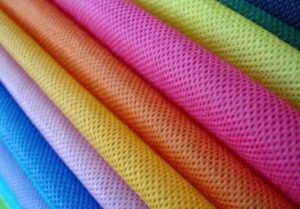
Essentially made from cotton fibers, muslin can be woven in various ways, resulting in different weights and textures. It is generally characterized by a plain weave, which contributes to its breathability and softness. The fabric can be classified into different grades based on its weight, with lighter versions being ideal for delicate garments and heavier grades often used for upholstery or quilting. Moreover, muslin can appear in various forms, including bleached, unbleached, and colored, catering to diverse aesthetic needs.
Compared to other fabrics, muslin stands out due to its unique qualities. While similar to other cotton textiles, such as calico or cotton voile, muslin offers a crisper feel and has a more pronounced texture. Its lightness makes it suitable for layering, and it is often employed in the fashion industry for making prototypes and sample garments, as its drape allows designers to visualize patterns more effectively. In addition to fashion, muslin is utilized in culinary arts, photography, and home decor, affirming its broad relevance across multiple sectors.
Understanding the intrinsic properties and multifaceted applications of muslin is essential for grasping its significance in contemporary textile production and design. This knowledge not only enhances appreciation for the fabric but also highlights its timeless appeal and functional flexibility.
Different Types of Muslin
Muslin is a versatile fabric that exists in various types, each offering unique properties and applications. Understanding the different types of muslin can guide individuals in selecting the right option for their specific needs.
One of the most common types is cotton muslin. Known for its affordability and breathability, cotton muslin is widely used in quilting, pattern making, and crafting. It is available in different weights, with lighter options ideal for delicate tasks and heavier varieties suitable for more robust applications. Cotton muslin is also favored for its ability to absorb dyes well, resulting in vibrant colors in finished products.
Another notable type is silk muslin, which boasts a luxurious feel and elegant drape. This variant is often used in high-end fashion and bridal wear, as it provides a soft, ethereal quality to garments. Silk muslin tends to be lightweight and sheer, making it an excellent choice for layering or creating delicate details in clothing. However, it requires gentle handling during washing and care due to its delicate fibers.
Furthermore, there exists a type known as polyester muslin, which combines the natural characteristics of traditional muslin with the durability and wrinkle resistance of synthetic fibers. This makes polyester muslin ideal for backdrops and decorations in event planning and photography, where longevity and ease of maintenance are paramount.
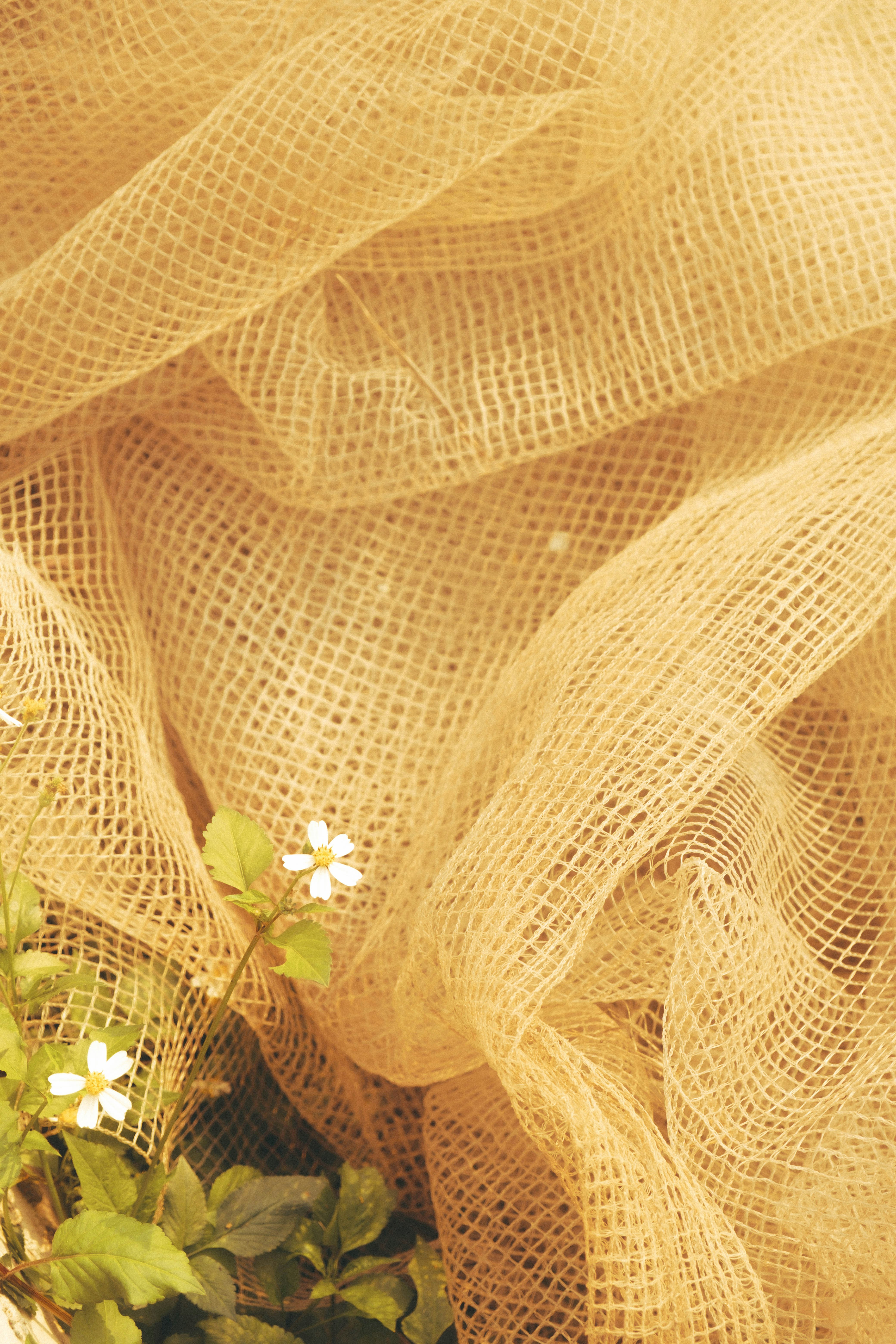
Lastly, there are specialized muslins like cheesecloth muslin used predominantly in culinary applications for straining liquids or wrapping cheese. This variant is highly permeable and usually comes in different grades based on its weave tightness. Each type of muslin holds unique advantages, and understanding these distinctions allows for informed choices to be made based on the intended application.
Uses of Muslin in Fashion and Apparel
Muslin material is a fundamental fabric in the fashion industry, valued for its diverse applications in garment making, draping, and pattern-making. Its versatility allows designers and tailors to create prototypes and fittings with ease, significantly enhancing the garment development process. The lightweight nature of muslin makes it ideal for initial designs where fluidity and ease of manipulation are paramount.
One of the primary uses of muslin in fashion is for draping. Designers often utilize muslin to experiment with the silhouette and fit of garments on a dress form. This informal creation method allows for adjustments and fine-tuning before committing to more expensive fabrics. Since muslin is typically less costly than high-end textiles, it serves as an economical option for exploring design possibilities. Furthermore, its breathable quality makes it comfortable for wearers when used in initial fittings, ensuring that adjustments can be made without compromising the overall comfort.
Additionally, muslin is commonly employed for making patterns. Fashion designers create detailed patterns on muslin to accurately visualize how the final garment will appear. This technique not only provides a clear representation of the design but also allows for any necessary modifications prior to final production. The ease of cutting, sewing, and altering muslin means that it is particularly advantageous in the iterative process of design, where adjustments are often frequent and necessary.
Ultimately, muslin serves as an essential staple in a designer’s toolkit, providing a reliable medium for experimentation and refinement in fashion. Its adaptability and functionality in the processes of draping, fitting, and pattern-making make it a highly regarded fabric within the garment industry, ensuring that it will continue to be a valuable resource for both emerging and established designers alike.
Muslin in Home Decor and Upholstery
Muslin material has garnered attention in the realm of home decor and upholstery due to its unique blend of qualities, making it an ideal choice for various applications around the house. This lightweight cotton fabric is not only breathable but also incredibly versatile, allowing designers and homeowners alike to explore a wide array of decorative possibilities. Its natural finish provides a soft texture, adding warmth and comfort to living spaces.
One of the most prominent uses of muslin in home textiles is for curtains. The fabric’s ability to filter natural light while maintaining privacy is especially appealing in living rooms and bedrooms. Muslin curtains can create an airy atmosphere, making rooms feel larger and more inviting. Additionally, this fabric is easy to dye or print on, which means homeowners can customize their curtains to fit almost any color scheme or design theme they envision.
Pillowcases made from muslin offer another charming application. The softness of the fabric against the skin provides a luxurious touch, making them comfortable for restful nights. Moreover, muslin’s durability ensures that these textiles will withstand washing and repeated use without losing their appealing texture or color. For those looking to embrace a more sustainable lifestyle, muslin can be an eco-friendly option, given its natural fiber composition.
In upholstery, muslin serves as an excellent fabric choice for covering furniture. Its sturdy yet flexible nature allows for the creation of upholstered pieces that are both stylish and functional. Muslin can be used as a base fabric for slipcovers, accent chairs, and cushions, offering a casual elegance that pairs well with various interior styles. To integrate muslin into home designs effectively, consider mixing it with other textiles, such as linen or velvet, to create depth and contrast. Overall, incorporating muslin into home decor can significantly elevate the aesthetic appeal while maintaining a sense of comfort and practicality.
Culinary Uses of Muslin
Muslin fabric has garnered significant attention in the culinary world due to its versatility and practical applications. Its lightweight, breathable structure and fine weave allow it to serve various essential purposes in food preparation and presentation. One of the most prominent uses of muslin is in cheese-making, where it acts as an efficient tool for straining curds from whey. The fabric’s loose weave provides the necessary filtration while allowing the whey to escape, resulting in a creamy texture and optimal cheesemaking process.
Beyond cheese-making, muslin is also widely employed for straining liquids such as broths, stocks, and juices. When there is a need to separate solids from liquids, muslin proves to be an invaluable asset. Its fine texture ensures that even small particles are caught, resulting in a smooth and refined end product. This characteristic makes it ideal for preparing clear consommes and flavorful vegetable or fruit juices that demand clarity and purity.
Additionally, muslin is instrumental in tying herb bundles, a method commonly utilized in culinary practices for flavor infusion. Culinary professionals often find themselves using muslin to create sachets filled with herbs and spices, allowing them to impart flavor into dishes without leaving behind any residue. This method enhances the overall cooking experience while ensuring easy removal of flavoring agents after cooking is complete, promoting hygiene and convenience in the kitchen.
Furthermore, muslin’s reusability adds to its appeal in culinary scenarios. It can be easily washed and maintained, which aligns with modern kitchen sustainability practices. Consequently, muslin fabric emerges as a resourceful tool, enabling both amateurs and professional chefs to elevate their culinary creations without compromising hygiene or functionality.
Muslin in Art and Craft Projects
Muslin, a lightweight, breathable fabric, is garnering attention for its extensive use in art and craft projects. Its affordability and versatility make it a favored choice among artists and crafters alike. The fine weave of muslin serves as an excellent painting surface, offering a texture that can capture both color and detail effectively. Artists who opt for muslin as a canvas appreciate its ability to absorb paints, making it suitable for various mediums, including acrylics, watercolors, and fabric paints.
Additionally, muslin proves itself invaluable in the quilting community. Quilters often employ muslin as a backing fabric due to its durability and smooth finish, providing a clean backdrop for intricate designs and patterns. Furthermore, its availability in large bolts ensures that quilters can acquire large quantities without breaking the bank. Muslin can also serve as an effective stabilizer for embroidery projects, adding stability during the stitching process while remaining lightweight so as not to interfere with the drape of the fabric.
In the realm of creative DIY projects, muslin can be transformed into various decorative item such as custom table runners, cushion covers, or even wall hangings. Crafters can easily dye or print on muslin, allowing them to create personalized home decor that suits their taste and style. Its ease of use is further accentuated by the fact that it can be cut, sewn, and manipulated without fraying, making it a practical choice for novice and experienced artisans alike.
The possibilities are endless when it comes to using muslin in arts and crafts. With its affordability and adaptability, muslin has established itself as a staple material, enriching the artistic endeavors of many. Whether you are painting, quilting, or engaging in DIY projects, muslin can be an excellent alternative to more expensive materials, opening up a world of creativity.
Care and Maintenance of Muslin Fabric
Muslin fabric is renowned for its versatility and delicate texture, making it a popular choice for a variety of applications, including clothing, home décor, and crafts. To ensure the longevity of muslin items, proper care and maintenance are essential. Adopting suitable washing practices can help keep muslin looking fresh and vibrant.
When washing muslin, it is advisable to use a gentle cycle with cold water to prevent shrinkage and maintain the fabric’s integrity. Utilizing a mild detergent is recommended, as harsh chemicals may degrade the fibers over time. It is best to wash muslin items separately or with similar colors to avoid color bleeding, given muslin’s absorbent nature.
For stain removal, it is important to act quickly. Blot the stain gently with a clean cloth to absorb as much of the spill as possible. A mixture of lukewarm water and mild detergent can be applied using a soft cloth. Avoid vigorous scrubbing as it could damage the fabric; instead, opt for a dab-and-blot approach. In instances of stubborn stains, testing a small inconspicuous area before full application is advisable.
Ironing muslin requires extra care to maintain its soft texture. It is recommended to iron the fabric while slightly damp, as this will help smooth out wrinkles without risking scorching. Set the iron to a low temperature and use a pressing cloth if necessary to protect the fabric. If storing, it is preferable to hang muslin items or fold them neatly to avoid creasing, and keeping them in a cool, dry place will further prolong their quality.
By following these care guidelines, individuals can ensure that their muslin items retain their beauty and functionality throughout their use. Proper maintenance enhances the fabric’s natural properties, allowing it to continue serving various purposes effectively.
Sustainability of Muslin Material
Muslin, primarily made from cotton, stands out as a sustainable textile choice due to the natural properties of cotton fibers. The cultivation and processing of cotton have significant implications for the environment. Ethically sourced cotton not only reduces the ecological footprint but also promotes sustainable agricultural practices. By choosing muslin, consumers support farming techniques that prioritize the health of the soil, preservation of water resources, and reduced use of harmful chemicals. Organic cotton, which is often used to make muslin, is grown without synthetic pesticides and fertilizers, resulting in less pollution and improved biodiversity.
The production methods of muslin further enhance its sustainability. In many regions, the weaving of muslin is done using traditional techniques that require less energy, as opposed to commercial mass production processes. This craftsmanship leads to a lesser carbon footprint and a more sustainable life-cycle for the fabric. Muslin can also be dyed naturally or left undyed, minimizing the impact of chemical dyes, which are prevalent in synthetic textiles. Choosing muslin over synthetic materials, which often involve petroleum-based products, reduces reliance on non-renewable resources and supports a more circular economy.
Moreover, muslin’s biodegradable nature provides an important advantage in the context of environmental sustainability. Unlike synthetic fibers, muslin breaks down naturally and does not contribute to long-lasting waste in landfills. This feature aligns with growing consumer demand for eco-friendly products. By opting for muslin, individuals can make conscious decisions that not only suit their personal needs but also adhere to broader ethical standards aimed at reducing environmental degradation. Consequently, muslin not only exemplifies practicality and versatility but also champions an environmentally responsible approach in the textile industry.
Conclusion: The Timeless Appeal of Muslin
Muslin fabric stands out as an incredibly versatile material that has proven its worth across various industries and uses throughout history. Its origins date back centuries, finding its way into the hands of artisans and designers worldwide. The unique characteristics of muslin, such as its breathability, softness, and adaptability, make it an excellent choice for a wide range of applications, from clothing and accessories to home decor and artistic projects.
In the realm of fashion, muslin’s lightweight nature allows for comfortable wear, making it a popular choice for summer garments and layered outfits. Additionally, its ability to be easily dyed and printed on opens doors to endless design possibilities, appealing to both traditional and contemporary fashion enthusiasts. Muslin has also become a staple for sewing enthusiasts who appreciate its affordability and ease of use, particularly for mockups and prototypes before committing to final designs.
In home decor, muslin’s natural texture provides a soft, inviting atmosphere. It works beautifully for curtains, cushion covers, and table linens, enhancing the aesthetic appeal of any space. Its durability and ease of maintenance further add to its practicality, making it a reliable choice for high-use areas. Meanwhile, in the craft world, muslin is often employed for crafting and DIY projects, from bags to dolls, underscoring its role as a favored material for artists and hobbyists alike.
As we reflect upon muslin’s significance, it becomes evident that its applications are vast and varied. The timeless appeal of muslin transcends trends, making it a relevant choice for anyone looking to incorporate quality fabric into their lives. Whether you are a seasoned designer or a curious beginner, muslin presents endless opportunities for creativity and practical use.