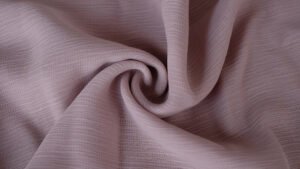
Introduction to Milk Silk Fabric
Milk silk fabric is an innovative textile that has gained attention in the fashion world due to its unique properties and aesthetic appeal. This fabric is derived from the casein protein found in milk, which is processed and transformed into a fiber that mimics the luxurious feel of silk. The production of milk silk fabric presents an eco-friendly alternative to traditional textiles, utilizing a renewable resource in its creation.
The composition of milk silk consists primarily of protein fibers, which are known for their exceptional softness and smooth texture. Unlike conventional fabrics such as cotton or polyester, milk silk offers a unique combination of breathability and moisture-wicking properties, making it an ideal choice for clothing designed for comfort and elegance. The use of milk in the fabric’s production also enriches the material with vitamins and minerals, further enhancing its appeal to consumers concerned about skin health.
Additionally, milk silk fabric is recognized for its lightweight nature, providing a comfortable wear that is especially suited for warm climates. Its ability to drape beautifully allows designers to create flowing silhouettes, while its subtle sheen adds a touch of sophistication to any garment. The versatility of milk silk extends beyond clothing; it is also used in the production of various home textiles, including bed linens and decorative accessories, contributing to its rising popularity.
In recent years, the fashion industry has embraced milk silk fabric for its luxurious feel and sustainable origins. As consumers increasingly seek eco-friendly options, the demand for this innovative textile is likely to continue growing. By blending traditional aesthetics with modern sustainability, milk silk represents a promising development in the evolution of fabric technology.
What is Cotton Fabric?
Cotton fabric is a textile made from the fibers of the cotton plant, primarily derived from its bolls— the protective capsules that contain the seeds. This fabric is known for its soft texture and breathability, making it a popular choice in the textile industry. Cotton has been cultivated for thousands of years and is one of the most widely used natural fibers in clothing and home textiles.
The advantages of cotton fabric include its comfort, as it allows the skin to breathe, providing a cool feeling in warm weather. Additionally, cotton holds dye well and retains color, leading to vibrant patterns and shades that are visually appealing. Moreover, cotton is generally hypoallergenic, making it a suitable option for individuals with sensitive skin.
Nevertheless, cotton does come with certain disadvantages. One notable drawback is its tendency to wrinkle easily, which can detract from the overall appearance of garments. Compared to synthetic fabrics like polyester, cotton is often less durable and can wear out more quickly, especially under conditions of heavy use or prolonged exposure to harsh environments. Furthermore, cotton typically requires more water and pesticides to cultivate, raising concerns about its environmental impact.
In contemporary fashion, cotton remains a staple, commonly used in t-shirts, jeans, dresses, and various types of home textiles, such as bed linens and towels. While cotton has its merits and drawbacks, understanding these factors is essential for discerning consumers striving to make eco-conscious and comfortable choices in their clothing and homeware selections.
Understanding Polyester Fabric
Polyester fabric is a widely utilized synthetic textile derived from the polymerization of ester monomers. The manufacturing process typically involves a combination of crude oil-based resources, which are converted into polymers through chemical reactions. This process enables the production of high-performance fibers known for their versatility and durability. Polyester is favored in a myriad of applications, ranging from clothing to home textiles, due to its robust characteristics and relatively low production costs.
One of the primary properties of polyester is its impressive durability. This fabric is resistant to a range of environmental factors, including abrasion and fading, ensuring that garments retain their appearance and functionality over time. Additionally, polyester possesses exceptional wrinkle resistance, allowing garments to maintain their shape and crispness even after multiple washes. This quality makes it an attractive choice for busy individuals seeking low-maintenance clothing options.
Another significant characteristic of polyester is its moisture-wicking ability. Polyester fibers can efficiently draw sweat away from the skin, making it a popular option for activewear and sports clothing. This property assists in regulating body temperature and enhancing comfort during physical activities. However, despite its advantages, polyester also comes with certain drawbacks. One notable limitation is its reduced breathability compared to natural fibers such as cotton or silk. As a result, polyester can retain heat and moisture, potentially leading to discomfort in warmer environments.
In summary, polyester fabric exemplifies a balance of durability, moisture management, and ease of care, establishing its dominance in the textile industry. Understanding the key properties and manufacturing processes of polyester provides valuable insight into why it remains a popular choice for both clothing and home furnishings.
Comparative Analysis: Milk Silk vs. Cotton
Milk silk and cotton are two popular fabrics, each with their own distinct characteristics and uses. When examining the texture of the two, milk silk is notably smoother and softer, often compared to the luxurious feel of silk. This is due to its composition, which includes casein protein derived from milk, giving it a unique softness that cotton, while comfortable, may not achieve. Cotton, on the other hand, has a more textured feel that can vary between types but generally lacks the silky smoothness of milk silk.
Breathability is another important factor to consider. Cotton is widely regarded for its breathable properties, making it a preferred choice for warm weather clothing. It allows air to circulate and helps to wick moisture from the body. Milk silk also possesses good breathability but may not match the effectiveness of cotton in humid environments. However, milk silk excels in moisture absorption, as it can wick away perspiration while remaining dry to the touch, making it comfortable in varying conditions.
From an environmental perspective, cotton is often criticized for its water-intensive cultivation process and the reliance on pesticides, which can lead to soil degradation. Milk silk, being derived from a renewable resource, offers a more sustainable alternative, as the production process utilizes waste products from the dairy industry, thereby reducing environmental impact.
When it comes to overall comfort, both fabrics are comfortable to wear, but milk silk’s softness may provide an edge. However, costs can vary considerably; cotton is generally more affordable due to its widespread cultivation and availability, whereas milk silk, being a niche product, may be priced higher, appealing to environmentally-conscious consumers looking for luxury and comfort.
In summary, while both milk silk and cotton have their advantages and disadvantages, the choice largely depends on individual preferences, budget considerations, and specific use cases.
When comparing milk silk fabric to polyester, several key aspects must be considered, including durability, shine, maintenance, and eco-friendliness. Milk silk is a relatively new fabric made from milk proteins, offering a unique blend of aesthetics and functionality. On the other hand, polyester is a widely used synthetic fabric, well-known for its robust properties.
In terms of durability, polyester generally outperforms milk silk. Polyester fabrics are resistant to wear and tear, making them suitable for everyday use and long-lasting garments. Milk silk, while also durable, is slightly less resilient compared to synthetic fibers. However, its softness adds a luxurious feel, ideal for delicate clothing items.
Shine is another important differentiator. Milk silk has a natural luster that gives it a sophisticated appearance. This quality is often sought after for evening wear and formal dresses. Polyester can be made to mimic this shine; however, its glossy finish tends to appear less organic compared to the sheen of milk silk.
Regarding maintenance, polyester is often favored for its ease of care. It is machine washable, quick-drying, and resistant to wrinkles, making it an excellent choice for those who prefer low-maintenance fabrics. Milk silk, though, may require more delicate handling, including hand washing or dry cleaning, to maintain its texture and finish.
Finally, eco-friendliness is an increasingly important consideration for consumers. Milk silk is made from renewable resources and is often touted as a sustainable alternative to traditional fabrics. Polyester, made from petrochemicals, raises concerns due to its environmental impact and potential biodegradability issues. Thus, in this comparative analysis, milk silk may be the preferable choice for those prioritizing eco-conscious consumption.
Care and Maintenance of Milk Silk Fabric
Milk silk fabric, known for its luxurious texture and sheen, requires specific care instructions to maintain its quality and extend its lifespan. Unlike cotton and polyester, which are more resilient and can withstand tougher cleaning methods, milk silk necessitates a gentler approach. When washing milk silk items, it is advisable to follow a hand-wash technique using cold water and mild detergent. This method prevents damage to the fibers, preserving both the fabric’s softness and its vibrant colors.
When it comes to machine washing, if the label permits, use a delicate cycle with similar color garments, ensuring the temperature remains cool. Avoid fabric softeners as they may alter the fabric’s natural properties. After washing, refrain from wringing the fabric, as this can cause stretching or distortion. Instead, gently press out excess water and lay the fabric flat on a clean towel to absorb moisture.
Drying milk silk should be done cautiously; it is best to air dry the fabric in a shaded area away from direct sunlight. This helps prevent fading and damage caused by UV rays. Unlike cotton, which can handle a tumble dryer, milk silk does not tolerate high heat and may shrink or lose its shape if subjected to such conditions. Ironing milk silk requires careful attention as well. It is recommended to iron the fabric while it is slightly damp, using a low-temperature setting to maintain the integrity of the fibers. Placing a clean cloth over the fabric while ironing also serves to protect it from direct heat. Comparatively, cotton and polyester fabrics can endure higher temperatures, thus requiring different care methods that can potentially be damaging to milk silk. Proper care and maintenance will ensure that your milk silk fabric remains beautiful and lasts for years.
Applications of Milk Silk Fabric
Milk silk fabric has garnered significant attention in various sectors, particularly within fashion and home décor. This innovative material is loved for its luxurious feel, versatility, and durability, making it a preferred choice over traditional fabrics like cotton and polyester in numerous applications.
In the realm of fashion, milk silk is predominantly used for creating elegant garments. Its smooth texture and natural sheen lend garments a sophisticated look that is often sought after in formal attire. Dresses, blouses, and scarves crafted from milk silk fabric not only drape beautifully, but they also possess a lightness that enhances comfort when worn. This makes milk silk particularly desirable for summer collections, where breathability and style are paramount.
Additionally, accessories such as ties, pocket squares, and headscarves frequently utilize milk silk to provide a touch of opulence. The fabric’s ability to hold dyes exceptionally well ensures vibrant colors and intricate prints, appealing to consumers looking for unique designs and versatile pieces.
Beyond apparel, milk silk fabric also finds its way into home décor. Its luxurious feel and aesthetic appeal make it a choice material for upholstery and soft furnishings, such as curtains, cushions, and bed linens. Unlike cotton or polyester, milk silk offers a refined appearance that enhances the visual treatment of interior spaces. Moreover, its excellent draping qualities contribute to a more elegant and sophisticated ambience.
In summary, the applications of milk silk fabric in fashion and home décor highlight its advantages over cotton and polyester. Whether used in clothing, accessories, or furnishings, milk silk fabric provides a unique blend of style, comfort, and durability that caters to modern consumers’ desires for quality and elegance in their everyday life.
Sustainability of Milk Silk Fabric
Milk silk fabric is an innovative textile that is increasingly gaining popularity due to its sustainable characteristics, especially when compared to traditional fabrics such as cotton and polyester. The environmental impact associated with the production and disposal of clothing materials has become a critical consideration for both manufacturers and consumers. Milk silk is derived from casein, a protein found in milk, which makes it a natural fiber. The sourcing of milk as a raw material is significantly cooperative with sustainable practices, as it utilizes a by-product of the dairy industry, thereby reducing waste.
The manufacturing process of milk silk typically requires less water and energy than that of cotton and polyester, addressing some of the critical environmental concerns tied to these conventional textiles. For instance, cotton farming is notorious for its high-water usage and heavy reliance on pesticides, which can adversely affect local ecosystems. In contrast, milk silk’s production process tends to be more eco-friendly, allowing manufacturers to produce a high-quality fabric while minimizing their carbon footprint.
Additionally, milk silk fabric demonstrates enhanced biodegradability compared to polyester, which is a synthetic fabric that can take hundreds of years to decompose in landfills. This natural fiber, being derived from milk protein, can decompose more rapidly and safely, thus contributing less to the growing problem of textile waste in our environment. For eco-conscious consumers, choosing milk silk over its cotton and polyester counterparts represents a step toward more sustainable living, supporting fabrics that not only perform well but also align with ecological values.
In conclusion, milk silk fabric offers a promising alternative for sustainable fashion, presenting a viable option for consumers seeking to reduce their environmental impact in clothing choices. With its natural production methods and enhanced biodegradability, it positions itself as a frontrunner in the realm of eco-friendly textiles.
Conclusion: Choosing the Right Fabric for Your Needs
In examining the various characteristics of milk silk, cotton, and polyester, it becomes evident that each fabric has its own unique advantages and drawbacks, making them suitable for different applications and personal preferences. Milk silk fabric is distinguished by its luxurious feel and silk-like appearance while offering a degree of durability and breathability, characteristics that make it an attractive alternative to traditional silk.
Cotton, known for its comfort and versatility, remains a staple in the textile industry due to its hypoallergenic properties and ease of maintenance. It excels in everyday wear, particularly in warmer climates where it effectively wicks moisture away from the skin. The breathability and softness of cotton make it an excellent choice for casual clothing and home textiles.
On the other hand, polyester is recognized for its resilience and resistance to wrinkles, making it ideal for garments that require less maintenance and improve longevity. Polyester blends are widely utilized in athletic wear due to their moisture-wicking capabilities, but they may lack the soft texture that certain consumers seek.
Ultimately, the choice between milk silk, cotton, and polyester will depend on specific needs, preferences, and intended uses. For those prioritizing comfort and a natural feel, cotton remains unmatched. However, for consumers looking for a more luxurious option without the delicate nature of silk, milk silk offers an appealing alternative. Meanwhile, polyester may cater to individuals seeking durability and performance in active wear.
In conclusion, evaluating your requirements will guide you in selecting the most suitable fabric, whether it is the softness of cotton, the elegance of milk silk, or the practicality of polyester. Consider factors like climate, usage, and personal comfort to make an informed decision that best meets your fabric preferences.