Introduction to Bathroom Mats
Bathroom mats serve both functional and aesthetic purposes in one of the most utilized spaces in any home. They are primarily designed to absorb moisture, which helps to prevent slips and falls on wet bathroom floors. Beyond their practicality, bathroom mats also enhance the overall decor of the bathroom, allowing homeowners to express their style while fulfilling a necessary function.
There are various types of bathroom mats available in the market. Some of the most common include bath rugs, shower mats, and contour mats. Bath rugs are typically plush and provide warmth and comfort underfoot, often placed in front of sinks or bathtubs. Shower mats, on the other hand, are designed to be used inside the shower or bathtub; they can be made from materials that provide traction, ensuring safety when standing on wet surfaces. Contour mats are designed to fit around the base of the toilet, offering added cushioning and protection to the flooring.
When it comes to materials, bathroom mats are commonly made from cotton, microfiber, rubber, and polyester. Cotton mats, favored for their absorbency, are easy to wash and dry quickly, making them a popular choice. Microfiber mats boast enhanced drying capabilities and are known for their soft texture, providing comfort and safety. Rubber mats, on the other hand, are durable and slip-resistant, making them ideal for wet areas.
How to clean bathroom mats?Keeping bathroom mats clean is crucial not only for aesthetic reasons but also for maintaining hygiene. Damp mats can become breeding grounds for mold and bacteria, leading to unpleasant odors and potential health issues. Regular cleaning and maintenance practices should be implemented to ensure the longevity and cleanliness of these essential bathroom accessories.
Why Regular Cleaning is Necessary
Bathroom mats, often overlooked in regular cleaning routines, serve multiple important functions in maintaining hygiene and safety within the home. One of the primary reasons for regular cleaning is the prevention of mold growth. The damp environment of a bathroom creates an ideal setting for mold spores to flourish, particularly on materials that retain moisture such as cotton or microfiber. These mold spores not only pose a risk to the aesthetic quality of the mats but can also lead to serious respiratory issues when inhaled. Regularly washing bathroom mats can significantly reduce the chances of mold proliferation and health complications associated with it.
Furthermore, bathroom mats can accumulate a significant amount of bacteria and germs over time. The moist conditions combined with foot traffic result in a breeding ground for harmful bacteria that can lead to infections. This accumulation often goes unnoticed until a foul odor arises, which is another clear indication that the mat needs to be cleaned. Ignoring this issue can increase the potential for cross-contamination within the home, as bacteria can transfer from the mat to other surfaces, posing further health risks.
In addition, the presence of persistent odors emanating from dirty mats can create an unpleasant environment, negatively impacting the overall ambiance of your bathroom. By incorporating regular cleaning of bathroom mats into your cleaning schedule, you can maintain a fresh atmosphere while also safeguarding the health of your household. This preventative maintenance not only extends the lifespan of your mats but is also crucial in promoting a clean and hygienic living space.
Different Types of Bathroom Mats
Bathroom mats come in various materials, each with unique properties that influence their usability and cleaning method. Understanding these types is essential for ensuring that they are properly maintained and retain their functionality over time.
Cotton Mats: Cotton bathroom mats are prevalent due to their softness and absorbency. They offer a comfortable surface to step on after a shower, but they are prone to mildew and mold if not laundered regularly. It is recommended to wash cotton mats in hot water with mild detergent to remove stains and sanitize the fabric. Drying them fully in the sun or a dryer can help prevent any residual moisture that might promote bacterial growth.
Microfiber Mats: Microfiber mats are another popular option, known for their exceptional absorbency and quick-drying capabilities. Their thick, plush texture provides a cozy feel underfoot. They can usually be washed in a machine on a gentle cycle, making their maintenance straightforward. However, avoid using fabric softeners, as they can reduce absorbency. For stains, spot cleaning with a mild detergent can be effective in preserving the quality of the fabric.
Rubber-Backed Mats: Rubber-backed mats are designed to stay in place, reducing the risk of slips and falls. These mats are often made from synthetic fibers, which can be cleaned with a damp cloth and mild soap. Regular cleaning prevents grime buildup, while the rubber backing requires special attention to ensure it does not get damaged in the washing process. Depending on the product, some can be machine washed, so checking the manufacturer’s guidance is advisable.
Memory Foam Mats: Memory foam mats are ideal for those seeking comfort and support while standing in the bathroom. These mats are cushioned and ergonomically designed but require careful cleaning to maintain their integrity. Most memory foam mats have removable covers that can be washed. Spot cleaning with a mild detergent and avoiding excessive moisture is essential to maintaining their structure.
Each material offers unique benefits and requires specific cleaning protocols, making it crucial for consumers to choose mats that fit their lifestyles while understanding their care requirements.
Supplies Needed for Cleaning Bathroom Mats
When it comes to maintaining the cleanliness and hygiene of bathroom mats, having the right supplies is essential. To effectively tackle dirt, grime, and unpleasant odors, you will need a combination of cleaning agents and tools.
Firstly, a quality laundry detergent is crucial for regular cleaning. Opt for a detergent that is specifically designed for the type of fabric used in your bathroom mats, whether they are cotton, microfiber, or synthetic. Additionally, spot cleaners can be extremely helpful for treating specific stains. Look for products that are safe for the material of your mat and are capable of lifting tough stains.
A good brush is another vital tool. Brushes with soft bristles are ideal for scrubbing mats without causing damage. Instead of aggressive scrubbing, gently working the brush into stains can help restore the mat’s appearance. For mats that are particularly sensitive or require extra care, consider a sponge or microfiber cloth to minimize abrasion.
Vacuum cleaners also play a significant role in maintaining your bathroom mats. A vacuum with a hose attachment can effectively remove loose dirt and debris before the actual cleaning process begins. Regular vacuuming helps prolong the life of your mats, ensuring they stay fresh longer.
Lastly, while washing machines are typically used for cleaning bathroom mats, understanding the care instructions provided by the manufacturer will ensure the best results. For those who prefer eco-friendly options, consider using biodegradable detergents and natural cleaning products that will effectively sanitize without the use of harsh chemicals.
By gathering these essential supplies, you will be well-equipped to clean your bathroom mats efficiently and effectively, contributing to a cleaner and healthier bathroom environment.
Step-by-Step Guide for Washing Fabric Bathroom Mats
Cleaning fabric bathroom mats is essential for maintaining hygiene and ensuring a fresh atmosphere in your bathroom. This guide provides a detailed process for both machine washing and hand washing techniques, enabling you to choose the method that best suits your needs.
Machine Washing
Start by checking the care label on your bathroom mat to determine the washing instructions and the recommended water temperature. Most fabric bathroom mats can be machine washed, typically in cold or warm water. Use a gentle cycle to avoid damaging the materials. It is advisable to shake off any loose dirt or debris before placing the mat in the washing machine.
Add a mild detergent suitable for fabric cleaning. If you are concerned about odors or stains, consider adding a cup of white vinegar or a small amount of baking soda along with the detergent, as these natural ingredients can enhance the cleaning process. Be cautious not to overload the washing machine, as this can prevent thorough cleaning.
Hand Washing
If your fabric bathroom mat is delicate or requires special care, hand washing is the preferred option. Start by filling a bathtub or a large basin with lukewarm water and adding a suitable detergent. Submerge the mat and gently agitate it with your hands, ensuring all surfaces are adequately soaked. For stubborn stains, allow the mat to soak for about 15-30 minutes.
After agitating, use a soft brush or cloth to scrub any areas that need extra attention, then thoroughly rinse the mat with clean water to remove all detergent residues. It is crucial to avoid excessive twisting or wringing, which could distort the shape of the mat.
Drying Methods
After washing, dry your fabric bathroom mat by laying it flat on a clean surface or hanging it up, avoiding direct sunlight to prevent fading. If the care label permits, you may also use a tumble dryer on a low heat setting. To ensure even drying, add dryer balls to help separate the fabric and enhance airflow.
How to Clean Non-Fabric Mats
Cleaning non-fabric mats, such as those made of rubber or vinyl, requires specific techniques to maintain their integrity and prolong their lifespan. These mats are often more resistant to moisture and bacteria than fabric counterparts, but they still require regular cleaning to avoid build-up of dirt, mold, and mildew.
Begin the cleaning process by removing the mat from its usual location. This allows you to thoroughly clean both the mat and the area beneath it. Once removed, shake off any loose dirt and debris. If the mat is particularly dirty, you may want to use a vacuum cleaner equipped with a brush attachment for better debris extraction.
Next, prepare a cleaning solution. A mixture of warm water and mild dish soap is usually sufficient for light cleaning. Alternatively, for tougher stains or odors, a mixture of equal parts vinegar and water can be effective. Using a soft-bristled brush or sponge, apply the cleaning solution to the mat, scrubbing gently in circular motions to dislodge any grime without scratching the surface.
For disinfecting, it may be beneficial to add a few drops of bleach to your cleaning solution, especially in areas prone to high moisture levels. Be cautious and ensure that the bleach is diluted properly to avoid damaging the mat. After scrubbing, rinse the mat thoroughly with clean water to remove any soap or cleaning solution residue, as lingering chemicals can cause deterioration over time.
Finally, allow the mat to air dry completely before placing it back into the bathroom. Utilizing a well-ventilated area can speed up the drying process. Avoid direct sunlight or heat sources, as these can warp or damage rubber and vinyl materials. Proper care in cleaning non-fabric mats ensures that they remain both functional and aesthetically pleasing in your bathroom space.
Removing Stains and Odors from Bathroom Mats
Bathroom mats often encounter a variety of stains and odors due to their proximity to water and foot traffic. Effective cleaning techniques can restore these mats to their original condition, while also preventing future issues. One of the most effective methods for removing stains is to use a mixture of baking soda and vinegar. Begin by sprinkling a generous amount of baking soda over the stained area of the mat. Baking soda acts as a natural deodorizer and stain absorber.
Next, spray white vinegar over the baking soda. The reaction between the two substances creates a fizzing action that can help lift the stain. Allow this mixture to sit for at least 15-20 minutes to penetrate the fibers of the mat. Afterward, use a soft-bristle brush or cloth to scrub the area gently, which will further help in loosening the stain.
For tougher stains, a concentrated paste made from baking soda and water can be applied. Rub this paste on the stained area and let it sit for 30 minutes before rinsing it off with warm water. This method is particularly effective for grease or oil stains, which can sometimes occur on bathroom mats.
Odor removal can also be achieved by soaking the mat in a solution of water and a cup of white vinegar. This solution not only neutralizes odors but also helps to disinfect the mat. After soaking for about an hour, rinse thoroughly and allow it to air dry completely.
To prevent future stains and odors, it is advisable to wash bathroom mats regularly, at least once a month, depending on usage. Additionally, checking the mat for spills or moisture and addressing them promptly can greatly reduce the risk of persistent stains and odors. Implementing these cleaning and maintenance techniques will ensure your bathroom mats remain fresh and clean.
Maintaining Clean Mats Between Washes
To ensure that bathroom mats remain fresh and hygienic between deep cleaning sessions, adopting a few practical maintenance tips can be highly beneficial. One effective method is to regularly air out the mats. After each use, try to position the mats in a well-ventilated area, preferably outdoors, to allow moisture to evaporate. This simple practice can significantly reduce the accumulation of mildew and odors.
Another essential maintenance step is to incorporate vacuuming into your cleaning routine. Frequently using a vacuum cleaner on your bathroom mats can help remove dirt, hair, and other debris that may settle on the surface. Depending on the thickness and material of your mats, a vacuum with a gentle brush attachment may work well without causing any damage.
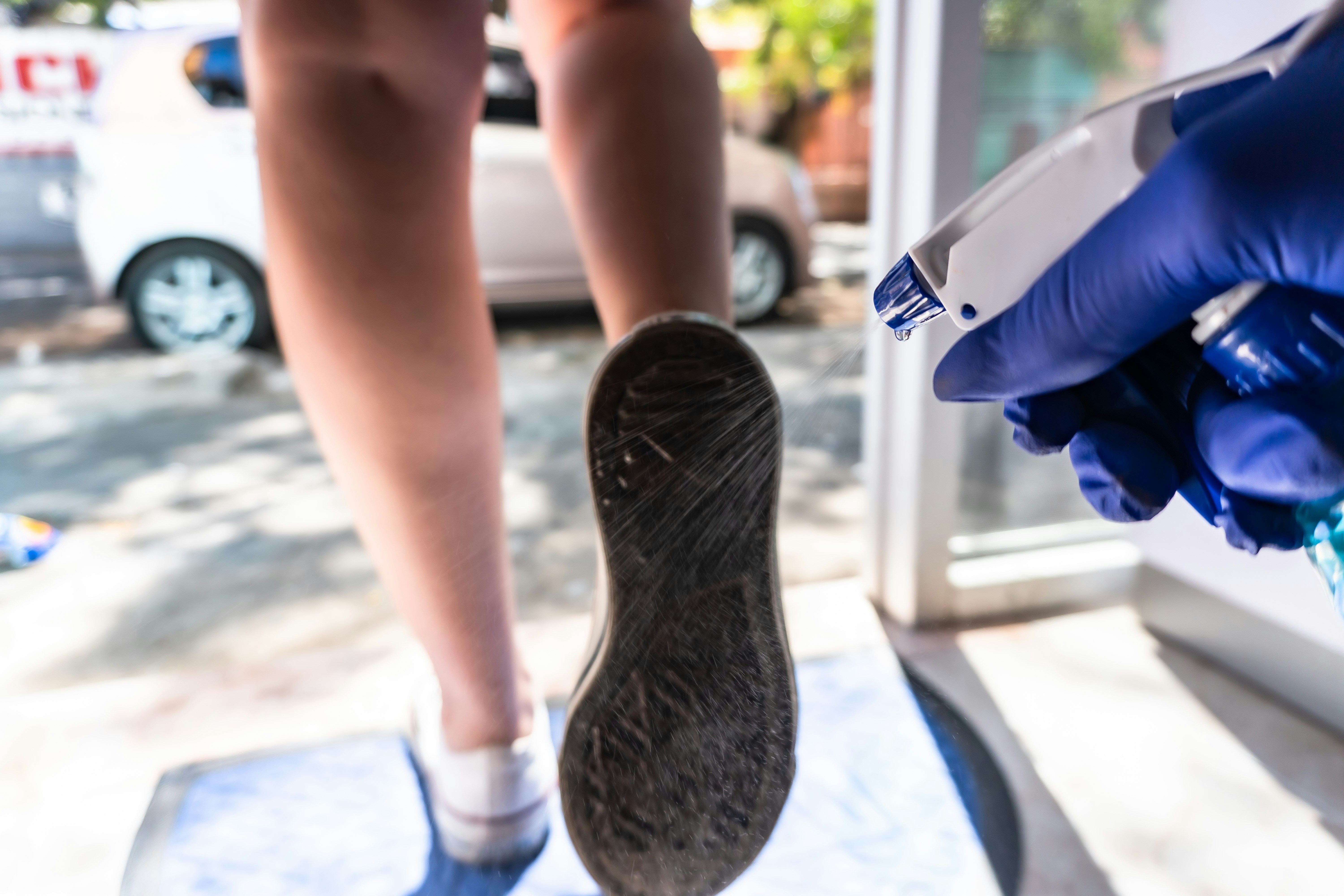
Additionally, consider utilizing spray cleaners or fabric fresheners as proactive measures. Many household products are specifically designed to tackle odors and add a delightful scent, providing an extra layer of cleanliness in between extensive wash cycles. Ensure that you select a spray that is suitable for the material of your bathroom mats to avoid any adverse reactions. Spraying the mats lightly after cleaning can help maintain their freshness, making your bathroom feel inviting.
Furthermore, it is advisable to rotate your mats regularly to evenly distribute wear and tear. This practice not only prolongs their lifespan but also minimizes the risk of localized staining. By actively engaging in these maintenance practices, you can keep your bathroom mats looking clean and smelling pleasant, making them an integral part of your bathroom hygiene strategy.
Conclusion and Final Cleaning Tips
Maintaining cleanliness in bathroom mats is crucial for promoting overall hygiene and health within your home. Bathroom mats often serve as a breeding ground for bacteria, mold, and mildew due to their exposure to moisture and foot traffic. Therefore, establishing a regular cleaning regimen is essential to mitigate these issues and ensure a healthier living environment.
As discussed in previous sections, it is advisable to clean your bathroom mats every one to two weeks, depending on usage and environmental factors. For those living in humid areas or with multiple family members, weekly cleaning may be necessary. Regular vacuuming helps eliminate surface dirt and debris, but deeper cleaning should be employed frequently to address stain buildup and unpleasant odors.
It is also beneficial to diversify your cleaning methods. Using a washing machine can effectively clean most fabric mats, while rubber or PVC mats may require a scrub brush and soapy water for a thorough clean. Additionally, allowing mats to air dry outside in sunlight not only eliminates moisture but also harnesses natural disinfecting properties of UV rays.
Furthermore, consider investing in high-quality bathroom mats that repel moisture and resist stains. Such mats require less frequent cleaning and offer better durability over time, contributing to a more hygienic bathroom setup. Also, implementing simple practices, such as placing mats in strategic locations to minimize soiling, can pave the way for a more aesthetically pleasing and sanitary bathroom.
By incorporating these cleaning tips and adhering to a regular maintenance schedule, you can prolong the life of your bathroom mats while ensuring your household is a cleaner and healthier space. Emphasizing the importance of cleanliness in simple aspects of your home can lead to significant positive outcomes in overall hygiene and well-being.