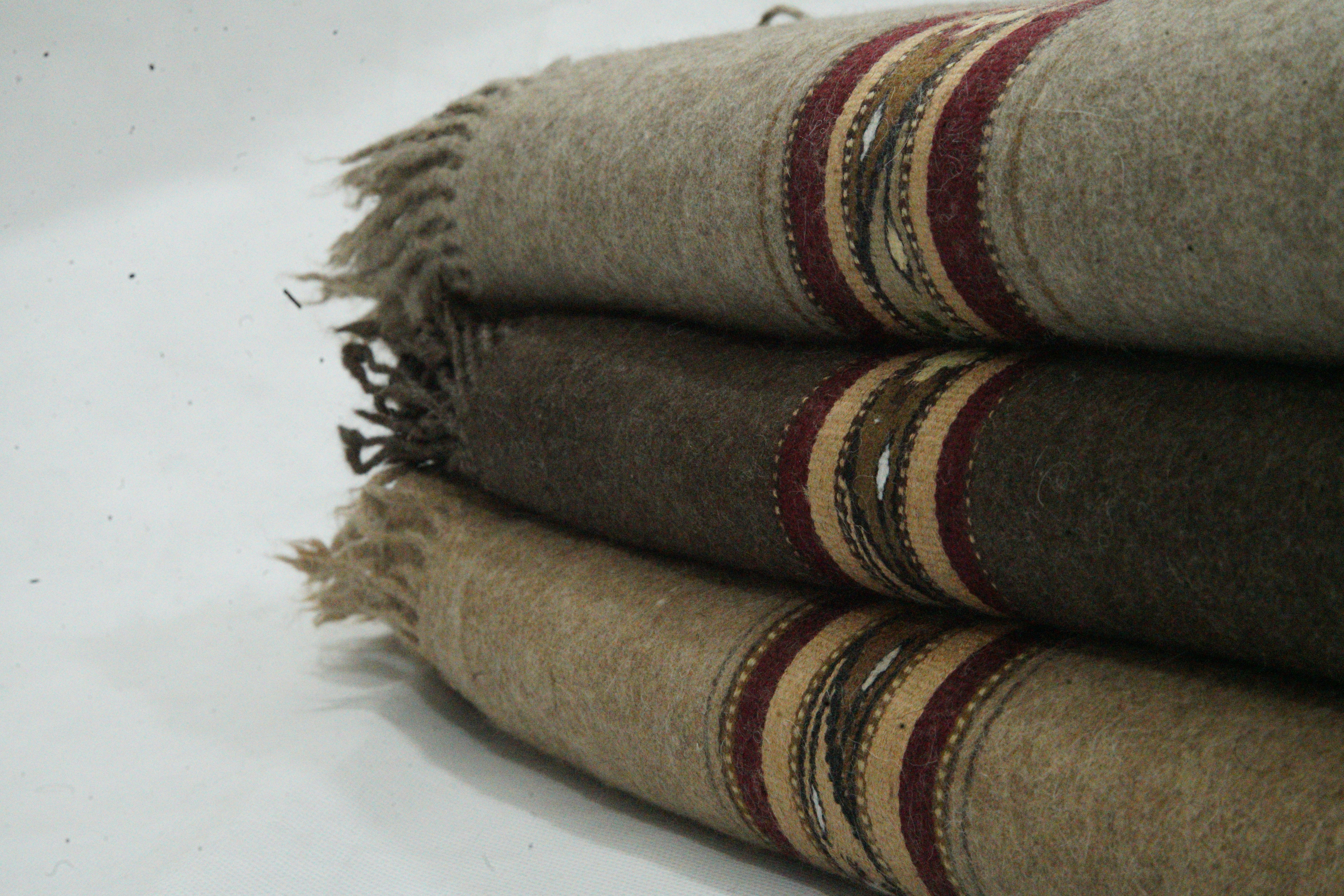
Introduction to Blankets
Blankets have long been a staple in households around the world, serving the essential purpose of providing warmth and comfort, particularly during cold seasons. They are not only functional but also contribute to the aesthetic appeal of your living space. Various materials are utilized in blanket production, each offering unique benefits suited to different needs and preferences.
Among the myriad of blanket materials available today, fleece vs wool have emerged as two of the most popular options. Fleece, crafted from synthetic fibers, is known for its softness, lightweight nature, and affordability. It is an excellent choice for those looking for a cozy option without the hefty price tag. Conversely, wool blankets, made from natural sheep’s wool, are renowned for their thermal insulation properties, durability, and ability to regulate body temperature, making them especially valuable during colder weather.
This blog post aims to explore the differences and similarities between fleece and wool blankets, addressing key features such as warmth, moisture-wicking capabilities, ease of care, and environmental impact. By examining these aspects, consumers can make a well-informed decision tailored to their specific needs. It is essential to understand not only the material characteristics but also how these attributes align with intention of use, personal comfort, and lifestyle considerations. As we delve into each category, you will gain a deeper insight into which blanket may best suit your requirements, ultimately enhancing your comfort and relaxation experience at home.
Understanding Fleece Blankets
Fleece is a synthetic fabric that is widely recognized for its softness, warmth, and versatility. Originally developed in the 1970s as a replacement for wool, fleece is primarily made from polyester, a type of plastic. This material undergoes a special processing technique that transforms long threads into plush fibers, giving fleece its characteristic fluffy texture. The breathable nature of fleece allows it to provide insulation while still enabling moisture evaporation, making it a popular choice for a variety of applications.
One of the standout features of fleece blankets is their affordability. Generally, fleece products are less expensive compared to wool options, making them accessible to a broader audience. Additionally, fleece is incredibly lightweight, which is advantageous for portability. Many people choose fleece blankets for outdoor activities or travel, as they can easily be packed without adding significant weight to luggage.
Another important property of fleece blankets is their moisture-wicking ability. Fleece fabrics are engineered to draw moisture away from the skin, which keeps the user dry and comfortable. This characteristic is particularly beneficial for those who may experience sweating during the night or engage in outdoor activities where temperatures can fluctuate. Furthermore, fleece is often machine washable and quick to dry, adding to its practicality.
Common uses for fleece blankets include crafting, camping, and as cozy additions to home decor. Fleece blankets are often employed as throw blankets for sofas or beds, providing warmth while complementing a room’s aesthetic. Additionally, they are favored for their use in making cozy items like jackets, hats, and other apparel, making fleece an integral fabric in many households and outdoor setups.
Exploring Wool Blankets
Wool is a natural fiber harvested from sheep, characterized by its ability to provide insulation while also managing moisture. It is highly valued for its thermal properties and softness, making it a popular choice for various textile products, including blankets. There are several types of wool, notably Merino and Lambswool. Merino wool originates from Merino sheep and is renowned for its fine, soft texture, resulting in a lightweight and luxurious feel against the skin. In contrast, lambswool is derived from the first shearing of a lamb, making it exceptionally soft and springy. Both types maintain warmth remarkably well, making wool blankets an excellent investment for comfort during colder months.
Wool blankets boast numerous advantageous characteristics that separate them from synthetic alternatives. The core composition of wool includes natural crimp, which contributes to its impressive durability and resilience. Unlike synthetic fabrics, wool fibers can absorb moisture while still feeling dry, leading to enhanced breathability and comfortable layering options. As such, wool blankets are ideal for a range of temperatures, thanks to their innate temperature regulation capabilities that keep you warm in winter yet cool during summer nights.
Another benefit of choosing a wool blanket is its hypoallergenic properties, making it suitable for individuals with sensitive skin or allergies. Additionally, wool possesses natural fire-resistant qualities, adding an extra layer of safety in home environments. Overall, the blend of comfort, durability, and moisture management positions wool blankets as a quintessential choice for those seeking quality textiles for their living spaces. With proper care, they can endure for many years, providing not only warmth but a touch of luxury to any room.
Comfort and Softness: Fleece vs Wool
When considering blankets for warmth and comfort, the choice between fleece and wool can significantly impact your overall experience. Both materials offer unique characteristics that cater to different preferences and needs.
Fleece blankets are widely renowned for their soft texture and lightweight nature. The synthetic fibers used in fleece are designed to provide a plush feel, creating a comforting layer against the skin. This softness often makes fleece an appealing option for individuals who prioritize a gentle touch. Additionally, fleece blankets do not typically cause itchiness, a factor that many consumers consider when choosing a material for close contact with the skin. This absence of irritation allows fleece to be particularly suitable for people with sensitivities or allergies.
On the other hand, wool has long been celebrated for its natural properties, including excellent insulation and breathability. However, one drawback of wool is its tendency to feel slightly coarse against the skin, which can lead to discomfort for some individuals. The natural fibers of wool may cause itchiness, particularly for those not accustomed to wearing wool clothing. Despite this, many find wool blankets to offer a unique kind of warmth that is difficult to replicate with synthetic alternatives. For those who can tolerate it, the benefits of wool, such as moisture-wicking capabilities and temperature regulation, may outweigh concerns about initial comfort.
Ultimately, personal preference plays a crucial role in the decision-making process. Individuals may lean towards fleece for its plush softness and lack of irritation, while others might prefer wool for its natural warmth and durability. Understanding the distinct characteristics of each fabric is essential in making an informed choice that aligns with comfort and softness needs.
Thermal Insulation: Keeping Warm
When it comes to thermal insulation, both fleece and wool blankets exhibit unique properties that cater to diverse preferences and conditions. Fleece, a synthetic fabric, is renowned for its lightweight nature and impressive heat retention capabilities. It is constructed from polyester fibers that create a soft texture, making it an ideal choice for those seeking warmth without the bulk. The structure of fleece allows it to trap air effectively, thus providing a barrier against the cold. However, while fleece is excellent for milder climates or indoor use, it may not always stand up to harsher conditions.
Conversely, wool blankets derive their thermal insulation properties from the natural fibers of sheep wool, which boast a loftier and crimpier structure. This unique formation allows wool to create significant air pockets, enhancing insulation while simultaneously offering breathability. As a result, wool is exceptionally efficient at regulating temperature and maintaining warmth in extremely cold environments. Moreover, wool can wick moisture away from the body, providing additional comfort in situations where sweat may occur, thereby preventing chilling and enhancing overall warmth.
In terms of performance during different temperature scenarios, fleece may outperform wool in warmer settings due to its breathable fabric and lightweight feel, making it suitable for casual use on chilly evenings. On the other hand, in colder climates or when camping in frigid conditions, wool’s superior insulation and moisture-wicking properties allow for extensive heat retention and adaptability to changing temperatures. Therefore, the choice between fleece and wool blankets ultimately hinges upon individual circumstances, climate, and personal preferences regarding warmth and comfort. Consideration of these factors will guide one toward the most suitable option, ensuring optimal thermal insulation during use.
Care and Maintenance
When it comes to maintaining the integrity and appearance of fleece and wool blankets, understanding the specific care requirements for each material is paramount. Both materials possess unique characteristics that influence their cleaning and maintenance routines.
Fleece blankets are known for their softness and lightweight nature. Generally, they can be machine washed in a gentle cycle using cold water. It is advisable to avoid bleach and fabric softeners, as these can damage the fibers over time. After washing, fleece blankets can be tumble-dried on a low setting or air-dried, but they should not be subjected to high heat, which can lead to pilling or a loss of softness. Pilling is a common issue with fleece, causing unsightly fuzz balls to form, but gentle brushing or using a fabric shaver can help eliminate this problem.
In contrast, wool blankets require a more delicate care approach. Most wool blankets need to be washed using the hand wash cycle or spot cleaned to avoid shrinking. If machine washing is necessary, it’s crucial to use cool water and a special wool detergent. Drying wool blankets is also a sensitive subject; they should never be placed in a dryer. Instead, air drying is recommended, preferably laid flat to avoid stretching. Wool can also experience shrinkage if improperly dried, so careful attention is essential during the drying process.
Longevity is another consideration. Fleece blankets, while softer and generally more affordable, may not last as long as high-quality wool blankets due to their tendency to pill and deteriorate over time with frequent washing. On the other hand, wool blankets are prized for their durability, and when cared for properly, they can last for many years without significant wear. This makes wool a suitable choice for those seeking a long-term investment in a quality blanket.
Environmental Impact and Sustainability
The choice between fleece and wool blankets encompasses not only comfort and warmth but also significant environmental considerations. Fleece, primarily made from polyester, is a synthetic fiber derived from petrochemicals. The production process of polyester fleece is energy-intensive, contributing to greenhouse gas emissions. Furthermore, polyester is not biodegradable, and its microfibers can pollute oceans and waterways during washing, posing threats to aquatic life and ecosystems.
On the other hand, wool blankets are made from natural fibers sourced from sheep, which can present a more sustainable alternative when considering environmental impact. Natural wool possesses numerous qualities that make it more environmentally friendly than its synthetic counterpart. This includes the fact that wool is biodegradable, allowing it to decompose and return nutrients to the soil. However, sheep farming has its own set of environmental concerns, particularly with regard to land use, methane emissions, and potential overgrazing, which can lead to soil degradation.
When assessing the sustainability of these fibers, it is important to consider ethical sourcing. Responsible wool production practices, including proper animal welfare standards and sustainable grazing techniques, can significantly mitigate negative impacts associated with wool farming. Certifications such as Responsible Wool Standard (RWS) aim to ensure both animal welfare and environmental protection in wool supply chains.
In contrast, the sustainability of polyester fleece is frequently called into question because of the resource depletion associated with fossil fuels and the long environmental lifespan of synthetic materials. Consumers are increasingly aware of these issues, seeking to balance comfort and warmth against the wider implications of their material choices. In making an informed decision between fleece and wool blankets, it is essential to weigh not only the immediate benefits of the materials but also their overall impact on the environment and sustainability practices.
Cost Comparison and Value for Money
When it comes to purchasing a blanket, cost often plays a pivotal role in influencing consumer decisions. Both fleece and wool blankets exhibit a range of prices, impacted by factors such as quality, brand reputation, and sourcing methods. Generally, fleece blankets tend to be more budget-friendly, often found within the range of $20 to $100. In contrast, wool blankets typically start at a higher price point, ranging from $50 and can extend up to $300 or more depending on the grade of wool and craftsmanship involved.
Quality is a significant factor affecting the cost of both fleece and wool blankets. Fleece, being a synthetic material, can be produced more cost-effectively, leading to lower prices for consumers. On the other hand, wool blankets are often made from natural fibers that require more time and resources to produce, resulting in a higher price point. Premium wool, such as Merino or Cashmere, can also contribute to increased costs due to their superior properties.
Brand reputation is another critical attribute influencing blanket pricing. Well-established brands that are known for high-quality textile products may price their fleece and wool blankets at a premium due to perceived value and reliability. Additionally, sourcing practices can further differentiate costs; ethically sourced or organic materials may command higher prices, reflecting the importance of sustainability in today’s market.
In assessing value for money, consumers should consider both the initial investment and long-term durability. Fleece blankets may be cheaper upfront, but they can wear out more rapidly, whereas wool blankets, although pricier, often last longer and provide better thermal insulation. Ultimately, the choice between fleece and wool blankets should take into account both financial and personal preferences for comfort and functionality.
Conclusion: Choosing the Right Blanket for You
When it comes to selecting the perfect blanket, understanding the key differences and similarities between fleece and wool blankets is essential. Fleece blankets are often celebrated for their affordability, lightweight nature, and ease of care, making them a popular choice for casual use and for those who enjoy a wide range of colors and patterns. On the other hand, wool blankets are known for their natural insulating properties, durability, and ability to wick moisture away, which can be particularly advantageous in colder climates.
It is important to consider individual needs and preferences when choosing between these two blanket types. For instance, if allergies are a concern, a fleece blanket may be more suitable due to its synthetic fibers that are less likely to absorb allergens. Conversely, if sustainability and natural fibers are priority factors, wool may be the better choice. Additionally, the climate in which you live plays a significant role; fleece can provide warmth without excessive weight, while wool offers superior thermal insulation for those harsh winter nights.
Moreover, weighing the pros and cons discussed throughout this blog post will assist in making an informed decision. For example, while fleece is machine washable and quick-drying, wool requires more careful maintenance. Ultimately, the choice between fleece and wool blankets should reflect one’s lifestyle, sensitivity to materials, and personal style preferences. By taking these factors into account, you can ensure that you select a blanket that not only meets your needs but also enhances your comfort, ultimately enriching your living space.