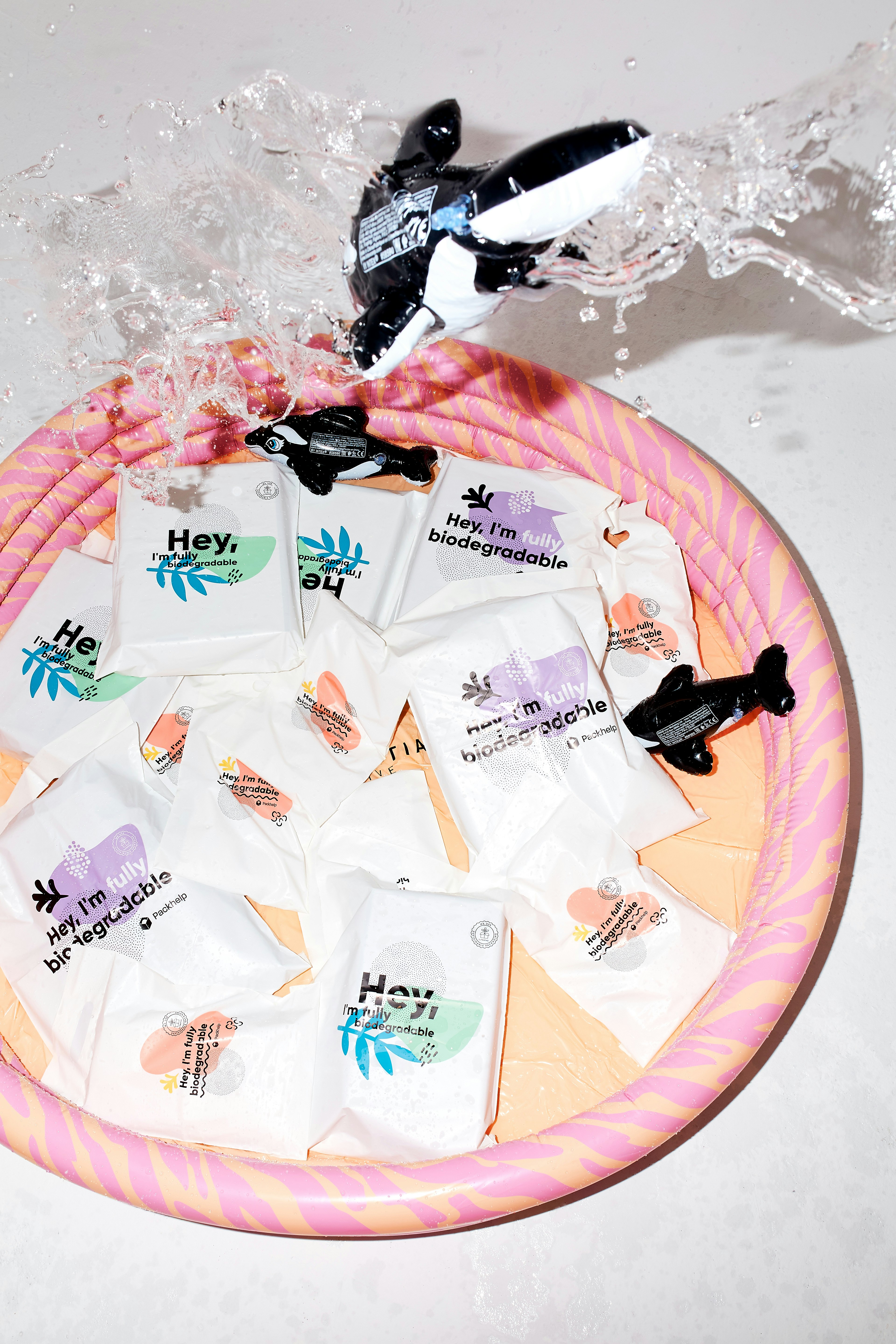
Introduction to Eco-Friendly Waterproof Protectors
In an era increasingly characterized by environmental consciousness, the need for sustainable products has never been more pressing. Among these innovations, eco-friendly waterproof protectors have emerged as a pivotal solution that marries functionality with ecological responsibility. These protectors, made from recycled materials such as PET (polyethylene terephthalate), demonstrate a significant commitment to sustainability while effectively safeguarding belongings from water damage.
The rise in consumer awareness regarding the environmental impact of products has propelled the demand for solutions that are both effective and sustainable. Traditional waterproof protectors often rely on non-biodegradable materials that contribute to the growing pollution crisis. In contrast, eco-friendly waterproof protectors offer a viable alternative by utilizing recycled PET, which significantly reduces dependency on virgin plastic, conserves resources, and minimizes carbon emissions associated with production processes.
Moreover, these innovative protectors not only serve to shield items from moisture-related damage but also represent a conscious choice towards sustainable living. As individuals and organizations seek to make greener purchasing decisions, eco-friendly waterproof protectors stand out as a practical option that does not compromise performance. They are versatile and can be applied across various sectors, from outdoor gear to home products, thus enhancing their appeal to environmentally minded consumers.
Furthermore, as the market trend continues to shift towards sustainability, manufacturers are increasingly motivated to develop products that resonate with the values of eco-conscious consumers. This evolution in product development reflects a broader commitment within industries to foster environmental stewardship and respond positively to global climate challenges. The introduction of eco-friendly waterproof protectors is indicative of larger efforts to create sustainable solutions that are crucial in today’s environmental landscape.
Understanding Recycled PET: The Material Behind the Magic
Recycled PET, commonly referred to as rPET, is an innovative material derived from post-consumer plastic waste, primarily in the form of plastic bottles. The production process begins with the collection of these bottles, which are then sorted, cleaned, and processed to remove labels and contaminants. Once clean, the bottles are finely shredded into small flakes, and subsequently melted and extruded to create new fibers or sheets. This efficient recycling process is crucial in transforming waste into valuable resources, thereby drastically reducing environmental impact.
The environmental implications of utilizing rPET are substantial. By recycling plastic waste into new products, rPET significantly decreases the necessity for virgin polyester production, which is energy-intensive and heavily reliant on fossil fuels. This reduction not only lowers greenhouse gas emissions but also conserves natural resources, leading to a more sustainable approach in various industries. The shift towards rPET aligns with global efforts to minimize plastic pollution and the demand for sustainable materials in consumer products.
Comparatively, rPET offers several advantages over traditional materials. For instance, it exhibits similar durability and functionality as virgin polyester, making it a reliable choice for a wide array of applications, such as fashion, home goods, and, notably, waterproof protectors. The aesthetic appeal and performance remain uncompromised when using rPET, allowing consumers and manufacturers alike to contribute to environmental conservation without sacrificing quality. Furthermore, using rPET helps in fostering a circular economy, wherein products are designed with their lifecycle in mind, encouraging recycling and reducing waste.
The Benefits of Using Eco-Friendly Waterproof Protectors
Eco-friendly waterproof protectors have emerged as a highly effective solution for safeguarding various items against water damage, while also contributing positively to environmental sustainability. One of the primary benefits of using these protectors is their remarkable durability. Crafted from recycled PET materials, these protectors not only offer strong resistance to moisture but also withstand wear and tear over time, ensuring long-lasting performance in various conditions. Their robust nature makes them ideal for both outdoor and indoor applications, ranging from protecting camping gear to safeguarding electronics in humid environments.
Another significant advantage of eco-friendly waterproof protectors is their versatility. These products are designed to cater to a wide array of items, such as bags, clothing, and electronic devices. The adaptability of these protectors allows consumers to utilize them in multiple settings, enhancing their utility. This versatility is particularly beneficial for those who prioritize a sustainable lifestyle, as it minimizes the need for multiple single-use products, thus reducing waste.
Furthermore, eco-friendly waterproof protectors are effective in preventing water damage. With their advanced design, they provide a reliable barrier against moisture infiltration, ensuring that valuable possessions remain dry and protected—even in adverse weather conditions. This effectiveness is achieved without compromising the environmental values they embody. By choosing eco-friendly options, consumers support practices that reduce reliance on virgin materials and promote recycling. In essence, opting for these protectors not only safeguards personal items but also aligns with a broader commitment to sustainability.
In summary, the benefits of using eco-friendly waterproof protectors extend far beyond mere convenience. Their durability, versatility, and effectiveness in providing water damage protection, combined with their sustainable origin, make them an ideal choice for environmentally conscious consumers seeking reliable solutions.
Different Applications of Eco-Friendly Waterproof Protectors
Eco-friendly waterproof protectors, made from recycled PET, offer a range of versatile applications across various sectors. In the outdoor industry, they are increasingly integrated into jackets, tents, and backpacks, providing robust protection against rain and moisture while minimizing environmental impact. The lightweight and durable nature of these materials makes them ideal for outdoor enthusiasts seeking sustainable options without sacrificing performance. Through the use of recycled PET, manufacturers are successfully reducing plastic waste while delivering high-quality gear.
In addition to outdoor apparel, eco-friendly waterproof protectors are also finding their way into household items. For instance, reusable shopping bags crafted from recycled materials not only provide waterproof capabilities but also contribute to sustainable consumption practices. These bags are designed to keep contents dry during inclement weather, making them a practical choice for daily errands. Moreover, waterproof protectors are incorporated into kitchen items, such as tablecloths and placemats, offering a stylish yet functional way to safeguard surfaces from spills and stains.
The camping sector particularly benefits from the implementation of these sustainable protectors. Products like sleeping bags, tarps, and seating pads made from recycled PET not only resist water but also align with the environmental values of eco-conscious campers. By choosing gear constructed from eco-friendly materials, users make a positive contribution towards reducing textile waste, ensuring a greener footprint during their outdoor adventures.
Furthermore, the advancements in waterproof technology allow for the application of these protectors in various other settings. For example, eco-friendly protectors are being utilized in sportswear, ensuring athletes remain dry and comfortable regardless of the weather conditions. As industries continue to adopt sustainable practices, the innovative use of recycled PET in waterproof applications underscores the importance of environmental stewardship while addressing consumer needs for functionality and durability.
How Eco-Friendly Waterproof Protectors Contribute to Sustainability
The increasing prevalence of environmental issues has propelled the demand for sustainable products across various industries. Eco-friendly waterproof protectors, made from recycled PET, play a crucial role in advancing sustainability efforts. These innovative solutions not only offer effective protection against moisture but also significantly contribute to reducing plastic waste.
One of the primary ways these eco-friendly protectors bolster sustainability is through their foundation in recycled materials. By repurposing PET, which is otherwise a significant contributor to global plastic pollution, manufacturers help to decrease the demand for new plastic production. This practice not only conserves resources but also minimizes energy consumption and greenhouse gas emissions, promoting a more sustainable manufacturing process. Moreover, by choosing products made from recycled materials, consumers are taking a proactive step towards supporting recycling initiatives, thereby encouraging manufacturers to adopt environmentally responsible practices.
The promotion of a circular economy is another vital aspect facilitated by eco-friendly waterproof protectors. In a circular economy, products are designed for longevity and recyclability, leading to less waste and a greater emphasis on sustainable consumption patterns. Eco-friendly waterproof protectors align with this model, as they are often designed to be reusable and recyclable at the end of their life cycle. By choosing such products, consumers help close the loop, ensuring that materials are continually reused rather than discarded in landfills.
In addition, the shift towards eco-friendly options encourages a broader cultural change among consumers. When individuals opt for sustainable waterproof solutions, they send a message to companies about the importance of environmental responsibility. By making informed choices, consumers can drive demand for greener products, further fostering innovation in eco-friendly technologies.
Case Studies of Brands Utilizing Recycled PET
Numerous organizations are successfully leveraging recycled PET (rPET) to craft eco-friendly waterproof protectors, demonstrating a serious commitment to sustainability while simultaneously meeting consumer demands for durable and responsible products. A leading example is the outdoor apparel company, Patagonia, which has pioneered the use of rPET in its line of waterproof jackets and bags. They incorporate post-consumer plastics, reducing environmental waste significantly, while ensuring that their products maintain high-quality performance. Patagonia’s initiative not only supports environmental responsibility but also resonates with a growing base of eco-conscious consumers, proving that sustainability and quality can coexist.
Another prominent case is that of the Swedish furniture giant IKEA, which has integrated rPET into its range of waterproof outdoor textiles. By utilizing recycled plastics, IKEA significantly lowers its carbon footprint and prevents plastics from entering landfills and oceans. Their innovative practices include simplifying the design process to ensure that rPET is incorporated seamlessly without compromising the aesthetic and functional qualities of their products. This move demonstrates that large scale manufacturers can lead in sustainable practices and still maintain robust market competitiveness.
The sportswear brand Adidas also presents an inspiring example. Their Primeblue initiative features a product line made with Parley Ocean Plastic, which includes rPET sourced from marine waste. Their waterproof sports gear not only exemplifies durability but also highlights a proactive approach to tackling plastic pollution in oceans. Adidas has effectively created a new consumer narrative through storytelling and education about the impacts of ocean plastics, setting an industry benchmark for responsible sourcing.
These case studies collectively illustrate that the adoption of recycled PET in waterproof products can yield positive outcomes, ranging from reduced environmental impact to enhanced brand loyalty among eco-conscious consumers. The successful implementations seen with these brands serve as an inspiring model for others aiming to pursue similar sustainable practices.
How to Choose the Right Eco-Friendly Waterproof Protector
Choosing the right eco-friendly waterproof protector requires careful consideration of several factors that align with your specific needs and preferences. Firstly, assessing the thickness of the protector is crucial. Thicker materials often offer enhanced durability and water-resistance, making them suitable for environments exposed to harsh weather conditions. However, consider that thicker options may be less flexible and heavier, which could be a disadvantage if portability is a priority.
Next, the design of the waterproof protector cannot be overlooked. Select a design that not only meets your aesthetic preferences but also contributes to functionality. Some products offer additional features such as pockets or adjustable straps, enhancing usability for various activities. It is essential to choose a style that suits your intended purpose, whether it’s for outdoor adventures, daily use, or specific applications such as camping or hiking.
Evaluating the water-resistance capability is another significant aspect. Eco-friendly waterproof protectors are made from materials specifically designed to repel water effectively. Check for the manufacturer’s specifications regarding the level of water resistance provided, ensuring it matches the conditions in which you plan to use the product. Look for terms like “waterproof” or “water-resistant” and determine the implications of each in context.
Finally, investigating the brand’s sustainability practices is integral to making an informed purchase. Recycled PET is a popular material for eco-conscious products, but it is important to research the overall sustainability initiatives of the manufacturer. This may include their production processes, the use of renewable energy, and the ethical treatment of workers. By aligning your choice with a brand that embodies sustainable principles, you support the broader goal of environmental conservation while enjoying high-quality waterproof protection.
Caring for Your Eco-Friendly Waterproof Protectors
Proper care and maintenance of eco-friendly waterproof protectors play a crucial role in ensuring their longevity and overall effectiveness. Since these products are often made from recycled materials, it is essential to treat them with care to maximize their usage and minimize the environmental impact.
When it comes to cleaning your waterproof protectors, it is advisable to use mild detergents free from harsh chemicals that can degrade the recycled PET material. Gently hand-washing in lukewarm water is preferable to machine washing, as this minimizes wear and tear. If a deeper clean is necessary, soaking the protectors briefly in a soapy water solution followed by thorough rinsing may be effective. Always allow the protectors to air dry away from direct sunlight, as prolonged exposure can lead to fading and damage, compromising the waterproof capabilities.
Storing your eco-friendly waterproof protectors correctly is just as vital. It is recommended to keep them in a cool, dry place to avoid exposure to humidity that can lead to mold or mildew. Folding or rolling your protectors neatly can prevent creasing and deterioration; however, avoid sharp bends that could compromise their shape. For long-term storage, consider using breathable fabric bags that allow air circulation while keeping dust at bay.
Reusing these products can further maximize their lifespan. Consider employing them in various situations beyond their initial intended use. For instance, a waterproof protector originally designed for outdoor gear can serve as a protective cover for electronics during inclement weather. Incorporating versatility in usage not only enhances sustainability but also underscores the value of your eco-friendly choice.
Conclusion: The Future of Eco-Friendly Waterproof Solutions
As we reflect on the advancements in eco-friendly waterproof protectors, it is clear that recycled PET (rPET) stands out as a viable solution in our pursuit of sustainability. The innovative use of recycled materials not only reduces the burden on landfills but also conserves valuable resources needed for the production of new materials. By harnessing waste plastic and transforming it into durable waterproof products, we can make significant strides toward minimizing our environmental impact.
The importance of deploying sustainable solutions, like rPET waterproof protectors, cannot be overstated. These products embody the principles of circular economy, where the goal is to keep resources in use for as long as possible while reducing waste. Additionally, they provide consumers with an opportunity to make responsible choices in their purchasing habits. The growing awareness of environmental issues among consumers has created a demand for products that prioritize sustainability, urging manufacturers to innovate further in this space.
Supporting eco-friendly products requires a collective effort; consumers, manufacturers, and policymakers must unite to pave the way for a greener future. By choosing recycled PET waterproof protectors, individuals not only invest in quality and durability but also signal to manufacturers the importance of investing in sustainable practices. Ultimately, making environmentally conscious choices helps drive the market toward a more sustainable direction, encouraging the development of additional eco-friendly innovations.
As we move forward, it is vital that we continue to advocate for greater environmental responsibility and emphasize the importance of sustainability in all aspects of our lives. The future of waterproof solutions lies in being mindful of our choices and supporting products that align with our commitment to the planet. Together, we can work towards a more eco-friendly future, harnessing the potential of recycled materials for a healthier world.