Introduction to Shower Curtain Fabrics
Choosing the best fabric for shower curtain is a crucial decision that can significantly influence the overall aesthetic and functionality of your bathroom space. The shower curtain not only serves as a practical water barrier but also acts as an essential design element that complements the décor and style of your bathroom. Therefore, it is vital to understand the various types of fabrics available, as they impact both appearance and maintenance.
Shower curtain fabrics come in a multitude of options, including polyester, cotton, vinyl, and blends. Each material offers distinct advantages and disadvantages, affecting not only the look of your bathroom but also its functionality. For instance, polyester is known for its water-resistant properties and ease of cleaning, while cotton, although more appealing in terms of texture and aesthetics, may require more care due to its absorbent nature. Vinyl, meanwhile, is often chosen for its affordability and versatility, although it may lack the elegant feel that other fabrics provide.
Additionally, the choice of fabric can influence factors such as longevity, ease of maintenance, and ecological considerations. Water-resistant fabrics help prevent mold and mildew buildup, which is essential in a damp environment like a bathroom. Meanwhile, choosing sustainable materials can contribute to eco-friendliness, aligning with modern consumer values. This guide aims to detail the various fabric types and their respective benefits and shortcomings, providing you with the knowledge necessary to make an informed choice for your shower curtain. By understanding these aspects, you can enhance both the functionality and appeal of your bathroom, turning a simple necessity into a stylish feature.
Common Fabric Types for Shower Curtains
When selecting a shower curtain, an important factor to consider is the fabric type, as each material has distinct properties that contribute to both aesthetics and functionality. The most common materials include polyester, cotton, vinyl, and linen, each offering unique characteristics suitable for different preferences.
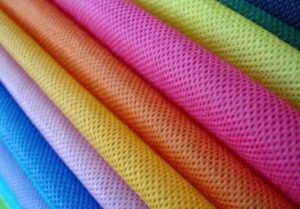
Polyester is one of the most popular choices for shower curtains due to its excellent water resistance and durability. This synthetic fabric dries quickly and is less prone to mold and mildew, making it an ideal option for humid bathroom environments. Furthermore, polyester curtains come in a variety of colors and patterns, allowing for versatility in bathroom design.
Cotton provides a natural alternative to synthetic options. While it is often favored for its soft texture and attractive appearance, pure cotton typically requires a water-resistant liner to protect it from excessive moisture. Cotton fabrics can be printed in vibrant designs, though they may need more maintenance in terms of washing and care to prevent mold growth.
Vinyl, or PVC, is another common choice, known for its affordability and ease of use. Vinyl shower curtains are inherently water-resistant and often come in a wide range of colors and clear options that enhance visual space in smaller bathrooms. However, while vinyl is durable, concerns over PVC’s environmental impact and chemical off-gassing have led some consumers to consider alternatives.
Linen represents a more luxurious option, offering a natural and elegant look. Linen shower curtains often have a refined appearance and are highly breathable. However, like cotton, these may also require a liner for optimal water resistance. Linen can be prone to wrinkling and may demand more care than synthetic options, making it ideal for those who appreciate aesthetics and are willing to invest in upkeep.
Each fabric has its advantages and disadvantages, and understanding these can guide consumers in choosing the best shower curtain for their specific needs and bathroom environment.
Water Resistance and Maintenance
When selecting a shower curtain, one of the most critical factors to consider is its water resistance. Fabrics that effectively repel water and resist mildew not only ensure a more pleasant bathing experience but also contribute to the longevity of the curtain. Various materials can be evaluated for their water-resistant properties, including polyester, vinyl, and nylon.
Polyester is known for its remarkable water resistance. It offers a fine balance of affordability and durability, making it an excellent choice for shower curtains. Additionally, many polyester curtains are treated with a water-repellent finish, which enhances their ability to resist moisture and mildew. Regular maintenance of polyester fabrics involves machine washing in cold water and line drying to preserve their integrity.
Vinyl fabric, while often seen as less aesthetically pleasing, serves as an exceptional barrier against water. Vinyl shower curtains naturally repel moisture, making them a practical solution for high-humidity environments. However, they can be prone to accumulating soap scum and mildew. Cleaning a vinyl shower curtain can be achieved using a mixture of vinegar and water, applied with a sponge for effective results.
Nylon is another option that combines water resistance with a lightweight feel. It is typically less durable than polyester but can be treated with similar finishes to enhance its mildew-free qualities. To maintain nylon curtains, hand washing with mild detergent is recommended to prevent damage from harsh chemicals.
Regardless of the fabric choice, regular cleaning is paramount to mitigate mildew growth. Hanging the curtain to dry completely after each use allows for natural ventilation, significantly decreasing moisture retention. For stubborn mildew stains, consider using specialized fabric cleaners designed for the specific material of your curtain to ensure effective removal without causing damage.
Aesthetic Considerations
The choice of fabric for your shower curtain significantly impacts the overall look and feel of a bathroom. A shower curtain serves not only as a functional element but also as a focal point that can elevate the aesthetic appeal of the space. Therefore, it is essential to carefully consider color, patterns, and textures when selecting the fabric.
Color plays a pivotal role in setting the mood within a bathroom. Lighter hues can create an airy and spacious look, while darker colors may introduce a sense of drama and elegance. When choosing a shower curtain, it is beneficial to select colors that complement or contrast with the existing decor. For instance, if your bathroom features pastel tiles, a shower curtain in a coordinating pastel or a bold contrasting color can serve as an eye-catching centerpiece.
Patterns are another key aesthetic consideration. Floral designs can contribute to a fresh, inviting atmosphere, while geometric patterns may impart a modern or contemporary vibe. When selecting a patterned fabric, it is essential to ensure that it aligns with the overall style of your bathroom. For a classic look, striped or damask patterns may be ideal, while a playful polka dot or abstract design can lend a youthful energy to the space.
Texture also contributes significantly to the overall ambiance. Fabrics such as linen or cotton provide a casual, organic feel, whereas silk or satin can introduce a sense of luxury. Consider how the texture of the fabric harmonizes with bathroom hardware, fixtures, and other textile elements, such as towels and bath mats.
Ultimately, your choice of fabric should reflect your personal style and ensure that it enhances the existing decor of your bathroom. By thoughtfully considering the interplay of color, patterns, and textures, you can select a shower curtain that not only serves practical purposes but also contributes to a cohesive and aesthetically pleasing bathroom design.
Eco-Friendly Fabric Options
In recent years, eco-friendly materials have gained significant attention in the realm of home textiles, particularly for shower curtains. As consumers become more aware of their environmental impact, there is a noticeable shift towards sustainable fabrics, which not only benefit the planet but also enhance personal health. Among the most popular eco-friendly fabric options are organic cotton, hemp, and recycled polyester.
Organic cotton is cultivated without the use of harmful pesticides, synthetic fertilizers, or genetically modified organisms (GMOs). By choosing organic cotton shower curtains, individuals contribute to sustainable farming practices, which promote soil health, biodiversity, and reduced water consumption. Beyond its environmental benefits, organic cotton is soft, breathable, and hypoallergenic, making it an excellent choice for those with sensitivities.
Hemp is another noteworthy option for eco-conscious consumers. This versatile fabric requires minimal water and no pesticides to grow, making it one of the most sustainable textiles available. Hemp shower curtains are naturally mildew-resistant and durable, ensuring a long-lasting product that is kind to both users and the environment. Furthermore, hemp’s unique properties allow it to regulate temperature and humidity, creating a more comfortable bathroom atmosphere.
Recycled polyester, often derived from recycled plastic bottles, offers a practical way to repurpose materials that would otherwise contribute to landfill waste. Shower curtains made from recycled polyester not only reduce plastic waste but also maintain the durability and vibrant colors associated with traditional polyester fabrics. Additionally, many manufacturers are now adopting environmentally responsible processes in the production of recycled polyester, further enhancing its appeal as a sustainable option.
Ultimately, choosing eco-friendly fabric options for shower curtains reflects a commitment to sustainable living, allowing individuals to enhance their personal space while also caring for the planet. As the trend towards sustainability continues to grow, incorporating these materials into home decor becomes increasingly important.
Comparing Cost and Quality
When selecting a fabric for your shower curtain, understanding the balance between cost and quality is paramount. While it may be tempting to opt for the least expensive option available, it is essential to recognize how price can be indicative of the fabric’s overall durability, appearance, and function. Often, shower curtains are made from materials such as polyester, cotton, vinyl, or even linen, each influencing the price point and overall quality of the product.
Material quality is a significant factor affecting pricing. For instance, high-grade polyester and cotton fabrics tend to be more expensive as they are woven tightly, offering enhanced resistance to moisture and mildew, which can prolong the life of your shower curtain. Cheaper alternatives, often made from lower-grade polyester or polyvinyl chloride (PVC), may be more susceptible to wear and tear, fading, and even unpleasant odors over time.
Brand reputation is another crucial element in the cost equation. Established brands often carry a higher price tag due to their commitment to quality, customer satisfaction, and warranties. Purchasing from a reputable manufacturer can often translate to better material quality and manufacturing processes, ensuring the fabric can withstand the demands of a humid bathroom environment.
Furthermore, consider the manufacturing process when evaluating cost. Fabrics that are carefully crafted with more attention to detail in terms of stitching and finishing may come at a premium, but they typically offer better performance and longevity. Ultimately, when choosing a fabric that meets your budget constraints without compromising on quality, it is wise to explore various products, read consumer reviews, and prioritize key features that matter most to you, such as water resistance, ease of cleaning, and aesthetic appeal.
Trends in Shower Curtain Fabrics
The landscape of shower curtain fabrics is continually evolving, influenced by changing consumer preferences and contemporary design trends. Currently, there is a marked shift towards sustainable materials, with many designers opting for eco-friendly fabrics like organic cotton and recycled polyester. Buyers are increasingly aware of their environmental impact, prompting manufacturers to innovate with materials that reduce carbon footprints while maintaining quality and aesthetics.
In terms of style, minimalist designs have gained traction, characterized by clean lines and understated elegance. Neutral palettes such as whites, greys, and beiges dominate the market as they offer a versatile backdrop suitable for various color schemes. However, the trend is not entirely muted; vibrant colors and bold patterns are also in demand, with consumers seeking to make a statement in their bathrooms. Floral prints, geometric shapes, and abstract designs are particularly popular, appealing to those who wish to infuse their space with personality.
Industry experts suggest that seasonal trends also play a crucial role in fabric selection. For example, during spring and summer, lighter materials and cheerful motifs often emerge as favorites, whereas richer, cozier fabrics in deeper hues are preferred in the fall and winter months. Furthermore, incorporating textures such as linen or velvet is increasingly common, offering not just visual appeal but also a touchable element that enhances the overall experience of the bathroom.
To summarize, understanding current trends in shower curtain fabrics is essential for making informed decisions. As sustainability becomes a priority, and as styles shift towards both minimalism and bold expressions, consumers are better equipped to choose options that not only align with their aesthetic goals but also reflect their values.
DIY vs. Store-Bought Options
When it comes to selecting the ideal fabric for your shower curtain, one important decision is whether to make it yourself or purchase a pre-made option. Both choices carry distinct advantages and disadvantages, impacting factors such as cost, customization, and effort involved in the process.
Opting for a DIY shower curtain allows for considerable customization. By choosing your fabric, you can select patterns, colors, and textures that meet your specific design preferences. Additionally, creating your own shower curtain can be a fulfilling project that enables creativity. However, it does require a certain level of sewing skills and equipment. If you are not already equipped with a sewing machine or necessary tools, this can add to your initial costs. Furthermore, take into account the time commitment involved in measuring, cutting, and sewing the fabric, which may be significant compared to simply purchasing a shower curtain off the shelf.
In contrast, pre-made shower curtains are readily available in a vast array of designs, materials, and price ranges. They often come with the added convenience of no assembly required, making them an attractive option for those with limited time or skill in sewing. Commonly found at home goods stores and online retailers, these products typically fall within various budget categories, catering to a wide audience. However, the downside of buying store-bought options includes potential limitations in customization, as you may be unable to find the exact fabric style that matches your décor.
In conclusion, the decision between DIY and store-bought shower curtains depends on your priorities—whether you value creativity and custom fabric selection or prefer the convenience of ready-made options. Recognizing the strengths and weaknesses of each choice can help streamline the selection process, allowing you to choose what best aligns with your needs and resources.
Conclusion: Making the Right Choice for Your Bathroom
Selecting the appropriate fabric for your shower curtain is a decision that can significantly influence the aesthetics, functionality, and maintenance requirements of your bathroom. Throughout this guide, we have discussed various factors that should inform your choice, including fabric types, their advantages, and limitations. It is essential to consider the level of moisture exposure, desired aesthetic appeal, and maintenance ease as you make your selection.
The most commonly used fabric materials for shower curtains include polyester, cotton, linen, and vinyl. Each option comes with its own unique qualities. For instance, polyester is known for its durability and water resistance, making it a practical choice for everyday use. Cotton, on the other hand, offers a natural look and feel but may require more frequent washing due to mold and mildew concerns. Beyond the materials, also consider the design, patterns, and colors that will complement your overall bathroom decor.
Moreover, ensure that your chosen fabric aligns with your lifestyle and preferences. If you prioritize ease of cleaning and longevity, opt for synthetic fabrics. Alternatively, if you appreciate eco-friendly options and do not mind a bit more upkeep, organic cotton may be the right fit for you. Ultimately, weighing these options against your specific needs is essential for making an informed decision.
We invite you to reflect on the insights shared in this guide as you embark on the journey of selecting the best fabric for your shower curtain. Your bathroom is a personal sanctuary; it deserves a curtain that matches both your style and practical requirements. Feel free to share your experiences with different shower curtain fabrics or ask any questions you may have as you proceed with your selection process.