Introduction to Dust Mites and Allergies
Dust mites are microscopic organisms belonging to the arachnid family, and they thrive in household environments, particularly in bedding, upholstery, and carpets. These tiny creatures feed on organic matter such as dead skin cells shed by humans and pets, making homes an optimal habitat for them. Due to their minute size, they often remain undetectable to the naked eye, yet their presence can have significant implications for individuals with allergies.
Exposure to dust mites is known to trigger various allergic reactions. Common symptoms include sneezing, nasal congestion, itchy eyes, and skin irritations, which can severely affect the quality of life for those susceptible to these allergens. It is estimated that dust mites contribute to a large percentage of asthma and allergy cases worldwide, making them a critical concern for healthcare professionals and affected individuals alike. In sensitive populations, such as those undergoing medical tourism, managing dust mite exposure is especially vital to ensure a successful therapeutic experience.
Household environments naturally harbor dust mites due to the typical indoor conditions, including high humidity levels and warmth, both of which are favorable for their proliferation. Consequently, most homes have a certain level of dust mites present, often unbeknownst to the occupants. Individuals with allergic tendencies may experience exacerbated symptoms in environments with high dust mite concentrations, underscoring the significance of taking preventive measures.
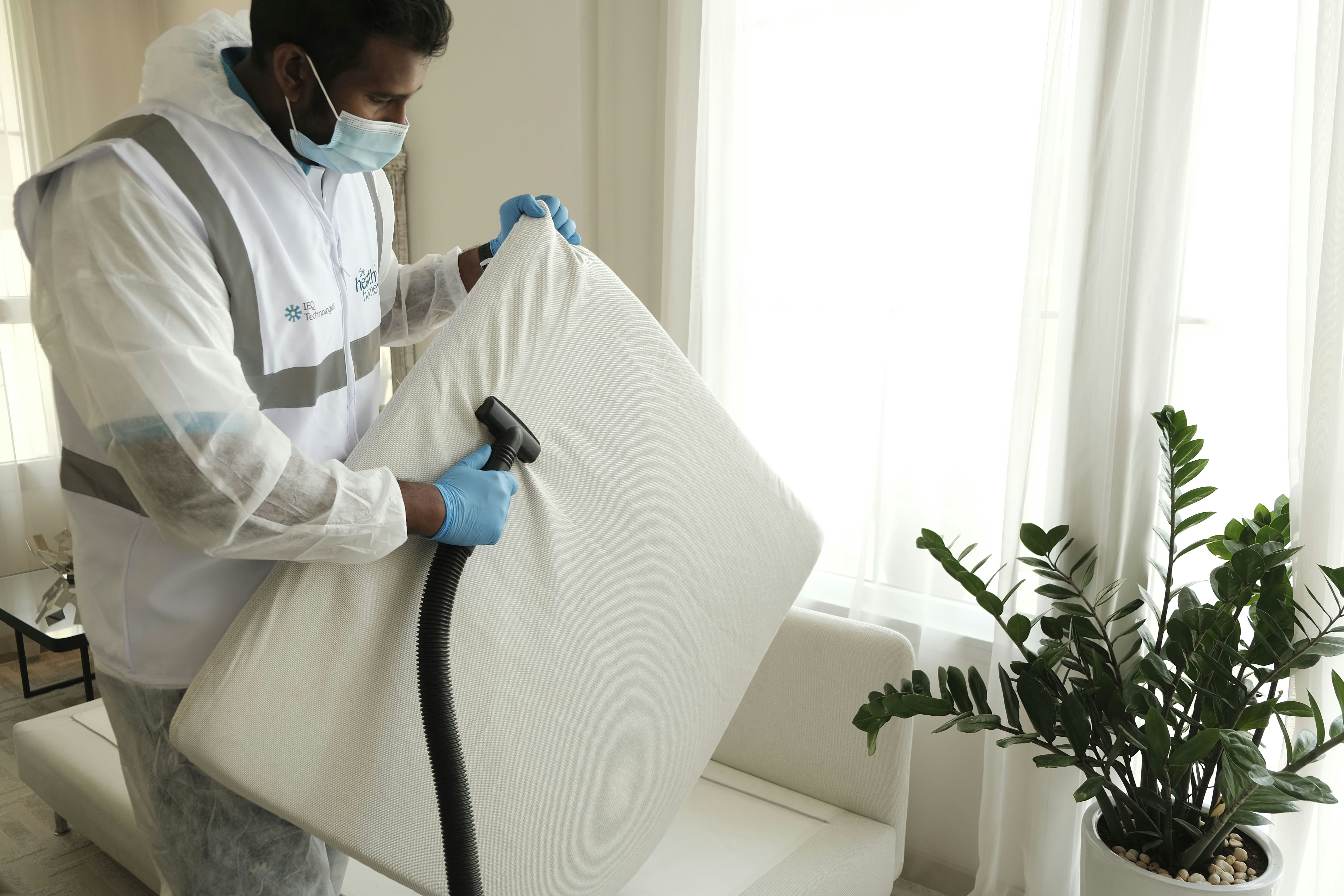
Protective alternatives, such as dust mite pillow and mattress covers, play an essential role in minimizing exposure. These specially designed encasements create a barrier that prevents dust mites from infesting pillows and mattresses, thus reducing allergic reactions. Addressing dust mite presence through effective control measures, including the use of appropriate protective covers, is crucial for promoting better health outcomes for those affected by allergies and asthma.
The Role of Pillow and Mattress Covers in Allergy Prevention
Pillow and mattress covers specifically designed to address allergy concerns play a crucial role in reducing exposure to dust mites, one of the primary triggers for allergic reactions and asthma. These specialized covers act as a protective barrier that prevents dust mites and their allergens from penetrating bedding. Consequently, they significantly limit the accumulation of these allergens, offering a more conducive environment for individuals prone to allergic reactions.
Typically, dust mite covers are manufactured from tightly woven materials such as cotton, polyester, or a blend of synthetic fibers. The fabric is designed to create a barrier with a pore size small enough to prevent dust mites from passing through, yet breathable enough to maintain comfort during sleep. Some advanced covers incorporate membrane technology that enhances their protective capabilities while ensuring airflow, reducing moisture buildup that can encourage dust mite proliferation.
Numerous studies have shown that the use of high-quality pillow and mattress covers can lead to a marked decrease in allergen exposure. For instance, a review of clinical trials demonstrated that patients using these protective covers experienced significant reductions in dust mite allergen levels in their bedding, resulting in fewer allergy symptoms and improved overall quality of life. Furthermore, regular washing of bedding and the use of these specialized covers can lead to a more effective management of indoor allergens, particularly in environments where dust mites thrive, like warm and humid climates.
In addition to mitigating allergen exposure, these protective covers are often hypoallergenic and resist mold and mildew, adding another layer of defense for allergy sufferers. By incorporating pillow and mattress covers into daily routines, individuals can enhance their ability to manage allergies and create healthier living environments. Overall, investing in these specialized products is a proactive step towards achieving a better quality of life for those affected by allergies.
Medical Tourism and Allergy Management
Medical tourism refers to the practice of traveling to foreign countries to obtain medical treatment, often motivated by the pursuit of high-quality care at lower costs or the availability of specialized services not easily accessible in one’s home country. In recent years, this phenomenon has gained considerable traction, particularly for individuals seeking solutions for chronic issues such as allergies. As the demand for effective allergy management escalates, the role of medical tourism in addressing these needs becomes increasingly significant.
One of the primary reasons individuals opt for medical tourism is the opportunity to access advanced medical technology and treatment options, including those for allergies caused by common allergens such as dust mites. Many travelers seek comprehensive allergy assessments and interventions that can lead to an enhanced quality of life. Destination countries often offer specialized clinics with expertise in allergy management, which may not be available in the patient’s home country. Therefore, understanding potential allergens and the appropriate management thereof is vital for those venturing abroad for medical care.
Moreover, exposure to environmental allergens, including dust mites, can exacerbate allergic conditions such as asthma and rhinitis. As medical tourists engage with healthcare systems in foreign countries, they must consider the varying levels of allergen exposure in different environments. For instance, the quality of bedding and cleaning standards in hotels or clinics can significantly impact their experience. Hence, utilizing protective covers for pillows and mattresses can be pivotal in mitigating dust mite exposure during their stay. Such preventive measures not only facilitate effective treatment but also promote overall well-being.
In light of these factors, heightened awareness of allergy management through medical tourism is essential. It empowers individuals to make informed choices about their health and navigate safe paths toward effective treatment strategies abroad.
Allergy Standards and Regulations in Medical Tourism Destinations
In the context of medical tourism, understanding allergy standards and regulations is crucial for travelers seeking safe healthcare options, particularly for those with allergies to common allergens such as dust mites. Various countries have put in place specific standards aimed at managing these allergens, ensuring that environments remain as safe as possible for patients with sensitivities.
For instance, countries like Thailand and India, popular for medical tourism, have made considerable strides in enhancing their healthcare facilities to cater to international patients with allergy concerns. Hospitals and clinics are increasingly adopting best practices, including the use of dust mite pillow and mattress covers. These measures not only address the cleanliness of the environment but also significantly reduce exposure to allergens that can trigger allergic reactions.
In contrast, other destinations may have varying levels of adherence to established allergy standards. Some countries might not have comprehensive regulations that govern allergen management in medical facilities. This disparity can lead to potential risks for travelers who may not be adequately informed about the allergy protocols in place. As a result, patients seeking medical treatments in these areas should perform thorough research and inquire about specific practices regarding allergen control.
Furthermore, organizations such as the World Health Organization (WHO) and local health ministries often provide guidelines that help shape the allergy management policies in different medical tourism locations. These organizations emphasize the importance of patient safety and the implementation of rigorous hygiene standards, which include managing dust mites in healthcare settings.
Ultimately, the awareness of allergy standards in medical tourism is paramount for travelers with sensitivities. By selecting destinations that prioritize allergen management, patients can better ensure their safety and overall well-being during their medical journey.
Choosing the Right Pillow and Mattress Covers for Travel
When traveling for medical tourism, selecting appropriate dust mite pillow and mattress covers is crucial for ensuring your comfort and health during your stay. One of the primary factors to consider is the material of the covers. Opt for hypoallergenic fabrics, such as cotton or polyester blends, which act as barriers against allergens. Furthermore, ensure the fabric has a tight weave, as this reduces the likelihood of dust mites penetrating the covers.
Another important aspect to consider is the size of the covers. Ensure that the covers are sized correctly for the pillows and mattresses you will be using. Most hotels and medical facilities offer standard sizes, so measuring your options beforehand can prevent issues upon arrival. Additionally, many manufacturers provide covers in various sizes, including travel-specific dimensions, which can be particularly advantageous for frequent travelers.
Portability is an essential consideration when choosing dust mite pillow and mattress covers for travel. Lightweight covers that compress into compact sizes are ideal. This ease of packing allows you to carry them without taking up much luggage space. Furthermore, selecting covers that feature zippers or secure fastenings will ensure they stay in place and provide effective allergen protection throughout your stay.
Lastly, consider durability and ease of maintenance. Covers that are machine washable and can withstand multiple washes without losing effectiveness are ideal for travelers. Ensuring that the covers are easy to clean will make managing allergen exposure more manageable during your trip. Overall, making informed decisions about the materials, sizes, travel compatibility, and durability of your dust mite pillow and mattress covers will contribute significantly to a more comfortable and health-conscious medical tourism experience.
Case Studies: Successful Allergy Management in Medical Tourism
Medical tourism has become an increasingly popular choice for individuals seeking a wider range of healthcare options abroad. For those with allergies, especially to dust mites, managing their conditions during travel can be vital for ensuring a safe and comfortable experience. Several case studies illustrate how effective allergy management, supported by the proper use of dust mite pillow and mattress covers, plays a crucial role in this context.
One notable case involved a traveler from the United States who sought treatment for chronic allergies while visiting Costa Rica. Prior to departure, healthcare professionals advised the individual on strategies to prevent exposure to allergens. This included recommendations for dust mite covers on pillows and mattresses at their accommodation. Upon arrival, the traveler was able to secure a hotel that provided hypoallergenic bedding, thus significantly reducing the risk of allergy flare-ups. Follow-up consultations with healthcare practitioners ensured ongoing support and success in managing symptoms throughout the visit.
Another case study highlighted a family visiting Thailand for medical procedures. The parents, both allergic to dust mites, were concerned about managing their allergies during their stay. After consulting with a local health expert, they were provided with information on using dust mite covers effectively and locating allergen-free settings. Their proactive approach, combined with health practitioner guidance, allowed the family to navigate their travels and medical treatments without exacerbating their allergies. They notably emphasized the critical role of preparation and environmental adjustments in their successful experience.
These case studies reflect that successful allergy management in the realm of medical tourism necessitates collaboration between travelers and health practitioners. By incorporating dust mite covers and selecting suitable accommodations, individuals can effectively manage their allergies while pursuing necessary treatments abroad. Ultimately, the integration of preventive measures and medical guidance stands as a testament to the benefits of thoughtful planning in medical tourism.
Tips for Travelers: Preparing for Your Medical Tourism Journey
Planning for a medical tourism journey while managing dust mite allergies requires thoughtful preparation to ensure a safe and comfortable experience. Here are some essential tips to enhance your travel preparations.
Firstly, start with thorough pre-travel planning. Research your destination and healthcare facility to ensure they are equipped to handle your specific medical needs. Contacting your healthcare provider can also be beneficial; they can offer guidance on available treatments and any potential environmental allergens present at the destination. Consider scheduling an appointment with an allergist prior to your departure to discuss personalized strategies for managing your dust mite allergies during your travels.
Next, when booking accommodations, prioritize hotels or rental properties that offer allergy-sensitive provisions. Look for accommodations that advertise hypoallergenic bedding and pillows, ideally protected with dust mite pillow and mattress covers. Reading reviews regarding cleanliness and the presence of allergens can provide additional assurance. Don’t hesitate to directly inquire about the allergy-related amenities, as this will help ensure you have a restful environment conducive to your recovery.
Another crucial aspect is ensuring accessibility to allergy management products. Prior to traveling, compile a list of necessary medications or treatments you might need during your stay. It is advisable to carry extra medications and a written prescription in case you need to refill them during your trip. Research nearby pharmacies or medical facilities that can offer allergy-related products such as antihistamines, nasal sprays, or even a portable air purifier, if needed.
Lastly, consider implementing additional measures like packing protective covers for your personal belongings, such as another layer of protection for your suitcase or gym bag. Managing your environment effectively can significantly reduce the risk of exposure to dust mites and other allergens while traveling.
Research and Innovations in Allergy Management
Recent years have witnessed substantial advancements in the field of allergy management, specifically in combating dust mite allergies through innovative textile technologies. One critical area of focus is the development of more effective dust mite pillow and mattress covers. Researchers have been investigating various materials that not only prevent the penetration of allergens but also offer improved breathability and comfort for users. These advancements are particularly vital for individuals who travel frequently and require protection against dust mites while staying in diverse environments.
One notable innovation is the use of advanced polymer coatings on textiles, which have shown promising results in repelling allergens more effectively than traditional materials. These coatings provide a barrier that dust mites cannot permeate, making them an excellent choice for protective covers. Furthermore, some new fabrics are being engineered to be hypoallergenic, thus minimizing the likelihood of allergic reactions for sensitive travelers. Incorporating properties such as moisture-wicking and antimicrobial treatments can enhance the durability and functionality of these covers, presenting travelers with more hygienic options.
Additionally, researchers are exploring the application of nanotechnology in the production of allergy-proof textiles. This technology enables the creation of ultra-fine fibers that can filter out dust mites and their allergens while maintaining comfort and aesthetic appeal. The integration of nanofibers into pillow and mattress covers not only bolsters their protective capabilities but also ensures that they remain lightweight and easy to clean. Such innovations are making it increasingly feasible for travelers to access allergy-proof sleeping arrangements, essential for avoiding dust mite exposure during their journeys.
Ultimately, the growing emphasis on combining comfort and allergen prevention technology is paving the way for a new era in allergy management. As this research continues to evolve, it holds the potential to significantly improve the travel experience for those with dust mite allergies, ensuring safe and restful accommodations around the globe.
Conclusion: Importance of Allergy Awareness in Medical Tourism
In the global context of medical tourism, the significance of allergy awareness cannot be overstated. Travelers seeking medical treatments often encounter environments that may differ significantly from their home country. This variation includes exposure to new allergens, which could potentially lead to adverse health effects for individuals with allergies. Therefore, understanding the local environmental factors and potential allergens is crucial for ensuring a safe and effective medical journey.
One effective strategy to mitigate allergy risks is the utilization of dust mite pillow and mattress covers. These specialized protective covers serve to minimize exposure to dust mites, which are common allergens found in bedding. By incorporating such protective measures, medical tourists can enhance their sleep quality and overall health during their stay, allowing them to focus on their recovery. Furthermore, awareness of allergy management practices, such as maintaining clean living spaces and being informed about the local climate, can greatly reduce the likelihood of an allergic reaction.
Travelers should also consider consulting with healthcare professionals regarding potential allergies before embarking on their medical tourism itinerary. A preemptive approach enables individuals to tailor their travel plans in ways that promote health safety. Additionally, sharing allergy information with medical teams abroad ensures that proper accommodations can be made, thus facilitating a smoother experience in receiving care.
Ultimately, taking actionable steps towards allergy awareness is vital for those engaging in medical tourism. By employing protective measures such as dust mite covers, staying informed about local allergens, and communicating effectively with healthcare providers, individuals can significantly enhance their travel experience. Prioritizing allergy management in the context of medical tourism not only safeguards one’s health but also optimizes the overall outcome of the sought treatments.