What are Back Tab Curtains?
Back tab curtains are a distinct style of window treatment known for their unique design and functionality. Unlike traditional curtains that may require external hardware such as rings or hooks, back tab curtains utilize an innovative construction that features loops or tabs sewn onto the back of the fabric. This allows the curtain to be hung directly from the curtain rod, creating an exceptionally smooth and elegant appearance.
The integration of back tabs into the curtains provides a minimalist aesthetic, as the tabs are typically made from the same fabric as the curtain itself. This design choice ensures that when the curtains are drawn open, they appear to cascade effortlessly, without any distracting hardware. The result is a clean, tailored look that enhances any room’s decor. This unique hanging method sets back tab curtains apart from other styles, such as grommet or pleated curtains that rely on visible hardware for support.
In addition to their aesthetic attributes, back tab curtains also offer practical benefits. The back tab design allows for easy installation and smooth operation, as the fabric glides freely along the rod. Homeowners may choose to use decorative rods, which can further elevate the overall appearance while maintaining a contemporary style. Furthermore, back tab curtains are available in various fabric types, patterns, and colors, making them a versatile choice for different interior design schemes.
Overall, back tab curtains present a harmonious blend of beauty and functionality, appealing to those seeking a modern window treatment solution. Their unique design enhances both the visual and practical aspects of a living space, providing an elegant option for homeowners looking to elevate their home’s decor.
Design and Aesthetic Appeal
Back tab curtains are increasingly favored in contemporary interior design due to their sophisticated and minimalist aesthetic. These curtains feature hidden tabs, which allow for a clean and streamlined appearance when drawn across a window. This design element can significantly enhance the overall decor of a room, providing a touch of elegance and simplicity that complements various styles, from modern to Scandinavian.
The versatility of back tab curtains extends to their wide array of styles, colors, and patterns. For instance, in a minimalist environment, soft, neutral-toned fabrics can maintain a serene atmosphere while effectively diffusing natural light. Conversely, vibrant hues or bold patterns can serve as a focal point in a more eclectic setting, drawing attention and elevating the visual interest of the space. Moreover, materials such as linen, cotton, or even sheer fabrics offer a range of texture options, ensuring that homeowners can find the perfect balance between functionality and style.
When considering back tab curtains for a room, it is essential to think about the overall theme and color palette. For example, white back tab curtains can create an airy and light feel in a small room, making it appear larger and more inviting. In contrast, deeper shades can instill a sense of warmth and coziness, especially in larger, more open spaces. To further illustrate the versatility of back tab curtains, one can observe their application in different settings. In a modern living room, a pair of geometric-patterned back tab curtains can add a contemporary touch, while floral designs may enhance the charm of a country-style kitchen. Such real-life examples highlight how back tab curtains can be adapted to suit any decor style, reinforcing their status as a popular choice in current window treatment trends.
Functionality and Ease of Use
Back tab curtains are designed to offer an elegant solution for window treatments while prioritizing ease of use. One of the primary advantages of back tab curtains is their streamlined installation process. These curtains feature pockets along the back where curtain rods can easily be threaded, allowing for a secure and aesthetically pleasing fit. This design not only enhances the visual appeal but also simplifies the act of hanging the curtains, making it a manageable task for anyone, regardless of DIY experience.
In terms of operation, back tab curtains excel in providing smooth and effortless functionality. When pulling the curtains open or closed, the back tab mechanism ensures that they glide along the rod without the usual snags or complications associated with other hanging styles. This fluid movement contributes to a more refined presentation, as the curtains can be easily adjusted to allow varying degrees of light to enter the room. For households with children or pets, the ease of operation means that curtains can be adjusted quickly, maintaining both warmth and comfort within the living space.
Moreover, back tab curtains can be layered with other window treatments such as blinds or sheer panels. This layering approach not only increases the versatility of the window covering but also allows homeowners to achieve a customized look that suits their personal style and functional needs. For instance, pairing back tab curtains with sheer panels can provide privacy while still allowing ample natural light into the room.
To ensure the longevity and functionality of back tab curtains, proper installation and maintenance are key. It is advisable to routinely check the rod and tab pockets for any wear and tear, as well as to clean the fabric according to the manufacturer’s guidelines to retain the curtains’ original beauty. Regular maintenance will ensure that these elegant window treatments remain both functional and aesthetically pleasing for years to come.
Choosing the Right Fabric
When selecting fabric for back tab curtains, it is essential to understand the various materials available and how they can impact the overall aesthetic and functionality of your window treatments. Common fabrics used for back tab curtains include cotton, linen, and polyester, each offering unique advantages and disadvantages.
Cotton is a popular choice due to its softness and versatility. It is available in a wide range of colors and patterns, making it easy to find a fabric that complements your décor. Additionally, cotton curtains tend to allow moderate light filtration, creating a warm and inviting atmosphere while still providing a degree of privacy. However, one notable drawback of cotton is its susceptibility to wrinkling and fading when exposed to sunlight over time, which may require more frequent maintenance.
Linen, on the other hand, is favored for its elegant drape and natural texture. It brings a sophisticated look to any room and offers excellent light filtration, making it great for spaces where soft illumination is desired. Despite its appeal, linen requires careful handling as it can be prone to creasing and may shrink upon washing. Furthermore, it often demands more rigorous care than cotton, as it may need to be dry-cleaned to maintain its quality.
Polyester represents a more durable option amongst these fabrics, known for its resistance to fading, wrinkling, and shrinking. Polyester back tab curtains are often easy to care for, making them ideal for high-traffic areas or homes with pets and children. However, some may find that synthetic materials can lack the charm and authenticity of natural fibers like cotton and linen.
In summary, the decision regarding which fabric to choose for back tab curtains should be influenced by your specific needs for light filtration, durability, and care. By considering these factors, you can select a fabric that enhances both the style and functionality of your home.
Measuring for Back Tab Curtains
When selecting back tab curtains, precise measurements are essential to ensure a perfect fit and an aesthetically pleasing appearance. The first step in this process involves determining the correct width of the window. To measure this, take a standard measuring tape and measure the full width of the window frame from one side to the other. For a more fashionable appearance, it is advisable to add extra inches to the width, allowing the curtains to extend beyond the window frame. This extra width can vary from 4 to 12 inches on each side, depending on the desired effect and style.
Next, measuring the length is equally important. For back tab curtains, the length can significantly influence the overall look of the room. Start by determining where you want the curtains to fall; this could be at the window sill, just below it, or even to the floor. To measure the length, begin at the top of the window frame and extend your tape measure down to your chosen point. If the curtains are intended to touch the floor, ensure to measure all the way to the floor while accounting for any baseboards.
In addition to the width and length, the height of the rod placement is also a critical measurement. The curtain rod should typically be installed at least 4 to 6 inches above the window frame to create an illusion of height and to allow the curtains to hang gracefully. To determine the appropriate height, measure from the top of the window frame up to the point where you want to position the rod. This height not only affects the curtain’s length but also contributes to the overall ambiance of the room.
By following these simple steps to measure your windows accurately, you will ensure that your back tab curtains fit perfectly and enhance the beauty of your space.
Installation Process
Installing back tab curtains involves several steps that ensure an optimal fit and aesthetic appeal in your living space. First, it is essential to gather the necessary materials, which typically include back tab curtains, a curtain rod, brackets, screws, and a level. Before starting, measure the window area where the curtains will be hung. This ensures the rod length is appropriate, and the curtains will cover the desired width and length.
There are two primary mounting options for back tab curtains: wall-mounted and ceiling-mounted rods. Wall-mounted rods are affixed to the wall above the window, providing a traditional appearance and allowing for easy access to the curtains. However, this style may limit the amount of natural light entering the room when the curtains are drawn. Ceiling-mounted rods, on the other hand, create a more contemporary look and can make a space appear taller. They also allow for better light penetration, as the curtains can be drawn to the side, clearing most of the window. Nevertheless, ceiling mounts may be more challenging to install due to the need for precise measurements and alignment.
When it comes to installation, start by determining the appropriate height for your curtain rod. A general guideline is to position the rod 4-6 inches above the window frame for a more elegant appearance. Use a level to ensure the rod is straight before drilling. After securing the brackets, slide the back tab curtains onto the rod, which will allow them to cascade gracefully. Don’t hesitate to troubleshoot common challenges, such as unevenness, by adjusting the brackets or using small adhesive pads to keep the rod securely in place. By following these guidelines, the installation of back tab curtains can be achieved smoothly and efficiently, enhancing the beauty of your home.
Styling Tips and Ideas
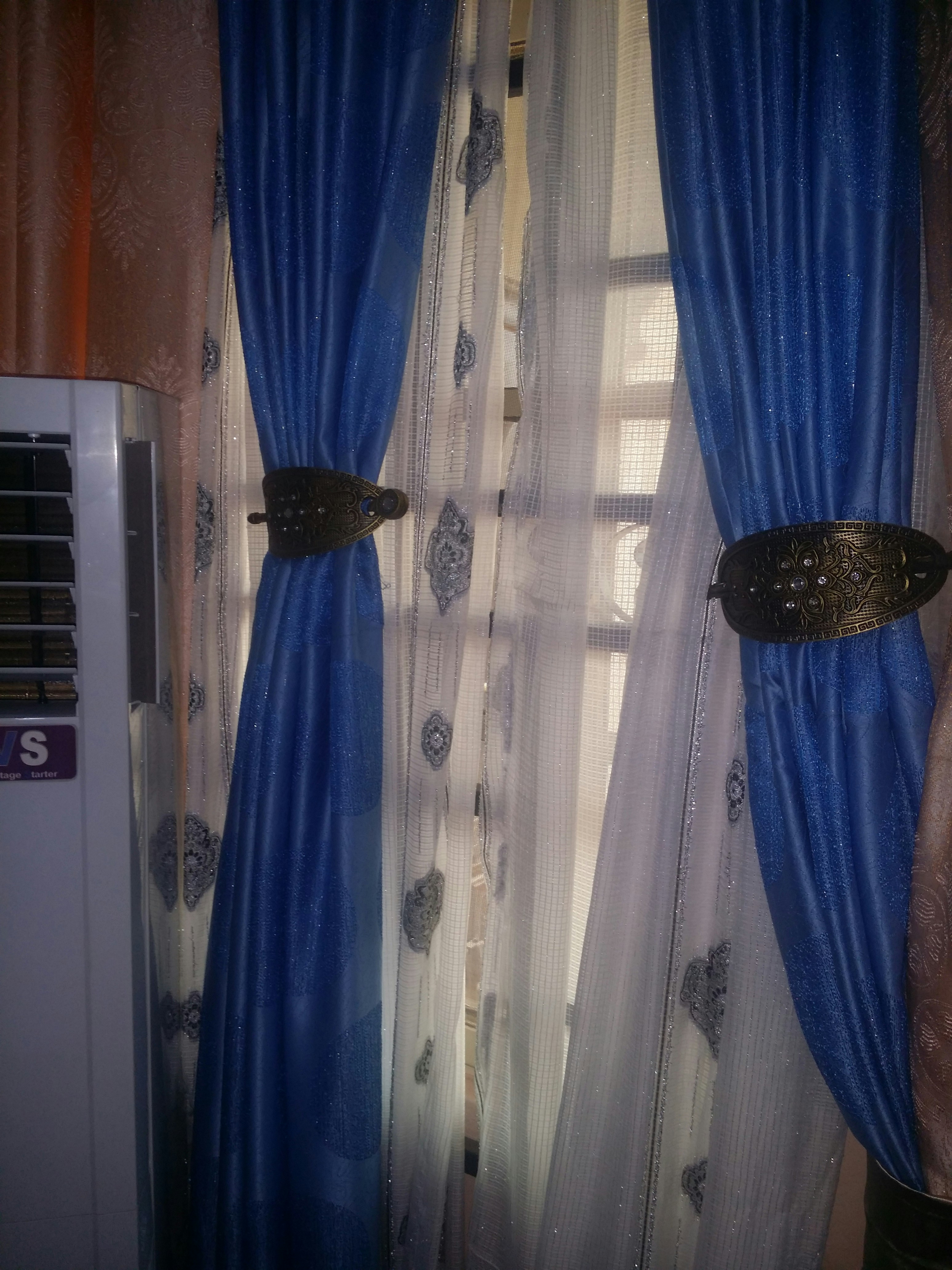
Back tab curtains are a versatile window treatment that can enhance the aesthetic appeal of any room. One way to incorporate them into various settings is by pairing them with sheer curtains. The lightweight, translucent nature of sheers allows natural light to filter through while adding an ethereal quality to the space. By layering back tab curtains with sheers, one can achieve an elegant and sophisticated look that is both functional and visually appealing. Consider using sheer curtains in complementary colors to create a soft contrast with the back tab curtains.
Another creative idea is the combination of back tab curtains with decorative valances. Utilizing a valance above the back tab curtains can add an additional layer of dimension and depth to the window treatment. Opt for valances in patterns or colors that coordinate with the curtains, ensuring a harmonious look. This approach works particularly well in more traditional or formal settings where a polished appearance is desired.
For a more modern touch, decorative rods can be utilized to enhance the overall design of the back tab curtains. Choosing a rod with unique textures or finishes, such as matte black or brushed gold, can create a statement piece while supporting the practicality of the curtains. Furthermore, consider adjusting the length of the back tab curtains to just touch the floor or to gracefully puddle for a more dramatic effect. In family or casual areas, using playful colors or patterns can further personalize the space, reflecting individual style preferences.
Ultimately, back tab curtains provide an excellent opportunity to express creativity and style in any room. By experimenting with different elements such as sheers, valances, and decorative rods, homeowners can curate a window treatment that complements their decor and enhances the ambiance of the space.
Common Mistakes to Avoid
When it comes to choosing and installing back tab curtains, many individuals encounter a series of common pitfalls that can detract from the intended aesthetic and functionality of their living spaces. By understanding these mistakes, readers can make informed decisions that enhance their home’s decor.
One prevalent error is improper measurement. Accurate measurements are crucial to ensure the curtains fit the designated window space effectively. Lacking precision can lead to curtains that are either too short or excessively long, which may disrupt the overall appearance of the room. When measuring, it is essential to consider the height from the curtain rod to the floor or the desired point of termination. Additionally, allowing adequate width for the desired fullness is vital; typically, allowing two to three times the width of the window is advisable.
Another common mistake is neglecting to assess compatibility with existing decor. Back tab curtains come in various styles, colors, and patterns. It is crucial to coordinate the chosen curtains with the overall color palette and design theme of the room. Curtains that clash with furniture, wall colors, or other decor elements can create visual discord, rather than complementing the space. Spending time to visualize how the back tab curtains will fit into the room’s aesthetic is a worthwhile investment.
Choosing the wrong fabric is also a significant misstep. Selecting inappropriate materials can affect both the functionality and feel of the curtains. For instance, heavy fabrics may obstruct light and frustrate individuals seeking a more illuminated space, whereas lightweight fabrics can fail to provide the necessary privacy or insulation. Therefore, considering the intended use of the room, such as whether it requires warmth or light control, is essential when selecting the fabric for back tab curtains.
Conclusion: The Allure of Back Tab Curtains
Back tab curtains have emerged as an appealing option for those seeking to enhance their interiors with style and function. Throughout this guide, we have explored the fundamental characteristics that define back tab curtains, highlighting their unique design which utilizes concealed tabs for a clean and sophisticated appearance. This construction allows for smooth, uninterrupted draping, which not only elevates the aesthetic of a room but also ensures a refined finish.
One of the most compelling advantages of back tab curtains is their versatility. They are available in a multitude of fabrics, colors, and patterns, making them suitable for any decor style, from contemporary to traditional. This adaptability enables homeowners to seamlessly integrate back tab curtains into their existing space, whether it be through light-filtering options for a cozy atmosphere or blackout materials for ultimate privacy and light control.
Moreover, the functionality of back tab curtains cannot be overstated. Their design allows for effortless hanging and sliding, facilitating easy management of natural light and ventilation. Additionally, back tab curtains can be paired with rods or tracks tailored to individual preferences, offering additional flexibility in installation. This makes them not only a beautiful choice but also a practical one, catering to the diverse needs of modern living.
As we wrap up this comprehensive guide, it’s clear that back tab curtains offer an elegant solution for window treatments, merging style with functionality. We invite you to contemplate incorporating these stunning curtains into your next home project. Consider exploring additional styles or sharing your experiences with back tab curtains in your own decorating journey. Your insights could inspire others to discover the allure of back tab curtains for their spaces.