Introduction to Polyester
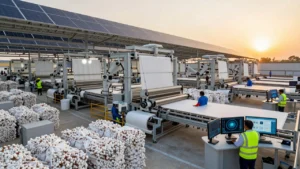
Polyester is a synthetic fabric that has become one of the most widely used textiles in the modern world. Developed in the early 20th century, the origins of polyester can be traced back to the pursuit of creating durable and versatile fibers. The process involves polymerization, where monomers are chemically bonded to form long, repeating chains. The most common type of polyester, polyethylene terephthalate (PET), is derived from petrochemicals, specifically terephthalic acid and ethylene glycol. This manufacturing process allows for a range of polyester fibers that vary in texture, strength, and application.
Polyester’s significance in the textile industry is multifaceted. The fabric’s inherent properties, such as its resistance to shrinking, stretching, and mildew, make it an ideal choice for a variety of applications. Furthermore, its ability to retain color and resist wrinkles adds to its appeal for both consumers and manufacturers. As a result, polyester is frequently used in apparel, home furnishings, and industrial products. Its lightweight nature and durability allow it to withstand the rigors of daily use, while its affordability makes it accessible to a broad audience.
In addition to its practical attributes, polyester has been the focus of environmental considerations, especially in recent years. Researchers and manufacturers are continuously exploring sustainable methods for producing polyester, as well as recycling options for polyester garments. This ongoing innovation demonstrates the fabric’s adaptability in meeting contemporary market demands while addressing ecological concerns. Hence, understanding polyester’s origins and properties provides valuable insight into its pervasive role in modern textile applications.
The Properties of Polyester
Polyester is a synthetic fabric known for its remarkable properties that make it a popular choice in various applications. One of the most notable characteristics of polyester is its durability. Unlike natural fibers, polyester can withstand the rigors of everyday use without easily succumbing to wear and tear. This level of durability ensures that products made from polyester maintain their aesthetic and functional integrity over time.
Additionally, polyester exhibits high strength, which means that it can endure significant tension and pressure without breaking. This attribute is particularly advantageous in the production of items such as outdoor gear, industrial textiles, and upholstery, where robustness is crucial. Coupled with its strength, polyester is also resistant to stretching and shrinking. This property allows garments and fabrics made from polyester to retain their shape even after numerous washes, making it an ideal option for clothing and household textiles.
Another significant property of polyester is its water resistance. Polyester fibers possess a low moisture absorption rate, enabling the fabric to dry quickly and resist water penetration. This characteristic is valuable in applications ranging from activewear to outdoor equipment, where moisture management is essential. Moreover, the fabric’s quick-drying nature helps prevent the growth of mold and mildew, enhancing its suitability for various environments.
Further reinforcing its functionality, polyester is easy to care for, as it generally maintains its appearance without requiring extensive washing or special treatment. The combination of these properties—durability, strength, water resistance, and resistance to distortion—makes polyester an exceptional material in the textile marketplace, finding uses in everything from fashionable apparel to industrial-grade products.
Types of Polyester Fabrics
Polyester is a highly versatile fabric that comes in various types, each catering to specific needs and applications. Understanding the different types of polyester fabrics is essential for consumers and manufacturers alike, as it greatly influences decisions based on performance, aesthetics, and sustainability. One common type is basic polyester, known for its durability, wrinkle resistance, and ease of care. Basic polyester is often used in clothing, home textiles, and various industrial applications because of its affordability and reliable characteristics.
Another type is micro polyester, which features a finer yarn structure that produces an exceptionally soft, lightweight, and breathable fabric. This type is particularly popular in activewear, outerwear, and high-performance athletic apparel due to its moisture-wicking properties and ability to regulate temperature. The smooth finish of micro polyester also lends itself well to fashion-forward designs, making it a preferred choice for modern clothing collections.
Recycled polyester represents a growing trend focused on sustainability. Made from recycled plastics, this fabric significantly reduces environmental impact while still providing the benefits associated with traditional polyester. Recycled polyester is increasingly being adopted by brands aiming to appeal to environmentally conscious consumers without sacrificing style or functionality. Additionally, blended polyester fabrics combine polyester fibers with natural fibers like cotton or wool. This blend enhances comfort, breathability, and texture while retaining the strength and durability of polyester, making it an excellent choice for clothing and various household items.
In conclusion, the diverse types of polyester fabrics serve a multitude of purposes across different sectors. From basic polyester to micro polyester, recycled options, and blended varieties, understanding these unique characteristics allows for informed choices in both fashion and functional applications.
Common Uses of Polyester
Polyester is a synthetic fabric that has gained immense popularity due to its versatility and practicality across various sectors. One of the primary applications of polyester is in the fashion industry, where it is widely used for clothing production. The material’s durability and resistance to wrinkles make it an ideal choice for everyday apparel, activewear, and formal garments. Additionally, polyester can be easily dyed and printed, allowing for an extensive range of styles and designs that cater to diverse consumer preferences.
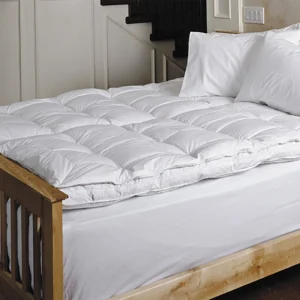
Beyond clothing, polyester plays a significant role in home furnishings. From upholstery to curtains and bed linens, polyester fibers offer remarkable strength and color retention, ensuring that home textiles maintain their aesthetic appeal even with regular use and cleaning. Its moisture-wicking properties also make polyester an excellent choice for outdoor textiles, such as tents, awnings, and patio furniture, thereby enhancing outdoor living experiences.
In the industrial sector, polyester is utilized for its robustness and low maintenance requirements. It is commonly found in manufacturing applications, including conveyor belts, insulation, and automotive components. Additionally, polyester is used in the production of various composite materials, where it serves as a bonding agent due to its ability to withstand stress and heat. The use of polyester in these applications not only enhances functionality but also contributes to overall cost-effectiveness, making it a preferred material in many industries.
Furthermore, polyester is increasingly being incorporated in sustainable practices. Recycled polyester, made from plastic bottles and other post-consumer waste, is gaining traction as a more eco-friendly alternative. This not only reduces landfill waste but also promotes the circular economy. Overall, polyester’s adaptability and functionality across various applications underscore its significant role in contemporary manufacturing and consumer choices.
Advantages of Choosing Polyester
Polyester fabric has become increasingly popular in various applications, and it is essential to recognize the numerous advantages that this versatile material offers. One fundamental benefit of polyester is its cost-effectiveness. Compared to natural fibers, polyester tends to be less expensive, making it an appealing option for manufacturers and consumers alike. The affordability of polyester does not compromise its quality, thus providing an economically feasible choice for clothing, upholstery, and home textiles.
Another significant advantage of polyester is its easy care. Unlike many natural fabrics, polyester is known for its wrinkle resistance and quick-drying properties. This characteristic makes it particularly beneficial for busy individuals who seek low-maintenance clothing options. Items made from polyester can often be machine-washed and dried without the need for special care, allowing for convenience in everyday use.
Longevity is yet another benefit that sets polyester apart from its cotton or wool counterparts. Polyester’s strong fibers ensure that it withstands wear and tear over time, maintaining its integrity and appearance much longer than many other fabrics. This durability provides consumers with the satisfaction of a lasting investment, ultimately contributing to reduced textile waste as garments have longer lifespans.
Versatility is inherent in polyester’s structure, allowing it to adapt to various styles and applications. From athletic wear to formal attire, polyester can be blended with other fibers to enhance its properties, achieving a wide range of textures and functionalities. Its ability to take on vibrant colors and patterns also make it a favored choice for fashion designers and manufacturers.
Lastly, polyester exhibits impressive resistance to environmental factors such as mildew, mold, and ultraviolet light. This resistance ensures that polyester fabrics maintain their appearance and usability, even in outdoor settings or humid conditions. Collectively, these advantages illustrate why choosing polyester is a rational decision for both consumers and manufacturers seeking effectiveness, durability, and style in their fabric choices.
Environmental Impact of Polyester
Polyester, a popular synthetic fabric derived from petroleum, has gained significant attention in recent years due to its environmental implications. The production process for polyester is resource-intensive, typically requiring large quantities of fossil fuels, water, and energy. Its rapid growth in usage, especially in the fashion and textile industries, raises concerns about sustainability and the ecological footprint associated with its manufacturing and disposal.
One of the primary concerns regarding polyester is its contribution to plastic pollution. As it is a non-biodegradable material, polyester garments can take hundreds of years to decompose in landfills. Furthermore, washing polyester can lead to the release of microplastics into waterways, which pose a threat to aquatic life and ecosystems. To mitigate these issues, ongoing research and innovative approaches are being explored, leading to advancements in recycling practices for polyester.
Recycling polyester has emerged as a sustainable alternative to reduce waste and emissions. Several companies now utilize recycled polyester, commonly known as rPET, which is made from post-consumer plastic bottles and other discarded polyester items. This practice diminishes the need for virgin resources and reduces the overall environmental impact associated with new polyester production. Additionally, the use of eco-friendly production techniques, such as recycling facilities and techniques that utilize less water and energy, is becoming more prevalent in the industry.
Moreover, advancements in biopolyester are fostering hope for future developments in sustainable fabric production. Research into plant-based polyester and biodegradable alternatives aims to reduce reliance on petroleum-based resources. By creating eco-conscious approaches to polyester manufacturing and recycling, stakeholders can ensure the fabric remains a viable option while addressing environmental concerns. This proactive approach emphasizes the importance of maintaining a balance between consumer demand for versatility in textiles and the need for sustainable practices to protect our planet.
Care and Maintenance of Polyester Fabrics
To ensure that polyester fabrics maintain their appearance and durability over time, proper care and maintenance are essential. Polyester is a synthetic fiber known for its resilience and ease of care, making it a popular choice in various clothing and textile applications. When washing polyester, it is advisable to follow a few key guidelines.
Firstly, polyester garments can typically be machine washed, but it is best to use cold or warm water settings. Hot water can cause the fibers to lose shape or fade. It is wise to turn garments inside out before washing to reduce friction and protect any printed or decorative elements. Regular laundry detergent is usually sufficient, although it is recommended to avoid bleach, as it can damage the synthetic fibers.
When drying polyester, air drying is the optimal method, as it helps prevent shrinkage and maintains the fabric’s integrity. If using a tumble dryer, select a low heat setting to minimize the risk of melting or altering the fabric’s texture. Remove items promptly from the dryer to avoid wrinkles and limit the need for ironing.
In terms of stain removal, polyester fabrics are relatively stain-resistant; however, they can still be susceptible to some common spots. For food stains, immediate action is most effective. Blot the stain with a clean cloth and rinse with cold water. For tougher stains, a gentle stain remover can be applied directly to the affected area before washing. Always conduct a spot test on a hidden area of the fabric to ensure the chosen cleaning solution does not cause discoloration.
Finally, for long-term storage of polyester items, it is best to keep them in a cool, dry place away from direct sunlight to prevent fading. Avoid folding heavily weighted items to maintain their shape. Following these simple care tips will help sustain the quality and appearance of polyester fabrics for years to come.
Comparing Polyester with Other Fabrics
Polyester is a synthetic fabric known for its durability and versatility. When comparing polyester with natural fabrics such as cotton and wool, several key differences emerge. Cotton, a popular natural fiber, is highly regarded for its softness and breathability. However, while cotton fabrics provide comfort during warm weather, they can absorb moisture, making them prone to mildew and odors. Polyester, in contrast, is moisture-wicking, which helps it to dry faster and maintain freshness even under humid conditions.
Furthermore, cotton is more susceptible to wrinkles and shrinkage when subjected to washing, which underlines polyester’s advantage in terms of maintenance. The polyester fabric retains its shape and color, making it a practical selection for clothes that endure frequent wear. Additionally, it exhibits strong resistance to fading, which is not always the case with cotton or wool fabrics.
When considering wool, which is prized for its thermal insulation and moisture absorption properties, polyester has its own advantages. Wool can be itchy for some individuals, while polyester fibers often offer a softer touch, making them suitable for sensitive skin. Wool absorbs significant moisture, which can make it heavy and uncomfortable when wet. Conversely, polyester’s quick-drying nature and lightweight quality render it preferable for outdoor and athletic wear.
Nylon is another synthetic fabric closely associated with polyester, often used for similar applications such as outerwear and activewear. While nylon is known for its strength and elasticity, polyester dominates in stain resistance and color retention. This makes polyester increasingly favorable for shared clothing items or household textiles that require frequent washing.
In conclusion, each fabric has its unique properties that cater to different needs. Polyester’s durability, maintenance ease, and performance in diverse situations give it distinct advantages, facilitating informed decisions when choosing fabrics for various applications.
Conclusion: The Future of Polyester
In reviewing the extensive properties, uses, and benefits of polyester, it is evident that this fabric has secured its place as a staple in the textile industry. With characteristics such as durability, resistance to wrinkles, and ease of care, polyester offers versatility in a variety of applications, ranging from clothing to home furnishings and industrial uses. Its ability to blend well with other fibers enhances the fabric’s desirability, catering to the demands of consumers who prioritize quality and performance.
Looking toward the future, emerging trends indicate that polyester is poised for transformation. As sustainability becomes a pressing concern within the fashion and textile sectors, ongoing innovations in polyester production have gained significant traction. Manufacturers are increasingly exploring eco-friendly alternatives, such as recycled polyester, which is produced from post-consumer plastic bottles and other waste materials. This shift not only reduces the environmental impact of fabric production but also meets the demand for sustainable practices from consumers.
Furthermore, advancements in technology promise to enhance polyester’s functionalities, enabling the creation of smart textiles that respond to environmental conditions. For instance, moisture-wicking and temperature-regulating polyester fabrics are emerging, offering improved performance for activewear. As research continues to evolve, additional applications for polyester are likely to be discovered, aligning with the consumer preferences for comfort and functionality.
In summary, the future of polyester appears promising, particularly as it adapts to the growing emphasis on sustainability and innovation. The ongoing commitment to develop environmentally friendly and technologically advanced polyester will shape its trajectory, ensuring that this versatile fabric remains a fundamental part of the textile industry while addressing contemporary issues. The potential for polyester to evolve further will likely reaffirm its status as a preferred choice among both manufacturers and consumers alike.