Introduction to Hotel Linen Replacement
The replacement of hotel linens is a critical aspect of maintaining a high standard of hygiene and guest satisfaction within the hospitality industry. Linens, including bed sheets, pillowcases, towels, and tablecloths, play a vital role in the overall guest experience. The perception of cleanliness directly influences a guest’s comfort and likelihood of returning to a hotel. Therefore, the proper replacement cycle for these items is essential for upholding the establishment’s reputation and ensuring compliance with health regulations.
Several factors influence the frequency at which hotel linens should be replaced. The type of hotel is a primary consideration; luxury hotels with high occupancy rates and premium clientele often require more frequent replacement of linens to meet elevated expectations. Conversely, budget or mid-range hotels may adopt less stringent replacement cycles, focusing on practicality without compromising hygiene. Additionally, occupancy rates themselves can heavily impact linen usage. For instance, during peak seasons or events, linens may endure greater wear and tear, necessitating more frequent changes to maintain quality and appearance.
Seasonal variations also play a significant role in determining linen replacement cycles. Hotels may experience fluctuations in guest numbers based on holidays, climate conditions, and local events, which could influence how often linens are changed. For example, a resort located in a warm climate might see increased usage of pool towels during summer, leading to a higher turnover rate for those specific items. Overall, understanding these factors is essential for hotel managers aiming to implement effective linen replacement strategies that align with hygiene standards while maximizing cost efficiency.
Understanding the Types of Hotel Linens
In the hospitality industry, the quality and type of linens significantly influence guest experience and satisfaction. Various types of hotel linens serve different functions and are subjected to varying degrees of wear and tear, which in turn affects their replacement cycles.
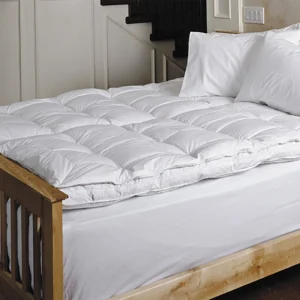
Bed sheets are the most fundamental type of hotel linen, typically made from cotton or a cotton-polyester blend to ensure comfort and durability. These sheets undergo frequent laundering—often after each guest’s stay—prompting a reduced lifespan compared to other linens. Standard replacement cycles for bed linens can range from 18 to 24 months, depending on the fabric quality and frequency of use.
Pillowcases, akin to bed sheets, experience considerable contact with oils, dirt, and moisture from nightly use. Thus, they require regular laundering and may need replacement around the same timeframe as sheets—approximately every 18 to 24 months. However, signs of wear, such as fraying or discoloration, may necessitate premature replacement.
Towels represent another critical category of hotel linens, used extensively in bathrooms and for pool areas. Due to their repeated exposure to water and detergent, bath towels and hand towels can wear out more quickly than bed linens, with a recommended replacement cycle of 12 to 18 months. The material used plays a crucial role, with higher-quality cotton towels lasting longer than their lower-grade counterparts.
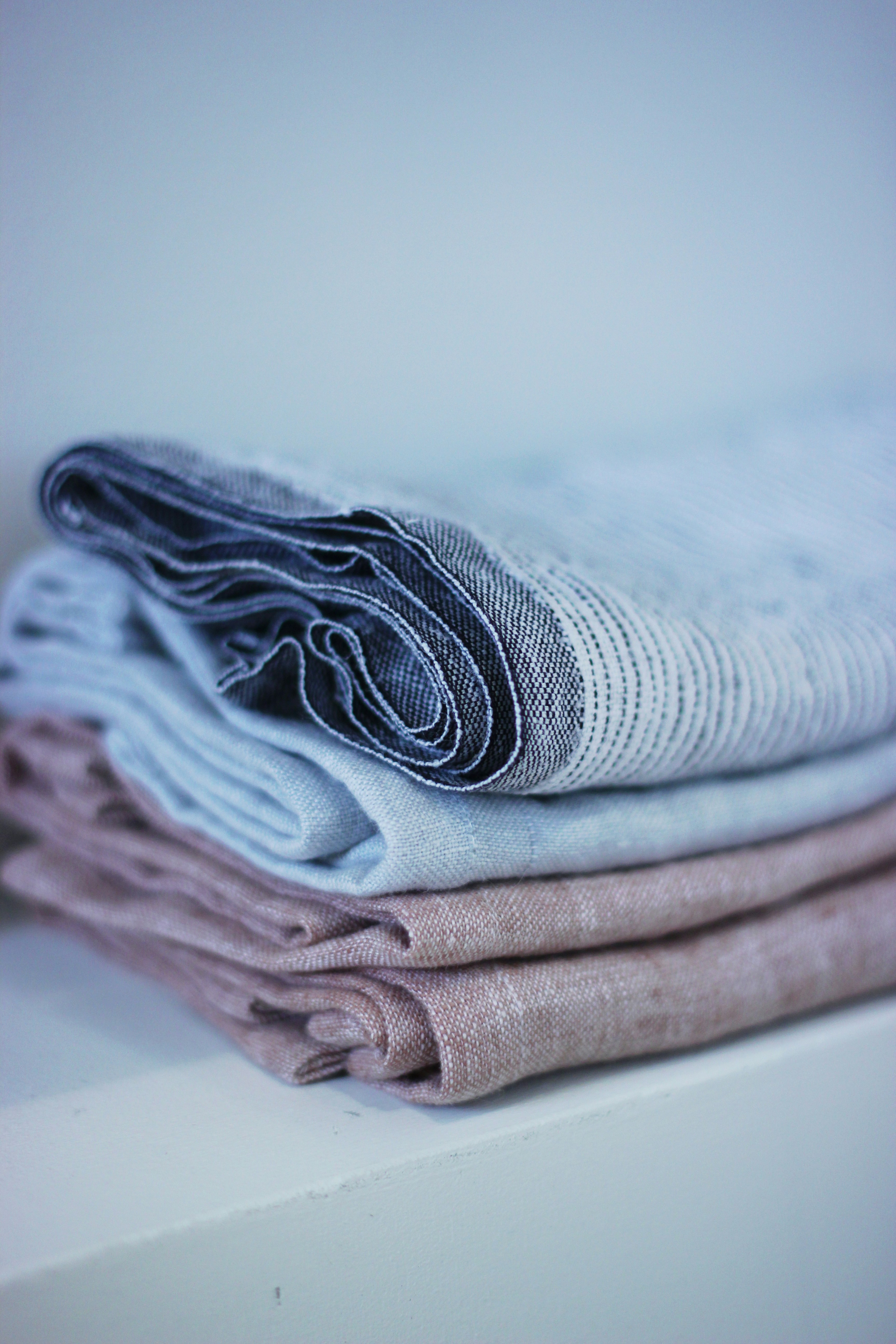
Lastly, table linens, including tablecloths and napkins, also contribute to the overall aesthetic and functionality of dining spaces. These linens are often subjected to spills and stains and are typically replaced every 12 to 24 months, contingent upon their fabric type and laundering frequency. Hence, a thorough understanding of these diverse types of hotel linens is essential for effective management and optimal replacement strategies, ensuring both quality service and operational efficiency.
Factors Influencing Linen Change Frequency
Determining the optimal linen change frequency in hospitality settings involves several critical factors that play a significant role in maintaining the quality and hygiene of hotel linens. Among these considerations, occupancy rates stand out as a primary determinant; higher occupancy correlates with increased usage of linens. In scenarios where a hotel experiences peak occupancy, linens are subjected to more wear and tear, necessitating more frequent changes to uphold hygiene standards and guest satisfaction.
The length of stay of guests is another essential factor to take into account. Guests staying for extended periods may require linens to be changed more frequently due to prolonged use. This not only enhances comfort but also aligns with cleanliness expectations. In contrast, short-stay guests may not demand as many linen changes, allowing for a more flexible schedule. Tracking guest patterns can help management determine appropriate linen change cycles tailored to occupancy and stay length.
Moreover, the type of events hosted at the hotel significantly influences linen replacement needs. Events such as conferences or weddings often lead to increased linen use in banquet facilities and meeting rooms. The demands from these special occasions typically necessitate more frequent linen replacements to meet higher standards of cleanliness. Additionally, hygiene regulations play a pivotal role and vary by region. Compliance with local health codes often dictates how often linens should be changed, especially in areas with stringent guidelines to prevent the spread of pathogens.
In summary, understanding the interplay between occupancy rates, guest length of stay, event types, and hygiene regulations is vital in determining effective linen change frequencies. Each factor contributes to ensuring linens are kept in optimal condition, reflecting a commitment to guest comfort and health.
Establishing a Replacement Schedule
Developing an effective linen replacement schedule is essential for maintaining operational efficiency and elevating guest satisfaction in the hotel industry. Hotel managers should begin by assessing their current linens. This involves evaluating not only the physical condition of bed sheets, towels, and other textiles but also their overall impact on the guest experience. Signs of wear, such as discoloration, fraying, or fading, can diminish the appeal of a hotel room, making a thorough inspection imperative.
After the assessment, the next step is to determine optimal replacement intervals. Generally, hotel linens tend to have varying lifespan depending on their frequency of use, the quality of materials, and laundering practices. For instance, high-quality linens may withstand more washes compared to lower-quality options. A rule of thumb is to replace bed linens every 2-3 years, while towels may require annual replacement, especially in high-traffic hotels. Factoring in the hotel’s specific needs and guest turnover rates is critical in this determination.
Creating a systematic plan for linen replacement should align with operational needs and budgetary concerns. This can be achieved by developing a replacement timeline that marks scheduled intervals for assessment and replacement. In conjunction with this timeline, it is advisable to maintain a consistent record of linen purchases and replacements. This comprehensive approach ensures that managers can anticipate budget impacts while upholding quality standards. Moreover, adopting sustainable practices, such as choosing eco-friendly linens, can also enhance a hotel’s reputation while providing cost-effective benefits over time.
In summary, establishing a linen replacement schedule involves careful evaluation of current inventory, understanding usage patterns, and planning strategically to meet both operational and financial objectives. Following these guidelines will ultimately ensure that hotel linens contribute positively to the overall guest experience.
Case Studies: Successful Linen Management
In recent years, various hotels have initiated innovative linen management strategies that have proven successful in enhancing both guest satisfaction and operational efficiency. These case studies illustrate the approaches undertaken by notable establishments, shedding light on specific strategies, challenges faced, and measurable results achieved in linen replacement cycles.
One of the leading hotels in New York City implemented a comprehensive linen management system that emphasized sustainability and guest experience. By analyzing guest feedback and operational data, the hotel identified an optimal replacement cycle that balanced freshness with environmental responsibility. They introduced high-quality, durable linens that reduced the need for frequent replacements. Moreover, the hotel trained staff on best practices for laundering and maintaining linen quality, resulting in a 30% decrease in linen usage without compromising guest satisfaction. The initiative culminated in a 15% increase in positive reviews concerning room cleanliness, showcasing a direct correlation between linen management and guest experience.
Another case study from a resort in Colorado highlights how consistent data analysis can lead to improved linen replacement cycles. The resort employed advanced software to track linen wear and tear, allowing management to identify patterns in linen lifespans. The resort adopted a policy of changing linens based on actual usage rather than a fixed schedule. This adaptive approach minimized waste, reduced unnecessary laundry, and ultimately enhanced operational efficiency. It resulted in a 25% cost reduction in laundry services and an uptick in guest satisfaction ratings, particularly regarding perceived cleanliness and comfort.
Lastly, a boutique hotel in San Francisco faced the challenge of maintaining high standards amidst fluctuating occupancy rates. By introducing a flexible linen replacement schedule, coupled with staff training on effective linen care, the hotel was able to adapt to varying demands without sacrificing quality. After implementing these refined strategies, they reported an impressive increase in guest retention and a significant reduction in complaints related to linen quality. These case studies exemplify the tangible benefits of optimizing linen replacement cycles, reinforcing the notion that strategic linen management is essential for enhancing overall hotel operations.
Cost-Benefit Analysis of Linen Replacement
In the hospitality industry, managing the lifecycle of hotel linen is crucial for maintaining both quality and budgetary constraints. A thorough cost-benefit analysis of linen replacement helps hotel operators determine optimal change frequencies that not only impact financial outlays but also enhance guest satisfaction. The expenses associated with linen replacement include both the direct costs of purchasing new items and the indirect costs tied to laundry and upkeep.
When assessing the financial implications of different linen replacement frequencies, it is critical to consider the initial procurement costs. High-quality linens may have a higher upfront price; however, their durability can lead to lower replacement frequency. This results in reduced purchasing costs over time. On the other hand, cheaper linens might require more frequent replacement due to wear and tear, thus leading to increased long-term expenses. Analyzing this dynamic allows hotels to strike a balance between quality and cost, ensuring that the linens remain appealing and functional for guests.
Moreover, improving linen replacement cycles can offer significant savings on laundry expenses. Linens that are frequently replaced often remain in better condition, requiring less intensive cleaning and thus reducing labor and energy costs associated with laundry. In addition, when guests experience higher quality linens—such as softer sheets and linens with vibrant colors—they are more likely to express satisfaction in reviews and make repeat bookings. This increased guest loyalty can lead to enhanced revenue, further demonstrating the importance of strategically analyzing linen replacement timing.
Ultimately, conducting a cost-benefit analysis of linen replacement provides valuable insights into how financial decisions can directly influence guest experience. Hotels must approach linen replacement with a dual focus on cost management and service quality, ensuring that both elements effectively support overall operational success.
Incorporating Sustainability into Linen Replacement
The hospitality industry is increasingly recognizing the importance of sustainability, especially in the realm of linen management. As hotels strive to enhance their environmental responsibility, the approach to linen replacement cycles is evolving. The goal is to minimize waste while maintaining high standards of quality and guest satisfaction. Implementing eco-friendly practices not only fulfills a moral obligation but also appeals to a growing segment of environmentally conscious travelers.
One effective strategy for promoting sustainability in hotel linen replacement is the adoption of durable materials. Hotels can invest in high-quality linens that are made from sustainably sourced cotton or eco-friendly synthetic fibers. These materials tend to have a longer lifespan, which reduces the frequency of replacements and thereby decreases waste in landfills. Additionally, by choosing linens that are certified by recognized sustainability standards, hotels can ensure that they are supporting environmentally responsible practices throughout their supply chain.
Another avenue for minimizing waste is to optimize laundry practices. Implementing a linen reuse program, where guests are encouraged to forgo daily changes, can significantly reduce the number of wash cycles and the associated consumption of water and energy. Furthermore, it is essential to educate staff on the importance of efficient laundry operations, including proper washing techniques and chemical usage, to maximize resource conservation.
Hotels can also explore partnerships with organizations that specialize in linen recycling and repurposing. By donating or recycling old linens instead of discarding them, hotels can contribute to community initiatives and reduce their environmental footprint. This not only helps in achieving waste reduction goals but also enhances the hotel’s reputation as a socially responsible entity.
Incorporating sustainability into linen replacement cycles not only benefits the environment but also enhances a hotel’s appeal to guests who prioritize eco-friendly practices. By making conscious choices regarding materials, practices, and partnerships, hotels can lead the charge towards a more sustainable future in hospitality.
Challenges in Linen Replacement Management
Managing linen replacement effectively in hotels is fraught with challenges that can significantly impact both operational efficiency and guest satisfaction. One of the primary difficulties is staff training. Frequently, hotel staff is responsible for maintaining the standards of linen quality and adhering to replacement cycles. However, insufficient training often leads to improper handling, washing, and storage of linens, potentially resulting in premature wear and tear. To combat this, hotels should implement structured training programs that emphasize best practices in linen care and reinforce the importance of maintaining quality to meet guest expectations.
Another significant challenge is inventory control. Hotels must strike a balance between having sufficient linen stock and avoiding excessive inventory that can lead to increased costs and storage issues. An effective linen inventory management system is paramount. Regular audits and inventories must be conducted to ensure that the stock levels are accurate and that replacements can be made promptly when needed. Utilizing technology, such as inventory management software, can facilitate real-time tracking and help in forecasting linen requirements based on occupancy rates and seasonal trends.
Maintaining quality standards is an additional hurdle in linen management. Linens are subject to various types of damage, such as stains, tears, and fading, which can detract from the overall guest experience. Regular inspections should be conducted to assess the condition of linens, leading to timely replacements before they reach a point of unsatisfactory quality. These inspections can be complemented with feedback from housekeeping staff and guests to ensure that any issues are addressed promptly. Furthermore, sourcing high-quality linens from reputable suppliers can reduce the frequency of replacements and enhance the durability of the linens.
In conclusion, addressing these challenges through comprehensive training, effective inventory management, and stringent quality maintenance can significantly improve the linen replacement process in hotels, ultimately enhancing the overall guest experience.
Conclusion and Best Practices
In conclusion, determining the optimal cycle for hotel linen replacement is essential for maintaining both hygiene standards and guest satisfaction. Throughout this article, we have explored various factors that influence linen replacement frequency, such as the type of fabric used, the volume of usage, and the laundering processes employed. By carefully evaluating these elements, hotel operators can develop a tailored linen management strategy that enhances operational efficiency and aligns with industry standards.
One of the key takeaways is the importance of implementing a systematic approach towards linen management. Hotel operators should regularly assess the condition of their linens, taking into account wear and tear, staining, and changes in guest expectations. Regular audits can provide valuable insights into linen quality and help determine when replacements are necessary. This not only ensures that the linens remain in good condition, but also contributes to a positive guest experience, as fresh and clean linens play a crucial role in comfort and overall satisfaction.
Additionally, considering the sustainability aspect of linen replacement should not be overlooked. Selecting durable fabrics and employing environmentally friendly laundering practices can help establish a responsible hotel image while reducing operational costs. By incorporating eco-friendly options into the linen management strategy, hotels can attract eco-conscious travelers, further enhancing their market appeal.
In summary, hotel operators are encouraged to adopt best practices in linen replacement cycles, focusing on both quality and sustainability. Continuous monitoring and adaptation to new trends, combined with a robust framework for management, will enable hotels to maintain high standards while optimizing their linen-related operations. This proactive approach ultimately leads to improved guest satisfaction and long-term success in the competitive hospitality industry.