Introduction to Cotton Varieties
Cotton, one of the most widely used fibers in the textile industry, comes in many varieties, with Egyptian cotton and organic cotton being two of the most prominent. Understanding the differences between these two types is essential for consumers who seek both quality and sustainability in their purchases. Egyptian cotton, renowned for its long fibers, originates from the Nile River Valley. This variety is often deemed the gold standard in cotton due to its superior softness, durability, and luster. The long staple fibers contribute to its strength, making fabrics crafted from Egyptian cotton less likely to pill or fray, leading to a luxurious feel and a more extended lifespan for the products made from it.
On the other hand, organic cotton is cultivated without harmful synthetic pesticides or fertilizers, emphasizing environmental sustainability. This type is grown in conditions that promote biodiversity, soil health, and reduced resource consumption. As a result, organic cotton not only aims to provide a healthier option for consumers, but it also seeks to have a lesser ecological footprint. The focus on organic farming practices has increased its popularity among environmentally conscious consumers who prioritize sustainable living.
Both Egyptian and organic cotton have their unique characteristics and applications. Egyptian cotton is often found in high-end sheets, towels, and clothing, favored for its luxurious qualities. In contrast, organic cotton is frequently used in everyday clothing, baby products, and eco-friendly textiles, aligning with a growing demand for sustainable practices in the fashion industry. By understanding these two types of cotton, consumers can make informed decisions based on their preferences for quality, sustainability, and functionality, setting the stage for a deeper cost-benefit analysis of their individual values and priorities.
What is Egyptian Cotton?
Egyptian cotton is renowned for its superior quality and luxurious feel, originating from the Nile River Valley in Egypt. This region’s unique climate, characterized by a long growing season, ample sunshine, and fertile soil, contributes significantly to the exceptional characteristics of Egyptian cotton. The cotton plants grown in this area produce long, silky fibers, which are critical for creating high-quality fabrics. The extended growth period allows the cotton to ripen completely, leading to fibers that are longer and stronger than those produced in other regions.
One of the defining features of Egyptian cotton is its fiber length. Longer fibers, often referred to as “staple lengths,” are key to producing fabric with a luxurious texture. These fibers not only enhance the softness of the fabric but also contribute to its strength and durability. Additionally, the smoothness of the fibers results in less pilling and longer-lasting textiles, making Egyptian cotton a favored choice among manufacturers of high-end bedding, towels, and garments.
Moreover, Egyptian cotton is known for its breathability and moisture-wicking properties. These features make it an excellent option for warm climates, as it helps regulate body temperature and provides a comfortable sleep experience. The natural fibers also offer high absorbency, which contributes to the overall functionality of the fabrics made from Egyptian cotton.
In summary, the unique growing conditions and specific cultivation practices associated with Egyptian cotton result in fibers that are coveted for their length, strength, and softness. This reputation for premium quality has made Egyptian cotton synonymous with luxury, drawing buyers who seek both durability and an elevated tactile experience in their fabrics.
What is Organic Cotton?
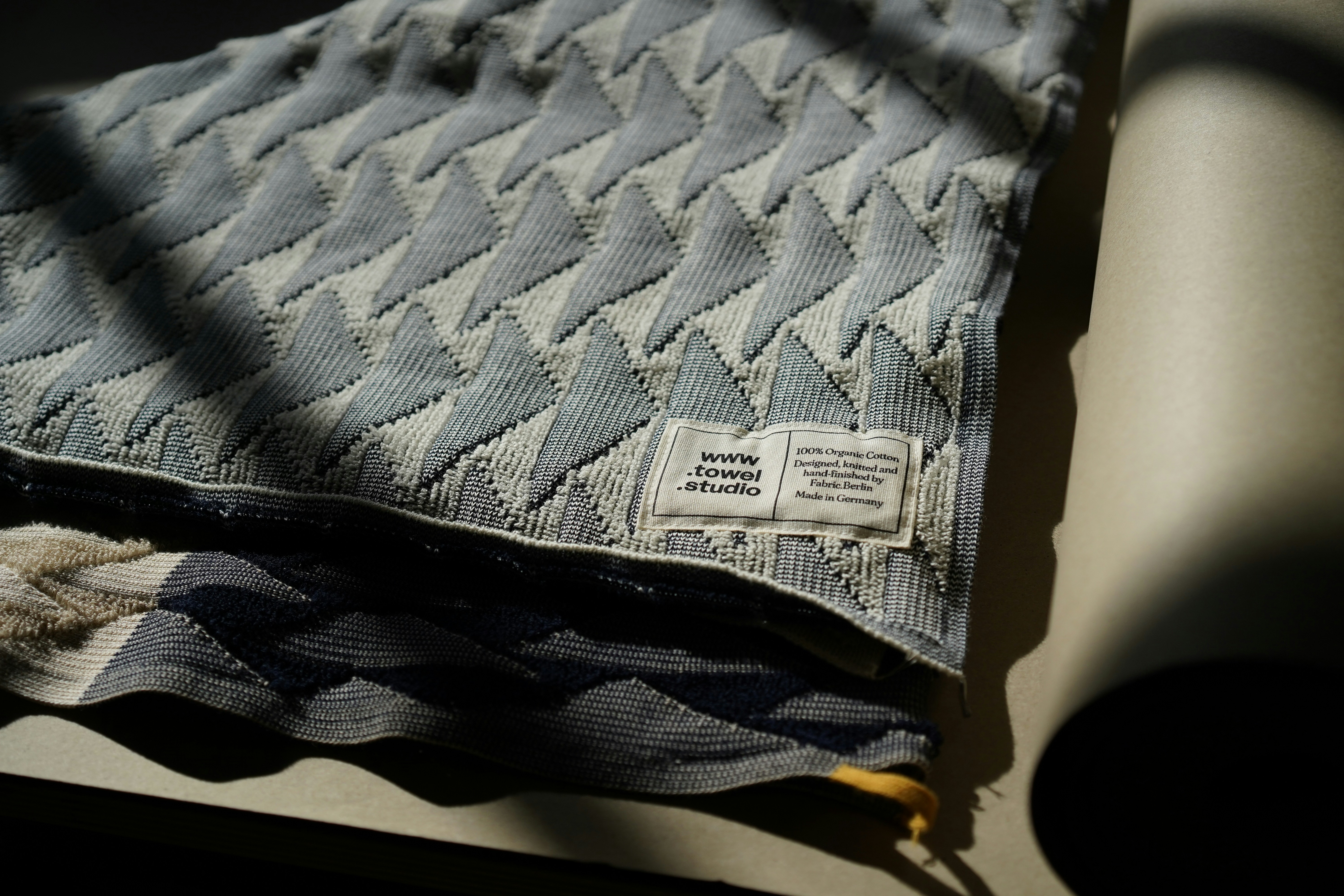
Organic cotton refers to cotton that is cultivated without the use of synthetic fertilizers, pesticides, or genetically modified organisms (GMOs). This farming method adheres to strict organic standards that prioritize ecological sustainability and environmental preservation. In contrast to conventional cotton farming, which often relies heavily on chemicals that can adversely affect soil health and biodiversity, organic cotton promotes a more holistic approach to agriculture.
The cultivation of organic cotton encourages the use of natural practices such as crop rotation, cover cropping, and organic composting. These methods help maintain soil fertility and promote a diverse ecosystem, ultimately resulting in healthier crops. The significance of sustainability in organic cotton production cannot be understated; by opting for organic cotton, consumers mitigate the detrimental effects of chemical agriculture on the environment. Additionally, organic practices often use less water than conventional methods, addressing increasing concerns over water conservation in cotton production.
Choosing organic cotton contributes to health benefits as well. The absence of harmful chemicals means that the final product is less likely to contain residues that can cause skin irritations and other health issues for consumers. Furthermore, organic cotton farming supports the well-being of farmers and their communities by reducing exposure to toxic substances, fostering safer working conditions. The benefits extend beyond health; organic cotton production typically supports biodiversity on farms, enhances soil quality, and can be part of a regenerative agricultural system. These advantages collectively underscore the importance of organic cotton in promoting a healthier planet and safer textile production.
Cost Comparison of Egyptian Cotton and Organic Cotton
When evaluating the costs associated with Egyptian cotton and organic cotton, various factors come into play that distinguish the two types of fabric. Egyptian cotton is often considered a luxury product due to its unique growing conditions and labor-intensive harvesting methods. The cultivation of Egyptian cotton occurs in a specific climate along the Nile River, which produces longer and finer fibers compared to standard cotton varieties. This premium quality, combined with high demand, contributes to a higher price point for Egyptian cotton products.
On the other hand, organic cotton is grown without the use of synthetic pesticides and fertilizers, which aligns with environmentally sustainable practices. The production costs for organic cotton can be higher initially due to the required certification process and the reduced crop yields compared to conventional methods. However, as consumer awareness of sustainability increases, the market for organic cotton continues to grow. This has led to fluctuations in pricing as demand dictates market dynamics.
In terms of specific pricing, Egyptian cotton typically ranges from $10 to $30 per yard, influenced by brand reputation and manufacturing processes. Conversely, organic cotton prices usually fall between $5 to $20 per yard. The price difference might appear significant at first glance; however, it is important to consider the long-term benefits associated with each material. Egyptian cotton products often offer enhanced durability and softness, which can justify the higher initial investment for some consumers. Meanwhile, organic cotton appeals to environmentally conscious buyers, providing a more sustainable option in the market.
Understanding these pricing structures enables consumers to make informed decisions based on their specific needs and values. As both types of cotton hold their unique advantages, weighing the financial implications against personal preferences is essential for a satisfactory purchasing experience.
Benefits of Egyptian Cotton
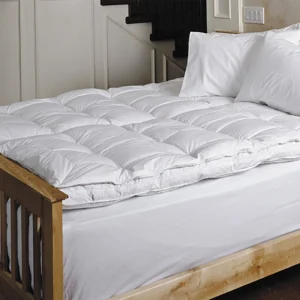
Egyptian cotton is renowned worldwide for its exceptional quality and luxurious feel. This unique cotton type boasts longer fibers compared to standard cotton, which not only contributes to its suppleness but also enhances its overall durability. Users frequently remark on the incredibly soft texture of Egyptian cotton products, making them a favored choice for bed linens, towels, and apparel. The premium experience associated with Egyptian cotton lies in its tactile quality, akin to a gentle caress against the skin, thus elevating everyday comfort to an extraordinary level.
In addition to its plush texture, the durability of Egyptian cotton is a significant selling point. The longer fibers result in a stronger and more resilient fabric, which helps to withstand wear and tear over time. A consumer might find that items made from Egyptian cotton last considerably longer than those made from ordinary cotton, reducing the frequency of replacements. This longevity can translate into cost savings in the long run, as buyers can invest in fewer high-quality products rather than repeatedly purchasing less durable alternatives.
Furthermore, the breathability of Egyptian cotton is another characteristic that enhances user experience. Best suited for various climates, this cotton allows air circulation, thereby regulating temperature and keeping users comfortable. As such, one might hear testimonials from satisfied customers who appreciate how their bedding remains comfortably cool in summer yet cozy in winter.
Experts in fabric quality also endorse Egyptian cotton for its superior moisture absorption properties, making it an excellent choice for towels and bed linens. The luxurious feel, exceptional durability, and longevity of Egyptian cotton justifiably reflect its higher price point, as it promises an enhanced user experience that is difficult for standard cotton to replicate.
Benefits of Organic Cotton
The choice to purchase organic cotton offers a multitude of benefits, both for consumers and the environment. One of the primary advantages of organic cotton is its environmental sustainability. Unlike conventional cotton, which often involves synthetic pesticides and fertilizers, organic cotton is cultivated using methods that promote biodiversity and soil health. This approach minimizes harmful chemicals in ecosystems, supporting a more balanced and sustainable agricultural practice. Additionally, organic farming reduces water usage significantly, contributing to better water conservation efforts.
Another compelling reason to consider organic cotton is the health benefits it provides to consumers. Conventional cotton may be treated with various chemicals during its growth and processing, which can lead to health issues for those with sensitivities or allergies. Conversely, organic cotton is grown without these harmful substances, resulting in a product that is not only safer for direct contact with skin but also promotes overall well-being. This is particularly important for individuals who prioritize products that do not exacerbate allergic reactions or skin irritations.
Furthermore, the positive impact on farming communities should not be overlooked. Organic cotton farming often involves smaller, family-run farms where fair labor practices are observed. By supporting organic cotton, consumers are contributing to the livelihoods of farmers and encouraging sustainable agricultural practices that benefit communities. This fosters a sense of ethical consumption, empowering buyers to make decisions that align with their values. When consumers choose organic cotton, they are not just opting for a product; they are supporting a movement towards environmentally friendly, health-conscious, and socially responsible farming.
Potential Drawbacks of Each Type
When considering Egyptian cotton and organic cotton, it is essential to acknowledge that each type has its drawbacks, which may influence a buyer’s decision. Starting with Egyptian cotton, one significant concern is its availability. Authentic Egyptian cotton is primarily grown in specific regions along the Nile River, which can lead to limited supply and significant price fluctuations based on agricultural conditions and market demand. This can make it harder for consumers to acquire the desired quantities, especially during peak demand seasons.
Moreover, the prevalence of counterfeit products in the market poses another challenge. Many products marketed as Egyptian cotton may not meet the established quality standards, as some manufacturers might blend lower-quality fibers or misrepresent their goods. Consequently, consumers may need to conduct thorough research and buy from reputable sources to ensure they receive genuine Egyptian cotton. This vigilance can add inconvenience to the purchasing process and may lead to frustration.
On the other hand, organic cotton has its own set of limitations. While it is touted for its environmental and health benefits, the production costs of organic cotton can be significantly higher than conventional cotton due to the stringent farming practices required. Organic farmers need to maintain soil health and avoid synthetic fertilizers and pesticides, which can lead to increased operational costs. Consequently, consumers may encounter higher retail prices for organic cotton products, which may deter some buyers.
Moreover, organic cotton may also experience accessibility issues, especially in regions where it is not widely produced. This scarcity can limit options for consumers looking for diverse product offerings. Additionally, while the market for organic products is growing, not all retailers stock organic cotton items, making them less accessible to consumers. Being fully informed about these potential drawbacks allows buyers to make more deliberate choices in purchasing either Egyptian or organic cotton products.
Consumer Considerations: Making the Right Choice
When selecting between Egyptian cotton and organic cotton, consumers should assess several factors to ensure their choice aligns with their individual needs and values. Firstly, the intended use of the fabric significantly influences the decision-making process. For instance, Egyptian cotton is often regarded as a luxury fabric, characterized by its exceptional softness, durability, and sheen, making it an excellent option for bedding and high-end apparel. Conversely, organic cotton, known for its eco-friendly properties, can be an ideal choice for those seeking comfortable and sustainable clothing or home textiles.
Another important consideration involves personal values, particularly regarding environmental sustainability. Organic cotton is grown without synthetic pesticides or fertilizers, promoting ecological health and reducing the chemical load on the environment. This factor resonates with environmentally conscious consumers who prioritize sustainable practices. On the other hand, Egyptian cotton, while luxurious, may not necessarily align with eco-friendly initiatives; thus, consumers must weigh their desire for luxury against their commitment to sustainability when making their selection.
Budget is another crucial aspect that should not be overlooked. Egyptian cotton products often come with a higher price tag due to their premium quality and the labor-intensive harvesting process. This consideration prompts consumers to evaluate their financial constraints and determine if the investment in Egyptian cotton is justified based on its longevity and performance. Organic cotton, while sometimes priced higher than conventional cotton, can vary widely in cost, depending on brand and certification standards. By comparing prices and quality, consumers can identify the most suitable options within their budget.
Ultimately, an informed choice between Egyptian cotton and organic cotton involves careful consideration of the intended use, personal values regarding sustainability, and budgetary constraints. By prioritizing these factors, consumers can confidently choose the fabric that best meets their needs.
Conclusion: Weighing the Options
In evaluating the benefits and drawbacks of Egyptian cotton and organic cotton, it is essential to consider various personal and environmental factors that affect purchasing decisions. Egyptian cotton, often hailed for its luxurious feel and durability, typically comes at a higher price point. Its long fibers not only enhance the tactile experience but also contribute to the longevity of the fabric. However, the production of Egyptian cotton often raises concerns about water consumption and agricultural practices, which can be detrimental to ecosystems.
On the other hand, organic cotton presents a compelling case for consumers who prioritize environmental sustainability and ethical production methods. Grown without synthetic pesticides and fertilizers, organic cotton is typically produced in a manner that has a significantly reduced environmental footprint. This approach supports biodiversity and healthier soil, appealing to those who are environmentally conscious. However, organic cotton products can also carry a higher price compared to conventional cotton options, similar to the cost associated with premium Egyptian cotton. This may ultimately lead to a perception that organic cotton is less accessible to some consumers.
Ultimately, the choice between Egyptian cotton and organic cotton hinges on individual preferences, values, and priorities. For some, the tactile luxury of Egyptian cotton may outweigh environmental considerations, while others may find satisfaction in choosing organic cotton as a statement of support for sustainable practices. It is crucial for consumers to reflect on their needs and values, engaging thoughtfully with their purchasing decisions. By weighing the costs and benefits of each cotton type, buyers can make informed choices that align with their lifestyle and ethical considerations.