Understanding Humidity and Its Effects on Sleep
Humidity refers to the concentration of water vapor present in the air. It plays a critical role in determining the comfort levels within a living environment, especially in high-humidity climates where moisture levels are significantly elevated. When humidity levels rise, typically above 60%, the air becomes saturated with moisture, leading to various physiological challenges that can influence sleep quality.
One primary effect of high humidity on the body is its impact on thermoregulation. The human body naturally cools itself through the process of sweating. In a humid environment, however, the moisture in the air inhibits the evaporation of sweat, causing the body temperature to rise. This overheating can lead to discomfort, making it increasingly difficult to achieve a restful night’s sleep. As temperatures soar and the humid conditions persist, individuals may experience disrupted sleep patterns, increased wakefulness, and a reduced overall sleep quality.
In addition to physical discomfort, high humidity levels can also contribute to increased perspiration during the night. This can create an unpleasant sleeping environment, characterized by damp sheets and sticky skin. The sensation of being too hot can lead to tossing and turning, which further detracts from achieving a deep and restorative slumber. Moreover, high moisture levels may promote the growth of mold and dust mites, further exacerbating respiratory issues for sensitive individuals and impacting overall health.
As a result, understanding humidity’s effects is essential for maximizing sleep comfort. Implementing solutions such as moisture-wicking sheets can help manage these high humidity effects by keeping the sleeper cool and dry throughout the night, leading to improved sleep quality in challenging climates.
What Are Moisture-Wicking Technologies?
Moisture-wicking technologies are designed to efficiently manage sweat and humidity, providing comfort in a variety of conditions. These technologies operate by enabling fabrics to draw moisture away from the skin and transport it to the outer surface of the material. This process allows sweat to evaporate more quickly, which is particularly beneficial in high-humidity climates where humidity levels can make temperatures feel uncomfortably warm and damp.
At the core of moisture-wicking fabrics are specialized materials often comprised of synthetic fibers such as polyester, nylon, or specific blends designed to enhance moisture management capabilities. These materials possess hydrophobic properties, meaning they resist water absorption. When moisture, such as sweat, is produced, it is drawn away from the body through capillary action, where the liquid is dispersed across a larger surface area, thus facilitating faster evaporation. This effective moisture transport keeps the sleeper dry and comfortable throughout the night.
In addition to their natural moisture-wicking properties, some fabrics are treated with specific finishes that further enhance their ability to manage moisture. These finishes often involve chemical treatments that either improve the hydrophobic qualities of the fabric or increase its breathability. This dual approach creates linens that not only remove moisture effectively but also allow for increased airflow, contributing to an overall cooler sleeping experience. Such enhancements make moisture-wicking sheets an invaluable choice for those living in humid environments, where traditional bedding may trap heat and moisture, leading to discomfort.
Overall, understanding moisture-wicking technologies is essential for selecting the best sheets for high-humidity climates. By utilizing these advanced fabrics, individuals can enjoy improved sleep quality and comfort, despite challenging environmental conditions.
Types of Moisture-Wicking Fabrics for Sheets
When selecting moisture-wicking sheets for high-humidity climates, understanding the various fabric options available is crucial. Each type of material offers unique characteristics which can influence sleep quality and comfort. Among the most commonly used fabrics are polyester, bamboo, and cotton blends.
Polyester is a synthetic fiber renowned for its moisture-wicking properties. This fabric is adept at drawing moisture away from the skin, allowing it to evaporate rapidly. Additionally, polyester sheets are typically durable, resistant to wrinkles, and easy to maintain. However, they may retain heat, which can be a disadvantage in particularly humid environments. Polyester is often blended with other fibers to mitigate this effect, creating a more breathable fabric.
Bamboo fabric has gained popularity in recent years due to its exceptional breathability and natural moisture-wicking properties. Bamboo sheets are known for being soft and smooth, providing a luxurious feel against the skin. Moreover, they possess antimicrobial qualities, which can be particularly beneficial for those prone to allergies or skin irritations. However, bamboo sheets can sometimes be pricier than other options, and their durability may vary based on the manufacturing process.
Cotton blends represent another viable option for high-humidity climates. These sheets combine cotton with moisture-wicking materials like polyester, thereby enhancing comfort while still benefiting from cotton’s natural breathability. Cotton blends often strike a balance between softness and moisture management, catering to users who desire a traditional feel in addition to enhanced performance. Nevertheless, these sheets may require more frequent washing to maintain optimal dryness, especially in humid conditions.
In summary, each of these fabric types has its own advantages and potential drawbacks. The choice ultimately depends on personal preference, the climate conditions, and specific sleep needs. Understanding these fabric types is an essential step toward selecting the most suitable moisture-wicking sheets for humid environments.
Benefits of Using Moisture-Wicking Sheets
Moisture-wicking sheets serve as an essential element in the pursuit of a comfortable sleep environment, particularly in high-humidity climates. One of the primary benefits of these sheets is their ability to effectively manage moisture levels. By drawing moisture away from the skin, they help minimize night sweats, allowing individuals to stay cool and dry throughout the night. This reduction in moisture can significantly enhance overall sleep quality, making it easier to maintain uninterrupted slumber in warm and humid conditions.
In addition to improved comfort, moisture-wicking sheets also contribute to a healthier sleep environment. The non-absorptive nature of these materials mitigates the accumulation of sweat, which can become a breeding ground for bacteria and other microorganisms. By actively wicking moisture away, these sheets decrease the chances of mold and mildew growth, which can thrive in damp conditions. Consequently, this creates a more hygienic sleeping space, reducing the risk of allergies and respiratory issues that can arise from poor air quality.
Furthermore, moisture-wicking sheets tend to offer a softer and more breathable sleeping surface, which is particularly advantageous in climates characterized by high temperatures and humidity. Fabrics such as polyester blends, bamboo, or specialized synthetic materials provide a cooling effect that can significantly enhance the sleeping experience. The combination of moisture management and breathability contributes to a more relaxed atmosphere conducive to restful sleep.
Ultimately, the choice of moisture-wicking sheets represents an investment in your sleep quality, enhancing not only comfort but also hygiene. These sheets ensure that individuals can enjoy a more pleasant and restorative night’s sleep, regardless of the humidity levels in their environment.
Choosing the Right Moisture-Wicking Sheets
When it comes to selecting the ideal moisture-wicking sheets for high-humidity climates, several key factors should be carefully considered to ensure maximum comfort and performance. Thread count is often the first aspect that comes to mind, but it is essential to balance this with the type of fabric used. Generally, moisture-wicking sheets with a thread count of 200 to 800 provide a comfortable sleeping surface while effectively managing moisture retention.
The fabric type plays a significant role in the effectiveness of moisture-wicking sheets. Common materials include polyester, bamboo, and blends that combine cotton with synthetic fibers. Polyester is well-known for its moisture-wicking capabilities and durability but may lack the breathability offered by natural fibers. Bamboo, on the other hand, is a sustainable option that is both soft and highly effective at wicking moisture away from the body. It is also worth exploring blends, as they can offer the benefits of both worlds.
Maintenance is another critical factor during the selection process. Some sheets may require special washing methods or careful handling to maintain their moisture management properties. Reading care labels can provide valuable insight into the upkeep required for each type of sheet, ensuring longevity and continued effectiveness. Additionally, verifying whether the sheets are machine washable and suitable for bleaching is advisable.
Price range can vary widely based on the quality of the materials and brand reputation. Setting a budget upfront can help narrow down options without compromising on essential features. It is prudent to invest in high-quality moisture-wicking sheets as they can significantly enhance sleep quality, especially in humid climates. Lastly, when shopping, take the time to read product reviews and familiarize yourself with customers’ experiences; this can be instrumental in making a well-informed decision.
Caring for Your Moisture-Wicking Sheets
To ensure the longevity and optimal performance of your moisture-wicking sheets, it is crucial to follow proper care and maintenance practices. These specialized sheets, designed to absorb and wick away moisture, require specific washing instructions to retain their effectiveness. Generally, it is advisable to wash them in cold water on a gentle cycle. This helps to preserve the integrity of the fabric while preventing the breakdown of moisture-wicking properties.
When it comes to detergents, it is best to opt for a mild, eco-friendly detergent that is free from harsh chemicals. Avoid using bleach or fabric softeners, as these can impair the moisture-wicking capabilities of the sheets. Instead, select a detergent specifically formulated for performance fabrics, as this type will help maintain the sheets’ functionality while also ensuring they remain fresh and clean.
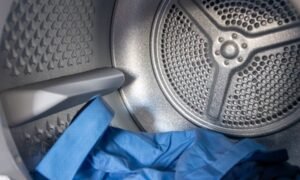
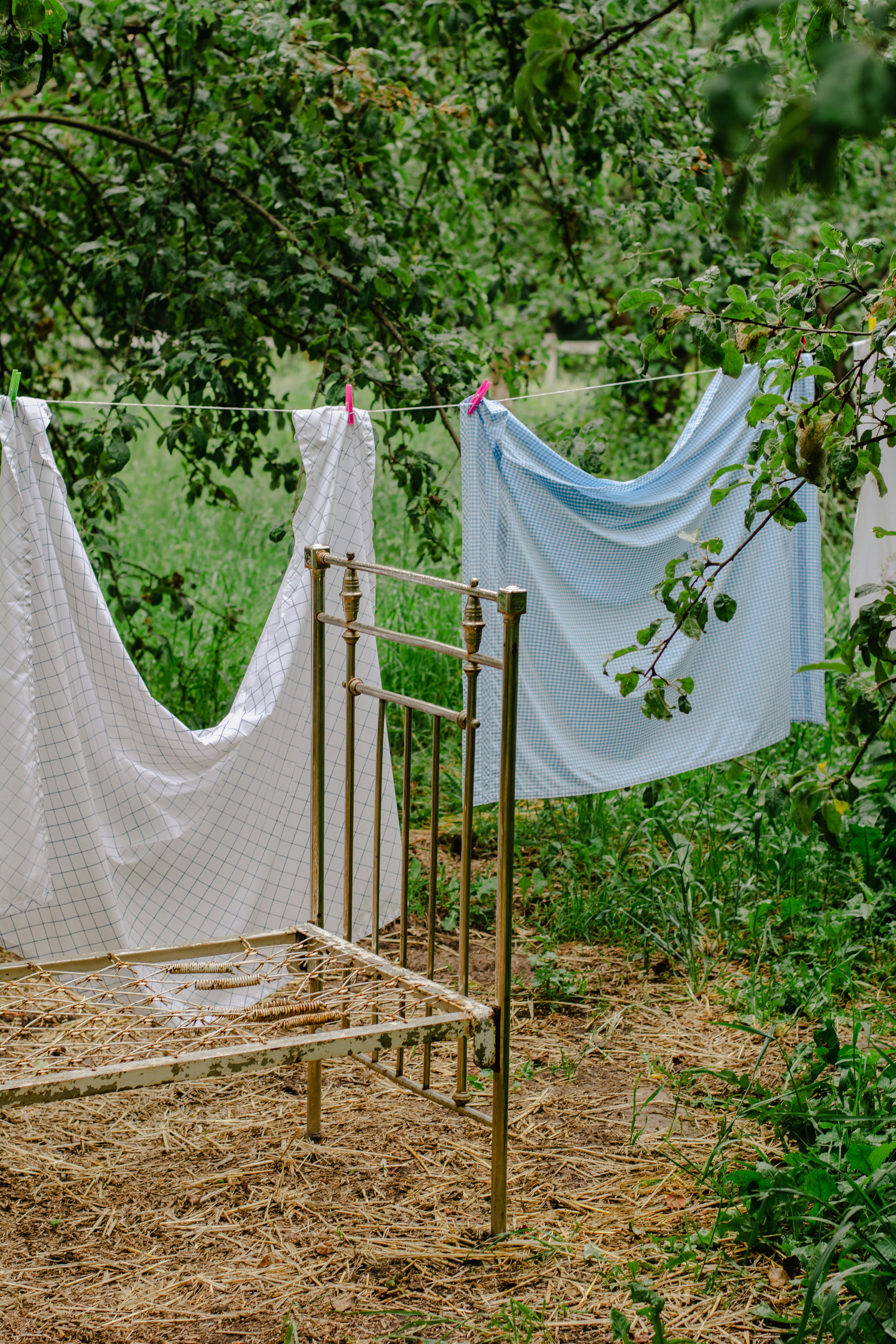
Drying moisture-wicking sheets should also be approached with care. Tumble drying on a low heat setting is usually suitable, as excessive heat can damage the fibers and diminish moisture management. Alternatively, air drying is an excellent option, as it helps preserve the fabric’s structure and moisture-wicking abilities. If choosing to air dry, ensure that the sheets are hung in a well-ventilated area, away from direct sunlight, which may cause fading.
Additionally, it is recommended to wash these sheets separately from heavier items such as towels or blankets. This prevents the sheets from being subjected to friction and potential pilling, which can negatively affect their performance. Regular maintenance, such as promptly addressing stains and ensuring proper storage in a cool, dry place, will further prolong the lifespan of your moisture-wicking sheets, allowing you to enjoy their benefits in high-humidity climates for years to come.
Comparing Popular Moisture-Wicking Sheet Brands
When considering moisture-wicking sheets, it is essential to evaluate various brands to determine the best fit for individual preferences and needs. Several manufacturers stand out in this niche market, each offering unique features and benefits that cater to different demographics.
One notable brand is Brooklinen. Known for its quality craftsmanship, Brooklinen offers a variety of moisture-wicking sheets made from 100% long-staple cotton with an enhanced moisture management system. Their sheets are praised for their softness and ability to regulate temperature effectively. Consumer reviews often highlight the comfortable feel and effective moisture-wicking capabilities, making them a popular choice among those living in humid climates.
Bamboo-derived sheets have gained significant attention as well. Brands like Eucalypso provide sheets made from sustainably sourced eucalyptus, which naturally wicks moisture away from the body. Customers typically report high satisfaction due to the sustainable nature of the product and its breathable quality. These sheets help maintain a cool sleeping environment, ideal for high-humidity areas.
Puffy is another brand worth mentioning, particularly for its innovative technology. Their moisture-wicking sheets are infused with cooling fibers derived from bamboo and come with a unique 100-night sleep trial. Reviews indicate that customers appreciate the combination of comfort, cooling, and ease of care, enhancing their appeal for humid climates.
Finally, Casper offers a line of moisture-wicking sheets that incorporates a blend of cotton and polyester. These sheets are known for their durability and are frequently rated highly for their ability to keep sleepers dry throughout the night, despite the heat and humidity. User feedback emphasizes the balance between comfort and performance.
Overall, when selecting moisture-wicking sheets, it is crucial to consider individual preferences such as fabric type, feel, and specific needs related to humidity levels. Each of these brands provides a unique solution to overcoming discomfort in high-humidity conditions, making them strong contenders for anyone looking to improve their sleeping experience.
Real User Experiences with Moisture-Wicking Sheets
Individuals residing in high-humidity climates often express varied experiences when using moisture-wicking sheets. One user from Florida noted that her previous cotton sheets would often cling to her skin, leading to uncomfortable nights. After switching to moisture-wicking sheets made from advanced synthetic materials, she reported a significant improvement in her sleep quality. “I never knew sheets could make such a difference,” she shared, explaining that the fabric draws moisture away from her skin, allowing her to remain cool throughout the night.
Another user from Louisiana highlighted the effectiveness of these sheets during the sweltering summer months. He described waking up in the middle of the night, soaked in sweat, with traditional bedding. After a recommendation from a friend, he opted for moisture-wicking sheets. “I’ve noticed less sweat accumulation, and they dry so quickly,” he said. This change not only enhanced his comfort but also contributed to improved overall sleep hygiene, as he no longer had to wash his bedding as frequently.
A third testimonial came from a couple living in Hawaii, who explained that their humidity levels remain consistently high. They emphasized the importance of breathable fabrics in their bedding. Since utilizing moisture-wicking sheets, they found that their sleep patterns improved significantly. “Despite the humidity, we’re now able to enjoy uninterrupted, restful sleep,” they remarked. They also noted that the sheets felt lightweight, which contributed positively to their overall sleeping experience.
These personal experiences illustrate the transformative impact of moisture-wicking sheets on sleep quality in high-humidity areas. Users reported enhanced comfort, improved sleep hygiene, and a greater sense of well-being, supporting the benefits these specialized sheets can offer to those affected by humidity-related discomfort.
Future Trends in Moisture-Wicking Technologies
The evolution of moisture-wicking technologies for bedding continues to gain momentum as new advancements in materials and design are developed. Emerging materials such as phase-change materials (PCMs) are increasingly being incorporated into bedding products. These materials have the ability to absorb, store, and release heat, thus providing temperature regulation that complements the moisture-wicking properties. This innovation is particularly beneficial in high-humidity climates, where maintaining a comfortable sleeping environment is essential for restorative rest.
Moreover, biotechnology is playing a significant role in the future of moisture-wicking sheets. For instance, bio-engineered fibers that have inherent moisture management capabilities are being researched and developed. These fibers can actively wick away moisture while simultaneously providing antimicrobial properties to help keep the sheets fresher for longer durations. The integration of such advanced fabrics in bedding offers a promising solution for consumers living in areas characterized by high humidity levels.
Additionally, the bedding industry is witnessing a trend toward sustainable practices. Manufacturers are increasingly focusing on eco-friendly materials derived from renewable sources, such as organic cotton blends infused with moisture-wicking elements. This shift not only addresses consumer demands for sustainable products but also enhances the breathability and comfort of bedding suitable for humid climates.
As manufacturers continue to explore these innovative approaches, consumers can anticipate a variety of options that cater to their comfort needs. Enhanced moisture-wicking capabilities, coupled with advancements in technology, will likely produce sheets that are not only functional but also environmentally friendly. This ongoing commitment to innovation bodes well for individuals seeking optimal sleep experiences in challenging humidity conditions.