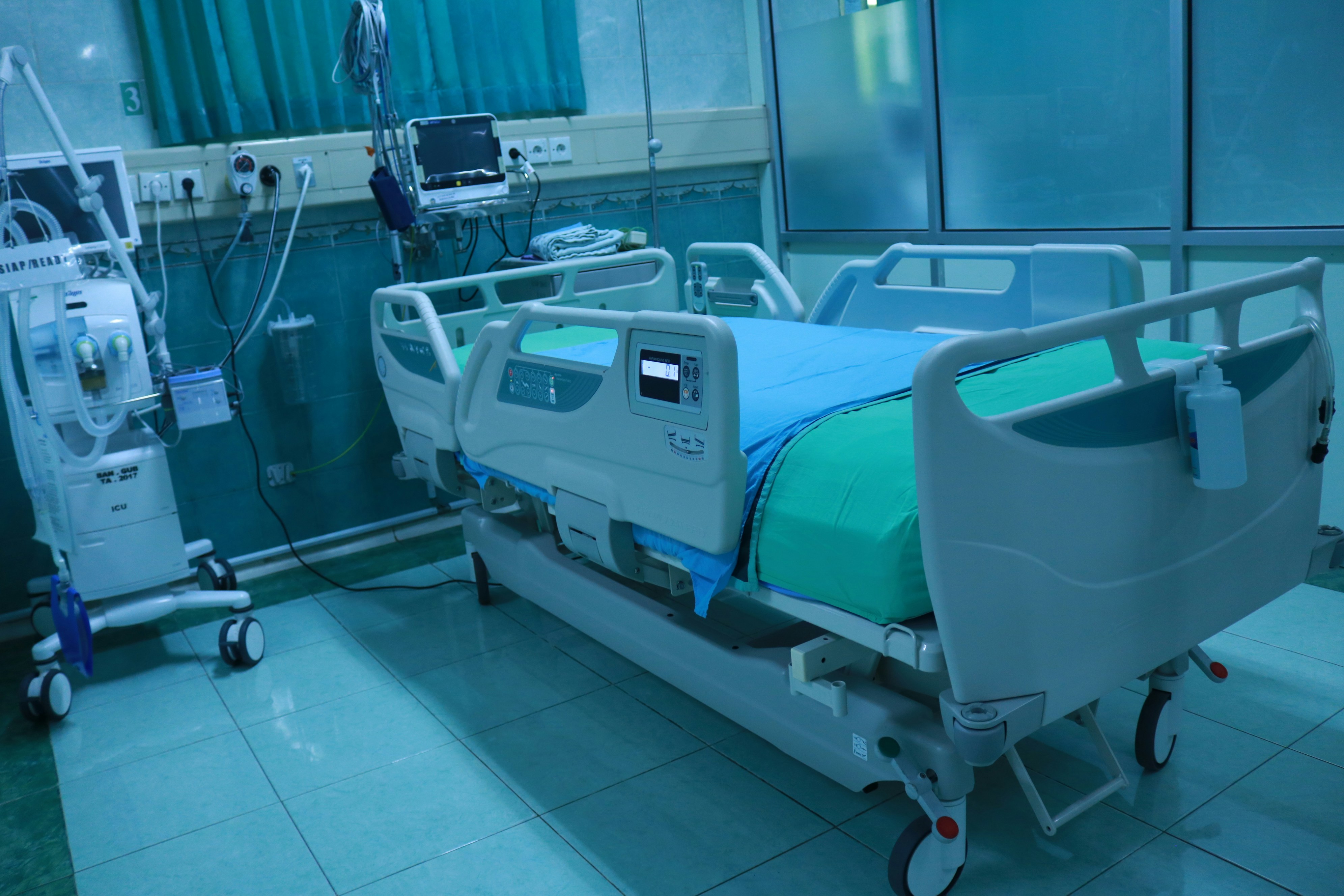
Introduction to Linen Replacement Costs in Healthcare
The financial implications associated with linen replacement in healthcare settings are significant, impacting budgets and resource allocation across hospitals and various medical facilities. The necessity for high-quality linens ensures that patient care standards are upheld; however, this often results in elevated linen turnover rates. Factors contributing to the rapid turnover include the continuous demands of patient care, stringent infection control requirements, and the inevitable wear-and-tear that linens experience in a high-use environment.
Patient care needs are paramount in healthcare, driving the requirement for a constant supply of clean linens to ensure hygiene and comfort. This necessity, while essential for quality care, translates into increased laundering frequency and, ultimately, higher replacement costs. Increased patient intake, particularly during peak seasons or outbreaks, can further exacerbate the situation, necessitating a more frequent change of linens to maintain sanitary conditions.
Infection control protocols also play a crucial role in the high linen turnover rates. Healthcare organizations are compelled to adopt rigorous infection prevention strategies, which often include discarding linens that have been exposed to biological materials. Such practices, while essential for patient safety, lead to substantial financial outlay due to the need for replenishing stock continually. Additionally, the natural wear-and-tear that occurs as linens go through numerous washing cycles contributes to their degradation, leading to further financial implications for healthcare facilities.
Given these financial burdens, it becomes increasingly essential for hospitals and healthcare providers to seek innovative solutions that address linen replacement costs. By exploring advancements in mattress protector technology, facilities can aim to reduce replacement expenses significantly. Implementing such technology not only promotes the longevity of linen products but also enhances overall operational efficiency, ultimately aligning with the healthcare industry’s overarching objective of providing high-quality care while managing costs effectively.
Understanding Mattress Protectors: Types and Benefits
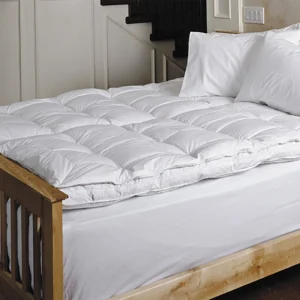
In healthcare settings, the choice of mattress protectors is crucial for maintaining hygiene and prolonging the life of hospital mattresses. Mattress protectors can be classified into three primary categories: liquid-proof, breathable, and antimicrobial options. Each type serves unique functions that contribute to overall patient care and operational efficiency.
Liquid-proof mattress protectors are designed to prevent any fluids, including bodily fluids, from penetrating the mattress. These protectors have a waterproof barrier that shields mattresses from spills and stains, thus reducing the need for frequent replacement. By safeguarding against damage caused by liquids, healthcare facilities can ensure the longevity of their investment while promoting a clean and safe environment for patients.
On the other hand, breathable mattress protectors strike a balance between comfort and protection. Made from materials that allow air circulation, these protectors prevent overheating during prolonged use. Breathable options help manage moisture levels, which can enhance patient comfort and reduce the risk of skin issues, such as bedsores. Comfort is paramount in a hospital setting, and breathable protectors can significantly contribute to patient satisfaction.
Finally, antimicrobial mattress protectors are engineered to resist the growth of bacteria, fungi, and other harmful microorganisms. This is particularly vital in hospitals, where the risk of infections is higher. By integrating antimicrobial properties into the fabric, these protectors help meet stringent hygiene standards and promote patient safety. Utilizing this type of mattress protector not only enhances cleanliness but also assures both patients and staff of a safer healthcare environment.
Incorporating the right mattress protectors can have a profound impact on mattress longevity, patient comfort, and hygiene maintenance. As hospitals aim to control linen replacement costs effectively, understanding the various types of mattress protectors available is essential for making informed purchasing decisions.
The Role of Technology in Mattress Protector Innovation
The healthcare industry is increasingly recognizing the significance of advanced technology in improving patient care and reducing operational costs. One of the key innovations in this realm is found in mattress protector technology. The development of modern materials and designs plays a crucial role in enhancing the functionality of hospital mattress protectors, directly contributing to a reduction in linen replacement costs by up to 30%.
Recent advancements in waterproof fabrics have transformed the effectiveness of mattress protectors. Traditional materials often struggle with durability, leading to frequent replacements. However, modern waterproof options utilize high-performance polymers that provide exceptional resistance to liquid penetration. This innovation not only preserves the integrity of the mattress but also minimizes the frequency of linen replacements, thus lowering associated costs.
Another significant technological breakthrough is the introduction of breathable membranes. These materials enhance airflow while maintaining waterproof properties, ensuring that patients remain comfortable and dry. In addition, breathability helps in preventing the buildup of moisture and heat, which can lead to skin irritations and increased risk of pressure ulcers. By facilitating optimal conditions for patient health, breathable membranes reduce the need for additional linen changes.
Enhanced protective barriers are also essential in the evolution of mattress protector technology. These barriers are designed to guard against dust mites, bacteria, and allergens, providing an additional layer of protection for patients. The incorporation of antimicrobial agents into the fabric further extends the lifespan of the mattress protectors, significantly reducing linen usage. The efficacy of these innovations not only promotes hygiene but also ensures that healthcare facilities can achieve cost savings.
As hospitals continue to prioritize patient care and operational efficiency, the role of technology in mattress protector innovation will remain paramount. By integrating advanced materials and design methodologies, healthcare institutions can significantly enhance the functional lifespan of mattress protectors, leading to substantial reductions in linen replacement costs.
Evaluating Cost-Effectiveness: Analyzing the Financial Impact
In the healthcare sector, maintaining a cost-effective approach is vital for ensuring sustainable practices. One area where hospitals can significantly reduce operational expenses is through the strategic investment in advanced mattress protector technology. The integration of high-quality mattress protectors serves not only to enhance patient comfort but also to substantially lower linen replacement costs.
By utilizing high-performance mattress protectors, hospitals can reduce the frequency of linen replacement. For instance, traditional linens may need to be replaced every 5-7 days due to wear and tear; however, implementing these quality protectors can extend the life of mattresses and linens by safeguarding them against spills, stains, and other types of damage. Case studies have shown that hospitals that adopted advanced protector technology experienced a reduction of up to 30% in their linen replacement costs.
To quantify this impact, let’s consider a hospital with an average monthly linen expenditure of $10,000. By implementing high-quality mattress protectors, the hospital could potentially save $3,000 each month. Over the span of a year, this amounts to $36,000 in savings. Furthermore, the initial investment in these advanced protectors can be recuperated within the first few months, indicating a favorable return on investment (ROI).
The break-even point can also be determined through careful financial analysis. For instance, if the total investment in mattress protection is around $25,000, and the monthly savings from reduced linen replacement costs is $3,000, the hospital would break even in approximately 8.3 months. This timeline is considered highly advantageous, reinforcing the argument for transitioning to higher quality mattress protection solutions.
Overall, the analysis underscores the financial viability associated with investing in advanced mattress protector technology. The ability to save significantly on linen replacement costs while prolonging the lifespan of essential hospital assets makes it a prudent financial decision for facility administrators.
Maintenance and Longevity of Mattress Protectors
To ensure the longevity and effectiveness of mattress protectors, adherence to proper maintenance practices is crucial. Regular care not only prolongs the life of these protectors but also enhances their protective function against spills, stains, and allergens. The cleaning methods used significantly influence the durability of the materials employed in mattress protectors.
When it comes to washing mattress protectors, it is best to check the manufacturer’s labels for specific instructions. Generally, machine washing is suitable for most protectors, and utilizing cold or warm water can help maintain their integrity. Hot water, on the other hand, might damage certain fabric treatments or lead to shrinkage. Recommended detergents are typically mild, avoiding bleach and fabric softener, which can degrade the material over time. Instead, using an eco-friendly detergent not only protects the fabric but is also environmentally conscious.
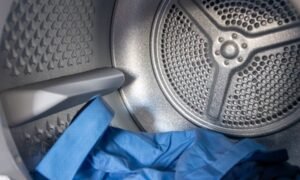
After washing, proper drying techniques also contribute to the lifespan of mattress protectors. Air drying is ideal, as high heat from dryers can weaken the fabric and coatings. If machine drying is necessary, utilizing a low-heat setting can minimize thermal stress on the protector.
Periodic inspection of mattress protectors for signs of wear is another essential practice. Look for fraying edges, discolorations, or loss of waterproofing capabilities, which signify it may be time for replacement. Additionally, evaluating the protective layer’s elasticity will help determine whether the protector is still effectively safeguarding the mattress. By regularly following these best practices for maintenance, hospitals can maximize the lifespan of their mattress protectors, thus reducing the frequency of replacements significantly.
The Impact of Infection Control on Linen Use
In the healthcare sector, the intersection of infection control practices and linen management significantly influences operational costs, particularly regarding linen replacement expenses. The prevalence of hospital-acquired infections (HAIs) necessitates rigorous infection control measures, which in turn, escalates the consumption of linens such as sheets, pillowcases, and mattress protectors. Each instance of HAI not only has profound implications for patient well-being but also results in financial liabilities for healthcare facilities that rely extensively on disposable linens to combat contamination.
The role of advanced mattress protectors in this context cannot be understated. These protective covers are engineered to provide a barrier against fluid, allergens, and pathogens, significantly reducing the risk of HAI transmission. When effective mattress protectors are employed, the need for frequent linen changes diminishes, directly impacting replacement costs. A quality mattress protector not only prolongs the lifespan of underlying mattresses but also reduces the frequency with which the linens must be washed or replaced, thereby conserving resources and minimizing labor costs associated with laundering.
Moreover, superior mattress protectors contribute to a sterile environment, fostering a safer patient care atmosphere. Facilities utilizing high-grade protectors can demonstrate a commitment to reducing infection rates, which can also lead to decreased liability and potential penalties associated with preventable infections. It is essential for hospitals to prioritize the incorporation of advanced mattress protector technology within their infection control protocols. Not only does this enhance patient safety, but it also effectively curtails the excessive linen consumption driven by infection-related demands. Ultimately, prioritizing the right mattress protectors not only safeguards patients but is a strategic move for financial efficiency in healthcare environments.
Case Studies: Success Stories in Cost Reduction
In the healthcare sector, effective resource management is pivotal. The strategic implementation of mattress protector technology has led various healthcare facilities to achieve remarkable cost savings. This section highlights several case studies that exemplify the successful reduction of linen replacement costs in hospitals through innovative mattress protection solutions.
One notable example is a mid-sized hospital located in the Midwest, which faced substantial challenges with maintaining clean linens for their patient beds. The hospital’s linen replacement costs were escalating due to frequent soiling and bacterial contamination of the mattresses. To address these issues, the facility adopted advanced waterproof mattress protectors designed specifically for clinical use, featuring antimicrobial properties. As a result, they observed a significant decrease in the frequency of linen changes required, ultimately leading to a 35% reduction in their linen replacement expenses over a span of one year. This not only lowered costs but also enhanced patient care by providing a cleaner and more hygienic environment.
Another exemplary case involves a large urban hospital that was struggling with high linen turnover rates resulting in excessive waste. By integrating high-quality, washable mattress protectors into their equipment, the institution managed to prolong the lifespan of their mattresses significantly. The investment in durable mattress protectors led to a 30% decrease in linen replacement costs due to the reduction in wear and tear on mattresses and the increased interval between laundering cycles. Moreover, this technology contributed to improved patient satisfaction ratings, as patients reported feeling more comfortable and secure during their stay.
These case studies underscore how the effective use of mattress protector technology not only streamlines operational costs but also enhances the quality of patient care. By implementing such solutions, healthcare facilities can expect tangible benefits associated with both financial savings and heightened hygiene standards.
Future Trends in Hospital Mattress Protector Technology
The landscape of hospital mattress protector technology is evolving rapidly, driven by advancements in materials science and a growing focus on sustainability and patient care. One of the most promising developments is the incorporation of nanotechnology into the design of mattress protectors. By integrating nanoparticles, manufacturers are able to enhance the protective qualities of materials, offering improved waterproofing and antimicrobial properties. This innovation not only contributes to better infection control but also extends the lifecycle of the mattress protectors, potentially reducing replacement costs significantly.
Furthermore, the move towards sustainable materials is gaining traction within the healthcare sector. As hospitals increasingly prioritize environmentally friendly practices, the adoption of biodegradable fabrics and recycled materials for mattress protectors is becoming more prevalent. These sustainable options not only minimize environmental impact but can also lead to cost savings in procurement and waste management. The combination of advanced manufacturing processes and eco-conscious materials could well redefine industry standards, promoting a lower total cost of ownership for hospitals while enhancing the overall care provided to patients.
In addition to nanotechnology and sustainability, the rise of smart textiles represents another transformative trend in mattress protector technology. These innovative textiles include embedded sensors that monitor various parameters such as moisture levels, temperature, and even patient position. Such functionality could enable healthcare providers to deliver more personalized care and respond proactively to patient needs. As these smart textiles become more mainstream, they present opportunities for hospitals to not only improve patient comfort but also optimize the efficiency of care delivery.
In summary, the future trends in hospital mattress protector technology point toward advancements that could vastly improve both patient outcomes and cost efficiency. The integration of nanotechnology, sustainable materials, and smart textiles has the potential to reshape how healthcare facilities approach their linen replacement strategies, ultimately leading to a 30% reduction in costs and enhanced patient care experiences.
Conclusion: Investing in Quality for Better Outcomes
In the ever-evolving healthcare landscape, hospitals face the dual challenge of maintaining high standards of patient care while managing operational costs effectively. The integration of advanced technology in hospital mattress protector solutions has emerged as a critical factor in addressing these challenges. Throughout this guide, we have explored various aspects of mattress protectors, emphasizing the importance of selecting high-quality products designed to minimize linen replacement costs significantly.
Investing in superior mattress protectors not only safeguards the integrity of hospital mattresses but also enhances the overall hygiene and comfort for patients. These protective solutions are engineered to withstand repeated wash cycles and resist damage from accidents, thereby prolonging the lifespan of the underlying mattresses. By reducing the need for frequent linen replacements, hospitals can achieve remarkable savings—up to 30% as highlighted in our discussion.
Moreover, hospitals are urged to reassess their current linen management processes to pinpoint areas for improvement. Engaging in a comprehensive evaluation can reveal opportunities to implement innovative mattress protection technologies that align with best practices in infection control and patient care. Advanced mattress protectors offer features such as waterproof barriers, antimicrobial properties, and ease of cleaning, all of which contribute to a healthier, more sustainable hospital environment.
In conclusion, the strategic investment in quality mattress protectors presents an undeniable opportunity for healthcare facilities to enhance operational efficiency while promoting high standards of patient care. By embracing this technology, hospital administrators can not only lower long-term costs associated with linen replacement but also improve patient outcomes through better hygiene practices. The path to better resource management in hospitals begins with informed decisions grounded in quality and technology.