Introduction to Microfiber Protectors
Microfiber protectors are specialized products designed to safeguard various surfaces, including furniture, automotive interiors, and electronics, from dust, spills, and wear. Made from ultra-fine synthetic fibers, these protectors offer exceptional durability and versatility. The unique structure of microfiber allows for superior absorption and protection, making them an essential choice for consumers seeking to maintain the quality and appearance of their possessions.
The manufacturing of microfiber protectors typically involves a blend of polyester and polyamide, resulting in a soft yet robust fabric. This combination provides high levels of moisture-wicking and stain resistance, ensuring that the surfaces beneath remain untouched by potential damage. The fibers can capture debris and liquids efficiently, making cleaning and maintenance considerably easier. As a result, microfiber protectors have gained significant traction in both consumer and industrial markets, prized for their effectiveness and longevity.
The applications of microfiber protectors extend across various sectors. In residential settings, they are commonly used as sofa and chair covers, safeguarding furniture from spills and pet hair. In automotive industries, these protectors are utilized to preserve the interiors of vehicles from everyday wear and tear. Additionally, in the electronics realm, microfiber protectors play a critical role in preventing scratches and dirt accumulation on gadgets and screens, thus prolonging their lifespan.
The growing popularity of microfiber protectors can be attributed to their effectiveness and eco-friendliness. Many products in this category are designed to be machine washable, reducing the need for disposable alternatives and promoting sustainable practices. As consumers become more environmentally conscious, the demand for high-quality microfiber protectors continues to rise, highlighting the importance of stringent factory audits to ensure product quality and safety.
Importance of Factory Audits
In the global marketplace, the sourcing of microfiber protectors from Chinese manufacturers has become increasingly common. However, to ensure a seamless relationship and maintain high standards, the importance of factory audits cannot be overstated. These audits serve as a vital tool for companies to assess the operational integrity and compliance of their suppliers, thereby safeguarding product quality.
Conducting regular factory audits plays an essential role in ensuring that the manufacturing processes adhere to established safety and quality standards. Audits help identify any discrepancies in production methods by evaluating the factory’s equipment, workforce, and the materials used in making microfiber protectors. By understanding these elements, businesses are in a position to maintain high-quality output and mitigate the risks associated with defective products. This becomes crucial as deficiencies in product quality can lead to customer dissatisfaction and, consequently, financial losses.
Compliance with local regulations and international industry standards is another major reason factory audits are necessary. The regulatory landscape surrounding manufacturing practices can be complex and constantly evolving, particularly in countries like China. Through thorough inspections, companies can ascertain that their suppliers comply with legislative requirements, which not only protects the company from potential legal ramifications but also bolsters customer trust.
Furthermore, a comprehensive audit can significantly enhance brand reputation. In an age where consumer awareness is at an all-time high, any negative perception regarding product quality or ethics can lead to irreversible damage to a brand’s image. By actively engaging in factory audits, companies signal their commitment to quality and ethical manufacturing practices. On the contrary, neglecting to conduct thorough audits poses substantial risks, including sub-par products, legal issues, and reputational harm.
Key Considerations When Auditing Factories
When conducting a factory audit, several essential considerations must be taken into account to ensure a comprehensive evaluation. One of the primary aspects is the condition of the facility itself. Auditors should assess cleanliness, organization, and maintenance levels, as these factors often reflect the overall operational efficiency and adherence to quality standards. A well-maintained facility typically indicates an organization committed to producing high-quality products, such as Chinese microfiber protectors.
Another critical element revolves around the machinery and equipment utilized in production. Auditors should inspect whether the machinery is up-to-date, well-maintained, and adequately utilized. Regular maintenance records, along with compliance with safety standards, are crucial for confirming that equipment is not only functional but also capable of producing consistent and high-quality output. Inspecting the equipment also gives insights into potential risks posed to workers and product quality.
Labor practices play a significant role in factory audits. It is vital to verify that labor conditions are ethical and comply with local laws and international labor standards. This includes assessing worker benefits, wages, working hours, and health and safety practices. Ensuring that workers are treated fairly not only reflects well on the factory but also impacts the overall integrity of the products being manufactured.
Environmental compliance is another crucial consideration during factory audits. Auditors must evaluate whether the facility adheres to applicable environmental regulations and sustainability measures. This includes waste management practices, emissions controls, and resource consumption. An environmentally responsible factory contributes positively to its community and enhances its marketability.
Finally, safety measures stand out as a cornerstone of factory audits. Assessing safety protocols, emergency preparedness, and protective equipment availability is essential for safeguarding workers. An environment prioritizing safety reflects a commitment to quality manufacturing, which is especially significant when producing items like microfiber protectors that are widely used.
Checklist for Factory Audits
Conducting a thorough factory audit is essential when evaluating microfiber protector manufacturers. A comprehensive checklist ensures that all critical areas are reviewed, enabling auditors to gauge the operational integrity and compliance of the facility. This checklist is categorized into several key components: raw material sourcing, production processes, quality control measures, and finished product testing.
First, assess the raw material sourcing. It is crucial to verify that materials used in the production of microfiber protectors meet industry standards and regulations. Documentation such as supplier certifications, material safety data sheets (MSDS), and procurement records should be reviewed. Additionally, auditors should confirm that traceability systems are in place to track raw material origins, as this impacts overall product quality and safety.
Next, evaluate the production processes. This involves examining the machinery and equipment used during manufacturing. Auditors should ensure that these tools are well-maintained and meet safety standards. Interviews with floor staff can shed light on established procedures and any training provided to ensure compliance with quality guidelines. Furthermore, it is advisable to observe the workflow and identify any inefficiencies or areas where automation could enhance production quality.
Moving on to quality control measures, auditors should scrutinize the procedures implemented at various stages of production. This includes checking whether regular inspections are conducted at key points, as well as reviewing documentation related to quality audits and compliance checks. It is essential to assess temperature controls, humidity levels, and other environmental factors that may affect product integrity.
Finally, examine the finished product testing. Auditors should verify that products undergo rigorous testing before being released to the market. Tests may include durability assessments, color fastness evaluations, and cleaning efficiency analyses. Reviewing test reports and ensuring compliance with established standards provides confidence in the quality of the microfiber protectors.
Evaluating Production Processes
Evaluating production processes at a factory, especially when it comes to manufacturing Chinese microfiber protectors, is a critical component of the audit checklist. A thorough examination of the machinery used, production techniques, and overall workflow efficiency can provide invaluable insights into the quality and consistency of the products being produced. Understanding these elements will not only ensure that the production methods align with industry standards but also help in identifying potential areas for improvement.
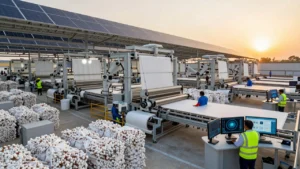
Firstly, an auditor must assess the machinery involved in the production of microfiber protectors. This includes reviewing the age, functionality, and maintenance of equipment such as weaving machines, cutting tools, and finishing stations. Machinery that is updated and well-maintained is generally more efficient and less likely to produce defective items. Additionally, modern equipment often features advanced technology that can enhance production speed and reduce human error.
Next, it is essential to examine the production techniques employed at the factory. Different methods may yield varying levels of quality and durability in the final product. For instance, the technique of dyeing microfiber is crucial, as improper methods can lead to fading or bleeding colors. Understanding the specifics of these techniques can highlight a factory’s commitment to adhering to quality assurance practices.
Furthermore, workflow efficiency plays a significant role in the overall productivity of a factory. Auditors should observe how materials are sourced, how workstations are organized, and how tasks flow from one stage to the next. A well-structured workflow can greatly reduce production time and waste, ultimately leading to higher-quality microfiber protectors. By carefully evaluating these components, auditors can ensure that the production processes in place support the creation of high-quality products that meet customer expectations and regulatory standards.
Labor and Workforce Considerations
In the context of auditing a factory that produces Chinese microfiber protectors, labor and workforce considerations are paramount not only for compliance with laws but also for ensuring ethical practices are being upheld. Workers are the backbone of any manufacturing process, and their treatment can significantly influence the brand’s reputation. It is essential to evaluate the working conditions at the facility to ensure they meet both local and international labor standards.
A critical aspect of labor considerations is the health and safety environment in which the employees operate. Factories should provide a safe workspace, complete with appropriate safety equipment and guidelines to minimize risks associated with industrial hazards. This includes regular inspections and maintenance of machinery as well as training programs that equip workers with necessary safety knowledge. Auditors should inquire about these practices and verify their implementation through documentation and worker interviews.
Moreover, worker training programs are vital components of the workforce audit checklist. These programs not only enhance skills but also promote job satisfaction and retention. An organized training regimen should be in place to assist new employees in adapting to their roles, while ongoing education can help current employees keep up with industry changes and technological advancements. Compliance with labor laws is also a significant area of focus; auditors must ensure that the factory adheres to regulations regarding working hours, pay, and employee rights.
Employee well-being, including mental health support and opportunities for advancement, should not be overlooked. Factories that prioritize their workforce’s well-being tend to foster loyalty and commitment, which can lead to higher productivity levels. The importance of ethical labor practices cannot be overstated, as they are pivotal in maintaining a positive brand image. In conclusion, a thorough examination of labor and workforce considerations is critical for a comprehensive factory audit. Ensuring compliance in these areas supports the establishment of a fair, responsible, and transparent manufacturing process.
Quality Control and Testing Procedures
When assessing Chinese microfiber protectors during the manufacturing process, it is crucial to implement stringent quality control measures and comprehensive testing procedures. These standards ensure that the products not only meet consumer expectations but also adhere to safety regulations. A robust quality control system encompasses several layers of inspection and testing at various stages of production.
Durability testing is a primary component of quality control for microfiber protectors. This involves subjecting samples to rigorous usage simulations to assess how well they withstand wear and tear over time. Manufacturers should conduct tests that measure tensile strength, abrasion resistance, and pilling propensity. These metrics help determine the longevity of the microfiber, which is vital for ensuring customer satisfaction and product functionality.
Absorbency tests are equally important, particularly since microfiber protectors are often used for cleaning and absorption purposes. These tests typically evaluate the product’s capacity to retain moisture and its efficiency in absorbing spills. Laboratories equipped with specialized instruments can perform standardized tests to measure absorbency levels, thereby ensuring the protectors can effectively perform their intended functions.
Safety standards must not be overlooked during the quality assurance process. Microfiber protectors should be tested for harmful substances, including heavy metals and chemical residues, to ensure compliance with local and international regulations. Factories must be equipped with procedures that validate their products’ safety, implementing checks like material sourcing and end-product testing.
In summary, thorough quality control measures and meticulous testing procedures are essential for manufacturers of microfiber protectors. By rigorously evaluating the durability, absorbency, and safety of products, factories can maintain high standards and provide reliable goods to consumers. Regular audits should be conducted to ensure these quality control processes are consistently followed throughout the production chain.
Environmental Compliance and Sustainability Practices
The manufacturing sector is increasingly recognizing the imperative for environmental compliance and sustainability practices, particularly in the production of microfiber protectors. This shift arises from the global acknowledgment of the environmental impacts of industrial activities, making adherence to regulations not only a legal obligation but a societal expectation. Factories engaged in manufacturing microfiber products must focus on effective waste management strategies, responsibly handling byproducts to minimize their ecological footprint. This includes recycling materials where possible and ensuring that waste disposal methods do not harm local ecosystems.
Moreover, the usage of chemicals in the production process is another critical area for consideration. Factories should adopt eco-friendly chemical alternatives, reducing the toxicity associated with microfiber protectors. This not only aligns with regulatory requirements but also responds to consumer demand for safer, more sustainable products. The selection of materials and the chemical processes used during manufacturing must reflect a commitment to environmentally responsible practices and enhance the product’s overall sustainability profile.
Energy efficiency also plays a crucial role in reducing the carbon footprint of microfiber production facilities. Implementing energy-efficient technologies and processes can significantly decrease energy consumption, leading to both cost savings and reduced environmental impact. Furthermore, factories should explore renewable energy sources, such as solar or wind power, to support their operational needs. Such initiatives not only comply with current sustainability standards but also position the factory as a progressive entity committed to long-term environmental stewardship.
In light of rising consumer awareness and regulatory pressure, the importance of adopting eco-friendly practices in the manufacture of microfiber protectors cannot be overstated. Companies embracing these principles are more likely to thrive in an increasingly competitive market that favors sustainability, thereby ensuring a better future for both the industry and the planet.
Conclusion and Recommendations
In reviewing the significance of implementing comprehensive factory audits for Chinese microfiber protectors, several key takeaways emerge. The quality assurance process not only serves to verify product standards but also helps in fostering positive relationships with manufacturers. An effective factory audit hinges on thorough assessments targeting quality control, compliance with regulations, and adherence to ethical practices.
One of the primary recommendations for companies seeking to enhance their auditing processes involves the development of a detailed checklist tailored specifically to microfiber protectors. This checklist should encompass various aspects, including material quality, production workflows, and safety compliance. Additionally, it is essential to engage with reputable auditing agencies that have a proven track record in evaluating manufacturing facilities. This collaboration can provide companies with critical insights and facilitate a more streamlined auditing procedure.
Furthermore, businesses should strive to prioritize ongoing audits rather than adopting a one-time approach. Regular inspections enable companies to identify potential issues before they escalate, ensuring consistency in product quality. By maintaining an open line of communication with manufacturers, organizations can also cultivate a cooperative working environment that encourages continuous improvement and mutual growth.
Lastly, it is beneficial for companies to invest in training their staff involved in the auditing process. Equipping employees with the necessary skills and knowledge empowers them to conduct thorough inspections and address any discrepancies effectively. In conclusion, by adopting these recommendations and emphasizing the importance of regular, meticulous factory audits, companies can significantly enhance their product quality, ensure compliance, and ultimately forge stronger partnerships with their microfiber protector manufacturers.