Understanding Incontinence-Proof Protectorsand Its Impact
Incontinence is a condition characterized by the involuntary loss of urine or feces, which can significantly affect the quality of life, particularly among elderly populations residing in nursing homes. There are two primary types of incontinence: urinary incontinence, which involves the loss of bladder control, and fecal incontinence, referring to the inability to control bowel movements. These conditions are not uncommon; studies show that a significant percentage of elderly residents experience some form of incontinence, with urinary incontinence being the most prevalent.
The emotional impact of incontinence can be profound. Residents often face feelings of embarrassment and shame, leading to social withdrawal and decreased participation in activities. This emotional burden can contribute to anxiety and depression, significantly diminishing overall well-being. Furthermore, incontinence can lead to physical complications, such as skin irritations and infections, affecting residents’ health and comfort. As a result, addressing incontinence effectively is crucial for enhancing resident satisfaction in nursing homes.
It is essential for caregivers and healthcare professionals to approach incontinence with sensitivity and understanding. Providing the right support and appropriate incontinence products can help maintain residents’ dignity and comfort. Tailored care plans that ensure timely assistance and promote hygiene are crucial. Statistics reveal that adequate care can reduce feelings of isolation among affected individuals, thereby enhancing their mental health and social engagement. In turn, this fosters a more inclusive and supportive environment within nursing homes.
Given the prevalence and implications of incontinence in nursing homes, it is critical for stakeholders to prioritize the provision of quality incontinence-proof protectors and related care. Doing so can significantly improve the lives of residents, ensuring they receive the dignity and support they deserve in their daily lives.
Importance of Incontinence-Proof Protectors
Incontinence-proof protectors play a vital role in the well-being of nursing home residents. One of the primary benefits of using high-quality protectors is their ability to prevent skin irritation. The delicate skin of many elderly individuals can easily become damaged, leading to discomfort or even infections. By providing a moisture barrier, these protectors help to keep the skin dry and safe from potential irritants, thereby significantly enhancing the residents’ quality of life.
In addition to skin protection, incontinence-proof protectors also help in addressing hygiene concerns. They play an essential role in avoiding unpleasant odors, which can be particularly distressing both for residents and staff. A clean and fresh environment is crucial for maintaining the dignity of those living in nursing homes. By effectively managing incontinence, these protectors foster a more pleasant atmosphere, allowing residents to feel more comfortable and secure in their surroundings.
Moreover, these protectors support the overall emotional well-being of nursing home patients. Maintaining dignity is key for individuals facing the challenges of incontinence. High-quality protectors can provide them with the necessary confidence to engage socially and participate in daily activities without the fear of accidents. This sense of security significantly contributes to their mental health and encourages a more active lifestyle.
Lastly, incorporating incontinence-proof protectors into the care routine also emphasizes the commitment of nursing homes to provide high standards of care. These products are essential for creating a more hygienic and comfortable living environment, ultimately reflecting the values of respect and compassion for every resident. By prioritizing the use of these protectors, nursing homes can significantly improve the overall experience for both residents and caregivers alike.
Types of Incontinence-Proof Protectors
Incontinence-proof protectors are essential products designed to manage and prevent leakage in healthcare settings, particularly for nursing homes. They come in various types, each with unique features, benefits, and materials suited for different needs. Understanding these options can significantly impact procurement decisions.
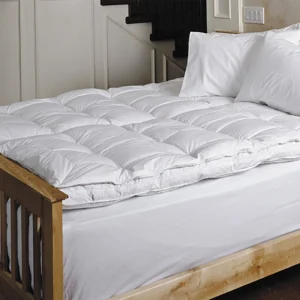
One common type is absorbent mattress covers. These covers are specifically designed to fit over mattresses, providing a waterproof barrier while maintaining comfort. Typically made from a blend of polyester and polyurethane, they effectively absorb moisture and prevent it from seeping into the mattress. Many absorbent covers also incorporate additional layers for enhanced absorbency, ensuring they can handle varying levels of incontinence. Their ease of cleaning and maintenance makes them a preferred choice among nursing homes.
Chair protectors are another pivotal product in managing incontinence. These protectors come in various styles and sizes and are crafted to cover wheelchairs or standard chairs throughout the facility. Like mattress covers, chair protectors are often made from high-quality materials that resist leaks while remaining comfortable for seated individuals. Some versions feature slip-resistant backing, which adds an important safety element by preventing sliding or shifting during use.
Lastly, adult diapers are widely recognized for their effectiveness in incontinence management. Available in various sizes and absorbency levels, they cater to the individual needs of residents. High-quality adult diapers typically feature gel technology for efficient moisture locking and odor control. Additionally, many modern designs prioritize comfort and discretion, which can improve the quality of life for users. They can be used independently or in conjunction with mattress and chair protectors for maximum effectiveness.
When comparing these types of incontinence-proof protectors, consider factors such as absorbency, material quality, ease of use, and cost. Each of these elements plays a significant role in the overall effectiveness of incontinence management solutions in nursing homes.
Regulatory Standards for Incontinence Products
The procurement of incontinence products for nursing homes is governed by stringent regulatory standards in order to ensure the safety and efficacy of these essential items. Central to this regulatory landscape is the oversight provided by the Food and Drug Administration (FDA), along with other relevant health authorities. The FDA categorizes incontinence products as medical devices, which mandates adherence to specific guidelines that govern their manufacturing, labeling, and performance.
Compliance with FDA regulations requires that incontinence products undergo a thorough evaluation to confirm they meet necessary safety benchmarks. This evaluation is crucial in ensuring that the products are not only safe for residents but also effective in managing incontinence-related challenges. Manufacturers must provide evidence supporting their claims of effectiveness, which includes data from clinical trials and quality control protocols to guarantee that the products perform consistently as advertised.
Furthermore, nursing homes must also be aware of the importance of sourcing incontinence products from reputable manufacturers who adhere to Good Manufacturing Practices (GMP). GMP regulations stipulate the requirements for quality assurance systems, thereby reducing the risk of contamination or defects in the products supplied to healthcare facilities. By emphasizing the importance of these regulations, nursing homes can protect their residents’ health and dignity while adhering to best practices in procurement.
In addition to FDA standards, nursing homes are also encouraged to familiarize themselves with guidelines issued by other health authorities and professional organizations that address the specific needs of their populations. By carefully assessing the regulatory landscape and choosing compliant products, nursing homes can enhance resident care while fulfilling their legal obligations. The selection of incontinence products that prioritize both safety and effectiveness is essential for maintaining the quality of life for nursing home residents.
Evaluating Product Quality and Performance
When selecting incontinence-proof protectors for nursing home environments, evaluating product quality and performance is paramount. Several key criteria can significantly influence the effectiveness and satisfaction of these products. First and foremost, one must consider the absorbency levels of the protectors. High absorbency ensures that moisture is efficiently managed, which is crucial for residents’ comfort and skin health. Look for protectors designed with advanced absorbent materials that can quickly wick away moisture while locking it in to prevent leaks.
Comfort is another essential aspect to assess. The materials used in the construction of incontinence-proof protectors should be soft and gentle against the skin to enhance the overall user experience. A comfortable fit reduces the risk of skin irritation, which is particularly important for individuals with sensitive skin. It is advisable to review products that have been specifically designed to offer a snug yet unobtrusive fit.
Durability is integral in determining the value of incontinence protectors. Products that are resistant to wear and tear will prove more cost-effective over time, as they require less frequent replacement. Look for options that maintain their integrity after multiple uses and washes, as this will ensure long-lasting performance.
Breatheability is also a critical factor. Protectors that allow for adequate airflow contribute to skin health by minimizing moisture buildup, which can lead to rashes and infections. Seek out products with breathable materials that provide comfort without sacrificing absorbency.
Lastly, ease of use is essential for both caregivers and residents. Choose protectors that can be easily donned and doffed, facilitating a streamlined process during changing times. Consider reviewing product feedback and conducting tests to identify options that excel in these performance areas, ensuring high-quality care in nursing home facilities.
Cost Considerations in Procurement
When nursing homes embark on the procurement of incontinence-proof protectors, careful consideration of costs is paramount. Budget allocation is often the first step in this process. Facilities must evaluate their financial reserves while anticipating future needs. Incontinence products can vary significantly in price based on factors such as brand reputation, material quality, and absorbency capabilities. Thus, establishing a precise budget can facilitate better decision-making in the acquisition process.
Bulk purchasing advantages play a crucial role in managing costs effectively. Many suppliers offer discounts when products are bought in larger quantities. This approach can lead to substantial savings over time, allowing nursing homes to allocate funds more effectively across various operational needs. It is important to strike a balance between quantity and quality; purchasing cheaper options in excessive amounts might lead to increased expenses in the long run if the materials do not meet performance expectations, requiring more frequent replacements.
Different pricing models should also be examined when considering incontinence-proof protectors. For instance, evaluating the per-unit cost in comparison to bulk discounts can provide critical insight. Although the initial investment may be higher for high-quality protectors, the long-term benefits such as reduced leak incidents and improved resident comfort could provide cost-effectiveness that justifies the expense. Additionally, ongoing maintenance costs, such as laundry or disposal of cheaper products, must be taken into account when assessing the overall financial implications of such choices.
Ultimately, nursing homes must weigh the costs against the performance and quality of incontinence-proof protectors. Selecting products that meet the needs of residents while adhering to budgetary constraints is essential for maintaining both financial health and the well-being of those in their care.
Sourcing and Supplier Selection
When it comes to procuring incontinence-proof protectors for nursing homes, sourcing and supplier selection are critical components that significantly influence the quality of care provided to residents. The first step in this process is to identify reputable suppliers. This involves conducting thorough market research to compile a list of potential vendors known for their reliability and quality in the healthcare sector. One effective method to gauge supplier credibility is through customer reviews and testimonials, which can provide insights into the experiences of other facilities that have utilized their products.
Next, it is essential to vet potential vendors by seeking detailed information regarding their product offerings. This includes understanding the materials used in manufacturing incontinence-proof protectors, as well as compliance with industry standards and regulations. Requesting samples can be an important step in this process, allowing nursing homes to assess usability, effectiveness, and comfort. Additionally, inquiries about the supplier’s historical performance and product recall records can offer a more comprehensive view of their reliability.
Forming partnerships with manufacturers who prioritize quality and patient care should also be a fundamental aspect of the procurement process. Engaging with suppliers who demonstrate transparency in their operations and a commitment to continuous improvement can foster beneficial long-term relationships. These partnerships not only streamline the procurement process but also ensure that nursing homes are consistently providing residents with high-quality incontinence-proof protectors that enhance their comfort and dignity.
Ultimately, a well-structured sourcing strategy, combined with thoughtful supplier selection, is vital in ensuring that nursing homes are adequately equipped to meet the needs of their residents while maintaining high standards of care.
Training Staff on Usage and Maintenance
Training nursing home staff on the usage and maintenance of incontinence-proof protectors is a critical aspect of ensuring the well-being of residents and the effective management of incontinence care. Proper training not only empowers staff to select and apply the appropriate products but also enhances overall care quality within the facility. It is essential that the training process begins with a thorough understanding of the different types of incontinence products available, including their features, benefits, and limitations.
The training should incorporate hands-on demonstrations that illustrate how to properly apply and secure incontinence-proof protectors. This practical approach enables staff to feel confident in their ability to assist residents effectively. Additionally, it is important to educate staff on identifying signs of discomfort or skin irritation, which can indicate that the protector is not being used correctly or requires adjustment. Encouraging open communication among staff can also facilitate the sharing of experiences and best practices, contributing to a culture of continuous improvement.
Ongoing support and refresher training sessions should be implemented to reinforce initial education. This can include periodic workshops, where staff can discuss challenges they face in the everyday use of incontinence-proof protectors, as well as the latest advances in product technology. Furthermore, by providing accessible resources, such as instructional guides and videos, staff members can revisit the training materials as needed, ensuring they always have up-to-date information at hand.
By prioritizing training and ongoing support, nursing homes can ensure that incontinence-proof protectors are utilized effectively, ultimately leading to improved resident satisfaction and optimal care outcomes. The successful implementation of these training protocols will create a knowledgeable staff capable of addressing residents’ needs compassionately and effectively while maintaining dignity and comfort.
Monitoring and Feedback Mechanisms
Effective monitoring and feedback mechanisms are essential for nursing homes to evaluate the success of incontinence-proof protectors. Implementing these processes allows facilities to gather critical insights from both residents and staff, facilitating continuous improvement in care and resource utilization. The integration of feedback loops into procurement strategies ensures that nursing homes can make data-driven adjustments that enhance the well-being of their residents.
To commence the monitoring process, nursing homes should establish clear channels for collecting feedback. Regular surveys administered to residents can capture their experiences and satisfaction with the incontinence-proof protectors in use. These surveys should include questions regarding comfort, fit, and any issues experienced. Additionally, staff members who interact directly with residents are invaluable resources for feedback. Staff surveys or focus group discussions can provide insights into the practicality, accessibility, and overall effectiveness of the protectors from a caregiver’s perspective.
Data collection should not be limited to surveys alone; observational assessments can also play a crucial role. Staff members can be trained to note the frequency of incidents related to incontinence and the effectiveness of the products in preventing such incidents. By recording this data consistently, nursing homes can identify patterns, enabling them to pinpoint which types of protectors work best for specific resident needs.
After gathering feedback and observational data, nursing homes must analyze the information diligently. This analysis will reveal trends that could indicate areas needing improvement in the procurement process or product selection. Decisions should be based on solid evidence, guiding nursing homes toward the most effective incontinence-proof protectors available on the market. Regularly revising procurement strategies based on these insights not only fosters a responsive care environment but also demonstrates a commitment to enhancing the quality of life for residents.