Introduction to Duvet Cover Production
The duvet cover industry plays a significant role in the global textile market, catering to an essential aspect of home furnishings and personal comfort. Duvet covers serve not only as protective layers for duvets but also as key decorative elements in bedroom design. The demand for stylish and functional duvet covers has surged in recent years, driven by trends in home decor and an increasing emphasis on quality sleep. In this context, the production of duvet covers has become a focal point for many textile manufacturing nations.
The global market for duvet covers is influenced by various factors, including consumer preferences, sustainability practices, and technological advancements in fabric production. Manufacturers now strive to balance quality and affordability while addressing growing environmental concerns. This confluence of trends highlights the importance of strategic sourcing and production practices as key determinants of success in the duvet cover sector.
Turkey and Portugal are two prominent players in the duvet cover manufacturing landscape, each with distinct advantages that contribute to their competitive positioning. Turkey is known for its rich textile heritage, advanced manufacturing capabilities, and efficient supply chains, making it a formidable contender in the market. On the other hand, Portugal has established itself as a hub for high-quality textile production, leveraging innovation and craftsmanship to appeal to niche markets.
Understanding the intricacies of duvet cover production in these countries is vital for stakeholders looking to make informed decisions regarding sourcing, sustainability, and market entry. The subsequent analysis will delve into the production methods, economic factors, and market trends of Turkey and Portugal, providing a detailed comparison of their respective contributions to global duvet cover production.
Overview of Turkey’s Duvet Cover Production
Turkey has established itself as a significant player in the global duvet cover production market, thanks to its robust textile industry and rich historical background in fabric manufacturing. The nation has a long-standing tradition of textile craftsmanship, which dates back centuries, allowing it to develop a high level of expertise in producing premium quality bedding products. This deep-rooted heritage enables Turkey to blend traditional techniques with modern innovations, resulting in duvet covers that are both stylish and functional.
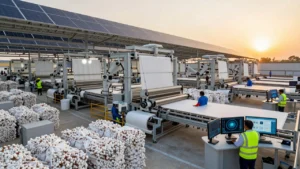
The manufacturing processes employed in Turkey are diverse and sophisticated, reflecting the country’s commitment to quality and sustainability. Turkish duvet cover production often utilizes state-of-the-art machinery alongside skilled artisans who ensure that every product meets high standards. The integration of advanced technology in the production line not only enhances efficiency but also allows for a greater variety of designs and customizations, catering to both local and international markets.
In terms of materials, Turkey is known for its use of high-quality cotton, which is preferred for its durability, softness, and breathability. Cotton duvet covers produced in Turkey are often made from long-staple cotton fibers, which contribute to a luxurious feel and enhanced durability. In addition to cotton, Turkish manufacturers also produce duvet covers using a variety of other materials, including microfiber and linen, each offering unique characteristics and benefits. The choice of materials is crucial, as it directly impacts the overall quality, comfort, and aesthetic appeal of the duvet covers.
Turkey’s strategic location serves as an additional advantage, providing easy access to both European and Asian markets. This geographical positioning not only helps reduce shipping costs but also increases efficiency in distribution, making Turkey a competitive option for retailers and wholesalers looking to source duvet covers. With these strengths, Turkey continues to be a key hub in the global duvet cover production landscape.
Overview of Portugal’s Duvet Cover Production
Portugal has long been recognized as a significant player in the global textile industry, particularly in the production of duvet covers. This reputation stems from a rich tradition of craftsmanship combined with modern innovation, which has positioned the country as a key hub for high-quality textile goods. The Portuguese textile sector is characterized by its commitment to quality, with many manufacturers utilizing locally sourced materials, such as cotton and linen, to create durable and aesthetically pleasing duvet covers.
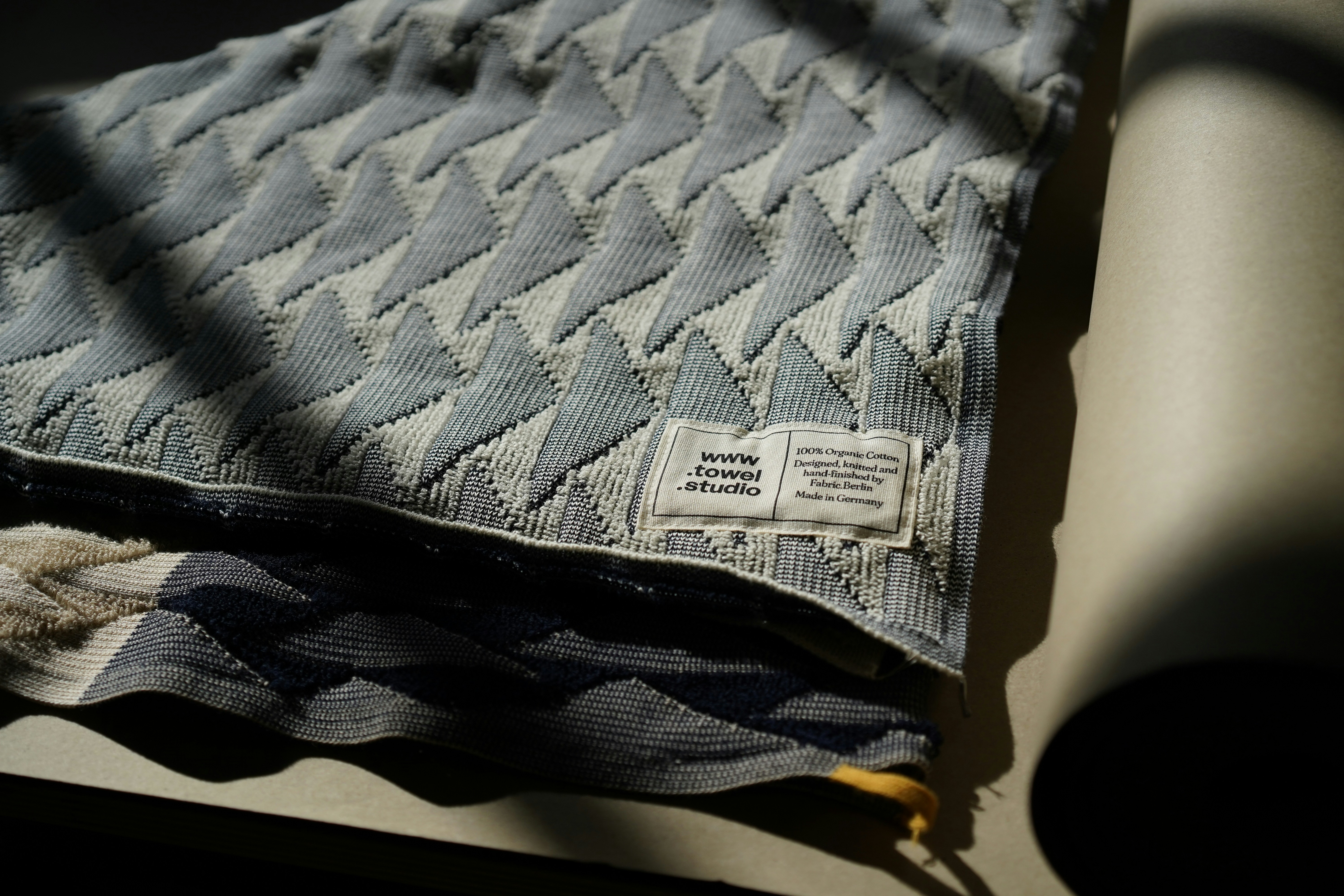
One of the notable strengths of Portuguese duvet cover production is the artisanal expertise that permeates the industry. Many producers employ traditional techniques passed down through generations, ensuring a level of craftsmanship that is both unique and exemplary. This focus on quality not only enhances the overall product but also appeals to consumers who seek authenticity and superior textiles. Moreover, the meticulous attention to detail visible in Portuguese duvet covers contributes to a premium market positioning, catering to discerning customers globally.
In addition to craftsmanship, innovation plays a crucial role in Portugal’s textile sector. Many manufacturers have embraced technological advancements to improve production efficiency while maintaining quality. The integration of sustainable practices, such as the use of environmentally friendly dyes and energy-efficient production methods, reflects a growing awareness of environmental responsibility within the industry. This is particularly significant as consumers increasingly prioritize sustainable options when selecting duvet covers.
Furthermore, Portugal benefits from a strategic geographical location that facilitates efficient logistics and distribution. Proximity to major European markets allows for timely delivery and responsiveness to changing consumer preferences, further solidifying Portugal’s position in the global duvet cover market. With its balance of tradition, innovation, and environmental consideration, Portugal continues to be a formidable contender in duvet cover production, offering products that meet high standards of quality and sustainability.
Cost Factors in Turkey’s Duvet Cover Production
Turkey is emerging as a significant player in the global duvet cover production market, primarily due to its strategic location and diverse workforce. Understanding the cost factors involved in producing duvet covers in Turkey is essential for companies aiming to optimize their manufacturing processes.
One of the most substantial components of production costs in Turkey is labor. The country offers relatively low labor wages compared to Western Europe, making it an attractive option for manufacturers. The availability of a skilled workforce trained in textile production allows companies to maintain quality while benefiting from cost-effective labor. This advantage enables producers to keep their prices competitive on the global market.
Material sourcing is another critical factor influencing costs. Turkey has access to high-quality natural and synthetic fibers, with many textile manufacturers sourcing materials locally. This not only reduces transportation costs but also supports national industries, contributing positively to the local economy. Additionally, Turkish producers benefit from a robust supply chain network that streamlines the procurement process.
Transportation costs further influence overall production expenses. Turkey’s strategic location, which bridges Europe and Asia, ensures efficient shipping routes, reducing lead times for distributing finished duvet covers globally. However, fluctuating fuel prices and logistical challenges can impact these costs and need to be monitored closely by manufacturers.
Tariffs and trade regulations also play a crucial role in cost determination. Turkey’s trade agreements with various countries can help reduce import tariffs on raw materials, which subsequently lowers production costs. On the downside, any changes in trade policies may pose risks to cost calculations, thereby affecting profit margins.
Furthermore, broader economic factors such as inflation rates and currency fluctuations can significantly impact manufacturing costs. Economic stability ensures that production costs remain predictable, allowing companies to strategize their pricing effectively. Thus, understanding all these cost components is vital for manufacturers aiming to thrive in Turkey’s duvet cover production landscape.
Cost Factors in Portugal’s Duvet Cover Production
Portugal has established itself as a key player in the global duvet cover production landscape, with a robust cost structure that merits examination. Labor costs in Portugal are relatively competitive, particularly when compared to other Western European countries. Although wages have seen upward pressure in recent years, the overall labor market remains favorable, providing manufacturers with skilled workers proficient in textile production and design. This skilled labor force not only contributes to efficient production but also ensures high-quality standards that can enhance the marketability of the finished products.
In terms of material quality, Portugal benefits from its long-standing traditions in textile manufacturing. The country is known for sourcing high-quality fabrics, such as cotton and linen, which are essential for producing durable and luxurious duvet covers. While these premium materials may present higher upfront costs, they often translate to greater consumer satisfaction, potentially leading to increased sales and consumer loyalty over time. Additionally, the emphasis on sustainable production practices within the Portuguese textile industry plays an important role in shaping the overall cost; environmentally friendly materials often come at a premium but can improve a brand’s market position.
Production efficiency is another critical factor influencing costs in Portugal’s duvet cover manufacturing sector. Portuguese facilities are increasingly adopting modern technologies and lean manufacturing techniques, enhancing their ability to produce duvet covers more efficiently. This improvement in production lines reduces waste and streamlines operations, thereby minimizing overhead costs. Furthermore, Portugal’s geographical location offers logistical advantages in terms of shipping and distribution, particularly for European markets. Proximity to major shipping routes helps manufacturers keep freight costs manageable, contributing positively to the overall cost structure.
Comparative Analysis: Turkey vs. Portugal
The production of duvet covers in Turkey and Portugal varies significantly due to a multitude of factors including labor costs, material expenses, and logistics. When executing a cost analysis for duvet cover manufacturing, these elements play a vital role in determining overall affordability and competitiveness in the global market.
Starting with labor costs, Turkey exhibits an advantage due to its relatively lower wages compared to Portugal. Turkish manufacturers often benefit from a large workforce that allows for scalable production, increasing their ability to offer competitive pricing on duvet covers. In contrast, while Portugal also has a skilled labor force, labor costs are generally higher, which can impact the final retail prices of products.
Material costs are another crucial component in the cost structure of duvet covers. Turkey is known for its robust textile industry, supplying a variety of raw materials like cotton and synthetic fibers at competitive prices. This advantage is further amplified by the proximity of suppliers, which tends to reduce transportation costs. Conversely, the Portuguese textile sector is characterized by high-quality fabrics but can face increased costs due to imported raw materials that offer distinct qualities, thus influencing overall pricing strategies.
Logistics also plays a significant role in the comparative cost analysis of duvet cover production. Turkey’s strategic location provides access to various markets, allowing for efficient shipping and distribution, which can be a critical factor in maintaining cost-effectiveness. Portugal, situated at the western edge of Europe, benefits from quick access to European markets, though it may incur higher shipping costs when serving markets outside of Europe.
When evaluating the complete landscape of costs associated with duvet cover production, Turkey stands out for its lower labor & material costs and logistical advantages, whereas Portugal emphasizes quality and faster access to European markets. This comparison underscores the importance of understanding regional dynamics when making informed decisions about sourcing and manufacturing duvet covers.
Market Trends and Future Projections
The duvet cover manufacturing industry has experienced significant transformations in recent years, particularly in Turkey and Portugal, which serve as pivotal production hubs. A comprehensive analysis of market trends reveals that consumer preferences are leaning towards eco-friendly and sustainable materials. Both countries are adapting to this demand, which is influencing their production methods. Turkey, with its robust textile industry, is increasingly investing in organic cotton and recycled fabrics. Conversely, Portugal is focusing on innovation, utilizing advanced technology to enhance production efficiency and reduce waste.
In addition to sustainability, there is a rising trend towards personalization and customization in duvet covers. Consumers are seeking products that reflect their individual styles and preferences, prompting manufacturers in both Turkey and Portugal to adopt more flexible production techniques. As a result, small-batch production is gaining popularity, allowing for a quicker response to market changes. Consequently, this shift not only caters to consumer demands but also supports local craftsmanship, particularly in Portugal, where artisanal skills are highly valued.
Future projections for the duvet cover market indicate a steady growth trajectory. The global demand for home textiles is expected to increase, driven by the expansion of e-commerce platforms and the rising standard of living in various regions. Turkey is well-positioned to benefit from its geographical advantages and established textile supply chains, while Portugal may see growth owing to its reputation for quality and design. However, external factors such as economic fluctuations and trade policies could significantly impact production dynamics in both countries. Analyzing these trends and projections reveals that manufacturers in Turkey and Portugal will need to remain agile, adapting to the evolving landscape to maintain competitive advantage.
Sustainability and Ethical Production Considerations
The global market for home textiles, specifically duvet covers, has been increasingly influenced by sustainability and ethical production practices. In this context, both Turkey and Portugal are making strides towards adopting eco-friendly materials and responsible manufacturing processes. Companies in these countries have recognized the growing consumer demand for sustainable products, which has resulted in various initiatives aimed at reducing environmental impact.
In Turkey, several manufacturers are incorporating organic cotton and recycled polyester in their duvet cover production. The use of organic cotton, cultivated without harmful chemicals, not only benefits the environment but also improves the health and safety of workers involved in its cultivation. Furthermore, some Turkish companies are leveraging innovative dyeing technologies that minimize water usage and harmful discharges. These sustainable practices are an effort to align with international regulations and consumer preferences for environmentally friendly textiles.
Portugal, renowned for its rich textile history, is also focusing heavily on sustainability. Many Portuguese duvet cover manufacturers are committed to the use of local fabrics that often adhere to high ecological standards. The country has seen a significant rise in organic certifications among textile producers, ensuring that products meet stringent sustainability benchmarks. Additionally, Portuguese firms are increasingly adopting circular economy principles, focusing on reducing waste through recycling and promoting longevity in their products, which resonates strongly with eco-conscious consumers.
Moreover, ethical considerations are paramount in both nations. Companies are prioritizing fair labor practices, ensuring that their workers are treated with dignity and respect. Transparency in the supply chain has become a focal point, with consumers demanding to know where products come from and how they are made. By addressing these sustainability and ethical production considerations, both Turkey and Portugal position themselves favorably in the competitive duvet cover market, appealing to a growing segment of environmentally aware consumers.
Conclusion: Choosing the Right Production Hub
In light of the thorough analysis of global duvet cover production hubs, specifically comparing Turkey and Portugal, several key insights emerge. Each location offers distinct advantages that can significantly impact a company’s operational efficiency and cost-effectiveness in bedding production. Businesses must carefully evaluate these factors to make informed decisions regarding their manufacturing strategies.
Cost considerations play a pivotal role in this decision-making process. Turkey is renowned for its competitive pricing structures, which stem from lower labor costs and a robust textile industry infrastructure. This can be an attractive option for businesses aiming to keep production costs down while ensuring a steady output of high-quality products. Conversely, Portugal’s pricing may be higher; however, this is often reflective of its emphasis on craftsmanship and smaller production runs, which appeal to high-end bedding brands seeking to differentiate their offerings.
Quality remains a critical aspect to weigh. Turkish manufacturers typically benefit from advanced textile technology and a strong supply chain, contributing to consistent quality in duvet cover production. On the other hand, Portuguese manufacturers are frequently noted for their attention to detail and superior finishing. Companies that prioritize quality over quantity may find Portugal to be a favorable option despite the higher costs involved.
Sustainability is another essential discussion point. With the increasing demand for eco-friendly products, both Turkey and Portugal are making strides toward sustainable production practices. Businesses must assess which production hub aligns best with their sustainability goals and the consumer expectations of environmentally conscious bedding products.
In summary, the decision to choose between Turkey and Portugal for duvet cover production depends on a careful evaluation of costs, quality, and sustainability practices. Each market presents unique benefits and challenges that should be considered in the context of a company’s strategic objectives and target consumers.