Introduction to Hospital Thermal Blankets
Hospital thermal blankets are essential tools in patient care, designed to provide warmth and comfort in various clinical settings. These blankets play a significant role in maintaining a patient’s body temperature, particularly during critical moments such as surgeries and recovery periods. Their design and functionality have evolved to meet the rigorous demands of healthcare environments, ensuring optimal patient comfort and safety.
One of the primary applications of hospital thermal blankets is in operating rooms, where maintaining body temperature is crucial. Patients undergoing surgery are often subjected to lowered temperatures due to the ambient conditions and anesthetics used, making thermal blankets a vital component in postoperative care. By wrapping patients in these specialized blankets, healthcare providers can help mitigate the risks associated with hypothermia, such as increased blood loss and delayed recovery times.
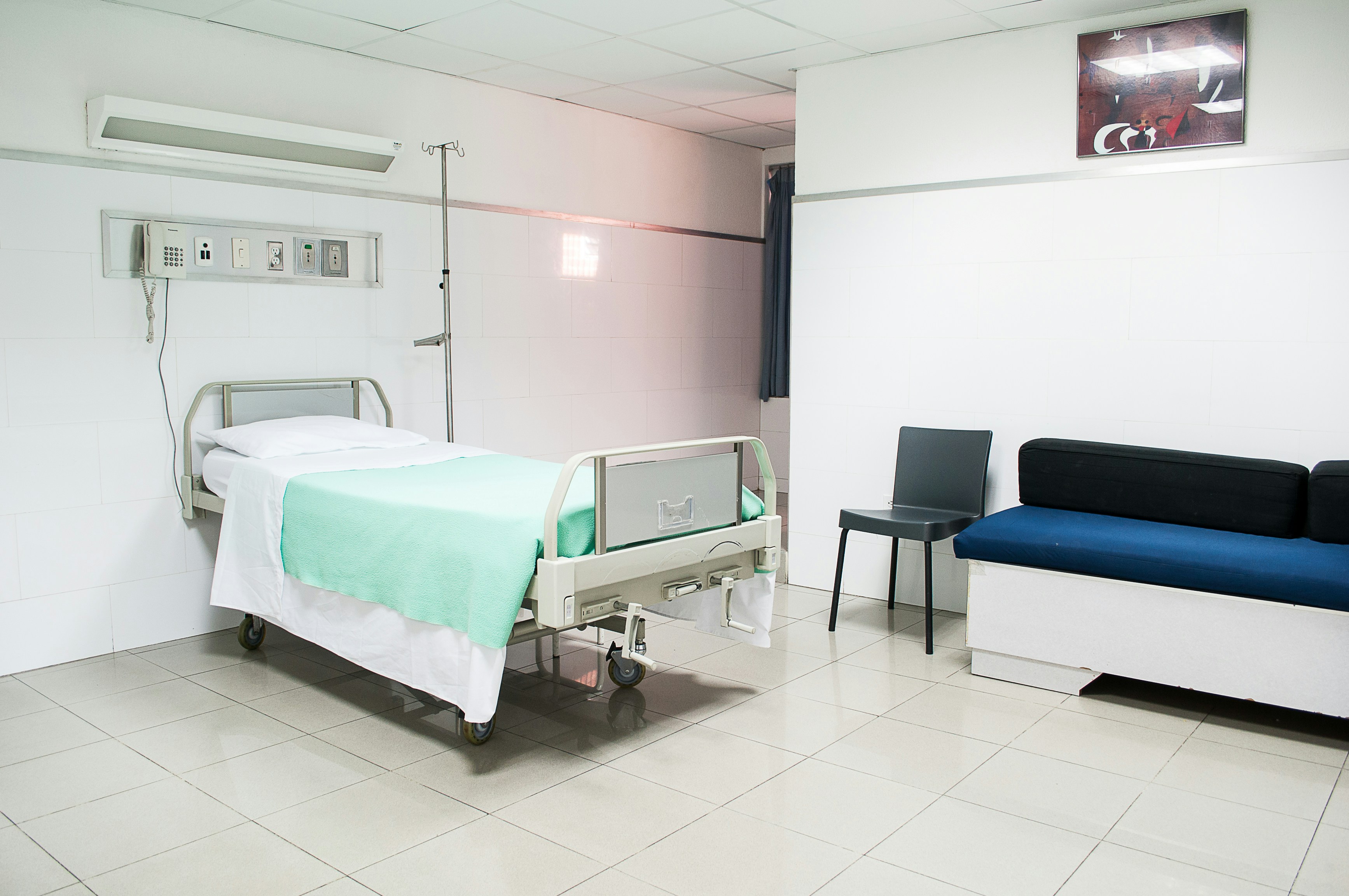
In addition to operating rooms, hospital thermal blankets are commonly utilized in recovery areas and patient wards. After surgery, it is essential for patients to retain heat as their bodies awaken from anesthetic effects. In these recovery environments, the use of thermal blankets can offer significant comfort, creating a more inviting atmosphere for healing. Moreover, in general wards, thermal blankets are invaluable for patients with fever or those requiring additional warmth due to various health conditions.
The importance of these blankets extends beyond mere comfort; they are crucial in adhering to clinical guidelines and standards of patient care. By ensuring patients remain at a consistent and appropriate body temperature, hospital thermal blankets contribute significantly to overall recovery outcomes. As healthcare providers continue to focus on improving patient experiences, the use of high-quality thermal blankets remains a fundamental aspect, emphasizing their indispensable role in modern healthcare practices.
What is GSM and Why It Matters
GSM, or grams per square meter, is a key measurement used to determine the weight and density of fabrics, including blankets used in healthcare settings. This metric plays a crucial role in assessing the quality and warmth of textile products. Essentially, a higher GSM indicates denser and heavier fabric, whereas a lower GSM suggests a lighter and potentially less warm product.
In the context of hospital thermal blankets, understanding GSM is paramount for ensuring optimal patient comfort and appropriate thermal regulation. When selecting blankets for patient use, healthcare facilities must consider the GSM rating to meet specific thermal needs. For instance, higher GSM blankets tend to provide better insulation, which can be vital for patients who require additional warmth during their recovery.
The significance of GSM extends beyond mere comfort; it directly influences a patient’s overall experience and recovery process in a hospital environment. Inadequate warmth can lead to patient discomfort and extended recovery times. Therefore, an appropriate GSM selection ensures that patients remain at a suitable temperature, thereby promoting healing and stabilizing their condition.
Additionally, the GSM rating affects the durability and longevity of hospital blankets. Fabrics with higher GSM can withstand repeated laundering and rigorous use without deteriorating, making them a practical choice for hospitals with high turnover rates. This resilience translates to cost savings in the long run, as quality thermal blankets require less frequent replacement.
In conclusion, GSM is a vital criterion in the selection of hospital blankets, impacting both patient comfort and fabric durability. Hospital administrators and purchasing staff must prioritize this metric to enhance the overall care experience for their patients.
Standards for GSM in Hospital Thermal Blankets
GSM, or grams per square meter, is a crucial standard used to quantify the weight of fabric, particularly for hospital thermal blankets. It serves as a benchmark for measuring the warmth and insulation properties of these blankets, which are essential in maintaining patient comfort during medical procedures or recovery. The GSM standards for hospital thermal blankets can vary significantly depending on the specific needs of the patients, the type of procedures performed, and the intended environment.
Typically, thermal blankets used in hospitals fall within a GSM range of 200 to 400. Lower GSM blankets, around 200 to 250, are often suitable for patients undergoing minor procedures or for use in warmer environments. These lighter blankets provide adequate coverage while allowing for breathability, thereby preventing overheating, which can be a concern for patients in recovery.
Conversely, higher GSM blankets, ranging from 300 to 400, are generally employed in situations where maximum warmth is necessary. These heavier options are particularly beneficial for patients recovering from major surgeries, experiencing shock, or suffering from hypothermia. The extra weight and density of these blankets offer enhanced insulation, helping to stabilize body temperature and promote overall comfort during the healing process.
Healthcare facilities must also consider individual patient circumstances when selecting the appropriate GSM for thermal blankets. For instance, pediatric patients might require specialized considerations for their smaller body sizes and sensitivities. Therefore, the variations in GSM should be tailored to meet the needs of diverse patient populations. Ultimately, adhering to the recommended GSM standards in hospital thermal blankets is essential to ensure patient comfort and prevent complications associated with temperature regulation during medical care.
Materials Used in Thermal Blankets
Hospital thermal blankets are essential components of patient care, providing warmth and comfort during medical treatments. The choice of materials used in their manufacture significantly influences the overall performance, thermal insulation, and comfort of these blankets. Common materials include cotton, polyester, and blended fabrics, each with unique properties suited to specific patient needs.
Cotton is a natural fiber widely utilized in the production of thermal blankets. Known for its breathability, hypoallergenic nature, and softness, cotton offers natural comfort to patients. Its excellent moisture-wicking ability also ensures that excess moisture is absorbed, helping to maintain a dry and comfortable environment. However, while cotton provides thermal insulation, its durability can be lower compared to synthetic fibers, especially when subjected to frequent washing.
Conversely, polyester is a synthetic material that is increasingly favored for its strength and resilience. Polyester thermal blankets exhibit exceptional durability, which allows them to withstand extensive laundering without degradation. Furthermore, polyester is inherently water-resistant, making it a practical choice for use in busy hospital environments. This material also provides adequate insulation and retains heat effectively, though it may be less breathable than cotton, potentially causing discomfort for some patients.
Blended fabrics, which combine the best properties of both cotton and polyester, are also prevalent in thermal blanket production. These blends maximize comfort and durability, benefiting from the moisture management capabilities of cotton while enhancing the strength and easy-care attributes of polyester. The result is a versatile thermal blanket suitable for a variety of clinical settings, ensuring patient comfort while meeting the rigorous cleanliness standards required in hospitals.
In conclusion, understanding the materials used in the manufacturing of hospital thermal blankets is crucial for selecting the appropriate product for patient care. Each material contributes uniquely to thermal insulation, comfort, and ease of maintenance, highlighting their role in enhancing patient experiences in healthcare environments.
The Role of Thermal Blankets in Patient Outcomes
Thermal blankets serve a significant purpose in healthcare settings, primarily contributing to patient warmth and comfort during their stay. The utilization of appropriate thermal blankets is not merely a matter of enhancing physical comfort; it is deeply intertwined with various aspects of patient health and recovery outcomes. Research indicates that maintaining an optimal body temperature is crucial for healing processes, as even mild hypothermia during surgical procedures can lead to increased complications and prolonged recovery times.
Studies have demonstrated a direct correlation between patient warmth and recovery rates, with specific emphasis on post-operative care. One notable study found that patients who were kept warm in the operating room and recovery areas exhibited a drop in infection rates and shorter hospital stays. This positive outcome reflects the essential role that thermal blankets play in managing body temperature, particularly in vulnerable populations such as the elderly and those undergoing extensive surgical procedures.
Additionally, the psychological effects of warmth cannot be overlooked. Patients who feel warm and cozy are less likely to experience elevated stress levels, which can hinder recovery and lead to negative health outcomes. Comfort, reinforced by thermal blankets, contributes to reduced anxiety levels and improved patient satisfaction, which are critical components of holistic patient care. When patients feel secure and comfortable, their overall experience in a hospital setting is enhanced, leading to better adherence to medical protocols and a more positive disposition toward healthcare interventions.
In light of these findings, healthcare facilities are increasingly recognizing the importance of thermal blankets in fostering positive patient outcomes. By focusing on the appropriate GSM (grams per square meter) standards and ensuring that thermal blankets are used effectively, healthcare providers can significantly improve not only the comfort but also the recovery trajectories of those in their care.
Choosing the Right GSM for Different Patient Needs
When selecting a hospital thermal blanket, the GSM (grams per square meter) rating is a crucial factor to consider as it greatly impacts the blanket’s warmth, weight, and overall comfort. Different patients require varying levels of thermal protection based on several factors, including age, type of surgery, and individual comfort preferences. Understanding these needs can significantly enhance the experience of care and recovery in medical settings.
For pediatric patients, who may experience discomfort due to temperature fluctuations, a lightweight blanket with a lower GSM may be ideal. Children often prefer a balance between warmth and breathability to ensure they do not overheat. Therefore, a GSM in the range of 150 to 200 can prove effective in providing sufficient warmth without compromising comfort. Furthermore, considering personal preferences is essential; children may also respond better to blankets with softer textures or engaging colors.
Adult patients, especially those undergoing major surgeries or post-operative recovery, typically have different requirements. In these cases, a thicker blanket with a higher GSM rating, generally between 250 and 400, can offer the necessary insulation and warmth. This helps regulate body temperature during the recovery phase, minimizing discomfort due to post-anesthesia chills or temperature shifts. Additionally, it is crucial to consider any potential allergies or sensitivities; selecting materials that suit the specific needs of adult patients can enhance their satisfaction and recovery experience.
Lastly, for elderly patients who may be more susceptible to cold, a GSM of approximately 300 to 400 strikes an optimal balance of warmth and comfort. Careful evaluation of each patient’s circumstances allows caregivers and medical professionals to choose thermal blankets tailored to their needs. By prioritizing the right GSM, facilities can foster enhanced patient comfort, leading to a positive hospital experience.
Maintenance and Care of Thermal Blankets
Ensuring the maintenance and care of thermal blankets in a hospital setting is vital for promoting patient comfort and hygiene. Proper handling practices can significantly extend the lifespan of these essential blankets and maintain their thermal efficiency. One crucial aspect of care is the cleaning protocol. Thermal blankets should be washed regularly according to the manufacturer’s recommendations, taking into account the specific fabric type and GSM (grams per square meter) standards. Hospital laundry services should utilize appropriate detergents that are capable of removing contaminants while preserving the integrity of the fabric. It is advisable to avoid bleach, as it can degrade the material’s thermal properties and reduce its effectiveness.
In addition to regular washing, storage practices play an important role in maintaining thermal blankets. Blankets should be folded neatly and stored in a clean, dry environment to prevent the accumulation of dust and contaminants. Using dedicated storage bins or cabinets with proper ventilation can help maintain the blankets’ quality. Care should be taken to avoid excessive folding or compression that may lead to material fatigue.
Furthermore, hospital staff should routinely check the integrity of thermal blankets. This can involve inspecting for signs of wear and tear, such as fraying seams or thinning fabric, which may compromise the blanket’s thermal performance. If any defects are detected, the blanket should be removed from circulation immediately and replaced to ensure that patient safety and comfort are not compromised. Regular auditing of thermal blankets ensures compliance with hygiene standards while monitoring their effectiveness over time.
Ultimately, following these best practices for the maintenance and care of thermal blankets will contribute to a positive patient experience and uphold the standards of care within the hospital environment.
Innovations and Trends in Thermal Blanket Technology
Thermal blanket technology has evolved significantly in recent years, particularly in the healthcare sector where patient comfort and safety are paramount. One of the most notable advancements is the introduction of temperature-regulating fabrics. These innovative materials are designed to actively manage body temperature by dissipating excess heat or trapping warmth as needed. This feature is particularly beneficial for patients undergoing surgeries or in recovery, as maintaining the optimal body temperature can enhance overall comfort and aid in the healing process.
In addition to temperature regulation, there is a growing trend towards the use of eco-friendly materials in the manufacturing of thermal blankets. As healthcare facilities become more environmentally aware, the demand for sustainable products has increased. Manufacturers are responding by producing thermal blankets from recycled fibers and biodegradable materials. This shift not only benefits the environment but also reduces the ecological footprint of hospitals, aligning with broader sustainability goals in healthcare.
Another remarkable trend in thermal blanket technology is the development of smart blankets. These advanced blankets are integrated with sensors and connected to monitoring systems that can adapt to patient needs in real-time. For instance, a smart blanket can detect a patient’s body temperature and adjust its insulation properties accordingly to provide optimal warmth. This personalization of patient care is revolutionizing the way hospitals manage patient comfort, allowing for specific adjustments that cater to individual needs.
Overall, the innovations in thermal blanket technology reflect a commitment to enhancing patient well-being in healthcare environments. The integration of temperature-regulating features, sustainable materials, and smart technology is setting new standards in the industry, ensuring that patients receive not only effective medical care but also the comfort they deserve.
Conclusion
In summary, the importance of quality thermal blankets in healthcare settings cannot be overstated. Thermal blankets are pivotal in ensuring patient comfort and maintaining optimal body temperature, especially in vulnerable populations such as the elderly, surgical patients, and those with chronic health issues. Throughout this discussion, we have explored the significance of GSM standards and how they affect the functionality and effectiveness of thermal blankets in hospitals.
Choosing the right GSM for thermal blankets is a crucial aspect that healthcare providers must consider. A higher GSM often indicates a heavier and more insulating blanket, which can effectively protect against hypothermia during procedures or in recovery settings. Conversely, a lower GSM may be suitable for warmer climates or specific patient conditions, thereby ensuring that patients are neither overheated nor uncomfortably cold. The selection of appropriate thermal blankets not only enhances comfort but also contributes to better recovery outcomes and overall patient satisfaction.
Moreover, it is essential to prioritize quality when selecting thermal blankets. Substandard materials can lead to discomfort, irritation, and potential complications for patients. By investing in high-quality thermal blankets that meet the necessary GSM standards, healthcare facilities can create a more inviting and nurturing environment for their patients.
In conclusion, it is imperative for healthcare providers to remain informed about the various factors surrounding thermal blanket choices. By prioritizing patient comfort through informed textile choices, hospitals can significantly improve patient care and outcomes. It is a responsibility that deserves attention and commitment within the healthcare industry, ultimately ensuring the well-being and satisfaction of every patient in their care.