Introduction to Coral Fleece
What is coral fleece fabric?Coral fleece is a synthetic fabric that has gained immense popularity in the textile industry due to its softness, warmth, and versatility. This material is primarily created from polyester fibers, which are processed to attain a plush, velvety texture reminiscent of coral. As a lightweight fabric, coral fleece is not only comfortable against the skin but also highly practical for various applications, making it a favored choice in both fashion and home textiles.
One of the defining characteristics of coral fleece is its ability to retain heat, which makes it ideal for creating cozy garments and accessories. Common products manufactured using this fabric include blankets, jackets, loungewear, and baby items. The fabric’s insulating quality is complemented by its breathability, allowing it to be worn comfortably in various settings, whether indoors or outdoors. Beyond clothing, coral fleece is frequently utilized in home décor, exemplified by throw blankets, pillow covers, and even pet beds.
Coral fleece’s appeal extends beyond its soft texture and warmth; it also boasts a range of practical benefits that contribute to its popularity. The fabric is typically easy to care for, as it is machine washable and quick-drying. Additionally, it is resistant to wrinkling and shrinking, ensuring the longevity of the products made from it. These qualities make coral fleece a practical choice for consumers seeking durable and low-maintenance textile options.
This introduction to coral fleece sets the stage for a deeper exploration of its characteristics and benefits. Understanding what makes this material unique will provide insights not only into its functionality and aesthetic appeal but also into why it continues to remain a staple in contemporary fabric selections.
Texture and Softness
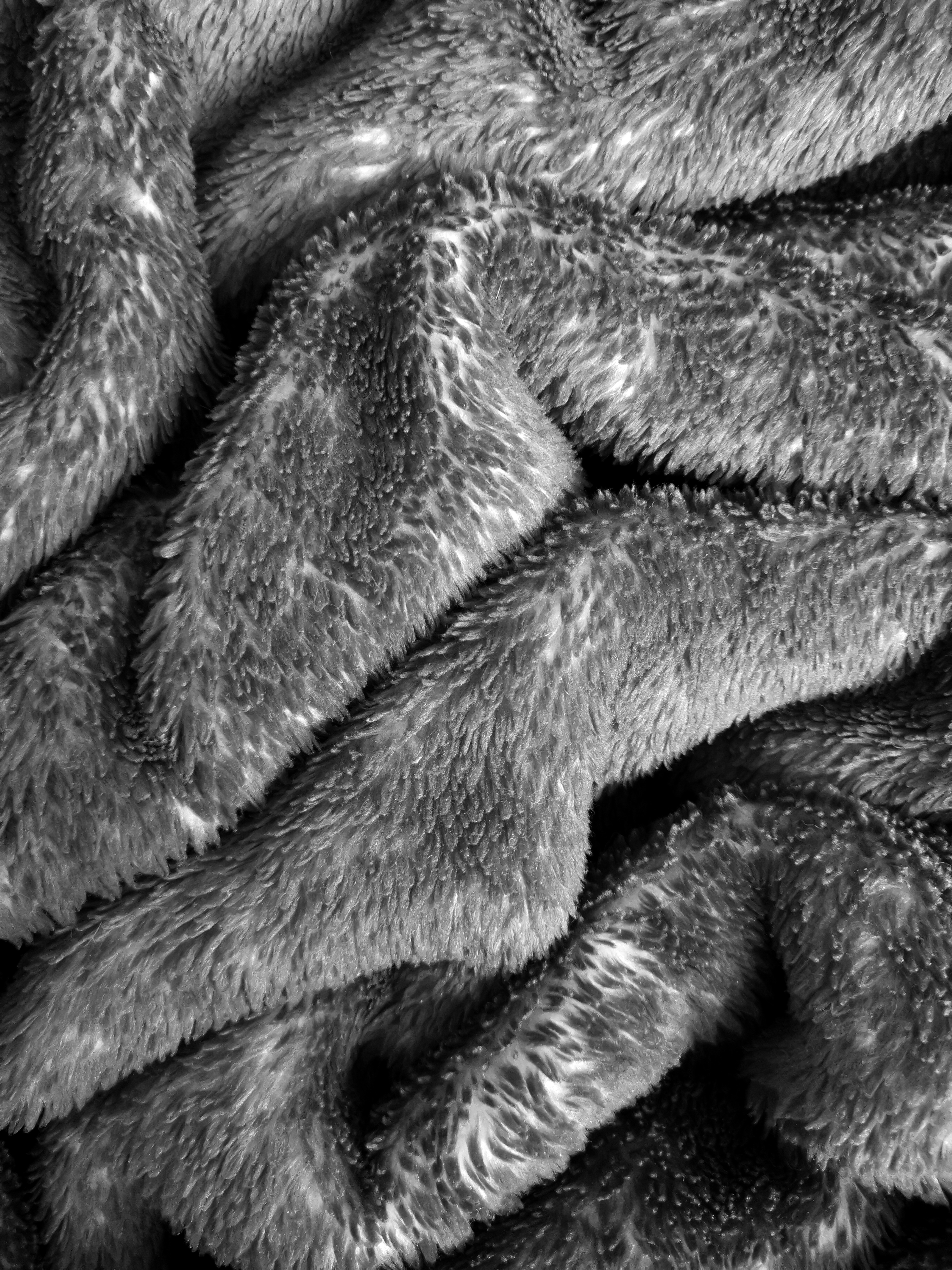
Coral fleece is a synthetic fabric that is renowned for its exceptional texture and softness, making it a popular choice for a range of applications, including blankets, clothing, and accessories. When compared to traditional fabrics such as cotton or wool, coral fleece offers a remarkably plush feel that contributes to superior comfort. This unique texture is largely attributed to its specialized construction, which consists of a blend of polyester fibers that are brushed and sheared to create an inviting surface.
The softness of coral fleece is often described as velvety and luxurious, providing a gentle touch against the skin. This quality makes it particularly appealing to individuals who prioritize comfort, especially in casual wear or home textiles. Unlike some other synthetic materials that can feel rough or irritating, coral fleece maintains a smooth and soft texture even after multiple washes. This durability is a significant advantage, allowing users to enjoy this luxurious feel for a prolonged period.
Moreover, the ability of coral fleece to retain warmth without excessive weight further enhances its desirability. It mimics the qualities of more traditional insulation materials but offers a lighter, more breathable alternative. This is especially beneficial for users who experience discomfort from heavier fabrics. The unique structure of coral fleece not only elevates its tactile qualities but also contributes to its insulating properties, making it an ideal fabric for both cozy blankets and light outerwear.
In summary, the combination of exceptional softness and a plush texture makes coral fleece a preferred fabric for those seeking comfort and warmth without compromising on weight or breathability. Its distinctive qualities ensure that it stands out among other materials while providing an all-encompassing sensory experience.
Warmth and Insulation Properties
Coral fleece is highly regarded for its exceptional warmth and insulation properties, making it a preferred fabric choice for various cold-weather applications. The unique structure of coral fleece, typically composed of polyester fibers, contributes significantly to its ability to retain heat. The fibrous material forms a soft, plush texture that effectively traps air, creating an insulating layer around the body. This trapped air acts as a barrier, helping to maintain body temperature by preventing the loss of heat, making coral fleece particularly suitable for loungewear, throws, and blankets during colder seasons.
The lightweight nature of coral fleece enhances its appeal. Unlike heavier fabrics that can be cumbersome and restrict movement, coral fleece provides warmth without the added weight. This quality allows users to enjoy cozy comfort without feeling burdened, making it an excellent option for relaxation at home or outdoor activities in cooler climates. Furthermore, the fabric’s breathability ensures that it does not become stifling, allowing for proper heat regulation and comfort throughout the day and night.
Another noteworthy aspect of coral fleece is its quick-drying capabilities. This feature is particularly beneficial in damp environments, as it reduces the time required for garments or blankets to dry and remain functional. Additionally, the fabric is generally easy to care for, which enhances its practicality for everyday use. With its soft texture, durability, and insulating properties, coral fleece remains a popular choice among consumers seeking to combine comfort with utility. In selecting coral fleece for loungewear or home textiles, individuals can find assurance in its quality and efficacy as an insulating material that caters to their warmth needs.
Durability and Maintenance
Coral fleece is known for its impressive durability, making it a popular choice for various applications, from clothing to home textiles. This fabric is constructed with high-performance synthetic fibers, which contribute to its robust nature. Unlike many natural fibers, coral fleece holds up exceptionally well against wear and tear, showing resistance to fraying, fading, and wrinkling. This characteristic makes it a reliable option for everyday use, particularly in environments where frequent laundering or heavy usage is expected.
When compared to other fabrics, coral fleece stands out due to its lightweight yet resilient design. It does not lose its shape or quality after multiple washes, ensuring that garments and blankets maintain their original form and appearance over time. Additionally, coral fleece is naturally hydrophobic, meaning it repels moisture, which can further enhance its longevity. This property reduces the likelihood of mold and mildew development, especially when used in damp environments.
To maximize the life of coral fleece, proper maintenance is essential. It is recommended to wash coral fleece in cold water using a gentle cycle to prevent damage. Harsh detergents should be avoided, as they can strip the fabric of its softness and durability. For drying, air-drying is the best option; however, if a dryer is used, it should be set to a low heat setting to avoid fabric shrinkage and damage. It is advisable to avoid fabric softeners, which can coat the fibers and impact their breathability and moisture-wicking properties.
By following these maintenance tips, individuals can ensure that their coral fleece products provide long-lasting comfort and performance, preventing premature wear and maintaining their desirable qualities over time.
Breathability and Moisture-Wicking Properties
Coral fleece is a synthetic fabric that has gained popularity due to its numerous beneficial properties, particularly breathability and moisture-wicking capabilities. The structure of coral fleece consists of fine, soft fibers which allow for comfortable airflow, making it suitable for various clothing types, especially activewear. Its breathability ensures that heat generated by the body during physical activity is dissipated, which plays a crucial role in temperature regulation. This function is essential for maintaining a comfortable body temperature in varying environments, whether in cooler outdoor settings or during intense indoor workouts.
Moreover, one of the standout features of coral fleece is its ability to wick moisture away from the skin. The moisture-wicking property of this fabric facilitates the movement of perspiration away from the body, allowing it to evaporate quickly. This not only helps keep the wearer dry but also prevents the discomfort often associated with sweat accumulation. As a result, individuals participating in activities such as jogging, hiking, or gym workouts can experience less irritation and improved overall comfort. By drawing moisture away from the skin, coral fleece enhances the user experience in both casual wear and performance-focused attire.
Another advantageous characteristic of breathable coral fleece is that it helps to alleviate the risk of overheating, making it a favored choice for layered clothing systems. Combined with other materials, coral fleece can provide insulation without the bulk, allowing for an equilibrium of warmth and breathability. This adaptability is particularly beneficial for athletes or those who engage in varied levels of exertion. It aids in optimizing performance by allowing for free movement while ensuring the body remains in its ideal temperature zone.
Hypoallergenic Features
Coral fleece, a fabric known for its softness and warmth, is also recognized for its hypoallergenic properties, making it an ideal choice for individuals with sensitive skin or allergies. This distinctive feature stems from its unique construction, which promotes breathability while minimizing irritants. As a synthetic material, coral fleece does not harbor allergens like natural fibers sometimes do. This significantly lowers the chances of skin irritations and allergic reactions, making it a popular option for those prone to such issues.
One of the key advantages of coral fleece is its resistance to dust mites, a common trigger for allergic reactions and asthma. Dust mites thrive in many fabrics, particularly those made from natural fibers, where they find a conducive environment. In contrast, coral fleece’s tightly woven fibers discourage dust mites from settling in, thus reducing exposure to potential allergens. Additionally, the capacity of coral fleece to repel moisture further inhibits mold and mildew growth, which can also be problematic for those with respiratory allergies.
For consumers concerned about allergens in their living environment, choosing hypoallergenic fabrics like coral fleece can provide peace of mind. The material is easy to care for, as frequent washing can help keep allergens to a minimum. When selecting bedding or home accessories, opting for coral fleece can be a proactive step toward ensuring a healthier space. The fabric’s hypoallergenic characteristics not only make it an enjoyable choice for everyday use but also contribute to an overall improvement in indoor air quality, aligning with the needs of individuals seeking comfort without compromising their health.
Environmental Considerations
The production of coral fleece involves several materials and processes that have significant environmental implications. Primarily, coral fleece is made from polyester, which is derived from petroleum-based sources. The extraction and processing of these raw materials contribute to greenhouse gas emissions and can have adverse effects on local ecosystems. Furthermore, the manufacturing process of coral fleece often requires substantial energy consumption, further exacerbating its ecological footprint.
Despite the environmentally detrimental aspects of traditional coral fleece production, there are growing efforts within the textile industry to improve sustainability. Many manufacturers are beginning to use recycled polyester yarns, which harness plastic waste instead of virgin petroleum sources. This approach not only reduces reliance on fossil fuels, but it also helps address the global issue of plastic pollution by repurposing discarded materials. Consequently, utilizing recycled polyester for coral fleece can significantly reduce the overall environmental impact associated with its production.
In addition to using recycled materials, some companies are exploring eco-friendly dyeing processes and water-efficient manufacturing techniques, further promoting sustainability within the industry. These practices help to diminish the detrimental effects of dyeing and finishing processes, which are often significant contributors to water pollution and resource depletion. Consumers are encouraged to seek out coral fleece products that are manufactured using these sustainable techniques.
Moreover, as awareness grows regarding the environmental consequences of fabric choices, innovative alternatives have emerged. Organic cotton, Tencel, and bamboo fabrics are increasingly recognized for their lower impact due to resource-efficient cultivation and biodegradability. Although these options may differ in texture and performance from coral fleece, they present valuable eco-friendly alternatives worth considering. Ultimately, understanding these environmental considerations can guide consumers toward making ethically and sustainably responsible fabric choices.
Comparison with Other Fleece Fabrics
Fleece fabrics are diverse and come in various types, each tailored for specific usages and preferences. Among these, coral fleece stands out due to its unique characteristics. To appreciate its distinct advantages, it is essential to compare it with other popular fleece fabrics such as microfleece and polar fleece.
Microfleece is known for its lightweight and breathable nature, making it suitable for lightweight clothing, activewear, and layering in cooler weather. It tends to have a finer texture, which translates to less insulation compared to thicker fleece varieties. While it is soft and comfortable, microfleece may not provide the same warmth as coral fleece. In comparison, coral fleece is generally thicker, offering superior insulation, which makes it an excellent choice for colder conditions and cozy lounging wear.
On the other hand, polar fleece is recognized for its warmth and bulkiness. It is thicker than both microfleece and coral fleece, providing excellent insulation properties. However, this comes at the cost of some flexibility and lightweight comfort. Coral fleece, while not as warm as polar fleece, provides a perfect balance between insulation and softness. This fabric is also recognized for its water-resistance properties, making it suitable for a variety of outdoor applications.
The choice between these fabrics ultimately depends on the intended use. Coral fleece is ideal for those seeking a blend of softness, warmth, and lightweight comfort without the bulkiness found in polar fleece. When evaluating different fleece materials, understanding these distinctions ensures that individuals choose the most appropriate fabric to meet their needs, whether for outdoor activities, home wear, or fashion purposes.
Popular Products Made from Coral Fleece
Coral fleece has gained significant popularity in the textile industry due to its unique properties, making it an ideal material for various consumer products. One of the most prominent items made from coral fleece is blankets. The fabric’s soft, plush texture provides warmth and comfort, making it perfect for cozy evenings at home. Many manufacturers offer a variety of coral fleece blankets in different sizes, colors, and patterns, catering to diverse consumer preferences.
Another popular application of coral fleece is in loungewear and pajamas. Many clothing brands have embraced coral fleece for its lightweight and breathable characteristics, producing stylish and comfortable sleepwear. Pajamas made from coral fleece are not only soft against the skin but also retain heat, making them an attractive option during colder months. Parents also appreciate coral fleece for children’s sleepwear, as it provides both comfort and warmth.
Moreover, coral fleece has found its way into the realm of stuffed toys. Manufacturers utilize the fabric for soft toys due to its friendly feel, which enhances the overall tactile experience for children. Coral fleece stuffed animals are highly sought after for their cuddly nature, making them a beloved choice for both gift-giving and childhood companions. The vibrant colors and creativity in designs further illustrate the versatility of coral fleece, meeting the demands of various market segments.
In addition to these products, coral fleece is often incorporated into home décor items such as cushions and throws, emphasizing its role in creating a cozy atmosphere. The widespread use of coral fleece in such products demonstrates its ability to combine functionality with aesthetic appeal, making it an essential fabric in many households.