Introduction to Eco-Friendly Protectors
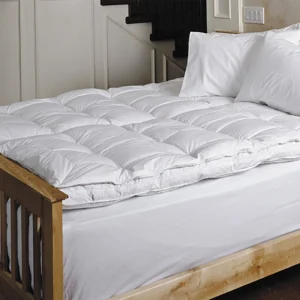
In today’s era, where sustainability has become an urgent priority, the concept of eco-friendly protectors has garnered significant attention. Eco-friendly protectors refer to products designed to safeguard various items while maintaining a commitment to environmental stewardship. One of the key materials making strides in this sector is recycled PET fabric, which is derived from post-consumer plastic bottles. This innovative fabric exemplifies how waste can be transformed into useful and durable products.
The importance of using recycled PET fabric in manufacturing processes cannot be overstated. As global plastic waste levels rise, recycling initiatives become essential in reducing environmental impact. By converting plastic bottles into recycled PET fabric, manufacturers help divert waste from landfills while simultaneously minimizing the carbon footprint associated with creating new materials. This closed-loop system of recycling plays a crucial role in conserving natural resources and reducing dependence on virgin petroleum-based fabrics.
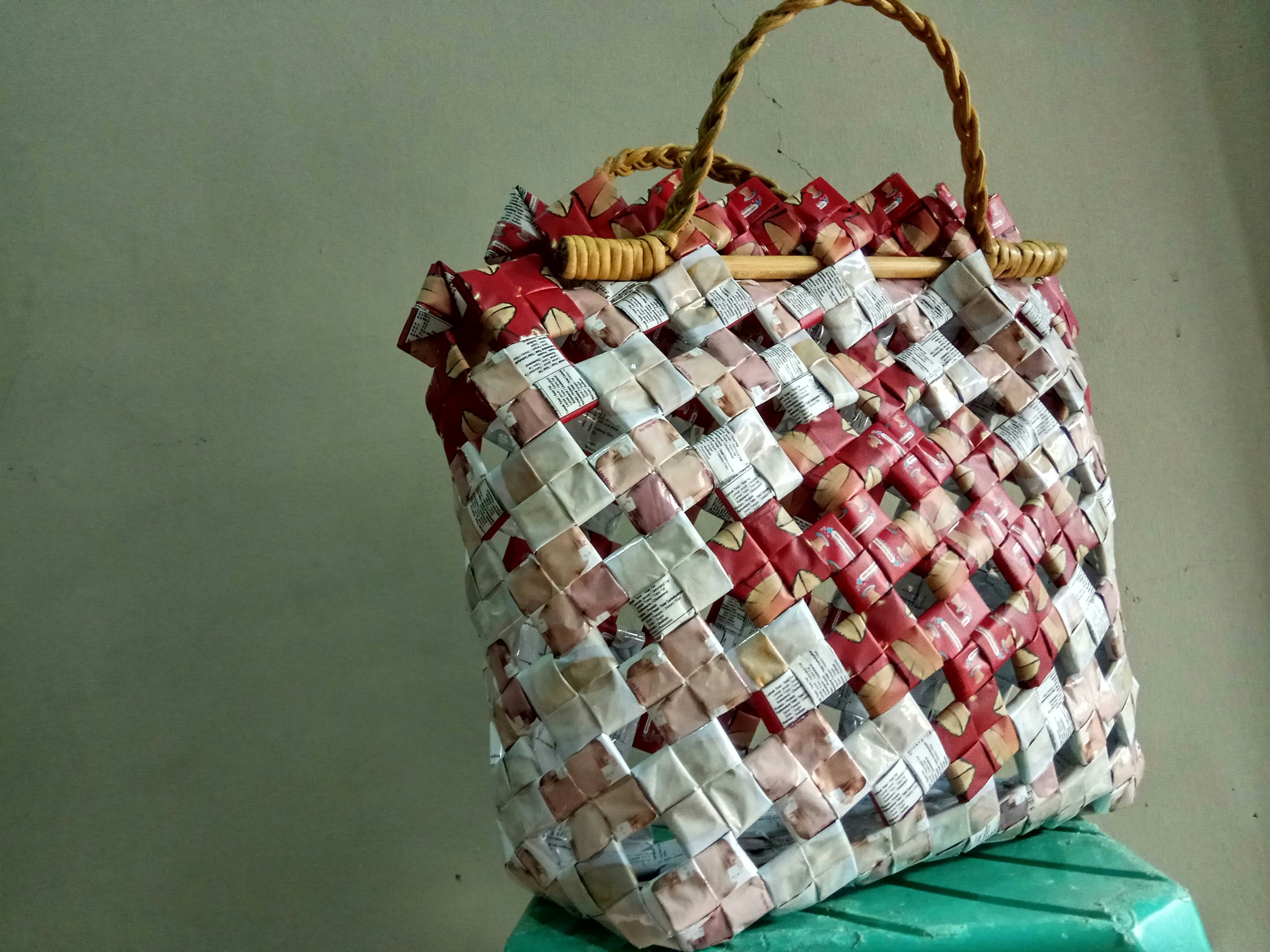
Moreover, the properties of recycled PET fabric make it an attractive choice for diverse applications, including furniture covers, bags, and clothing. Not only is it lightweight and durable, but it is also resistant to various environmental factors, enhancing the longevity of products made from this material. As consumers increasingly seek sustainable alternatives, the demand for eco-friendly protectors continues to rise, fostering a market that prioritizes environmental responsibility without sacrificing quality.
Ultimately, the emergence of recycled PET fabric signifies a shift towards a more sustainable approach in textile production. By embracing such materials, both manufacturers and consumers contribute to a paradigm that values environmental consciousness. In fostering this commitment to sustainability, eco-friendly protectors are set to play an essential role in shaping a healthier planet for future generations.
Understanding Recycled PET Fabric
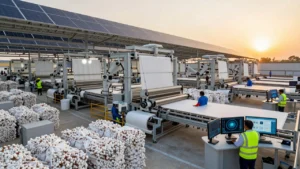
Recycled PET fabric, commonly referred to as rPET fabric, is an innovative textile made from post-consumer PET plastic bottles. The production of rPET fabric begins with the collection of discarded PET bottles, which are then sorted, cleaned, and processed into small plastic flakes. These flakes are subsequently melted down and extruded into fibers that can be woven or knitted to create fabric suitable for a variety of applications, from apparel to home furnishings. This process not only diverts plastic waste from landfills but also conserves natural resources and energy compared to the production of virgin polyester.
One of the primary advantages of using rPET fabric is its significantly lower environmental impact. Traditional polyester production relies on petroleum-based resources, resulting in greenhouse gas emissions and depleting fossil fuel reserves. In contrast, rPET utilizes existing plastic waste, thus reducing the demand for new raw materials and minimizing carbon emissions associated with production. According to research, the use of rPET can save up to 76% of energy and reduce water usage significantly in comparison to virgin polyester manufacturing.
Additionally, rPET fabric retains many of the beneficial properties found in conventional polyester. It boasts high durability, excellent moisture-wicking abilities, and ease of care, making it a suitable choice for activewear and other performance-related textiles. Furthermore, rPET fabric can be produced in a plethora of colors and textures, providing designers with ample creative freedom while promoting sustainable fashion. As consumer awareness regarding environmental issues grows, the demand for eco-friendly materials such as rPET is likely to increase, making it a viable and responsible choice for manufacturers and consumers alike.
Benefits of Using Recycled PET Fabric
The adoption of recycled PET fabric brings a multitude of benefits that extend beyond traditional textiles. One of the primary advantages is its remarkable strength and durability. Recycled polyethylene terephthalate (PET) fibers exhibit similar, if not superior, properties to virgin fibers. This strength makes them particularly suitable for high-performance applications, including outdoor gear and sportswear, where reliability is non-negotiable.
Moreover, using recycled PET fabric contributes significantly to waste reduction. By repurposing PET bottles and other plastic products, manufacturers help divert waste from landfills, thereby mitigating the plastic pollution crisis. Each metric ton of recycled PET can prevent approximately 2.5 metric tons of carbon dioxide emissions when compared to manufacturing virgin polyester. Thus, utilizing recycled materials not only supports a cleaner environment but also reduces the overall carbon footprint of textile production.
Recycled PET fabric serves as a cornerstone for promoting a circular economy. This economic model emphasizes the importance of sustainability and resourcefulness, wherein products are designed for reuse and recycling. By choosing recycled PET, consumers and businesses alike participate in a system that values the lifecycle of materials, encouraging the continual use of resources instead of the traditional linear model of production and disposal. Additionally, it opens avenues for innovative design and production processes that emphasize eco-friendliness without compromising quality.
Furthermore, as the demand for sustainable materials grows, the use of recycled PET fabric presents a favorable option for businesses looking to enhance their brand image. Consumers are increasingly drawn to products that reflect environmental consciousness, offering manufacturers an opportunity to leverage sustainability as a competitive advantage. The integration of recycled PET fabrics into product lines not only fulfills market demand but also showcases a commitment to responsible manufacturing practices.
Identifying Reliable Sources for Recycled PET Fabric
In the pursuit of sustainable fashion and eco-friendly products, sourcing recycled PET fabric is a critical step. Identifying reliable suppliers for this material is essential for ensuring that you are supporting ethical and environmentally responsible practices. One of the primary indicators of a trustworthy source is the presence of recognized certifications. Look for certifications such as Global Recycle Standard (GRS) or Recycled Claim Standard (RCS), which verify that the fabric meets stringent environmental and social criteria. These certifications validate that the recycled polyester not only originates from post-consumer waste but also adheres to established sustainability guidelines.
Another important factor in identifying reliable suppliers is transparency in the supply chain. A reputable manufacturer should be willing to disclose the sources of their recycled materials, production processes, and the environmental impact of their operations. This transparency not only affirms their commitment to sustainability but also provides assurance that ethical labor practices are upheld throughout the manufacturing process. Engaging with suppliers who offer full visibility into their supply chains allows you to make informed decisions and promotes accountability within the industry.
Furthermore, it’s advisable to prioritize sourcing from manufacturers known for their ethical manufacturing practices. This can include evaluating their labor conditions, commitment to reducing carbon footprints, and initiatives aimed at minimizing waste. Researching suppliers’ company values and past performance can provide insights into their dedication to sustainable practices. Country of origin may also influence the ethical standards of production; therefore, considering local suppliers might help reduce transportation emissions while fostering a supportive local economy.
In conclusion, identifying reliable sources for recycled PET fabric involves a comprehensive approach that includes assessing certifications, understanding supply chain transparency, and prioritizing ethical manufacturing practices. By choosing responsible suppliers, consumers can significantly contribute to a more sustainable future.
Evaluating Quality Standards of Recycled PET Fabric
When sourcing recycled PET fabric, it is imperative to establish quality standards that verify the fabric’s durability, safety, and environmental credentials. Various industry certifications play a crucial role in this evaluation process. Notably, the Global Recycling Standard (GRS) is a key certification for recycled products, ensuring that the material has undergone a stringent recycling process and meets social and environmental criteria. Fabrics bearing this certification are often considered superior in terms of quality and are more likely to comply with safety regulations.
Another important certification to consider is the Standard 100 by OEKO-TEX®, which guarantees that the fabric is free from harmful substances. Fabrics that achieve this certification have been tested for a range of chemicals that could potentially harm consumers, thus providing added value in terms of product safety. In the context of recycled PET fabric, this certification can assure consumers that they are making a responsible and informed choice.
Performance metrics also serve as vital indicators of quality. Tests such as tensile strength, abrasion resistance, and color fastness are essential to determine the fabric’s ability to withstand the rigors of everyday use. Additionally, water resistance and breathability are important characteristics, particularly for athletic or outdoor applications. Evaluating these metrics helps consumers select products that will not only perform well but also maintain their appearance over time.
It is beneficial to look for brands that publish detailed information about their sourcing and processing methods, as transparency in the production chain often correlates with higher quality standards. Moreover, staying informed about industry innovations in recycled PET fabric can guide consumers toward products that not only meet established benchmarks but also contribute positively to environmental sustainability.
Sourcing Strategies for Manufacturers and Designers
When sourcing recycled PET fabric, manufacturers and designers must adopt strategic approaches to ensure both sustainability and cost-effectiveness. One essential step is to conduct a thorough cost analysis to ascertain the financial implications associated with using recycled materials. This analysis should encompass not only the price of the fabric itself but also other factors such as shipping costs, duties, and any additional processing fees that may arise when working with recycled materials.
Another critical consideration involves minimum order quantities (MOQs) set by suppliers. Many manufacturers of recycled PET fabrics may have specific minimums that could impact budget and production timelines. It is advisable that designers and manufacturers engage in discussions with suppliers to negotiate these quantities, especially when starting small. Exploring partnerships or co-purchasing arrangements with other companies could also facilitate access to larger volumes of recycled materials at reduced costs.
Furthermore, supplier negotiations play a pivotal role in securing favorable terms. Engaging in open dialogue with suppliers can lead to beneficial outcomes, such as reduced pricing or flexible payment terms. It is also important to assess the supplier’s commitment to sustainability, as this not only fosters responsible sourcing but also aligns with the ethical considerations many consumers seek today.
Lastly, incorporating sustainability into the design process is vital for modern manufacturers and designers. They should prioritize recycled PET fabrics in their designs, which can contribute to circular economy initiatives. This alignment can enhance brand image and appeal to environmentally conscious consumers, making the product more competitive in the market. By utilizing these strategies, manufacturers and designers can effectively navigate the complexities of sourcing recycled PET fabric while maintaining the integrity of their materials and design ethos.
Innovative Applications of Recycled PET Fabric
Recycled PET fabric, commonly known as rPET, has gained traction in various industries due to its sustainability and versatility. This eco-friendly material, derived from recycled plastic bottles, is transforming traditional practices within the textile sector, leading to innovative applications that boost environmental awareness and provide consumers with sustainable alternatives.
One notable application of rPET is in fashion, where eco-conscious brands are utilizing it to create stylish and sustainable clothing lines. For instance, several designers have introduced collections made entirely from rPET fabrics, which not only reduce waste but also showcase the fabric’s aesthetic qualities. These fashion items range from casual wear to high-end designs, proving that sustainability does not compromise style. Major brands have embraced this trend by launching eco-friendly collections, further driving market demand for rPET apparel.
In addition to fashion, home textiles have also benefited from the unique properties of recycled PET fabric. Products such as curtains, upholstery, and bedding made from rPET are gaining popularity among consumers who prioritize sustainability in their purchasing decisions. The production of these textiles often involves a reduced carbon footprint compared to conventional materials, such as cotton or virgin polyester, making them a prime choice for environmentally responsible households.
Outdoor gear is another area where rPET has found innovative applications. Manufacturers are increasingly incorporating this recycled material into products such as backpacks, tents, and jackets, where durability and weather resistance are paramount. These items not only appeal to eco-conscious travelers and adventurers but also contribute to reducing plastic waste. Companies highlight their commitment to sustainability by featuring rPET in their catalogs, thus promoting consumer awareness and encouraging environmentally-friendly practices.
Overall, the innovative applications of recycled PET fabric demonstrate its potential to revolutionize various industries while promoting sustainability. As more brands adopt rPET for their products, the future looks promising for this material that exemplifies eco-friendliness and versatility.
Challenges in Sourcing Recycled PET Fabric
Sourcing recycled PET fabric presents a unique set of challenges that can impede the growth and sustainability of the eco-friendly textiles market. One significant hurdle is supply chain disruptions, which can arise from various factors such as geopolitical tensions, natural disasters, or even fluctuations in global demand. These disruptions can lead to delays in material acquisition, affecting production timelines and ultimately impacting businesses that rely on timely deliveries.
Another noteworthy challenge is the inconsistency in quality, which can vary significantly based on the source of the recycled material. Recycled PET can be derived from diverse sources like post-consumer bottles or industrial waste, leading to variations in the properties of the resulting fabric. This lack of uniformity can make it difficult for manufacturers to achieve the desired performance characteristics in their final products, potentially diminishing consumer trust and satisfaction in eco-friendly offerings.
Furthermore, the variability of consumer demand plays a crucial role in shaping the landscape of recycled PET fabric sourcing. As environmental consciousness rises, the market for sustainable textiles grows; however, fluctuations in consumer preferences can pose a challenge for consistent supply. Manufacturers may struggle to adapt to rapid changes, resulting in overproduction or underproduction, which can affect profitability and waste levels within the industry.
To mitigate these challenges, stakeholders in the supply chain should consider diversifying their sources of recycled materials and establishing robust partnerships with suppliers to enhance stability. Investing in technology that improves quality assurance processes can also help. Additionally, fostering greater consumer education and awareness regarding the benefits of recycled PET fabric can lead to more consistent demand, ultimately transforming these challenges into opportunities for growth in the sustainable textile sector.
Conclusion: The Future of Recycled PET Fabric
The trajectory of recycled PET fabric in the textile and manufacturing sectors points towards a promising and sustainable future. As consumer awareness regarding environmental issues continues to rise, there is a noticeable shift in preferences towards eco-friendly materials. Recycled PET fabric, derived from post-consumer plastic bottles, presents a viable solution to tackle the prevalent issue of plastic waste while meeting the growing demand for sustainable products.
Current trends indicate that industries are increasingly investing in innovation to enhance the quality and performance of recycled PET fabrics. This advancement is essential, as companies not only strive to offer high-quality products but also meet regulatory standards and corporate social responsibility objectives. The integration of advanced recycling technologies allows for the production of recycled PET fibers that closely resemble virgin materials in terms of durability and versatility.
Moreover, businesses that prioritize sustainable sourcing of materials, like recycled PET, can significantly improve their market competitiveness. Adopting eco-friendly practices can resonate with environmentally conscious consumers, leading to brand loyalty and improved reputation. By transparently communicating their commitment to sustainability, companies can successfully navigate the evolving market landscape that increasingly values ethical consumption.
In conclusion, the future of recycled PET fabric is intertwined with the wider movement toward sustainability in the global textile supply chain. With the right strategies and dedication to innovation, industries can foster a circular economy, transforming waste into valuable resources. As demand for sustainable fabric options continues to grow, recycled PET stands out as a key player in reshaping the textile industry into a more sustainable and environmentally responsible sector.